
Plot Summary
Angels on the Gallows
The story opens with Cade Ombra and his ragtag coven—the Malevolent Seven—approaching a town where angelic beings are being tortured by Infernals. The world is a battleground for two supernatural factions: the Aurorals (Celestine angels) and the Infernals (Devilish demons), both recruiting mortals for their coming war. Cade's group, each a wonderist with unique, often dangerous magic, is determined to stop this war at any cost. Their approach is anything but heroic: they're mercenaries, anti-heroes, and outcasts, but they're the only ones willing to stand between humanity and annihilation. The tone is irreverent, darkly comic, and immediately establishes the stakes—peace, if it comes, will be paid for in blood.
Diplomacy by Blood and Thunder
As the Seven confront the Infernal torturers, diplomacy quickly devolves into chaos. Corrigan, the thunder mage, opens hostilities with a lightning bolt, and Galass, the blood mage, is forced to use her powers to control a monstrous scarab weapon. The group's "diplomatic overture" is a threat: leave or be destroyed. Galass delivers a speech that is both a warning and a declaration of territory—this world is not a playground for gods. The Seven's approach to peace is pragmatic and ruthless, and their actions set the tone for the rest of the story: they will kill as many as necessary to prevent a greater war, even if it means becoming monsters themselves.
The Kangaroo's Appetite
The battle reveals the last member of the Seven: Temper, a vampiric kangaroo summoned from another realm by Cade's experimental magic. Temper is a force of nature, tearing through enemies with savage glee and drinking their blood. His presence is both comic and horrifying, a symbol of the unpredictable consequences of magic. The group's dynamic is chaotic—each member is dangerous, unstable, and only loosely loyal to Cade. The aftermath of the fight is grim: Galass is sickened by her own power, and Cade is forced to order the execution of the remaining Infernals. The Seven are not heroes—they are necessary evils.
Balancing Divine Scales
After the battle, Cade frees the tortured angelics, only to find them arrogant and ungrateful. He delivers a message to the Celestines: leave the Mortal realm or face destruction. The encounter is interrupted by a possessed angelic, who demonstrates a terrifying new magic—destiny manipulation. She kills her own kind, prophesies doom for the Seven, and hints at a larger conspiracy. The Seven realize they are pawns in a game played by beings far more powerful and inscrutable than themselves. The emotional toll is heavy: Cade is forced to confront his own past as a Justiciar, and the group's unity is tested by the horrors they witness.
Self-Defence and Consequence
The remaining angelics, convinced the Seven are traitors, attack. The Seven are forced to kill them in self-defence, further alienating themselves from both sides of the supernatural war. The townspeople, who had hoped for salvation, are left disillusioned. Cade's leadership is questioned, and the group's moral compass is further eroded. The cost of their mission becomes clear: to save humanity, they must become pariahs, murderers, and outcasts. The emotional weight of their actions is palpable, and the group's bonds are strained by guilt and fear.
The Hero Business
The Seven travel from town to town, disrupting Auroral and Infernal recruitment efforts. Their methods are violent and unorthodox, earning them a reputation as both saviors and villains. Corrigan and Temper's relationship deepens, providing comic relief and a glimpse of genuine camaraderie. The group learns of another coven—the Apocalypse Eight—who are also interfering in the war, but with unknown motives. The Seven's rule is simple: don't kill mortals unless absolutely necessary. But the line between necessity and brutality blurs as the war escalates, and the group's sense of purpose is tested by the growing chaos.
Nice Wars and Nicer Uniforms
The Seven discover a secret Auroral prison holding Infernal spies. Their plan to extract information is complicated by the presence of human guards, whom they refuse to kill. The ensuing battle is a farce of non-lethal violence, highlighting the absurdity of their self-imposed rules. The group's dynamic is further complicated by Corrigan's obsession with uniforms and Temper's increasingly bizarre behavior. The mission reveals the depth of the conspiracy: both sides are preparing for war, but someone is trying to accelerate the conflict. The Seven are caught between their ideals and the reality of a world spiraling into madness.
The Break-Out
The Seven break into the prison and rescue Tenebris, Cade's former Infernal agent. Tenebris is a schemer, always playing both sides, and his information is both valuable and suspect. The escape is chaotic, with the Seven using a mix of magic, intimidation, and psychological manipulation to avoid killing the guards. The group's trust in Cade is tested by his willingness to make deals with devils, and the lines between friend and foe blur. The mission sets the stage for a larger confrontation with the forces manipulating the war from behind the scenes.
Strategy and Betrayal
The Seven use Aradeus's rat magic to navigate the prison and escape, relying on a mix of cunning and intimidation. Cade's leadership is challenged by Corrigan and Alice, who question his decisions and motives. The group's survival depends on their ability to outthink their enemies, but the constant betrayals and shifting alliances take a toll. Tenebris reveals that the real threat is not the war itself, but the forces seeking to control its outcome. The Seven are forced to confront the possibility that they are being used as pawns in a much larger game.
The Perils of Paella
The Seven regroup at Tenebris's restaurant, where they are treated to a feast of Infernal cuisine. The meal is both a respite and a trap, as Tenebris uses the opportunity to manipulate and test the group. The conversation reveals the philosophical divide between the Aurorals and Infernals: one side seeks order and righteousness, the other experience and sensation. Cade and Tenebris spar verbally, each trying to extract information without giving away their own secrets. The meal ends with the arrival of a mysterious stranger, signaling a new phase in the conflict.
The Stranger's Warning
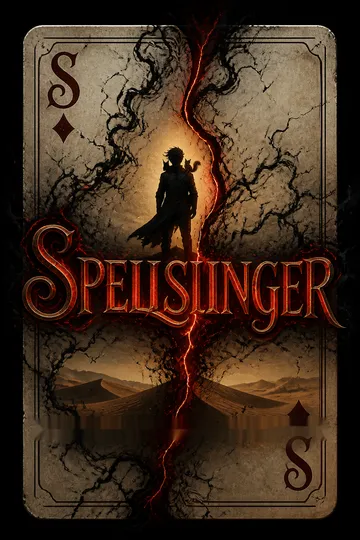
The Spellslinger, a powerful and enigmatic wonderist, confronts the Seven. She warns Cade to stop interfering in the war, hinting at a larger conspiracy and a personal connection to his past. Her magic is unlike anything the Seven have encountered, capable of manipulating destiny itself. The encounter is both seductive and threatening, leaving Cade shaken and the group on edge. The Spellslinger's presence signals a shift in the balance of power, and the Seven realize they are up against forces beyond their understanding.
Reminiscences of Futures Past
Cade pursues the Spellslinger, only to be shown a vision of the city's destruction—a future she can bring into the present. The encounter is a test of wills, with Cade attempting to resist her magic and uncover her motives. The Spellslinger reveals that every being has three possible dooms, and she can choose which to bring forth. The vision is a warning: the Seven's interference is futile, and their destinies are already written. Cade is left with a sense of helplessness and a growing obsession with the Spellslinger's true identity.
Destiny's Price
The vision ends with the Spellslinger resurrecting the city and the Seven, erasing the memory of their deaths but leaving Cade with the knowledge of what could have been. The encounter forces Cade to confront the limits of free will and the inevitability of fate. The group is left reeling, their confidence shaken by the realization that their actions may be meaningless in the face of such power. Cade's determination to fight on is both heroic and tragic, a refusal to accept the universe's indifference.
Words of Glory
The Seven perform a ritual to summon the Lords Celestine, seeking answers and a way to stop the war. The ritual is both humiliating and awe-inspiring, forcing the group to confront their own sins and failures. The Celestines are revealed as flawed, self-important beings, more interested in their own agendas than the fate of humanity. Cade's past as a Justiciar is exposed, and the group's trust in him is further tested. The encounter sets the stage for a final confrontation with the forces shaping the world's destiny.
Humility and Hubris
The ritual of confession forces each member of the Seven to confront their own flaws and regrets. The Celestines' presence is overwhelming, but their arrogance and hypocrisy are laid bare. Cade's relationship with the Celestine of Rationality is revealed, adding a layer of personal complexity to the conflict. The group's unity is strengthened by their shared vulnerability, but the encounter also exposes the limits of divine intervention. The Seven are left to find their own path, relying on each other rather than the gods.
The Lords Celestine
The Celestines judge the Seven, alternately condemning and manipulating them. Cade is forced to relive his past as Gallantry, the Justiciar, and confront the consequences of his actions. The Celestines' true motives are revealed: they seek to use the Seven as pawns in their war against the Infernals. The encounter is a battle of wills, with Cade using his knowledge of Auroral law and psychology to outmaneuver his former masters. The group's survival depends on their ability to resist divine coercion and assert their own agency.
The Glorian Justiciar
Cade's memories of his time as a Justiciar are revealed in detail. He recalls the trial of a young wonderist girl—Eliva'ren, the future Spellslinger—whom he condemned to exile, setting in motion the events that would lead to the current crisis. The memory is a study in the dangers of righteousness and the cost of moral compromise. Cade's guilt is palpable, and the group's understanding of the stakes is deepened. The past is not just prologue—it is the engine driving the present conflict.
Crimes of Dispassion
The Celestines' complicity in Eliva'ren's suffering is exposed. Cade confronts them, demanding accountability for their actions. The encounter is a turning point: the Seven are no longer supplicants, but adversaries. The Celestines' power is revealed to be both immense and brittle, dependent on the faith and obedience of mortals. The group's resolve is hardened by the realization that the true enemy is not just the Infernals, but the entire system of divine manipulation.
Some Light Dinner Torture
The Seven are captured by the Lords Devilish and subjected to elaborate, theatrical torture. The scene is both grotesque and absurd, highlighting the Infernals' obsession with sensation and spectacle. Cade uses his wit and psychological insight to turn the tables, forcing the Devilish to negotiate. The resulting pact is a masterpiece of legalistic trickery, with both sides attempting to outmaneuver the other. The Seven's survival depends on their ability to play the devils' game without losing their souls.
Curtain Calls
The Seven secure a pact with the Lords Devilish: in exchange for stealing the Glorian Banner, they will receive information about the Spellslinger and the true threat to the Mortal realm. The negotiation is a battle of egos and semantics, with each side seeking to exploit loopholes. The Seven's victory is Pyrrhic—they have bought time and knowledge, but at the cost of further entangling themselves in the schemes of beings far more powerful and ruthless than themselves.
Perspective and Paranoia
Tenebris reveals the true scope of the conspiracy: the war is being manipulated by a cabal of disaffected Aurorals and Infernals, seeking to replace the current pantheons with themselves. The Spellslinger is a pawn in their game, her destiny magic the key to reshaping reality. Cade's paranoia is justified—every victory has been orchestrated by forces beyond his control. The Seven are forced to confront the possibility that their struggle is both necessary and futile, a tragic dance on the edge of oblivion.
Be Ye Damned for All Eternity
The terms of the Seven's deal with the Lords Devilish are revealed in all their absurd, legalistic glory. The pact is a masterpiece of Infernal bureaucracy, filled with insults, loopholes, and hidden dangers. The Seven must steal the Glorian Banner without directly touching it, a task that requires cunning, deception, and a willingness to exploit the very systems they seek to undermine. The scene is both comic and chilling, a reminder that even in victory, the Seven are never truly free.
The Parade and the Banner
The Seven infiltrate an Auroral parade to steal the Glorian Banner, the most sacred symbol of the Celestines. The plan is a farce of disguises, bluster, and psychological manipulation. Corrigan's obsession with uniforms provides comic relief, while Cade's mastery of Justiciar tactics allows them to outwit their enemies. The heist is a microcosm of the Seven's approach to heroism: irreverent, improvisational, and always on the edge of disaster.
The Glorian Banner
The Banner is revealed to be more than a relic—it is a vessel of Auroral power, the key to the next phase of the conspiracy. The Seven's plan hinges on exploiting the literalism of Infernal contracts, ensuring they never directly touch the Banner. The scene is a meditation on the power of faith, the dangers of symbolism, and the absurdity of war. The Seven's victory is both ingenious and precarious, setting the stage for the final confrontation.
Step 1: The Disguise
Cade and Corrigan undergo magical transformations to pass as Glorians, infiltrating the citadel where the Banner is kept. The process is both painful and humiliating, stripping them of their powers and identities. The group's dynamic is tested by the loss of magic and the need to rely on wit and deception. The scene is a study in the fluidity of identity and the cost of survival in a world where power is everything.
Step 2: Sneaking
The Seven use a combination of intimidation, psychological manipulation, and magical camouflage to move through the citadel. Their success depends on their ability to exploit the paranoia and ambition of their enemies. The scene is a masterclass in misdirection, with Cade and Corrigan playing on the fears and insecurities of the Glorians to gain access to the Banner. The group's unity is tested by the constant threat of exposure and betrayal.
Step 3: Blustering
Cade uses his mastery of Justiciar tactics to manipulate the Glorian Ardentors, convincing them to hand over the Banner. The scene is a battle of wills, with Cade using the Seven Gazes to instill fear, trust, and obedience. The group's success depends on their ability to maintain the illusion of authority and righteousness, even as they undermine the very system they are impersonating. The heist is a triumph of psychological warfare over brute force.
Step 4: Conspiracies
The Seven exploit the paranoia of the Glorians, convincing them that a conspiracy is afoot and that the Banner must be moved for its own safety. The plan is a delicate balance of truth and deception, with each member playing a role in the unfolding drama. The group's ability to improvise and adapt is tested by the constant threat of discovery. The scene is a meditation on the power of belief and the dangers of fanaticism.
Step 5: Who's the Villain Here?
The Seven's manipulation of the Glorians reaches its climax as they convince their unwitting ally to deliver the Banner to Tenebris. The scene is a study in the ambiguity of heroism: the Seven are both saviors and deceivers, their actions necessary but morally fraught. The cost of victory is the loss of innocence, both for themselves and for those they manipulate. The group's unity is tested by the realization that they are becoming the very thing they sought to destroy.
Reunions and Revelations
Cade is confronted by the Spellslinger in the aftermath of the heist. Their relationship is a tangle of attraction, regret, and mutual manipulation. The Spellslinger reveals her true motives: she seeks to save her son, trapped in the Pandoral realm, and is willing to destroy the world to do so. Cade is forced to confront the limits of his own agency and the inevitability of sacrifice. The scene is a meditation on love, loss, and the price of heroism.
Payment and Betrayal
The Seven deliver the Banner to Tenebris, only to discover they have been betrayed. Tenebris reveals the true scope of the conspiracy: the war is a means to an end, a way to seize power and reshape the world. The Seven are left with nothing but their own wits and the bonds they have forged. The scene is a reckoning, a moment of truth in which the group must decide whether to continue fighting or accept defeat.
Mothers and Motives
The emotional heart of the story is revealed: Eliva'ren's quest to save her son, and the Seven's own complicated relationships with their pasts and each other. The group's unity is tested by the revelation of hidden motives and the cost of their actions. The scene is a meditation on the power of love, the inevitability of loss, and the possibility of redemption. The Seven are forced to confront the reality that their struggle is both necessary and tragic.
The Unfathomable Eight
The Seven are confronted by the rival coven, revealed to be working for Tenebris and the Pandoral. The confrontation is a battle of wits and wills, with each side seeking to outmaneuver the other. Cade's secret attunement to the Pandoral realm is exposed, and he is captured, setting the stage for the final battle. The scene is a study in the dangers of secrecy, the cost of trust, and the inevitability of betrayal.
The Kangaroo's Secret
Cade's backstory with Temper is revealed: the kangaroo is the result of a Pandoral spell gone awry, a creature of chaos and blood. Temper's presence is both comic and tragic, a symbol of the unpredictable consequences of magic. The group's dynamic is further complicated by the revelation of Cade's secret, and the stakes are raised as the final battle approaches.
The Sublime Art of Resisting Torture
Cade is tortured by the Apocalypse Eight and the Pandoral, using a combination of psychological and magical torment. His survival depends on his ability to outwit his captors, using madness and humor as weapons. The scene is a meditation on the limits of endurance, the power of the mind, and the cost of resistance. Cade's determination to survive is both heroic and self-destructive, a refusal to accept defeat even in the face of overwhelming odds.
Absent Enemies
Cade's captivity is marked by an eerie calm, as his captors wait for the right moment to use him as a gate to the Pandoral realm. The absence of direct conflict is itself a form of psychological torture, forcing Cade to confront his own fears and doubts. The scene is a study in the power of anticipation, the dangers of inaction, and the inevitability of confrontation.
Bleak Prospects
Cade is visited by the Spellslinger, who reveals the true nature of the Pandoral realm and the stakes of the coming battle. Their relationship is a tangle of love, regret, and mutual manipulation. The scene is a meditation on the power of choice, the limits of agency, and the possibility of redemption. Cade's determination to save the world is both heroic and tragic, a refusal to accept the inevitability of doom.
Commitment Issues
Cade and the Spellslinger engage in a battle of wills, each attempting to manipulate the other's destiny. The confrontation is both intimate and epic, a struggle for the soul of the world. The scene is a meditation on the power of love, the dangers of obsession, and the cost of sacrifice. Cade's refusal to give up is both his greatest strength and his fatal flaw.
A Brief Guide to Magical Battles
The final battle erupts, with the Seven caught between the armies of the Aurorals, Infernals, and the Pandoral. The scene is a masterclass in magical tactics, with each side unleashing their most devastating spells. Cade's survival depends on his ability to outthink his enemies, using chaos and unpredictability as weapons. The cost of victory is high, and the group's unity is tested by the horrors of war.
Heroic Murder
Cade is forced to confront the possibility of killing Eliva'ren to save the world. The scene is a meditation on the ambiguity of heroism, the dangers of moral absolutism, and the inevitability of sacrifice. The group's unity is tested by the weight of their choices, and Cade's determination to do what is necessary is both heroic and tragic.
Romantic Inclinations
Cade and Eliva'ren share a night together, a brief respite from the chaos and violence of their world. Their relationship is a tangle of love, regret, and mutual understanding. The scene is a meditation on the power of intimacy, the possibility of redemption, and the inevitability of loss. The group's unity is strengthened by their shared vulnerability, and the stage is set for the final confrontation.
Rude Awakenings
The Seven awaken to find the world in chaos, the armies of the Aurorals and Infernals converging for the final battle. The group's unity is tested by the realization that their struggle may have been in vain. Cade's determination to fight on is both heroic and tragic, a refusal to accept the universe's indifference.
Even Ruder Awakenings
The final battle erupts, with the Seven caught between the armies of the Aurorals, Infernals, and the Pandoral. The scene is a masterclass in magical tactics, with each side unleashing their most devastating spells. Cade's survival depends on his ability to outthink his enemies, using chaos and unpredictability as weapons. The cost of victory is high, and the group's unity is tested by the horrors of war.
Armies of Gold and Crimson
The armies of the Aurorals and Infernals clash with the Pandoral, each side seeking to seize control of the Mortal realm. The Seven are caught in the crossfire, their survival dependent on their ability to outthink and outfight their enemies. The scene is a meditation on the futility of war, the dangers of power, and the possibility of redemption.
Making Friends and Enemies
Cade forges an uneasy alliance with the Pandoral, seeking to use chaos as a weapon against the armies of the gods. The scene is a masterclass in psychological warfare, with each side seeking to outmaneuver the other. The cost of victory is high, and the group's unity is tested by the horrors of war.
Blind Spots
Cade and Eliva'ren confront the reality that their destinies are intertwined, but not predetermined. The scene is a meditation on the power of love, the dangers of obsession, and the cost of sacrifice. Cade's refusal to give up is both his greatest strength and his fatal flaw.
Curtains of Possibility
Cade and Hamun travel through the collapsing Pandoral realm, seeking a path back to the Mortal world. The journey is a kaleidoscope of potentialities, each strand a possible future or doom. The scene is a meditation on the power of choice, the limits of agency, and the possibility of redemption.
Paths of Potentiality
Guided by Hamun, Cade navigates the collapsing possibilities of the Pandoral realm, seeking a path back to the Mortal world. The journey is a test of will, imagination, and hope. The scene is a meditation on the power of belief, the dangers of despair, and the possibility of redemption.
Inevitability
Cade and Hamun return to the Mortal world, reuniting mother and son. The cost of victory is high: Cade is left broken, his magic gone, and the world on the brink of collapse. The group's unity is tested by the weight of their choices, and the possibility of redemption is both tantalizing and elusive.
Chaos and Order
The final battle leaves the world in ruins, the old gods dead or deposed, and a new pantheon rising in their place. The Seven are left to pick up the pieces, their unity tested by the cost of victory. The scene is a meditation on the futility of war, the dangers of power, and the possibility of redemption.
All that Blood Had to Go Somewhere
Temper, the vampiric kangaroo, unleashes the full power of blood magic, turning the tide of battle. His transformation is both awe-inspiring and terrifying, a symbol of the unpredictable consequences of magic. The group's unity is tested by the cost of victory, and the possibility of redemption is both tantalizing and elusive.
Real Heroes Settle for a Draw
The Seven negotiate an uneasy truce with the new pantheon, securing a fragile peace for the Mortal realm. The cost of victory is high: Cade is left powerless, the group's unity is tested, and the future is uncertain. The story ends with a meditation on the ambiguity of heroism, the dangers of moral absolutism, and the possibility of redemption. The Seven are not the heroes the world wanted, but they are the ones it needed.
Analysis
A meditation on agency, heroism, and the cost of peaceThe Malevolent Eight is a darkly comic, deeply philosophical fantasy that subverts the conventions of the genre while delivering a thrilling, emotionally resonant story. At its core, the book is a meditation on the limits of agency in a world shaped by gods, devils, and destiny. The Malevolent Seven are not heroes in the traditional sense—they are flawed, traumatized, and often morally compromised. Yet it is precisely their refusal to accept the inevitability of fate, their willingness to fight on even when victory is impossible, that makes them heroic. The story explores the dangers of certainty, the seduction of power, and the possibility of redemption through love, friendship, and sacrifice. The narrative's irreverence and humor are not just stylistic flourishes, but essential tools for survival in a world gone mad. In the end, the book suggests that real heroism is not about winning or being pure, but about refusing to give up on each other, even when the universe seems determined to crush all hope. The lesson is clear: peace is never free, and the cost of doing the right thing is often more than anyone should have to pay—but it is always worth paying.
Review Summary
People Also Read


Characters
Cade Ombra
Cade is the narrator and central figure of the Malevolent Seven, a former Glorian Justiciar who abandoned the Auroral order after witnessing its hypocrisy and cruelty. His attunement to multiple magical realms—Auroral, Infernal, and ultimately Pandoral—marks him as both uniquely powerful and dangerously unstable. Cade's leadership is defined by pragmatism, dark humor, and a deep sense of guilt over past failures, especially his role in condemning Eliva'ren (the Spellslinger) to exile and torment. Psychologically, Cade is driven by a need for redemption and a refusal to accept the inevitability of fate, even as he is repeatedly manipulated by forces beyond his control. His relationships with his coven are complex: he is both protector and manipulator, friend and deceiver. Cade's arc is one of self-acceptance, learning that heroism is not about purity or victory, but about refusing to give up even when the odds are hopeless.
Corrigan Blight
Corrigan is a Tempestoral mage whose magic manifests as thunder, lightning, and destruction. He is Cade's oldest and closest friend, their bond forged in shared trauma and mutual respect. Corrigan's bravado and crude humor mask deep insecurities and a fear of abandonment, especially as Cade's leadership is increasingly questioned. His relationship with Temper, the vampiric kangaroo, provides both comic relief and genuine emotional depth. Corrigan's arc is one of loyalty and self-discovery: he is willing to follow Cade into hell, but also demands recognition and respect. His obsession with uniforms and speeches is both a running joke and a symbol of his desire for order in a chaotic world.
Galass
Galass is a former Sublime—a handmaiden of the Aurorals—who became a sanguinalist (blood mage) after a traumatic pact. Her magic is both powerful and dangerous, attuned to the flow of life and death. Galass is the group's conscience, constantly questioning the morality of their actions and striving to retain her humanity in the face of overwhelming violence. Her relationship with Cade is fraught: she admires his resolve but fears his willingness to cross moral lines. Psychologically, Galass is driven by a need to prove that blood magic does not inevitably lead to madness and evil. Her arc is one of self-acceptance and the realization that sometimes, to save the world, one must become a monster.
Alice (Aliciaj Meharcorum)
Alice is a demoniac—an Infernal by birth—who was trained as a Justiciar by Hazidan Rosh, despite being ineligible for the order. Her magic is brutal and efficient, wielded through a whip-sword and a deep knowledge of both Infernal and Auroral law. Alice's arc is defined by her struggle for identity: she is torn between her Infernal heritage and her desire to embody justice. Her relationship with Cade is antagonistic but respectful, each recognizing the other's capacity for both violence and principle. Psychologically, Alice is driven by a need for belonging and validation, her prickly exterior masking a deep vulnerability.
Shame
Shame is a former Angelic Emissary who rebelled against the Celestines after being forced into servitude. Her magic is transmutational, allowing her to reshape her own body and others'. Shame is ancient, wise, and often detached, but her journey is one of learning to embrace humanity and vulnerability. Her relationship with Cade is complex: she sees in him both the best and worst of mortals. Psychologically, Shame is haunted by guilt and a longing for connection, her arc culminating in a tentative acceptance of love and imperfection.
Aradeus Mozen
Aradeus is a totemist attuned to rats, his magic manifesting as cunning, agility, and a network of rodent spies. He is the group's optimist and romantic, always ready with a speech or a flourish. Aradeus's arc is one of humility and self-discovery: beneath his bravado lies a deep desire for acceptance and purpose. His relationship with Shame is unexpectedly tender, and his loyalty to the group is unwavering. Psychologically, Aradeus is driven by a need to prove that nobility and heroism are possible even in a world gone mad.
Temper
Temper is a creature summoned from another realm by Cade's experimental Pandoral magic. He is both comic relief and a symbol of the unpredictable consequences of power. Temper's insatiable appetite for blood and violence is both terrifying and oddly endearing, his limited vocabulary ("motherfucker") masking a strange wisdom. Psychologically, Temper is a blank slate, his development shaped by his interactions with the group. His final transformation into a blood-winged monster is both a triumph and a tragedy, a reminder that chaos cannot be controlled.
Eliva'ren (The Spellslinger)
Eliva'ren is the Spellslinger, a wonderist whose magic allows her to manipulate destiny itself. Her arc is defined by loss: condemned by Cade as a Justiciar, tortured by the Celestines, and separated from her son, she is driven by a desperate need to reunite her family, even at the cost of the world. Her relationship with Cade is a tangle of love, regret, and mutual manipulation. Psychologically, Eliva'ren is both victim and villain, her actions shaped by trauma and a refusal to accept the limits of fate. Her final choice is both heroic and tragic, a testament to the power of love and the cost of obsession.
Tenebris
Tenebris is Cade's former Infernal agent, a master of manipulation and self-preservation. He plays all sides, orchestrating the war to his own advantage and ultimately seeking to replace the old gods with a new pantheon. Tenebris's arc is one of ambition and betrayal: he is both ally and enemy, his loyalty always for sale. Psychologically, Tenebris is driven by a need for power and recognition, his charm masking a deep cynicism. His relationship with Cade is a study in rivalry and reluctant respect.
Fidick
Fidick is a seemingly innocent boy who orchestrates much of the chaos behind the scenes. He is a master of manipulation, using his appearance and intelligence to bend others to his will. Fidick's arc is one of corruption and retribution: his actions are driven by a desire for power and control, and his eventual downfall is both satisfying and horrifying. Psychologically, Fidick is a study in the dangers of unchecked ambition and the seductive power of evil.
Plot Devices
Destiny Manipulation
The central plot device is the manipulation of destiny—both as a magical power wielded by the Spellslinger and as a philosophical theme. The story explores the tension between free will and inevitability, with each character's choices shaped by forces beyond their understanding. Destiny is both a tool and a trap: the Spellslinger can bring forth any of three possible dooms for a person or place, collapsing potentialities into inevitability. This device is mirrored in the narrative structure, with frequent foreshadowing, flashbacks, and visions of possible futures. The story's emotional arc is driven by the characters' struggle to assert agency in a world where every victory seems preordained to become a defeat.
Anti-Heroic Structure
The narrative is structured as a dark inversion of the classic hero's journey. The Malevolent Seven are not chosen ones or paragons of virtue—they are mercenaries, outcasts, and failures. Their victories are Pyrrhic, their methods brutal, and their motives suspect. The story uses humor, irreverence, and self-awareness to undermine traditional notions of heroism, replacing them with a more complex, morally ambiguous vision. The group's unity is constantly tested by betrayal, guilt, and the weight of their actions, and the story's resolution is a draw rather than a triumph.
Magical Realism and World-Building
The world is built on a complex system of magic, with each wonderist attuned to a different plane of reality. The rules of magic are both literal and metaphorical, shaping not just battles but the characters' identities and relationships. The story uses magical realism to explore psychological and philosophical themes: the cost of power, the dangers of certainty, and the possibility of redemption. The narrative is rich in detail, with each magical system reflecting the values and flaws of its practitioners.
Foreshadowing and Flashbacks
The story is filled with foreshadowing, visions, and flashbacks, creating a sense of inevitability and dread. Cade's past as a Justiciar haunts him, shaping his actions and relationships. The Spellslinger's visions of possible dooms serve as both warnings and temptations, forcing the characters to confront the limits of their agency. The narrative structure is non-linear, with frequent shifts in time and perspective, mirroring the chaos and uncertainty of the world.
Humor and Meta-Narrative
The story uses humor, sarcasm, and meta-narrative commentary to both entertain and disarm. Cade's narration is self-aware, frequently breaking the fourth wall to comment on the absurdity of the plot, the conventions of fantasy, and the futility of heroism. The group's banter and in-jokes provide relief from the darkness, while also highlighting the deep bonds that hold them together. The humor is both a coping mechanism and a form of resistance, a refusal to let the universe have the last laugh.
The Malevolent Seven Series
About the Author



Download PDF
Download EPUB
.epub digital book format is ideal for reading ebooks on phones, tablets, and e-readers.








































