
Plot Summary
Kindness as Weakness
Olin reflects on how her belief in kindness and compassion has left her vulnerable and ultimately betrayed. She's learned that seeing the best in people can blind her to their true intentions, and her willingness to forgive has made her a target for manipulation. This opening sets the emotional tone for the story, introducing Olin's internal struggle between her ideals and the harsh realities she faces. Her introspection is laced with regret and a sense of loss, as she realizes that her choices have not only hurt herself but also those she loves. The emotional weight of her past decisions haunts her, and she questions whether true strength lies in forgiveness or in self-preservation. This chapter establishes the central conflict: the cost of loving and trusting in a world that punishes vulnerability.
The Unwanted Daughter
Gil, a young artist scarred by abuse, is forced into sudden fatherhood when his predatory teacher, Tallup, abandons their newborn daughter on his doorstep. The child, Olive, is the product of rape and blackmail, and Gil's initial horror quickly transforms into fierce protectiveness. He resolves to break the cycle of violence and neglect that defined his own childhood, vowing to give Olive the love and safety he never had. This decision severs his last ties to his past, including his first love, Olin, whom he leaves behind without explanation. The emotional impact is profound: Gil is both liberated and imprisoned by his new role, and the weight of responsibility shapes every choice he makes. The chapter is suffused with grief, anger, and a desperate hope for redemption.
Painted Sacrifice
Years later, Olin is kidnapped by Gil, now a renowned body painter, and forced into a harrowing ordeal. Gil, blackmailed by his uncle Jeffrey who has kidnapped Olive, must deliver Olin as a painted sacrifice to save his daughter. The act is both a betrayal and a twisted act of love, as Gil's hands tremble with regret even as he binds and drugs Olin. The emotional tension is excruciating: Olin's trust is shattered, and Gil's self-loathing is palpable. Their shared history complicates every interaction, and the lines between victim, perpetrator, and savior blur. The chapter is a crucible of pain, love, and impossible choices, as both characters are forced to confront the darkest parts of themselves and each other.
The Price of Silence
The narrative delves into the consequences of Gil's silence about his abuse and the crimes he's been forced to commit. His inability to seek help or confide in Olin leads to a cascade of suffering—not just for himself, but for every woman caught in Jeffrey's web. Olin, too, is complicit in her own way, having lied to protect Gil and inadvertently enabled further violence. The emotional landscape is one of guilt, shame, and the corrosive power of secrets. Both characters are trapped by their pasts, and the cost of their silence is measured in lives lost and love destroyed. The chapter is a meditation on the ways trauma perpetuates itself, and the desperate need for truth and connection.
The Monster's Ransom
Jeffrey, Gil's uncle and Olive's kidnapper, is revealed as the true monster—a manipulator who delights in cruelty and control. He uses Olive as leverage, forcing Gil to commit unspeakable acts to keep her alive. The emotional stakes are at their highest: Gil is torn between his love for Olive and his lingering feelings for Olin, both of whom are now in mortal danger. Olin, painted and drugged, becomes the currency in a transaction that dehumanizes everyone involved. The chapter is a study in powerlessness and the lengths to which a parent will go to protect their child, even at the expense of their own soul.
Betrayal in the Woods
In a tense confrontation in the woods, Gil attempts to trade Olin for Olive, only for Jeffrey to betray him and shoot him. Olin and Olive are taken captive, and Gil is left for dead. The emotional devastation is total: Olin's last hope is extinguished, and Olive's faith in her father is shattered. The chapter is a maelstrom of fear, grief, and rage, as the characters are stripped of agency and forced to confront the reality of evil. The betrayal is not just physical but existential, as every promise and bond is broken.
The Painted Murders
As Olin and Olive endure captivity, the full extent of Jeffrey's crimes comes to light. Gil, wounded but alive, tracks them down and kills Jeffrey using a paralytic drug, avenging the murdered women and saving Olin and Olive. The emotional aftermath is complex: relief is mingled with horror, and the line between justice and vengeance is blurred. Gil's confession to Olin about his role in the painted murders—how he was forced to paint the victims, believing he was saving Olive—lays bare the impossible choices he faced. The chapter is a reckoning, as the characters grapple with the consequences of survival.
The Last Goodbye
In the wake of Jeffrey's death, Gil is arrested and faces trial for murder and his involvement in the painted killings. Olin, torn between her love for Gil and her need for self-preservation, chooses to walk away, believing that their relationship is too damaged to salvage. Olive, traumatized but resilient, becomes the focal point of a new, makeshift family with Olin and Justin, Gil's old friend. The emotional arc is one of bittersweet acceptance: love endures, but sometimes it is not enough to overcome the scars of the past. The chapter is suffused with longing, regret, and the faint hope of redemption.
Prison and Redemption
In prison, Gil is forced to confront his actions and the pain he has caused. He finds unexpected solace in teaching art to fellow inmates, using creativity as a means of healing and connection. Olin and Olive visit regularly, and the bonds between them are slowly reforged. Gil's journey is one of atonement: he pays restitution to the victims' families, supports Olive from afar, and learns to forgive himself. The emotional tone shifts from despair to cautious optimism, as the possibility of a new beginning emerges.
The Return of Hope
Gil is released early for good behavior and begins to rebuild his life, starting from nothing. He works menial jobs, paints for free to regain his reputation, and slowly earns back the trust of those he loves. Olin, still living with Justin and Olive, is torn between her loyalty to Gil and her fear of repeating old patterns. The emotional landscape is one of vulnerability and hope, as the characters tentatively reach for happiness while haunted by the past.
Family Reforged
Gil, Olin, Olive, and Justin navigate the complexities of their unconventional family. Olive, now thriving, must choose where she belongs, and Olin must decide whether to stay or finally pursue her own dreams. The emotional arc is one of healing: forgiveness is granted, wounds are tended, and love is redefined. The chapter is a celebration of resilience and the power of chosen family, as the characters learn that happiness is not the absence of pain, but the ability to find meaning in spite of it.
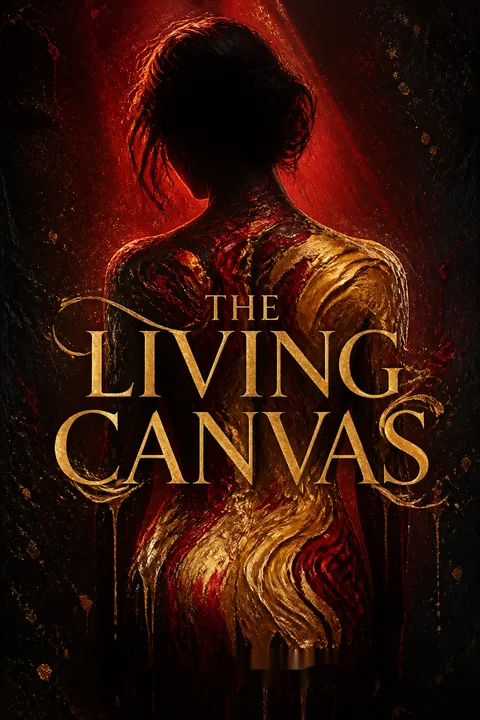
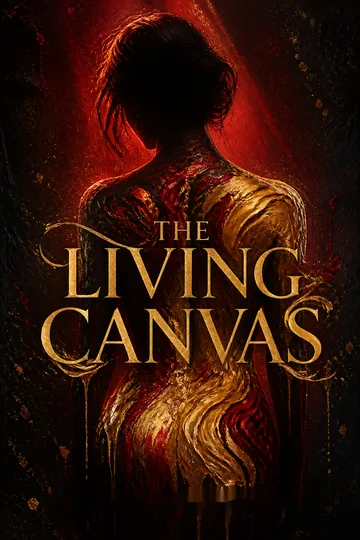
The Living Canvas
Gil proposes to Olin in the language they both understand best: a job advertisement for a living canvas, a partner, and a mother. Olin accepts, and together they build a life rooted in honesty, creativity, and mutual support. Their wedding is a testament to their journey—Olin walks down the aisle painted in Gil's art, surrounded by the family they have created. The emotional resolution is one of joy and fulfillment, as the characters embrace the future with open hearts, having finally learned to trust in themselves and each other.
Analysis
Pepper Winters' The Living Canvas is a harrowing, deeply emotional exploration of trauma, love, and the possibility of redemption. At its core, the novel interrogates the ways in which kindness and vulnerability can be both a source of strength and a vector for suffering. Through the intertwined journeys of Olin and Gil, the story examines the generational inheritance of pain and the desperate, often self-destructive attempts to break free from it. The use of body painting as a central motif is both literal and symbolic, representing the ways we are marked by our experiences and the possibility of rewriting our stories through creativity and connection. The narrative is unflinching in its portrayal of abuse, betrayal, and the corrosive power of secrets, but it is equally committed to the idea that healing is possible—if not through forgiveness, then through the forging of new, chosen families and the courage to speak the truth. Ultimately, The Living Canvas is a testament to the resilience of the human spirit, the necessity of self-compassion, and the transformative power of love that is honest, hard-won, and fiercely protective. The novel's lesson is clear: redemption is not the erasure of pain, but the willingness to create beauty from its scars.
Review Summary
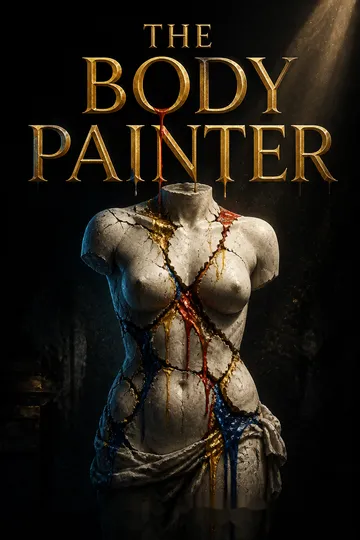
The Living Canvas concludes the Master of Trickery duet, picking up where The Body Painter left off. Readers praised the emotional intensity, suspense, and character development, particularly Gil's tortured soul and Olin's struggle with forgiveness. Some found the middle section repetitive, but most appreciated the resolution of mysteries and the exploration of love, family, and redemption. While opinions varied on pacing and plot elements, many fans of Pepper Winters found this a satisfying conclusion to the duet, with compelling characters and intense romantic scenes.


Characters
Olin Moss
Olin is the emotional heart of the story—a woman whose kindness and idealism are both her greatest strengths and her deepest vulnerabilities. Her relationship with Gil is marked by intense love, betrayal, and the struggle to reconcile forgiveness with self-respect. Olin's journey is one of self-discovery: she must learn to set boundaries, confront her own complicity in the cycle of silence, and ultimately choose herself without abandoning those she loves. Her bond with Olive is maternal and healing, offering her a sense of purpose and family she has always craved. Olin's arc is defined by resilience, empathy, and the courage to love again after unimaginable pain.
Gilbert Clark (Gil)
Gil is a man shaped by trauma—abused by his father, raped by his teacher, and manipulated by his uncle. His transformation from victim to protector is fraught with guilt, rage, and a desperate need for atonement. Gil's love for Olin and Olive is the driving force behind his actions, both noble and destructive. His artistry is both a refuge and a curse, as it becomes the medium through which he is forced to commit and atone for his crimes. Gil's psychological complexity lies in his struggle to break free from the patterns of his past and to believe that he is worthy of love and forgiveness.
Olive Clark
Olive is the living embodiment of both trauma and redemption. Born from rape and abandonment, she becomes the catalyst for Gil's transformation and the glue that binds the fractured family together. Her resilience and capacity for love are remarkable, and her relationship with both Gil and Olin is deeply healing. Olive's journey is one of survival and adaptation, as she learns to trust, forgive, and find joy in a world that has often been cruel to her.
Jeffrey Clark
Jeffrey is the architect of much of the story's suffering—a man who delights in control, cruelty, and the exploitation of others. His blackmail of Gil and kidnapping of Olive set the central conflict in motion, and his eventual death is both a moment of catharsis and a source of lingering guilt. Jeffrey's role is that of the externalized monster, but his actions also force the other characters to confront the monsters within themselves.
Jane Tallup
Tallup's abuse of Gil is the original sin that reverberates throughout the narrative. Her manipulation, rape, and abandonment of both Gil and Olive create a legacy of pain that shapes every subsequent relationship. Tallup is a study in the banality of evil—her actions are both deeply personal and emblematic of systemic failures to protect the vulnerable.
Justin Miller
Justin is the stabilizing force in the chaos—a man whose kindness and reliability offer a counterpoint to Gil's volatility. His willingness to care for Olive and support Olin is both selfless and essential to the family's survival. Justin's own need to help others is both a strength and a potential weakness, as he must learn to set boundaries and accept help in return. His relationship with Olin is platonic but deeply meaningful, and his presence allows for the possibility of healing and new beginnings.
Olive's Inner Child
Olive's psychological development is central to the story's emotional arc. Her ability to adapt, trust, and find joy in the midst of trauma is both inspiring and heartbreaking. She serves as a mirror for the adults around her, reflecting their strengths and failures, and ultimately becomes a symbol of hope for the future.
The Painted Victims
The women who are murdered and painted by Gil (under duress) are both individuals and symbols—their stories are a constant reminder of the consequences of inaction and the ripple effects of trauma. Their presence haunts the narrative, demanding justice and acknowledgment.
The Law and Society
The legal system, the media, and the court of public opinion are ever-present forces in the story, shaping the characters' fates and reflecting the broader societal failures that enable abuse and silence. The tension between justice and vengeance, punishment and rehabilitation, is a central theme.
The Living Canvas
The motif of the living canvas—Olin painted by Gil—serves as both a literal and metaphorical device. It is the site of betrayal, healing, and ultimately, union. The act of painting becomes a form of communication, a way to express what words cannot, and a means of forging a new identity from the fragments of the past.
Plot Devices
Trauma as Inheritance and Transformation
The narrative structure is built around the idea that trauma is both inherited and transformable. Gil's abuse by Tallup, his father's violence, and Jeffrey's manipulation all create a web of suffering that ensnares every character. The story uses flashbacks, confessions, and shifting perspectives to reveal how the past informs the present, and how healing is possible only through honesty and connection. Foreshadowing is used to build tension—early hints of betrayal and violence pay off in devastating ways, while moments of tenderness and hope are seeded throughout to suggest the possibility of redemption.
The Body as Canvas and Battleground
The recurring motif of body painting serves multiple functions: it is a means of control (Jeffrey's murders), a site of betrayal (Gil painting Olin), and ultimately, a path to healing (their wedding). The act of painting becomes a metaphor for the ways we mark and are marked by our experiences, and the possibility of rewriting our stories through creativity and love.
Cycles of Silence and Confession
The plot is driven by the tension between what is hidden and what is revealed. Characters are repeatedly forced to choose between silence (to protect themselves or others) and confession (to seek help or forgiveness). The narrative structure mirrors this, with key revelations timed to maximize emotional impact and force the characters to confront the consequences of their choices.
Found Family and Chosen Bonds
The story subverts traditional notions of family, showing how bonds forged in pain can be stronger than those of blood. The makeshift family of Gil, Olin, Olive, and Justin is a testament to the power of chosen relationships, and the narrative arc is one of moving from isolation to connection, from survival to flourishing.
Redemption Through Creation
Gil's journey from victim to perpetrator to healer is mirrored in his relationship to art. Painting is both the site of his greatest shame and his greatest redemption, and the narrative uses this device to explore the possibility of transformation. The structure of the story—moving from darkness to light, from destruction to creation—reinforces the theme that healing is possible, but only through vulnerability and the willingness to begin again.
Master of Trickery Duet Series Series
About the Author
Other books by Pepper Winters




Download PDF
Download EPUB
.epub digital book format is ideal for reading ebooks on phones, tablets, and e-readers.








































