
Plot Summary
Painted Wounds, Hidden Hearts
Olin Moss, desperate for work and haunted by her past, answers a strange ad for a "living canvas." The requirements are bizarre—nudity, silence, obedience—but she's out of options. The job leads her to a warehouse, where she's shocked to discover the artist is Gil Clark, the boy who once held her heart and then shattered it. Their reunion is electric, painful, and full of unspoken history. Gil is wounded, both physically and emotionally, and Olin is drawn to his pain as much as she is to his art. The warehouse, filled with the scent of paint and secrets, becomes the stage for a story of longing, regret, and unfinished business.
Reunion in Shadows
Olin and Gil's first encounter after years apart is raw and jagged. Gil tries to push her away, his anger a shield for deeper wounds. Olin, equally hurt but stubborn, refuses to leave him in pain. Their conversation is a dance of accusation and longing, each word laced with memories of their teenage connection and the heartbreak that followed. The warehouse is thick with the ghosts of their past, and neither can deny the magnetic pull between them. Olin's need for answers and Gil's need for distance set the stage for a battle neither is prepared to win.
The Canvas and the Artist
Olin's financial situation is dire, and despite Gil's resistance, she returns to the warehouse, determined to get the job. Gil, pressured by a looming commission and his own demons, reluctantly agrees. The act of painting Olin—her body bared, his hands creating art on her skin—becomes a metaphor for their relationship: intimate, exposing, and fraught with tension. As paint covers her scars and tattoos, old wounds resurface. The process is both healing and tormenting, blurring the line between art and desire, past and present.
Hunger and History
The narrative slips between past and present, revealing the roots of Olin and Gil's connection. As teenagers, they were drawn together by loneliness and need, each finding solace in the other's brokenness. Gil's home life was violent and chaotic; Olin's was marked by neglect. Their friendship blossomed into love, but secrets and shame festered beneath the surface. In the present, hunger—literal and emotional—drives them together and apart, as they struggle to reconcile who they were with who they've become.
Bruises of the Past
Gil's bruises are not just physical; they are the marks of a life spent surviving. Olin, too, carries scars—some visible, some hidden. Their shared history is a tapestry of small kindnesses and big betrayals. The story of their teenage years unfolds: stolen moments, whispered secrets, the slow build of trust, and the sudden, inexplicable rupture that left Olin alone and Gil vanished. The past is never far, coloring every interaction, every touch, every word left unsaid.
The Interview That Changed Everything
Olin's persistence pays off: Gil hires her as his canvas for a high-profile commission. The work is grueling, intimate, and emotionally charged. As Gil paints her, their bodies remember what their minds try to forget. The act is both a reunion and a reckoning, forcing them to confront the pain they caused each other. But the job is more than art—it's a lifeline for Gil, who is entangled in something dangerous and refuses to let Olin in. The commission's deadline looms, and so does the threat that shadows Gil's every move.
Unraveling Old Scars
During a painting session, Gil discovers the tattoo that covers Olin's back—a tapestry of animals starting with "O," a tribute to the nicknames he once gave her. The tattoo hides scars from a car accident that ended Olin's dance career. The revelation is a gut punch for both: Olin's vulnerability laid bare, Gil's guilt and longing exposed. Their conversation is raw, circling the pain of the past and the impossibility of moving forward. The warehouse becomes a confessional, but forgiveness is elusive.
The Price of Protection
Gil's life is not just haunted by memories—he is actively threatened by a violent man who holds power over him. Olin witnesses an attack and realizes Gil is being blackmailed, forced into submission by threats to someone he loves. The danger is real and immediate, and Olin's instinct is to help, but Gil's pride and shame keep her at arm's length. The price of protection is steep, and both are forced to confront the limits of what they can sacrifice for each other.
Tangled in Temptation
The tension between Olin and Gil erupts in a series of passionate, desperate encounters. Sex becomes both a balm and a weapon, a way to remember and to forget. Each touch is laced with regret and longing, each kiss a plea for forgiveness. But the physical connection cannot erase the emotional chasm between them. The more they give in to temptation, the more they risk losing themselves—and each other—to the darkness that surrounds them.
The Monster in the Mirror
Gil's past is a labyrinth of pain: abuse, poverty, and a devastating betrayal by someone meant to protect him. Flashbacks reveal the truth behind his disappearance from Olin's life—a teacher's predation, a forced silence, a sacrifice made to save Olin's future at the cost of his own soul. The monster is not just the man who blackmails him, but the shame and self-loathing that Gil cannot escape. Olin, too, is forced to confront the monsters in her own mirror: the fear of abandonment, the ache of dreams deferred.
The Art of Survival
As the threats escalate, Olin and Gil are pushed to their limits. The police close in, suspecting Gil's involvement in a series of murders where victims are painted and hidden in plain sight. Olin's faith in Gil wavers as evidence mounts, but her heart refuses to let go. Gil, desperate to protect Olin and another innocent, is forced to make a choice no one should have to make. The art that once saved him now becomes a weapon, and survival means betraying everything he loves.
The Truth Beneath the Paint
The truth comes out in fragments: Gil is being blackmailed by the real killer, forced to paint victims to save someone he loves. The "Olive" he dreams of is not another woman, but his daughter—a child he never knew, the product of his own abuse. The man who torments him holds Olive hostage, demanding Gil's obedience in exchange for her life. Olin, devastated but resolute, refuses to abandon Gil, even as he prepares to sacrifice her to save his child. The lines between victim and perpetrator, love and hate, blur beyond recognition.
The Locked Room
The locked room in Gil's apartment is both literal and symbolic—the place where he hides his pain, his daughter, and the truth. Olin's determination to help is met with Gil's desperate attempts to keep her safe by pushing her away. The past and present collide as Olin uncovers the full extent of Gil's suffering and the impossible choices he's been forced to make. The cost of silence is measured in lives, and the only way out is through the truth.
The Choice No One Wants
The blackmailer's ultimatum is clear: Olin's life for Olive's. Gil is trapped, forced to choose between the woman he loves and the daughter he never knew he had. Olin, finally understanding the depth of Gil's torment, offers herself willingly, determined to save both Gil and Olive if she can. The warehouse becomes a crucible, burning away all pretense and leaving only the raw, unbearable truth. Love is not enough to save them, but it is the only thing they have left.
Love's Final Sacrifice
In the end, Gil's love for Olin and Olive drives him to the brink. He confesses everything, lays bare his soul, and prepares to pay the ultimate price. Olin, refusing to be a passive victim, fights for her own survival and for Gil's redemption. The story ends not with a neat resolution, but with the promise of a new beginning—a living canvas, still unfinished, still full of possibility. The scars remain, but so does hope.
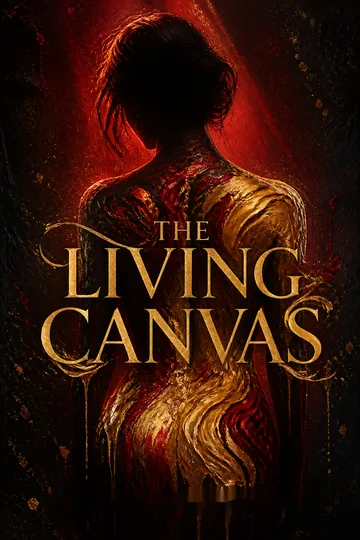
The Living Canvas
The aftermath is messy, the wounds still fresh. Olin and Gil are forever changed, their love tested and tempered by fire. The living canvas is not just Olin's body, but their shared life—a work in progress, marked by loss and longing, but also by resilience and grace. The story closes with the sense that healing is possible, even if forgiveness is not. The past cannot be erased, but it can be transformed, one brushstroke at a time.
Analysis
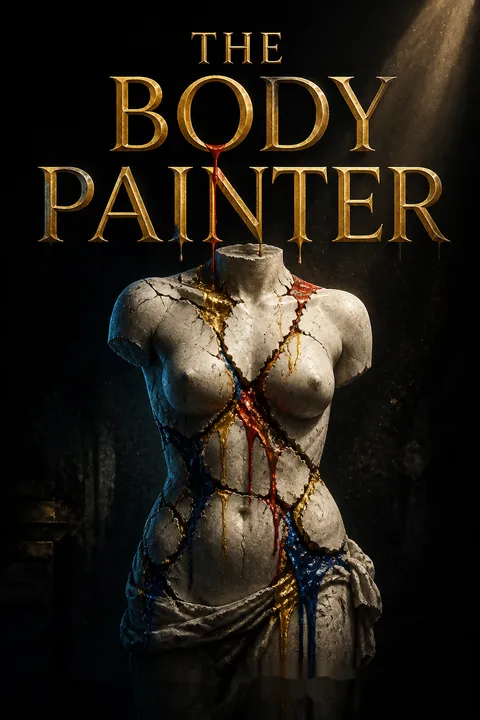
A story of trauma, love, and the cost of silenceThe Body Painter is a dark, emotionally charged exploration of the ways in which pain shapes identity and love. At its core, the novel is about survival—how we endure the unendurable, how we find beauty in brokenness, and how we seek connection even when it seems impossible. The dual timelines and shifting perspectives invite the reader to empathize with both Olin and Gil, to see the world through the eyes of the wounded and the healer, the victim and the survivor. The use of body painting as a central metaphor is both original and powerful, highlighting the tension between hiding and revealing, between artifice and authenticity. The novel does not offer easy answers or tidy resolutions; instead, it insists on the messiness of healing and the necessity of forgiveness—not just of others, but of ourselves. In a world where trauma is often hidden and voices are silenced, The Body Painter is a testament to the power of truth, the resilience of the human spirit, and the possibility of redemption, even in the darkest of circumstances.
Review Summary
The Body Painter receives mixed reviews, with ratings ranging from 1 to 5 stars. Many readers praise Winters' writing style and the intense emotions evoked by the story. However, some find the plot repetitive and frustrating, citing the constant push-pull dynamic between the main characters. The book's dark themes and cliffhanger ending are polarizing elements. While some readers eagerly anticipate the sequel, others express disappointment with the pacing and character development. Overall, the novel's unique premise and passionate romance generate strong reactions among readers.
Characters
Olin Moss
Olin is a woman marked by loss—her dance career ended by a tragic accident, her family absent, her heart broken by Gil's disappearance. She is fiercely independent, yet drawn to the wounded and the lost, compelled to heal others even as she struggles to heal herself. Her relationship with Gil is the axis of her emotional world: a source of both profound joy and deep pain. Olin's journey is one of reclaiming agency, learning to demand answers, and refusing to be a passive victim. Her scars—both physical and emotional—become symbols of survival, and her willingness to forgive is both her greatest strength and her greatest vulnerability.
Gilbert (Gil) Clark
Gil is a man shaped by trauma: childhood abuse, poverty, and a devastating betrayal by a trusted teacher. His talent as a body painter is both a gift and a curse, a way to transform pain into beauty but also a means of survival in a world that has never been kind. Gil's relationship with Olin is fraught with guilt and longing; he pushes her away to protect her, but cannot let her go. The revelation that he has a daughter, Olive, held hostage by a sadistic blackmailer, adds another layer of torment. Gil's psychological complexity is rooted in shame, self-loathing, and a desperate need to atone for sins both real and imagined. His journey is one of seeking redemption, even as he fears it is forever out of reach.
Justin Miller
Justin is the steady presence in both Olin and Gil's lives—a friend to both, a former boyfriend to Olin, and a reluctant confidant to Gil. He represents the path not taken: stability, kindness, and a life unmarked by trauma. Justin's role is to offer support without judgment, to be the voice of reason when emotions run high. His own pain—rejection, loneliness, the burden of watching those he cares for self-destruct—adds depth to his character. Justin's loyalty is unwavering, but he is not immune to frustration and hurt.
Olive
Olive is the daughter Gil never knew he had, the product of his own abuse at the hands of a teacher. Her existence is both a miracle and a curse, the reason for Gil's torment and the catalyst for his ultimate sacrifice. Olive is largely absent from the narrative, but her presence haunts every decision Gil makes. She represents the possibility of redemption, the hope that something good can come from unimaginable pain.
Ms. Tallup
Ms. Tallup is the teacher who abuses her position of trust to exploit Gil, setting in motion the chain of events that leads to his downfall. Her manipulation is insidious, her cruelty masked by authority and respectability. She is both a literal and symbolic monster, embodying the betrayal of innocence and the corruption of power. Her actions leave scars that shape Gil's entire life, and her legacy is one of silence, shame, and suffering.
The Blackmailer (Gil's Father)
The man who holds Gil in thrall is a figure of menace and manipulation—a father, a criminal, a sadist. He is the architect of Gil's misery, using threats, violence, and the abduction of Olive to force Gil's compliance. His power is absolute, his cruelty unrelenting. He represents the inescapable grip of the past, the cycle of abuse that Gil cannot break without sacrificing everything.
Olin's Parents
Olin's parents are physically present but emotionally absent, providing material support but no love or guidance. Their neglect shapes Olin's need for connection and her compulsion to heal others. They are a reminder that wounds can be inflicted by what is withheld as much as by what is given.
The Painted Victims
The women who are murdered and painted are both literal victims and symbolic reflections of Olin and Gil's own suffering. Their invisibility, their silenced voices, and their transformation into art are metaphors for the ways in which pain is hidden, denied, and aestheticized. They haunt the narrative, reminders of the stakes and the cost of silence.
The Police (Officers Hoyt and Marlow)
The police are both protectors and accusers, investigating the murders but also suspecting Gil. Their presence adds pressure and urgency, forcing Olin and Gil to confront the truth. They represent the limits of institutional help, the difficulty of seeking justice in a world where victims are not always believed.
The Warehouse
More than just a setting, the warehouse is a character in its own right—a place of creation and destruction, intimacy and isolation. It is where Olin and Gil's love is rekindled and where it is tested to the breaking point. The warehouse holds their secrets, their art, and their pain.
Plot Devices
Dual Timelines and Shifting Perspectives
The novel employs a dual timeline structure, alternating between Olin and Gil's teenage years and their present-day reunion. This device allows the reader to see the roots of their connection, the seeds of their pain, and the ways in which the past continues to shape the present. The shifting perspectives deepen the emotional resonance, offering insight into both characters' inner worlds and the misunderstandings that keep them apart.
The Living Canvas as Metaphor
The act of body painting is both literal and symbolic—a way to cover scars, to transform pain into beauty, to communicate what words cannot. The living canvas becomes a site of vulnerability and power, a place where Olin and Gil confront their wounds and their desires. The process of painting and being painted is a metaphor for the ways in which we try to rewrite our stories, to reclaim agency, and to find meaning in suffering.
Foreshadowing and Suspense
The narrative is laced with foreshadowing: ominous warnings, mysterious bruises, unexplained absences, and the ever-present threat of violence. The murders of the painted girls cast a shadow over the story, raising questions about Gil's involvement and the true nature of the danger he faces. The use of suspense keeps the reader on edge, unsure of who can be trusted and what secrets remain hidden.
The Locked Room and the Unspoken Secret
The locked room in Gil's apartment is a recurring motif, symbolizing the secrets he keeps and the pain he cannot share. The gradual revelation of what lies behind the door parallels the slow unspooling of the truth about Gil's past and the sacrifices he has made. The device underscores the theme that healing requires honesty, and that some doors must be opened, no matter the cost.
The Ultimatum and the Impossible Choice
The blackmailer's demand—Olin's life for Olive's—forces Gil to confront the limits of his love and the price of survival. The ultimatum is a classic plot device, but here it is rendered with emotional complexity and moral ambiguity. The choice is not between good and evil, but between two equally unbearable losses. The device heightens the stakes and drives the narrative to its devastating climax.
Master of Trickery Duet Series Series
About the Author
Other books by Pepper Winters


Download PDF
Download EPUB
.epub digital book format is ideal for reading ebooks on phones, tablets, and e-readers.








































