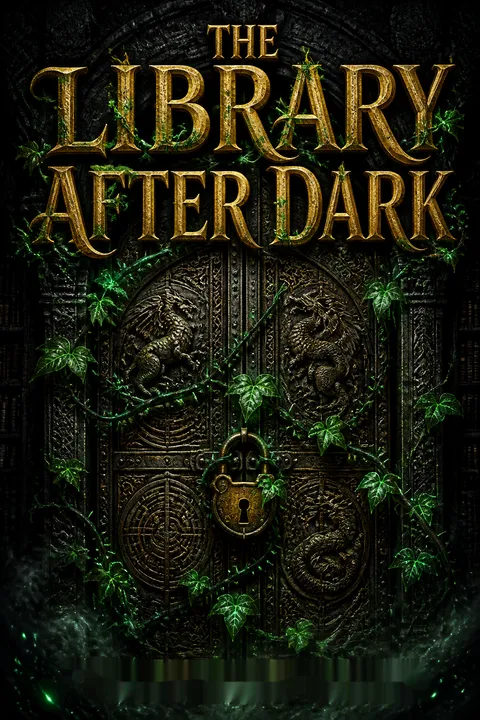

Plot Summary
The Invitation: Night Unfolds
On a snowy night in New York City, an exclusive after-dark tour at the infamous Daedalus Library draws a motley group of strangers. Librarian Saskia Voss welcomes them inside, reciting the library's macabre legends, especially those surrounding The Dark Hearth Tales—a rare anthology of gruesome fairy tales which has supposedly left a trail of cursed and dead owners. Among the guests, Aria, a conflicted bookseller with a mysterious past, clings to her new boyfriend, Jasper, an architect hiding his own agenda. The library's haunting atmosphere immediately unsettles the group, but beneath smiles, several harbor pressing, secret reasons for accepting their invitations. As the doors close, anticipation and dread intermingle, signaling that tonight, the stories hidden in the library may no longer remain fiction.
Guests Assembled, Secrets Stirred
The tour's guest list is as complex as the labyrinthine halls: a nurse hoping for redemption; a rare book expert hiding guilt; an acclaimed horror author; a sharp, investigating journalist; a teacher with more knowledge than he reveals; and others circling around Aria and Jasper's tense romance. Each is haunted by loss or secrets entangled with the Daedalus Library's notorious history. Evangeline Riordan, the recently deceased founder, looms over all: a woman tied to multiple mysterious deaths, a vanished daughter, and a rumored heir. Admission waivers signed, the guests surrender coats—and phones—sealing themselves from the world. As lights flicker and the sense of surveillance grows, alliances and suspicions spark. The library's shadowy legacy seems poised to claim yet more stories—real ones.
Library's Labyrinth Revealed
The library transforms from gothic curiosity to sinister maze. Guided rooms evoke their infamous lore: marble death masks, faux forests, poison-green books—all grim tribute to mortality and madness. Guests learn of past accidents, each echoing tales in The Dark Hearth anthology, heightening the group's anxiety. Aria's memories—intimately blended with the library's darkest corners—press on her, even as Jasper tries to keep her close and calm. The tour's mood careens between wonder and claustrophobia; corridors once safe now threaten. Cameras seem to follow every movement, suggesting the line between observer and predator has blurred. The interlocking secrets of building and people suggest this night is not only a tour, but a trap sprung by fate.
Fairy Tales and Fatal Masks
In the Poe Room, among busts and poetic ghosts, the group debates the deaths in Daedalus: are they freak accidents, supernatural curses, or methodical cruelty? A hidden door puzzles Aria, raising childhood specters, as other guests relive brushes with the library's past—friendships, losses, even supposed hauntings. Librarian Saskia and Callum the scholar joust over forgeries and provenance, hinting at forgeries deeper than ink. Meanwhile, Ruth, the retired nurse, slips away in search of evidence that could clear her own stained reputation. The party begins to fracture, suspicion growing alongside the library's own cultivated unease. Legends here are living things, feeding on truth.
Rituals, Fears, and Folly
The group gathers in the Orient Express Lounge, wooed by cocktails and vintage décor, yet anxieties persist. Over drinks, Piper, the journalist, presses guests for secrets; Michelle, the author, reveals how Daedalus legends shaped her career and trauma. The conversation grows darker—serial killers, family curses, the massive mythos around The Dark Hearth Tales. Ruth's surreptitious theft of Saskia's key card sets her on a collision course with what she hopes will exonerate her, and possibly others, from Evangeline's legacy. Suddenly, the night's veneer ruptures with alarms and a medical crisis. The library is no longer only a haunted house, but a closed circle—one about to be broken by death.
Elevator Descent: Into Darkness
When the library's antique elevator plummets, panic ignites. The guests, now shaken and injured, are forced to reckon with the real peril they're in—accident or design? Ruth's search for the truth, driven by her need for justice and survival, places her near the library's records; her subsequent collapse signals that tonight's threats are all too physical. The group, restless and fractious, starts to realize: the night has turned from a game to deadly stakes. Rooms, each themed with myths, now feel like traps. As one guest dies horribly before their eyes—symptoms defying natural explanation, echoing the old tales—the group must decide: trust, accuse, or survive alone?
Locked Doors, Deeper Lies
Ruth dies in agony, echoing fairy-tale punishments, and with her death, the illusion of safety vanishes. Locked doors, inexplicably sealed, heighten the sense of method behind the madness. The guests turn on each other, old debts and suspicions surfacing: who invited whom? Who benefits from death? Paranoia grows as alliances splinter and the possibility of a killer—human or inhuman—among them becomes undeniable. Clues in the waivers, and in the manner of the murders, point chillingly toward the stories of The Dark Hearth Tales and the obsessions of the Riordans. Many begin to unravel, and leadership shifts to those resourceful enough to wield truth as both shield and weapon.
Poison Books and Blood Memory
Trapped in a room of arsenic-laced books, Aria—physically poisoned, emotionally unmoored—faces the depth of her own trauma. Jasper comforts her, but his carefully constructed persona cracks, revealing more than romantic intent. Meanwhile, the web of lies among the guests strains to breaking: the antique collection is revealed to be a forgery, a layering of fakes over real blood. As physical and psychological boundaries erode, allegiances become truly desperate. The murders, now echoing The Dark Hearth's grisly tales, demand the group surrender their secrets before any of them can hope to leave alive.
Confessions Among Candlelight
Callum, the rare books scholar, crumbles under guilt, confessing to past blackmail of Evangeline Riordan—an act that bought both his silence and the library's further damnation. Other guests, driven by shame and survival, spill truths: past betrayals, accidental deaths, and sins of omission. Saskia's carefully controlled authority wavers, hinting at deeper investment than mere employment. Much of the night's pattern—arrivals, deaths, room closures—is revealed as constructed intentionally, ensuring certain victims and certain survivors. The reality: the library's curse is no fantasy, but the legacy of its founders' crimes, passed—like a poisoned chalice—from generation to generation.
Games of Trust and Deceit
As the body count rises, alliances blur. Piper and Wes, separated, debate complicity and escape; is the only way out to destroy evidence, or each other? Jasper's badge is revealed—a detective, or a thief with noble intent? Aria is forced into a reckoning: her old loves, losses, and crimes are no longer buried in plaster and fiction. Friends are exposed as rivals; family ties are threaded with blood and jealousy. The group's spiraling panic mirrors the stories they once dismissed, prompting the realization—fairy tales are often survival guides in disguise.
Serial Deaths and Cursed Books
Michelle becomes a casualty, killed by the very implements of the library's collection, her death echoing The Dark Hearth Tales in chilling detail. The group realizes: each killing is staged, mimicking or subverting a particular story—ritualized punishment, poetic justice, or twisted inheritance. The remaining guests scramble to anticipate next moves: deciphering which tale they inhabit, and who among them is writing it in blood. Truths about the book—its history, its forgeries, and the stains on its binding—come to light. No one is left unscarred: physically, psychologically, or morally.
Revelations at the Guillotine
Pieces click into place—a conspiracy rooted in the library's founding, with Evangeline and her daughter at the heart. The evidence, hidden in the book's literal binding, ties present deaths to the original blood that sanctified the library's supposed rarest treasure. Identities are inverted: heirs are impostors, impostors are heirs. Aria, long believed to be the lost Riordan granddaughter, is revealed to be an outsider—fostered, loved, and exiled. The true heir has been hiding in plain sight. Survival now depends on rewriting the library's story against fate and against old curses—mythical and real.
Murder and the Maiden's Guilt
The final confrontation descends into the library's literal and symbolic heart, the vault where real and metaphorical skeletons gather dust. Aria reveals a murder she committed as a child—her own foster mother and the library's original heir—and claims the guilt that's haunted her into adulthood. The true motives for all—theft, revenge, inheritance, justice—collide. Rory, the true Riordan successor, is herself revealed as orchestrator of the night's slaughter, her motivations twisted by love, abandonment, and the long shadow of family violence. As the sisters face each other in blood and confession, everything turns on the question: is inheritance a curse, or a chance for freedom?
Vaults, Truths, and Ghosts
The survivors—Aria and Jasper—must navigate both the legal and personal fallout. With the library's real and fake treasures in their hands, they choose which stories carry forward, and which remain buried. Both have betrayed, both have killed. But in honest confession to the authorities, and to each other, they find the beginnings of imperfect peace. Old wrongs are atoned for; those who died for the library's secrets are acknowledged. Letters from Evangeline reveal the complex, wounded humanity behind the "witch" who constructed the legend. The book's curse is not magic, but the power of a story believed too well, and a home reclaimed with open eyes.
Blood, Bargains, and Family
The dust settles: the authorities arrive, heirs are named, and the library's legal fate is handed off in accordance with wills and confessions. Aria confronts the possibility of something better than expiation—she might, after all, have a place and a home. Jasper, mourning his lost cousin, finds a kin in Aria, both accepting and loving each other as survivors and monsters alike. What stories are left for others to inherit is no longer theirs to control. Instead, a new beginning—often uncomfortable, always uncertain—emerges from honest reckoning.
Inheritance of Monsters
Time passes, and Aria is acquitted. The Daedalus Library's fate is handed over to her and Rory's legacy, as final heirs and ghosts. Each has blood on their hands and a lifetime of lies behind them, but find acceptance in mutual understanding: none of us are only villain or victim, hero or monster. The cursed book, and the library itself, become living testaments to the redemptive (and ruinous) power of stories—what is hidden can be found, what is confessed can begin to heal. Jasper remains by Aria's side, not as judge or jailor but as witness and partner in the messy, ongoing rewriting of their own legends.
Escape Through the Iron Door
In the end, escape is neither magical nor guaranteed; it is the hard-won exit into a world that acknowledges all the library's ghosts, but no longer lets them dictate the story. Aria reads Evangeline's final letter, learning she was always seen—and always loved, despite everything. In this forgiveness, and in Jasper's arms, Aria finally comes home, forging a path through darkness: not toward a fairy-tale ending, but a real life, the lone iron door now unlocked.
Analysis
The Library After Dark interrogates the nature of inheritance—of violence, shame, and story itselfAnde Pliego's novel is at once a gothic mystery, a metafictional treatise on the tyranny and power of narrative, and a psychological portrait of generational trauma. In the world of Daedalus Library, fairy tales are not simply stories but blueprints for survival and execution; to believe a story is often to make it real. The book lampoons our love of mythmaking: families rewrite their sins as curses or legends, institutions construct elaborate pageants to protect legacies, and individuals mistake victimhood for innocence or heroism. Through Aria, Rory, and the cast of flawed, secret-laden guests, Pliego traces how trauma repeats itself—how monsters are both created and chosen. Ultimately, the novel asks: Can we ever be more than the stories told about us? Can confession, even of the worst, be redemptive? The answer is neither pat nor damning. The final, deeply earned gesture—Aria's acceptance of forgiveness, and of home, from both herself and others—suggests that while stories can kill, they're also how survivors go on living.
Review Summary
People Also Read
Characters
Aria Stokes (Ariadne)
Aria's journey is one of exile and identity. Taken in by Evangeline after her mother's death, she is raised amidst privilege but marked by trauma—trapped in a labyrinth of unprocessed horror and guilt. Not the Daedalus's "lost heir," as everyone assumes, Aria is a foster child scapegoated and sent away after witnessing and ultimately causing violence in her adopted family. Her psyche is scarred by abandonment, self-loathing, and the fear of becoming a monster herself. Yet, throughout the deadly tour, she displays grit, intelligence, and capacity for brutal honesty—as well as capability for lethal violence under threat. Her arc is one of self-knowledge: daring to confront the worst thing she's done and still reach for acceptance, love, and agency. Her relationship to others is complex: she loves Rory deeply, fears Jasper, pities Evangeline, and in the end, proves strongest where others have broken.
Jasper Knox (Iverson)
Jasper appears initially as a charming architect and Aria's careful, tender boyfriend. As the plot spirals, he is revealed to be both a rare book thief and the cousin of Wes—scion of the disgraced Iverson family who originally forged The Dark Hearth Tales. Driven by desperation to save his family from criminal exposure, Jasper orchestrates the tour as a heist but becomes morally entangled far beyond his brief. His manner is calculating but not cold; when violence breaks out, Jasper acts with courage and self-sacrifice, risking himself for others he was meant to manipulate. He is wracked by guilt over Wes's death, and his honesty with Aria is hard-won. The relationship with Aria is emotionally fraught: manipulation gives way to genuine care, and their shared trauma forges uneasy kinship and romance. Ultimately, Jasper's complexity lies in his willingness to admit fault and to protect those he loves—even at cost to himself.
Rory Riordan (Piper)
Introduced as perky journalist Piper, Rory is the library's hidden inheritor and Aria's lost sister in all but blood. Driven by abandonment and family betrayal, she engineers much of the tour's bloodshed: inviting blackmailers and potential threats to eliminate witnesses and secure her legacy. Rory's motivations are twisted by grief, loss, and misinterpretation—believing Evangeline (her grandmother) to have killed her mother and rejected Aria out of malice. Her confrontation with Aria is the novel's psychological nucleus: love, hatred, jealousy, and the desperate need for home war within her. Her ultimate act of violence is as much a plea for connection as it is a bid for freedom. Rory's tragedy is repeating the sins she despises, and the book frames her as both sympathetic victim and monstrous inheritor.
Saskia Voss
Presenting as the by-the-book tour guide, Saskia is actually on her own quest—to uncover the fate of her missing brother, a restorer who vanished at Daedalus. Equal parts compassionate and ruthless, she manipulates events to access and examine The Dark Hearth Tales, believing it contains evidence tying Evangeline to murder. Her morality is defined by a survivor's pursuit: closure, truth, and a willingness to sacrifice others' peace for her aim. She mirrors Aria as a woman trapped by both family bonds and the sins of others, ultimately meeting her end after delivering the final proof—her life's goal, attained too late for healing.
Callum Greene
Callum represents the self-deceiving intellectual: once a seeker of forbidden knowledge, he allows himself to blackmail Evangeline for access and funds, rationalizing as a necessary evil to "save others." His emotional arc wavers between arrogance, cowardice, and deep regret. Callum's confession and ultimate sacrifice at the locked gate mark his final stand against the consequences of silence. He is haunted by Michelle's death and collapses not only from a literal wound, but the realization that justice was always his to claim and failed.
Michelle Baudelaire
Michelle, the horror author shaped by her residency, is a vessel for the library's wounds and secrets—imagining patterns, making sense of loss and fear through fiction. Her connection to multiple guests, and her own brush with the library's ghosts, position her as both chronicler and casualty. Michelle's fate, echoing the stories that made her name, embodies the book's main question: do we inherit stories, or do stories inherit us? Her presence is the heart of the library's artistic legacy, and her absence a measure of its cost.
Ruth Howard
Ruth's arc is that of the nurse scapegoated for Evangeline's death, seeking evidence to clear her name and restore dignity before being exiled from her city and son. Her compassion is genuine, but her role in witnessing confessions—true or false—marks her as both oracle and fractured vessel. Her death, echoing a fairy tale's punishment, suggests that innocence and guilt are never purely the victim's or the survivor's.
Wes Martinez (Iverson)
Wes is at once the jokester and emotional anchor for several characters, including Jasper. His secret—being another Iverson—complicates the web of inheritance and the stakes of the book's exposure. Wes's ultimate sacrifice is both a bid for redemption and a symbol of how family legacies can claim even those who try to escape them.
Evangeline Riordan
In life, Evangeline is both savior and jailor, abuser and protectress—a matriarch defending family and reputation at any cost. Her personal history is one of violence, sacrifice, and immense loneliness. In death, her letters and stories reveal that forgiveness is always possible, but repair can only be attempted, never guaranteed. Evangeline's ghost hovers over every room and every character; her ultimate bequest to Aria is not home or title, but the freedom to choose what the library means next.
The Dark Hearth Tales (object/symbol)
The book at the Daedalus's core symbolizes how stories can save, wound, and destroy. Forged, bloodstained, smuggled, and fought over, it is the vector through which all characters' motives collide—wanting proof, absolution, power, or erasure. Whether or not it is "real" is less important than the effect it has: to lure out secrets, to fuel deaths that follow mythic logic, and to force the living to decide what kind of legacy—truth or fiction—they want to leave in their wake.
Plot Devices
Multi-layered Narrative, Fairy Tales As Blueprint
The novel's ingenious device is using the architecture—and architecture of story—as both setting and structure. Not only does the library morph into a maze reflecting its characters' fears and sins, but the murders that unfold parallel the tales in The Dark Hearth anthology, each re-enacted like a ritual or curse. Sections "interpolate" tales-within-the-tale, serving as both clues and thematic keys. The narrative fractures between multiple perspectives and timelines; the layering of confessions, unreliable narration, and retrospective analysis mirror the process of uncovering (and re-covering) family secrets and public lies. Throughout, foreshadowing is deft—family names, rooms, and props placed early become weapons or evidence later. The storytelling structure comments on itself: what begins as a ghost tour becomes a whodunit, a locked-room mystery, a fairy-tale pastiche, and finally, a tragedy where the question is not merely who survives, but who can live with what they inherit.
Download PDF
Download EPUB
.epub digital book format is ideal for reading ebooks on phones, tablets, and e-readers.








































