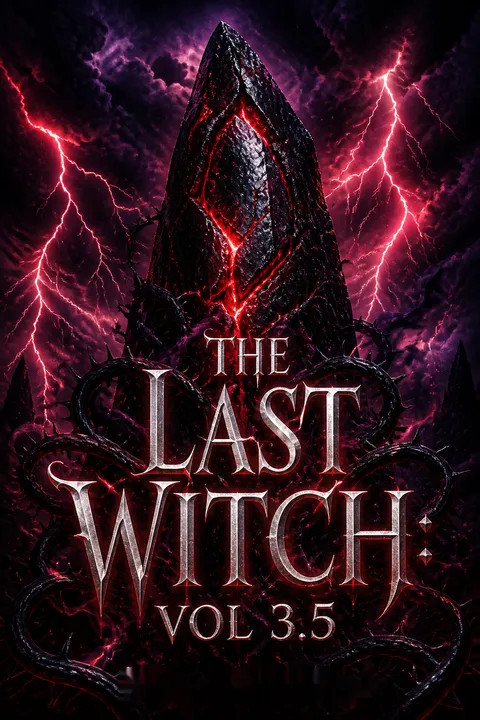

Plot Summary
Nightmares and New Beginnings
Lilly, the Arcane Witch, is tormented by nightmares of past violence and the fear of losing her daughter, Callie. Six months after returning to the magical Arcane Realm, she tries to embrace a new life with her partner Gabriel and their child. Despite the idyllic setting and the absence of human threats, Lilly's scars—both physical and psychological—remain raw. Her family's love is her anchor, but the weight of her past and the responsibility of protecting Callie, the next Arcane, keep her on edge. The chapter sets the tone of hard-won peace shadowed by persistent dread, as Lilly's dreams blur with reality, and the safety of her loved ones feels perpetually fragile.
Family Bonds and Fragile Peace
Lilly's mornings are filled with the laughter of Gabriel and Callie, the warmth of their home, and the comfort of close friends like Amara and Collins. The community thrives, children play, and magic is woven into daily life. Yet, beneath the surface, everyone carries memories of trauma and loss from the human world. Bias, a friend haunted by his own darkness, disappears again, worrying Lilly and the others. The family's attempts at normalcy are constantly threatened by the fear that the past could return. Even in moments of happiness, the characters are vigilant, aware that peace is delicate and must be fiercely protected.
Shadows in the Village
A series of mysterious disappearances in the village shatters the sense of security. Council members report missing witches, and evidence of struggle suggests foul play. The community is unsettled, and suspicion falls on "The Stolen," a group of witches who reject their magical heritage and live in squalor, longing for the human world. Lilly, Gabriel, and others investigate, balancing compassion for the suffering with the need to protect their own. The tension between integration and isolation, trust and fear, grows as the threat becomes more tangible, and the village's unity is tested by the unknown danger lurking nearby.
The Stolen and the Suffering
Lilly confronts The Stolen, witnessing their misery and self-imposed exile. Despite repeated offers of help, they cling to their old identities, blaming Lilly for their predicament. The encounter is fraught with religious zealotry, accusations, and the heartbreaking sight of children suffering. Lilly's compassion is fierce—she heals a dying baby and persuades some to join the village, but many remain trapped by their beliefs. The chapter explores the limits of empathy, the corrosive power of hate, and the moral imperative to intervene when children are at risk, even if it means overriding the will of their parents.
Unsettled Magic, Unseen Threats
Lilly's struggle with her own magic intensifies. A nightmare triggers a catastrophic magical surge, nearly drowning her family. The incident leaves her shaken and guilt-ridden, convinced she's a danger to those she loves. Seeking control, she crafts a binding spell to suppress her powers during sleep. But the world offers no respite: a chilling, unnatural scream draws her into the woods, where she witnesses a unicorn's brutal murder by a cloaked figure wielding dark magic. The event signals that something ancient and malevolent is awakening, and that the Arcane Realm's peace is under dire threat.
The Unicorn's Lament
Lilly tries desperately to save the dying unicorn, feeling its pain and fear as her own. The unicorn's death poisons the land, and the attacker escapes, leaving Lilly bloodied and furious. Her father finds her, and together they mourn the senseless violence. The unicorn's murder is not just a crime against nature, but a harbinger of dark magic returning to the world. The scene deepens Lilly's resolve to protect her family and community, even as she grapples with her own limitations and the knowledge that her enemies are growing bolder and more powerful.
Dark Magic Unleashed
Lilly, Gabriel, and their allies investigate the unicorn's death and the missing villagers. Clues point to the use of forbidden dark magic, echoing the atrocities of the past. The group learns that someone is harvesting magical creatures and witches for a ritual, seeking to unlock dormant powers through blood and sacrifice. The threat is both external and internal, as betrayal emerges from within their own ranks. The chapter weaves together personal trauma, communal responsibility, and the looming specter of a new, more insidious evil.
Bloodlines and Betrayals
The true enemy is revealed: Ash, a witch with a claim to the Arcane bloodline, raised in cruelty and obsessed with power. Alongside Clara, his adoptive mother, and Ava, a vengeful figure from Lilly's past, Ash orchestrates a ritual to seize the Arcane's magic. The narrative delves into the dark history of the Hooper and Theydon bloodlines, the origins of the Arcane, and the consequences of love denied. Betrayal cuts deep as trusted friends are unmasked as enemies, and the cost of past sins comes due in the present.
The Arcane's Awakening
As Ash's ritual unfolds, Lilly and Gabriel are captured, and Callie is threatened. The ritual demands the blood of witches representing each magical realm, and Ash intends to use Callie as a conduit to the Arcane's power. In a moment of terror and love, Callie's magic awakens, manifesting in a storm of red lightning that disrupts the ritual. The scene is a crucible of pain, courage, and the unbreakable bond between mother and daughter. Callie's transformation signals both hope and new danger, as her power is now a beacon for those who would exploit it.
The Bloodstone Ritual
The ritual at the Bloodstone reaches its horrific climax. Ash, Clara, and Ava slaughter witches to fuel their dark spell, and Lilly is forced to watch Gabriel bleed out. In a final act of defiance, Lilly is mortally wounded, and Callie is dragged into the Bloodstone—a portal to a hellish realm. The chapter is a harrowing descent into loss and helplessness, as the family's worst fears are realized and the boundaries between life and death, love and hate, are shattered.
Descent into Darkness
Lilly and Callie are trapped in the Dark Realm, a place of agony and corruption. Ash, transformed by the darkness, becomes a monstrous adversary. Yet, the love and determination of Gabriel, who calls to them with his Mental magic, provides a lifeline. Lilly and Callie escape the abyss, returning to the world scarred but alive. The ordeal cements their bond and reaffirms the power of love and unity in the face of overwhelming evil.
Sacrifice and Survival
The survivors regroup, tending to the wounded and mourning the dead. The Bloodstones are destroyed, and the Dark Coven is hunted down. Ava, the last enemy, is imprisoned and condemned to relive Lilly's memories as punishment. The community is forever changed—scarred, but stronger. Lilly erases Callie's traumatic memories, determined to spare her daughter the burden of pain. The chapter is a meditation on justice, mercy, and the price of survival in a world where darkness is never fully vanquished.
Scars, Secrets, and Hope
Life resumes, but the scars—physical and emotional—remain. Callie's red hair marks her as the new Arcane, and the community rallies to protect and nurture her. Yet, visions warn of future threats: a man with blue lightning, a prophecy of betrayal, and the possibility that evil may rise again from within. The legacy of trauma is confronted with honesty and resolve, as Lilly and her allies vow to break the cycle of violence and secrecy for the next generation.
The Next Generation
The story closes with a glimpse of the future: Callie, now aware of her destiny, prepares to defend the Arcane Realm. New children manifest their powers, and the community faces the challenge of guiding them wisely. Secrets are kept to protect the innocent, but the past is never far behind. The final note is one of hope tempered by vigilance—a promise that the Arcane's legacy will endure, and that love, courage, and unity are the true sources of magic.
Analysis
The Last Witch: Vol 3.5 is a powerful meditation on trauma, legacy, and the struggle to build a better world in the aftermath of unimaginable suffering. M.J. Lawrie crafts a narrative that is both intimate and epic, centering on the psychological scars of her characters and the ways in which love, community, and courage can break cycles of violence. The book interrogates the ethics of power—how it is inherited, wielded, and abused—and the responsibilities that come with it. Through the lens of fantasy, Lawrie explores real-world issues: the impact of abuse, the dangers of secrecy, the complexities of forgiveness, and the hope that comes from collective healing. The story's emotional resonance lies in its refusal to offer easy answers; instead, it insists that peace is a daily, hard-won choice, and that the true magic lies in the bonds we forge and the futures we dare to imagine. The final message is clear: the past may haunt us, but it does not have to define us, and the next generation can inherit not just our pain, but our hope.
Review Summary
The Last Witch novella receives mostly positive feedback (4.43/5) from readers who appreciated revisiting beloved characters after the trilogy. Fans praised the mix of comfort and dark moments, though some felt it set up future books rather than providing closure. Several readers wanted more peace for protagonist Lilly after her trauma, while others loved the gripping storytelling and hint of new adventures. The brief length disappointed some, but many found it a satisfying continuation that left them eager for the next installment featuring Callie's story.
People Also Read
Characters
Lilly Hooper (The Arcane Witch)
Lilly is the heart of the story—a woman forged in trauma, defined by resilience, and driven by love for her family. Her journey is one of healing and self-acceptance, as she struggles to reconcile her immense magical power with the scars of abuse and loss. Lilly's relationship with Gabriel and Callie anchors her, but her sense of responsibility extends to the entire Arcane community. She is both compassionate and ruthless, willing to break rules and confront darkness to protect the innocent. Her psychological complexity is marked by guilt, fear of repeating past cycles, and a desperate hope for a better future for her daughter.
Gabriel Kendryk
Gabriel is Lilly's soulmate and the father of Callie. Once tormented by his own family's legacy of violence, he has found purpose in building a new world and supporting Lilly. Gabriel's love is unwavering, but he is haunted by the fear of loss and the weight of leadership. His magic, especially his Mental powers, is both a weapon and a means of connection. Gabriel's psychological arc is about learning to trust, forgive, and let go of the past, even as he remains vigilant against new threats.
Callie Kendryk
Callie is the embodiment of possibility—a child born into a world her parents fought to create. Her innocence is both her strength and her vulnerability, as she becomes the target of those who covet the Arcane's power. Callie's awakening to magic is traumatic, but her resilience and the love surrounding her offer hope for breaking the cycle of pain. She represents the future, carrying both the legacy and the burdens of her lineage.
Bias (Tobias Smith)
Bias is a complex figure, once consumed by a "Break" that unleashed a monstrous alter ego. Now, he lives with the guilt of his past actions and the fear of relapse. His friendship with Connor and his loyalty to Lilly and Gabriel are lifelines, but he remains isolated by self-doubt. Bias's arc is about forgiveness, the struggle to believe in his own worth, and the possibility of healing through connection and service to others.
Amara
Amara is Lilly's closest friend and a pillar of the community. Her own experiences of trauma and loss make her fiercely protective of her family and friends. Amara's relationship with Collins and her children, especially Finley, is central to her identity. She is pragmatic, compassionate, and unafraid to challenge those she loves when necessary. Amara's psychological depth comes from her ability to balance vulnerability with strength, and her willingness to confront hard truths for the sake of those she loves.
Collins
Collins, Gabriel's half-brother, is a stabilizing force in the group. His journey from ignorance of his magical heritage to acceptance and leadership mirrors the broader themes of identity and belonging. Collins's devotion to Amara and their children, and his willingness to face danger for the community, make him a model of quiet heroism. He is introspective, reliable, and deeply empathetic.
Connor Quinn
Connor is the community's resident researcher and explorer, fascinated by the magical creatures and mysteries of the Arcane Realm. His friendship with Bias is a source of healing for both, and his gentle nature makes him a confidant for many. Connor's intellectual curiosity is matched by emotional intelligence, and his role as a caretaker for magical creatures (like the baby dragon) symbolizes the nurturing side of magic.
Clara
Clara is initially presented as a helpful, flamboyant witch, but is later revealed as a key architect of the dark plot. Her obsession with power and her role as Ash's adoptive mother drive her to betray the community. Clara's psychological complexity lies in her belief that she is a visionary, justified in her actions by a sense of historical grievance and a desire to restore her coven's lost glory. Her downfall is a cautionary tale about the dangers of unchecked ambition and the corruption of ideals.
Ash
Ash is Lilly's half-brother, abandoned and abused, who becomes the vessel for the story's central threat. His quest for power is rooted in a desperate need for validation and revenge against those who wronged him. Ash's transformation into a dark Arcane is both tragic and terrifying—a warning about the consequences of neglect, cruelty, and the hunger for power. His psychological unraveling is mirrored in the destruction he brings to the world.
Ava Sinclair
Ava is a recurring antagonist, driven by jealousy, obsession, and a need to inflict pain. Her alliance with Ash and Clara is motivated by a desire for relevance and revenge. Ava's psychological profile is marked by narcissism, self-pity, and a refusal to accept responsibility for her actions. Her ultimate punishment—being forced to relive Lilly's trauma—serves as both retribution and a meditation on the cycle of suffering.
Plot Devices
Trauma and Memory
The narrative is structured around the enduring impact of trauma—personal, familial, and communal. Nightmares, visions, and magical "Breaks" serve as both literal and metaphorical reminders that the past is never truly gone. The use of memory manipulation (erasing Callie's trauma, hiding Finley's heritage) raises questions about the ethics of forgetting and the dangers of secrets. The story's emotional arc is driven by the tension between healing and the risk of repeating old patterns.
Bloodlines and Inheritance
The plot hinges on the transmission of magical power through bloodlines, and the ways in which love, neglect, and violence shape the next generation. Rituals, sacrifices, and the awakening of dormant magic are all tied to ancestry and the choices of parents. The struggle to break free from the sins of the past is embodied in the characters' efforts to protect their children and redefine what it means to be Arcane.
Betrayal and Redemption
Betrayal by trusted friends and family is a recurring motif, as is the possibility of redemption. Characters like Bias and Ash are defined by their responses to suffering—one seeks healing, the other revenge. The narrative structure uses foreshadowing (visions, prophecies) to build suspense and explore the consequences of choices. The ultimate victory is not the defeat of evil, but the refusal to become it.
Cycles of Violence and Healing
The story is deeply concerned with cycles—of abuse, vengeance, and secrecy. The characters' greatest challenge is not defeating external enemies, but overcoming the internalized patterns that threaten to destroy them from within. The use of magical rituals, both dark and light, mirrors the struggle to transform pain into strength, and to ensure that the next generation inherits hope rather than horror.
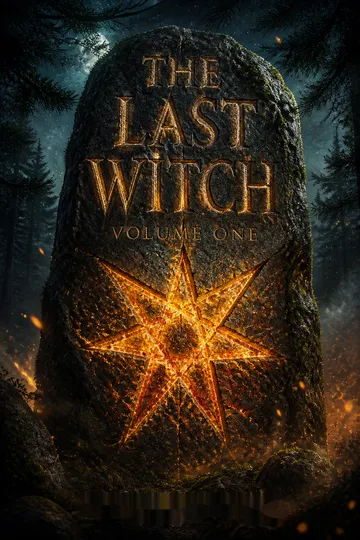
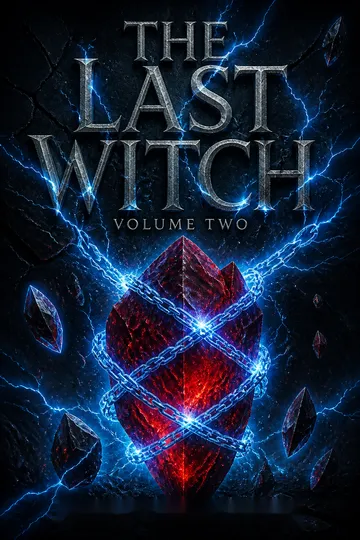
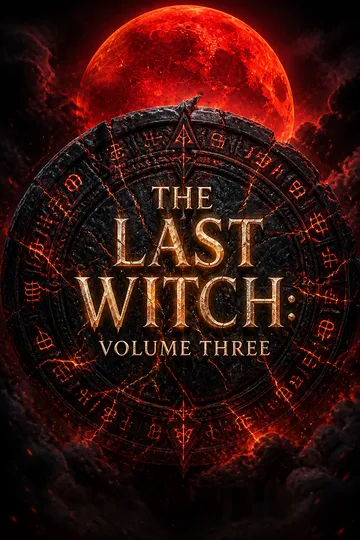
The Last Witch Series
About the Author
Download PDF
Download EPUB
.epub digital book format is ideal for reading ebooks on phones, tablets, and e-readers.








































