
Plot Summary
Cellar Chains and Shadows
Lilly Hooper, a young woman with a mysterious past, is chained in a windowless cellar, her body bruised and her spirit nearly broken. She's been held captive for two years by her uncle, Harry, and his wife, Christa, who fear her for reasons she doesn't fully understand. The only company she has is a mouse named Roger and the constant threat of mold and darkness. When the house above is attacked by supernatural forces, Lilly's world is upended. Her captor tries to kill her rather than let her fall into enemy hands, but she's saved—only to be dragged into the hands of new, more dangerous strangers. The trauma of her captivity and the uncertainty of her fate set the tone for her journey: one of survival, fear, and the search for her own power.
Bloodlines and Betrayals
Dragged from her prison, Lilly witnesses the brutal murder of her captors' staff and the torture of her aunt and uncle by a group of supernatural men led by the enigmatic Grayson. The invaders are searching for something: the last of the Hooper bloodline, a family of witches. Lilly's true identity is revealed under duress—she is Harry's niece, a Hooper, and possibly the last of her kind. Grayson's interest in her is both protective and predatory, and the violence he inflicts on her family is both justice and warning. The revelation that Lilly is a witch, and the last hope for a dying magical bloodline, thrusts her into a world of power struggles, ancient grudges, and the threat of being used as a pawn.
The Witch's Gag
Lilly's power is suppressed by a magical gag, a binding spell written in her own blood. Grayson and his men debate her fate, torn between fear of her potential and the need for her power. Her uncle's abuse is laid bare, and Lilly's trauma is both a source of suspicion and sympathy. Grayson's calculated kindness is contrasted with the brutality he shows her family, and Lilly is forced to choose between silence and survival. The magical gag becomes a symbol of her lost agency, and the threat of unleashing her power—should the gag be removed—hangs over everyone. The tension between control and freedom, trust and betrayal, defines her relationship with her new captors.
Unleashed in Fire
When Lilly's binding spell is finally removed, her suppressed magic explodes in a storm of fire and telekinesis. Years of abuse and rage fuel her power, and she exacts brutal vengeance on her aunt and uncle, burning them alive. The violence is cathartic but terrifying, and her magic is revealed to be unstable, even dangerous. Grayson and his men are both awed and alarmed by her strength, and the revelation that she is a "Broken Witch"—one whose trauma has fractured her soul—raises the stakes. Lilly's hair turns white, her eyes change, and she teeters on the edge of losing herself to her own darkness. The cost of freedom is blood, and the line between victim and monster blurs.
The Coven's Bargain
With her captors dead and her magic unbound, Lilly is offered sanctuary by Grayson's coven. The Orchard, their estate, is both a haven and a gilded cage. Grayson's motives are revealed: he needs Lilly to bring down the Arcane Veil, a magical barrier that hides witches from the world and suppresses their power. The coven is fractured by internal rivalries, secrets, and the threat of outside enemies—hunters, traitors, and the enigmatic Theo. Lilly is courted, tested, and watched, her every move scrutinized. The promise of freedom is conditional: she must help them, or risk being bound again. The tension between her need for safety and her fear of being used is ever-present.
Touch and Terror
Lilly's fear of touch—haphephobia—shapes her relationships with the coven. Only Gabriel, Grayson's brother, can touch her without causing pain, and a tentative romance blossoms between them. The coven's vampire, Hendrix, is both protector and predator, and the other witches each have their own agendas. Lilly's trauma is explored with sensitivity, and her struggle to trust, to heal, and to claim her own agency is central. The threat of sexual violence, manipulation, and betrayal is never far, and the coven's protection is as much a danger as a comfort. The question of who Lilly can trust—if anyone—drives her emotional arc.
The Arcane Revelation
Lilly learns the truth of her heritage: she is the last Arcane Witch, capable of wielding all seven realms of magic. Only she can bring down the Veil and restore magic to the world's descendants. Grayson's obsession with her power is revealed, and the coven's plans for her become clear. The history of the witches' war, the creation of the Veil, and the genocide that followed are recounted in harrowing detail. Lilly's role as both savior and weapon is cemented, and the burden of her destiny weighs heavily. The revelation is both empowering and isolating, and the threat of being used—by Grayson, by Theo, by anyone—becomes her greatest fear.
The Veil's Price
The cost of bringing down the Veil is revealed: it could mean war, genocide, or the end of all witches. Theo, Grayson's father and rival, offers Lilly a terrible bargain—help him destroy the Nomads, or watch everyone she loves die. The vision of a world in flames, of magic unleashed as apocalypse, haunts her. The coven's internal politics, the threat of betrayal, and the ever-present danger of hunters and traitors force Lilly to choose between her own happiness and the fate of her people. The price of freedom is steep, and the line between hero and villain is razor-thin.
Broken and Bound
Lilly is captured, tortured, and mutilated by Theo, who tries to force her to reveal the location of the Journal—the key to the Veil. Gabriel, also captured, is forced to watch her suffer, and the trauma of her past is mirrored in her present. The pain is both physical and psychological, and the threat of losing herself—to her Break, to her rage, to her enemies—is ever-present. The bond between Lilly and Gabriel is tested to its limits, and the question of whether love can survive such violence is central. The cost of survival is high, and the scars—literal and figurative—are permanent.
The Orchard's Sanctuary
After her escape, Lilly finds sanctuary once more at the Orchard. The coven rallies around her, tending her wounds and offering what comfort they can. Amara, Collins, and the others become her found family, and the bonds of friendship are deepened by shared trauma. The threat of Grayson's control, the ever-present danger of betrayal, and the looming specter of the Veil's destruction hang over them all. Lilly's healing is slow, and the question of whether she can ever truly be free—of her past, of her pain, of her destiny—remains unanswered.
The Traitor's Game
Grayson's true nature is revealed: he is willing to do anything—lie, manipulate, even brand Lilly with a magical mark—to keep her under his control. The Bloodstone, the binding spell, and the threat to her friends are all weapons in his arsenal. Lilly's struggle for agency, for the right to choose her own fate, becomes a battle of wills. The coven is divided, and the threat of internal betrayal is as great as any external enemy. The game of power, trust, and survival is deadly, and the cost of losing is everything.
The Battle for Lilly
The final confrontation between the coven, Theo's Traitors, and the Nomads erupts in violence. Lilly's magic is unleashed in full, and the cost is catastrophic. Friends and enemies alike fall, and the line between justice and vengeance is blurred. The battle is both physical and magical, and the stakes are nothing less than the future of all witches. Lilly's power is both salvation and curse, and the question of whether she can control it—or be controlled by it—defines the climax. The aftermath is one of loss, exhaustion, and the uncertain hope of a new beginning.
The Journal's Secret
With the Journal finally in her hands, Lilly faces the truth of her power and the cost of using it. The secrets of the Arcane are revealed, and the threat of being used—by Grayson, by Theo, by anyone—becomes acute. The Journal is both key and curse, and the decision of whether to use it, destroy it, or hide it is fraught with peril. The past and present collide, and the burden of history weighs heavily on Lilly's shoulders.
The Truth of Toby
Toby's true nature is revealed: he is not only Gabriel's brother, but the architect of Lilly's greatest trauma. The truth of her lost child, her missing memories, and the violence that shaped her is laid bare. The confrontation between Lilly and Toby is both physical and psychological, and the cost of facing the truth is almost too much to bear. The cycle of abuse, love, and betrayal is broken—at a terrible price.
The Brand of Control
Grayson's final betrayal—branding Lilly with a magical mark to control her forever—is the ultimate violation. The promise of freedom is revealed as a lie, and the cost of power is made clear. Lilly's struggle to reclaim her agency, to fight for her own future, and to protect those she loves is the heart of the story's end. The threat of violence, the promise of vengeance, and the hope of redemption are all that remain.
The Last Witch's Vow
Broken, scarred, and forever changed, Lilly makes a vow: she will never stop fighting. For her friends, for her love, for her own freedom. The cost of survival is high, but the promise of a new world—a world where witches can be free, where the cycle of violence can be broken—is worth any price. The story ends with hope, but also with the promise of more battles to come.
Love, Loss, and Power
In the aftermath of war and betrayal, Lilly and Gabriel find each other again. The truth of their love, the cost of their choices, and the hope of a future together are hard-won. The scars of the past remain, but the promise of healing—and the strength to endure—offer a fragile hope. The power of love, the cost of loss, and the promise of redemption are the story's final gifts.
The Spell to Freedom
With the Journal in hand and the Veil's destruction within reach, Lilly faces the ultimate choice: to use her power for freedom, for vengeance, or for peace. The cost of magic, the burden of history, and the hope of a new world are all in her hands. The story ends with a vow: to fight, to heal, and to never give up. The last witch's journey is far from over.
Analysis
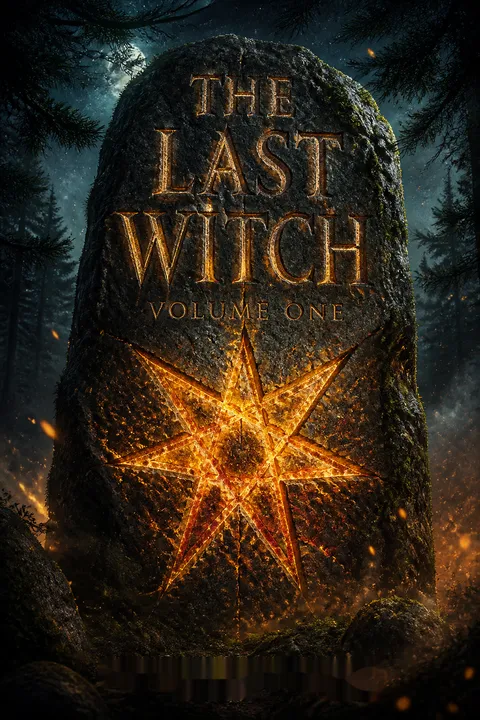
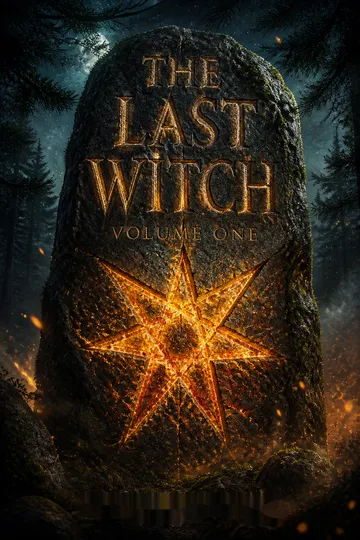
The Last Witch: Volume One is a dark, emotionally charged fantasy that explores the intersection of trauma, power, and agency through the lens of a young woman's journey from victim to survivor to reluctant savior. At its core, the novel is a meditation on the cost of freedom—personal, magical, and societal—and the ways in which systems of control, abuse, and secrecy perpetuate cycles of violence. Lilly's struggle to reclaim her agency, to heal from her past, and to fight for a future on her own terms is both deeply personal and universally resonant. The story's use of magical plot devices—the binding spell, the Veil, the Journal—serves as both literal and metaphorical representations of trauma, control, and the hope of redemption. The novel's willingness to confront the darkest aspects of abuse, betrayal, and the danger of unchecked power is both its greatest strength and its most challenging aspect. In a modern context, The Last Witch is a powerful allegory for the fight against oppression, the importance of found family, and the necessity of reclaiming one's own story. The lesson is clear: survival is not enough—healing, agency, and the courage to fight for a better world are the true marks of strength.
Review Summary
The Last Witch receives polarized reviews with a 3.99/5 rating. Negative reviews criticize inconsistent character development, excessive violence and trauma, immature writing style with excessive capitalization, shallow romance, and lack of world-building. Critics found protagonist Lilly frustratingly weak and indecisive despite her power. Positive reviews praise the dark, intense storytelling, complex characters, originality, and gripping plot twists. Many readers appreciated the unapologetically dark fantasy elements and found the story impossible to put down, though several noted it's not for sensitive readers.
People Also Read
Characters
Lilly Hooper
Lilly is the heart of the story—a young woman forged in trauma, defined by her resilience, and marked by her extraordinary magical heritage. As the last Arcane Witch, she is both weapon and hope, hunted and needed by all sides. Her relationships are shaped by abuse, betrayal, and the desperate need for agency. Lilly's haphephobia, her fear of touch, is both a symbol of her trauma and a barrier to healing. Her journey is one of reclaiming power, learning to trust, and fighting for her own future. Her love for Gabriel is both salvation and risk, and her struggle to forgive herself—for her past, for her lost child, for her own darkness—is the story's emotional core. Lilly's development is a testament to the strength of the human (and magical) spirit, and her vow to never stop fighting is both a promise and a warning.
Grayson Kendryk
Grayson is the enigmatic leader of the coven, a man whose charm masks a ruthless will to power. His relationship with Lilly is fraught with tension—part protector, part captor, part would-be lover. Grayson's obsession with the Hooper bloodline, his willingness to use any means necessary to achieve his goals, and his capacity for both tenderness and cruelty make him a complex antagonist. His history with Rose, his rivalry with Theo, and his manipulation of Gabriel reveal a man shaped by loss, ambition, and the burden of leadership. Grayson's need for control is both his strength and his downfall, and his ultimate betrayal—branding Lilly—cements his role as both villain and tragic figure.
Gabriel Kendryk
Gabriel is Grayson's younger brother, a witch with the power of mental magic and a history of using it for both good and ill. His relationship with Lilly is the story's emotional anchor—a love born of shared trauma, tested by betrayal, and ultimately redeemed by truth. Gabriel's guilt over his role in Rose's suffering, his struggle to break free of Grayson's control, and his willingness to sacrifice everything for Lilly define his arc. His own history of womanizing, his fear of commitment, and his desperate need for forgiveness make him both flawed and deeply human. Gabriel's journey is one of learning to love, to trust, and to fight for something greater than himself.
Toby (Bias) Kendryk
Toby is both Gabriel's brother and Lilly's former lover—a man whose own trauma has twisted him into a monster. His relationship with Lilly is defined by manipulation, violence, and a toxic, obsessive love. Toby's role in Lilly's greatest trauma—the loss of her child—is the story's darkest revelation. His own Break, his rivalry with Gabriel, and his willingness to do anything to possess Lilly make him both villain and victim. Toby's arc is one of self-destruction, and his final confrontation with Lilly is both cathartic and devastating.
Theo
Theo is Grayson and Gabriel's father, the leader of the Traitors, and the architect of much of the story's violence. His vision of the future—a world destroyed by magic—drives his actions, and his willingness to torture, kill, and manipulate is boundless. Theo's relationship with his sons is defined by hatred and rivalry, and his willingness to sacrifice anyone for his cause makes him a formidable antagonist. His alliance with Jensen, his manipulation of Lilly, and his ultimate defeat are all driven by a twisted sense of duty and a refusal to let go of the past.
Amara Jayne
Amara is Lilly's first true friend, a fellow survivor of abuse and a source of comfort and strength. Her relationship with Collins is a model of healthy love, and her loyalty to Lilly is unwavering. Amara's own trauma, her struggle to find her place in the world, and her willingness to fight for those she loves make her a vital part of Lilly's found family. Her presence is a reminder that healing is possible, and that friendship can be as powerful as magic.
Collins
Collins is the coven's physical witch, a man of strength and compassion. His relationship with Amara is a source of stability, and his role as protector—of Lilly, of Gabriel, of the coven—is central. Collins' own history, his loyalty to Grayson, and his willingness to stand up for what is right make him a vital ally. His healing magic, his sense of humor, and his refusal to abandon those in need are all marks of his character.
Hendrix
Hendrix is the last vampire, a creature of violence and appetite. His relationship with Lilly is fraught with tension—part protector, part threat. Hendrix's loyalty to Grayson, his rivalry with Gabriel, and his own struggle to find his place in a world of witches make him a complex figure. His violence is both a weapon and a warning, and his presence is a reminder of the dangers that lurk within the coven itself.
Jensen
Jensen is Theo's lieutenant, a man torn between loyalty and regret. His own history with Lilly's family, his role in the Traitors, and his ultimate failure to protect those he loves make him a tragic figure. Jensen's relationship with Theo, his attempts to reason with Lilly, and his own sense of guilt are all marks of a man who has lost his way.
Christa and Harry Hooper
Lilly's aunt and uncle are the architects of her early trauma—abusers who fear her power and seek to control her at any cost. Their violence, their willingness to betray family, and their ultimate fate at Lilly's hands are both justice and tragedy. Their presence haunts Lilly throughout the story, and their legacy is one of pain, fear, and the desperate need for freedom.
Plot Devices
The Binding Spell
The binding spell—whether in the form of a gag, a cuff, or a brand—is the central symbol of control in the story. It suppresses Lilly's magic, silences her voice, and marks her as both victim and weapon. The struggle to remove, resist, or reclaim the binding spell is the heart of Lilly's journey, and the threat of being bound—by Grayson, by Theo, by anyone—is ever-present. The spell is both literal and metaphorical, a representation of trauma, abuse, and the fight for agency.
The Arcane Veil
The Veil is both shield and prison—a magical barrier that hides witches from the world and suppresses their power. Its destruction is both hope and threat, promising freedom but risking apocalypse. The history of the Veil, the war that created it, and the cost of bringing it down are central to the story's stakes. The Veil is both a plot device and a symbol of the tension between safety and freedom, secrecy and survival.
The Journal
Rebecca Hooper's Journal is the key to the Veil, a book of spells that only the Arcane Witch can read. It is both prize and curse, sought by all sides and the source of endless conflict. The Journal's secrets—spells of creation and destruction, the truth of the Arcane, the cost of power—are the story's central mystery. The fight for the Journal is both literal and symbolic, a battle for the right to shape the future.
The Break
The concept of the "Broken Witch"—one whose trauma has fractured her soul and unleashed uncontrollable magic—is both plot device and psychological metaphor. Lilly's Break is the result of years of abuse, loss, and betrayal, and the threat of losing herself to her own darkness is ever-present. The Break is both warning and promise: the cost of power, the danger of trauma, and the hope of healing.
Found Family
The coven, the Nomads, and Lilly's friends are all examples of found family—a group of survivors who come together to protect, heal, and support each other. The bonds of friendship, love, and loyalty are central to the story's emotional arc, and the threat of losing them is the story's greatest danger. The found family is both refuge and battleground, a place of healing and a source of conflict.
Unreliable Narration and Memory
Lilly's missing memories, the lies told by those around her, and the manipulation of magic all serve to create an atmosphere of uncertainty and doubt. The search for truth—about her past, about the Journal, about the motives of those around her—is both plot device and psychological theme. The unreliability of memory, the danger of lies, and the hope of revelation are all central to the story's structure.
The Last Witch Series
About the Author
Download PDF
Download EPUB
.epub digital book format is ideal for reading ebooks on phones, tablets, and e-readers.








































