
Plot Summary
Rain, Ribbons, and Ghosts
Dalia, a shy, white-haired girl, meets Levi, a silent, storm-eyed boy, at his mother Lucie's manor for violin lessons. Both are outsiders—Dalia, grieving her mother's death, and Levi, isolated and haunted. Their first encounter is marked by rain, a trapped butterfly, and the ghostly atmosphere of the house. Dalia's innocence and kindness clash with Levi's coldness, but a strange connection forms. Lucie introduces Dalia to the legendary Cigno Nero violin, promising its music can heal hearts. The children's pain and longing for connection are palpable, setting the stage for a story of trauma, music, and the search for belonging.
Wednesdays of Hatred and Hope
Levi resents Dalia's presence, feeling replaced in his mother's affections and excluded from the music sanctuary. Dalia, persistent and hopeful, tries to befriend him, leaving notes and candies. Levi's bitterness deepens, but Dalia's music begins to pierce his defenses. Their silent ritual—her playing, him listening from the stairs—becomes a lifeline for both. The music is a language they share, even as words fail. Levi's hatred masks a yearning for connection, while Dalia's hope is a fragile rebellion against her own loneliness. Their childhoods are marked by pain, but also by the possibility of healing through art and each other.
Broken Promises, Shattered Swan
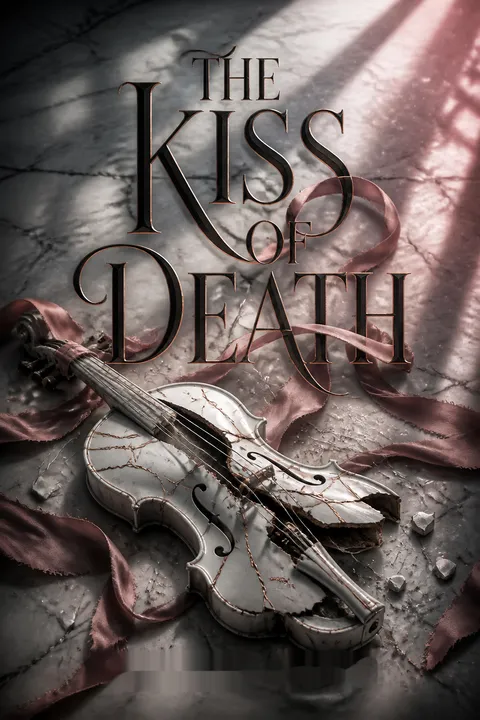
At Lucie's funeral, Dalia and Levi's worlds collide in grief. A forbidden kiss leads to violence—Dalia's father, discovering them, destroys the Cigno Nero violin and blames Levi. Levi takes the blame for Dalia, sacrificing himself to protect her. The shattering of the violin symbolizes the breaking of trust, innocence, and dreams. Both are left wounded: Dalia, guilt-ridden and silenced; Levi, humiliated and hardened. Their connection is severed, and the consequences of that day haunt them for years. The broken swan becomes a metaphor for their fractured souls and the cost of love in a world ruled by power and fear.
Pantheon's Arrival and Old Wounds
Dalia arrives at Pantheon University, eager for freedom and a fresh start. She befriends Yasmine, a scholarship student, and is sorted into the Unifiers house. The elite, competitive world of Pantheon is rife with secrets and rivalries. Levi, now a notorious hacker and Tactician leader, reappears—older, colder, and bent on revenge. Their past simmers beneath the surface, and Levi's power over the campus is both seductive and terrifying. Dalia's longing for redemption clashes with Levi's need for control. The university's traditions, including house competitions and hazing, become a battleground for their unresolved pain.
The Hacker and the Thief
Levi exploits his hacking skills to invade Dalia's privacy, using the campus Wi-Fi as a weapon. He manipulates her, exposing her vulnerabilities and threatening her sense of safety. Dalia, determined not to be a victim, fights back with small acts of defiance—sending him a "horror cake" as payback. Their dynamic is a dangerous dance of power, attraction, and resentment. Levi's cruelty is a shield for his woundedness, while Dalia's kindness is both her strength and her weakness. The lines between victim and perpetrator blur, and their relationship becomes a high-stakes game with no clear rules.
House Wars and Hazing Night
Pantheon's hazing night is a brutal rite of passage, exposing the dark underbelly of elite privilege. Dalia and Yasmine, targeted by the Tacticians, must infiltrate enemy territory. Betrayals and alliances shift rapidly—Tara, Yasmine's sister and a Pioneer leader, helps them for her own reasons. Dalia is captured and nearly assaulted by masked upperclassmen, triggering traumatic memories of her mother's death in a terrorist attack. Levi intervenes, saving her but claiming her as his "prisoner." The night leaves scars on everyone, revealing the violence and complicity at the heart of Pantheon's traditions.
Fencing, Rivalries, and Revenge
Dalia joins the fencing club, seeking courage and a connection to her late mother. Levi and Tara, both formidable fencers, become her adversaries and reluctant mentors. The fencing piste becomes a stage for their emotional warfare—Levi humiliates Dalia, pushing her to her limits, while Tara's ruthlessness masks her own trauma. Rivalries with Sylas, the Unifier leader, and other students intensify. Dalia's determination to prove herself is tested by sabotage, bullying, and the ever-present threat of Levi's manipulation. The sport's emphasis on strategy and precision mirrors the larger games of power and survival at Pantheon.
Music, Monsters, and Memories
Music remains Dalia's refuge and weapon. She struggles to find her voice in a competitive environment, facing skepticism from teachers and peers. Levi's mother's mysterious music scores become a puzzle that binds them together—part legacy, part curse. Their collaboration on the scores forces them to confront their shared past and the ghosts that haunt them. Music is both a source of pain and a path to redemption, offering the possibility of expressing what words cannot. The search for meaning in art becomes a metaphor for their search for meaning in suffering and love.
The Game of Power
Levi's obsession with chess reflects his approach to life—calculating, ruthless, always seeking control. He uses information as a weapon, blackmailing students and faculty alike. Dalia, meanwhile, learns to play her own games, using kindness and resilience to outmaneuver her enemies. The campus is a chessboard, and everyone is a potential pawn or queen. Alliances shift, secrets are traded, and the stakes grow ever higher. The game is not just about winning, but about survival, identity, and the possibility of rewriting the rules.
Hazing, Trauma, and Survival
The aftermath of hazing night leaves Dalia and Levi grappling with trauma and guilt. Dalia's nightmares resurface, and Levi's violent tendencies threaten to consume him. Both seek solace in therapy, friendship, and each other, but healing is slow and painful. The revelation of past abuses—Levi's at the hands of his stepfather, Tara's during her own hazing—forces them to confront the cycles of violence that shape their lives. Survival becomes an act of defiance, and the choice to live, love, and create is a radical one.
The Kiss of Death
Dalia and Levi's relationship reaches a fever pitch—marked by passion, cruelty, and the constant threat of annihilation. Their physical intimacy is both healing and dangerous, blurring the lines between pleasure and pain, love and hate. The "kiss of death" becomes a symbol of their bond—fatal, transformative, and inescapable. Both must choose whether to break the cycle of destruction or be consumed by it. The power to hurt is also the power to heal, and forgiveness becomes the ultimate act of strength.
Secrets, Scores, and Scars
The mystery of Lucie's music scores is finally solved, revealing hidden messages, family secrets, and the legacy of trauma. Dalia and Levi confront the truth about their mothers, their own wounds, and the ways they have hurt each other. The process is agonizing but necessary—only by facing the darkness can they hope to find light. The scars they bear, both physical and emotional, become marks of survival and transformation. The past cannot be changed, but its meaning can be rewritten.
The Maze and the Monsters
Levi's hacking skills are put to the ultimate test when Dalia's father is blackmailed by the terrorist group Los Calaveras. The group's threat to Dalia's life forces unlikely alliances and a race against time. Levi creates a digital "maze" to trap the hackers, exposing their identities and bringing them to justice. The operation is a triumph of intelligence, strategy, and moral ambiguity—victory comes at a cost, and the line between hero and monster is razor-thin. The defeat of Los Calaveras is both an end and a beginning.
Betrayal, Truth, and Ruin
The truth about Dalia's father's complicity in her mother's death is revealed, devastating her. Levi's role in covering up the secret for her "protection" is exposed, leading to a rupture in their relationship. Both are forced to confront the consequences of lies, betrayal, and the limits of forgiveness. The collapse of Dalia's family and her estrangement from Levi mark a low point—a necessary breaking before the possibility of healing. The cost of truth is high, but the cost of silence is higher.
Healing, Hope, and Forgiveness
In the aftermath of betrayal, Dalia and Levi embark on parallel journeys of healing. Therapy, friendship, and the pursuit of dreams become lifelines. Both must learn to forgive—not just each other, but themselves. Acts of kindness, resilience, and creativity become acts of rebellion against despair. The possibility of reconciliation emerges, not as a return to innocence, but as a choice to build something new from the ruins. Hope is fragile but persistent, and love is redefined as the courage to be vulnerable.
The Cigno Nero Returns
Levi repairs the Cigno Nero violin, returning it to Dalia as a symbol of healing and renewal. Their relationship, though scarred, is rekindled on new terms—marked by honesty, mutual respect, and the willingness to fight for each other. The restoration of the violin mirrors the restoration of their souls. The past is not erased, but its pain is transformed into art, connection, and the promise of a better future. The return of the Cigno Nero is a testament to the power of love to mend what was once thought irreparably broken.
The Audition and the Cadenza
Dalia auditions for the Pantheon Winter Orchestra, performing her own composition—"Broken Doll"—on the Cigno Nero. The music is raw, imperfect, and deeply personal, embodying her journey through trauma, loss, and healing. The performance is a catharsis, exorcising the ghosts of her past and reclaiming her voice. The judges are moved, and Dalia earns a place in the orchestra, as well as the honor of performing a cadenza. The stage that once symbolized death and fear becomes a place of life, beauty, and victory.
Love Stronger Than Death
Dalia and Levi, having faced their demons and chosen each other, build a life together marked by creativity, resilience, and fierce love. Their scars become sources of strength, and their differences are celebrated rather than hidden. Together, they create a world where music, art, and kindness are weapons against the ugliness of the world. The story ends not with a fairy-tale happily-ever-after, but with the hard-won knowledge that love—messy, imperfect, and hard-fought—is stronger than death, and that hope can be found even in the darkest places.
Analysis
A modern gothic romance of trauma, healing, and the power of artThe Kiss of Death is a dark, emotionally charged exploration of trauma, love, and the struggle for self-acceptance. Through the intertwined journeys of Dalia and Levi, the novel examines how pain can both destroy and transform, and how art—music, in particular—can be a lifeline for the wounded. The story refuses easy answers: love is not a cure-all, and forgiveness is hard-won. The novel's modern relevance lies in its unflinching portrayal of mental illness, abuse, and the complexities of consent and power. It challenges the myth of the "redeemable bad boy" by insisting that true healing requires accountability, therapy, and mutual respect. The book's ultimate message is one of hope: that even in a world marked by ugliness and violence, beauty, kindness, and connection are possible. The scars we bear are not signs of weakness, but of survival—and the choice to live, love, and create is the most radical act of all.
Review Summary
The Kiss Of Death by Shanen Ricci is a dark college romance featuring Dalia, a sheltered violinist, and Levi, a genius hacker seeking revenge. Set at Pantheon University with a house system reminiscent of Harry Potter, the story explores enemies-to-lovers dynamics, obsession, and trauma. Reviews praise the character development, emotional depth, and musical mystery elements, though some find it tropey or cringey. The slow-burn romance, morally grey MMC, and dark academia aesthetic resonate strongly with readers who enjoy bully romances and possessive heroes, earning mostly high ratings.
People Also Read
Characters
Dalia Mercier
Dalia is a sensitive, artistic soul marked by profound loss—her mother's death in a terrorist attack—and a lifetime of overprotection and guilt. Her white hair and ribbons symbolize both her uniqueness and her longing for connection. Music is her language, her refuge, and her rebellion. Dalia's journey is one of reclaiming agency: from a silenced, obedient daughter to a woman who dares to love, fight, and forgive. Her kindness is both her armor and her vulnerability, making her a target for bullies but also a source of healing for others. Through trauma, betrayal, and heartbreak, Dalia learns to transform pain into art and to choose hope over despair. Her relationship with Levi is the crucible in which she discovers her strength, her boundaries, and her capacity for fierce, imperfect love.
Levi Delombre
Levi is a brilliant, emotionally scarred young man shaped by neglect, abuse, and the suicide of his mother, Lucie. His intelligence is both a gift and a curse, fueling his rise as a hacker and strategist but isolating him from others. Levi's moral ambiguity—his capacity for cruelty, manipulation, and violence—masks a desperate need for love and control. His relationship with Dalia is both redemptive and destructive, oscillating between tenderness and brutality. Levi's journey is one of confronting his own darkness, learning to trust, and choosing to use his power for protection rather than revenge. His scars, both physical and emotional, are symbols of survival and transformation. Ultimately, Levi's greatest act of love is to let Dalia be free, even as he fights to be worthy of her.
Lucie Delombre
Lucie is a gifted violinist whose life is marked by trauma, neurodivergence, and abuse. Her inability to connect with her son, Levi, is a source of lifelong guilt and sorrow. Lucie's music is her legacy—a series of enigmatic scores that become both a puzzle and a path to healing for Levi and Dalia. Her suicide is a wound that shapes the narrative, but her posthumous presence is felt through her art, her secrets, and the love she was unable to express in life. Lucie's story is a meditation on the limits of love, the cost of difference, and the possibility of redemption through creativity.
Bruno Mercier
Dalia's father is a man consumed by fear, guilt, and the need for control. His complicity in the events leading to his wife's death—and his subsequent lies—are the source of much of Dalia's pain. Bruno's overprotectiveness is both a misguided attempt at love and a form of emotional imprisonment. His eventual confession and willingness to face consequences mark a turning point, but his inability to protect or truly understand his daughter is a central tragedy. Bruno embodies the dangers of silence, denial, and the failure to confront one's own darkness.
Yasmine "Yas"
Yasmine is Dalia's first true friend at Pantheon—a scholarship student with a sharp wit, a love of books, and a fierce loyalty. Her relationship with her sister Tara is fraught but ultimately redemptive. Yas provides both comic relief and emotional support, helping Dalia navigate the treacherous waters of Pantheon's social hierarchy. Her own struggles with self-worth and family expectations mirror Dalia's, and her journey toward self-acceptance is a quiet but powerful subplot.
Tara
Tara is Yasmine's older sister and a leader among the Pioneers. Her tough exterior masks deep wounds—she is a survivor of sexual assault during her own hazing night. Tara's ruthlessness is a defense mechanism, but her love for her sister and her eventual vulnerability make her a complex, sympathetic figure. Her rivalry and eventual alliance with Dalia highlight the ways women can both harm and heal each other in patriarchal systems.
Sylas Archambault
Sylas is the Unifier house leader, son of a powerful politician, and Dalia's would-be protector. His struggle with his sexuality, family expectations, and the pressure to be perfect make him a nuanced character. Sylas's friendship with Dalia is genuine, and his romance with Kay adds depth to his arc. His eventual coming out and confrontation with his father are acts of courage that parallel Dalia's own journey toward authenticity.
Kay
Kay is Levi's best friend and Sylas's ex-lover—a flamboyant, sharp-tongued presence who masks his own pain with bravado. His loyalty to Levi is fierce, but his heart belongs to Sylas. Kay's willingness to fight for love, even at the cost of his own pride, makes him a memorable and sympathetic character. His role as comic relief is balanced by moments of vulnerability and insight.
Cillian
Cillian is the third member of Levi's inner circle—a reserved, intellectual presence who often serves as the voice of reason. His own struggles with intimacy and belonging are hinted at, and his friendship with Yas suggests a possible future romance. Cillian's loyalty is understated but unwavering, and his dry wit provides a counterpoint to the drama around him.
Miguel (Michel)
Miguel is a first-year Tactician whose loneliness and desperation nearly lead him to suicide. His story is a stark reminder of the costs of bullying and the importance of kindness. Levi's intervention saves him, and Miguel's journey toward self-acceptance and friendship is a quiet but powerful subplot. His technical skills and loyalty eventually earn him a place in Levi's circle, and his redemption is a testament to the possibility of change.
Plot Devices
Dual Narrative and Shifting Perspectives
The novel alternates between Dalia's and Levi's perspectives, allowing readers to inhabit both the victim and the antihero, the healer and the wounded. This dual narrative structure deepens empathy and complicates moral judgments. The shifting perspectives also mirror the characters' struggles to understand themselves and each other, highlighting the subjectivity of truth and the difficulty of communication.
Music as Metaphor and Plot Engine
Music is both a literal and symbolic force in the novel. It is the language through which Dalia and Levi connect, the legacy of their mothers, and the means by which trauma is both expressed and healed. The mysterious music scores left by Lucie serve as a puzzle that drives the plot, while performances and auditions mark key turning points. Music's power to heal, haunt, and transform is a central theme, and the act of playing becomes an act of survival and rebellion.
Chess and Strategy
Chess is a recurring motif, reflecting Levi's approach to life—calculating, strategic, always seeking control. The campus itself is a chessboard, with students as pawns, queens, and kings. The rules of the game are constantly rewritten, and victory often comes at a cost. The "kiss of death" in chess becomes a metaphor for the fatal, transformative power of love and betrayal.
Trauma, Memory, and Flashbacks
The narrative is punctuated by flashbacks, nightmares, and memories that reveal the characters' traumas and the ways they are haunted by the past. These devices create a sense of psychological depth and urgency, showing how healing is a nonlinear process. The revelation of family secrets, abuses, and betrayals is handled through gradual, suspenseful disclosure, keeping readers emotionally invested.
Symbolism of Ribbons, Colors, and the Cigno Nero
Ribbons, colors, and the Cigno Nero violin are recurring symbols. Ribbons represent connection, memory, and the ties that bind and free. Colors, especially gray and silver, symbolize the blending of pain and hope, darkness and light. The Cigno Nero, with its history of healing and its own scars, mirrors the characters' journeys from brokenness to wholeness.
Redemption Arcs and Cycles of Violence
The novel explores the possibility of redemption—not as a return to innocence, but as a conscious choice to break cycles of violence, abuse, and self-destruction. Characters who were once victims become protectors; those who inflicted pain seek forgiveness. The narrative structure emphasizes that healing is possible, but only through honesty, vulnerability, and the willingness to change.
Download PDF
Download EPUB
.epub digital book format is ideal for reading ebooks on phones, tablets, and e-readers.








































