
Plot Summary
Home in Ruins, Secrets Revealed
Eleanor races home to find her father gravely injured and their cottage ransacked by the king's men. Desperate, she seeks out Ruth, the local healer, who warns her that Eleanor is now a wanted fugitive known as the "Gold Weaver." As Ruth tends to her father, Eleanor learns that her mother once sought help from a mysterious changeling when Eleanor was a sickly infant. The revelation that her mother kept secrets about Eleanor's origins and abilities stirs a storm of confusion and anger. Eleanor's sense of safety is shattered, and she realizes that her past is tangled with fae magic and hidden truths. The emotional weight of betrayal and the urgency to protect her father set Eleanor on a path to uncover the mysteries of her own identity.
The Changeling's Bargain
Haunted by her mother's secrets, Eleanor ventures into the Kilda to find Tesha, the changeling. The encounter is tense and otherworldly, as Tesha reveals that Eleanor was given a true name as a child—a rare, fae-like trait. In exchange for this knowledge, Eleanor strikes a dangerous bargain, agreeing to a future favor. Tesha performs a ritual, and Eleanor learns her true name: Lunasworn, "Sword of the Moon." The name's resonance unsettles her, especially when she recalls that Ruskin's true name means "Shield of the Sun." The parallel between their names hints at a deeper, fated connection. Eleanor leaves with more questions than answers, her sense of self forever altered by the revelation of her magical heritage and the price of fae bargains.
Ambushed by the Past
On the road, Eleanor and her father are ambushed by the king's soldiers, intent on capturing the Gold Weaver. As Eleanor contemplates using her burgeoning magic, the situation turns violent. Ruskin Blackcoat, the enigmatic fae prince from her past, appears in a whirlwind of deadly power, slaughtering the soldiers to protect her. The reunion is fraught with unresolved pain and anger—Eleanor is torn between gratitude and fury at Ruskin's brutality and past betrayals. Ruskin insists on speaking with her privately, hinting at urgent matters in Faerie. The encounter reignites old wounds and unresolved longing, setting the stage for a reluctant partnership as Eleanor is drawn back into the dangerous world of fae politics and magic.
Truths and Terms
In the aftermath, Eleanor demands answers from Ruskin about his connection to her mother and the secrets he's kept. Ruskin is bound by magical pain, unable to reveal the full truth, deepening Eleanor's sense of betrayal. Despite the emotional chasm between them, Ruskin pleads for her help: his mother, Queen Evanthe, is trapped in an iron-induced sleep, and only Eleanor's unique magic can save her. Eleanor agrees, but only if Ruskin promises to protect her and her father from the king's wrath by erasing their memories from Albrecht's mind. The negotiation is tense, but necessity forges a fragile alliance. Eleanor's decision is driven by empathy and a healer's oath, even as trust between her and Ruskin remains fractured.
Bargains and Goodbyes
Eleanor faces her father's fears and her own guilt as she prepares to leave for Faerie once more. She secures his safety with Ruskin's protection spell and promises to return. The emotional farewell is heavy with unspoken worries and the scars of past trauma. Ruskin's awkward attempts at kindness reveal his vulnerability, but Eleanor remains guarded. Together, they travel through the magical gate back to the Seelie Court, where old friends and new dangers await. The journey is a threshold—Eleanor steps from the familiar pain of her human life into the uncertain, perilous embrace of fae politics, carrying the weight of her bargains and the hope of healing a broken realm.
Return to the Fae Court
Back in the Seelie Court, Eleanor is greeted by Destan and Halima, whose banter masks the court's underlying tension. The palace is a place of beauty and danger, haunted by recent betrayals and the ever-present threat of iron. Eleanor's return is met with curiosity and suspicion, especially as rumors swirl about her powers and her relationship with Ruskin. The court's politics are as treacherous as ever, and Eleanor is acutely aware of her outsider status. Yet, she is also recognized as a potential savior, the only one who might break the curse afflicting the queen. The emotional landscape is fraught—old friendships are tested, and Eleanor's longing for belonging is shadowed by the knowledge that she may never truly be at home in either world.
The Queen Awakes
With Ruskin's guidance, Eleanor uses her magic to draw the iron from Queen Evanthe's body, awakening her from centuries of sleep. The process is exhausting and fraught with risk, but Eleanor's success is met with awe and gratitude. Evanthe's return is celebrated, yet her recovery is incomplete—she is weakened, and the court's wounds run deep. The queen's presence brings hope, but also stirs old rivalries and suspicions. Eleanor is lauded as a miracle worker, but the connection between her magic and the court's fate becomes a source of anxiety. The emotional high of healing is tempered by the realization that the iron's curse is not fully broken, and that darker forces may be at work within the palace walls.
Banquet of Shadows
A grand banquet is held to celebrate Evanthe's return, but the festivities are marred by tension and intrigue. Eleanor is both guest of honor and object of suspicion, her human magic a source of fascination and fear. As the court toasts to new beginnings, a sudden eruption of iron tears through the hall, killing and maiming indiscriminately. Eleanor's quick thinking and magic help contain the disaster, but the attack exposes the court's vulnerability and the iron's relentless malice. The aftermath is chaos—grief, blame, and paranoia spread. Prophecies and old superstitions resurface, and Eleanor is caught in the crossfire, both hailed as a savior and accused as a harbinger of doom.
Iron Unleashed
The iron's attacks grow more frequent and devastating, forcing the court into a state of siege. Eleanor's powers are stretched to their limits as she battles the spreading blight, but each victory is temporary. The court fractures along lines of fear and suspicion—some see Eleanor as the only hope, others as the source of the curse. Prophecies are invoked, and political factions maneuver for advantage. Ruskin and Eleanor's relationship is tested by the mounting pressure, as old wounds and new betrayals threaten to tear them apart. The emotional toll is immense—loss, guilt, and the burden of impossible expectations weigh heavily on Eleanor as she searches for the iron's true source.
Prophecy and Paranoia
As the court reels from repeated attacks, an ephor named Jorna stirs panic with prophecies of cleansing and doom. Eleanor becomes the focal point of suspicion, accused of being both the cause and the cure of the iron curse. The court's paranoia deepens, and Eleanor is forced to defend herself against both magical and political threats. Her relationship with Ruskin is strained by secrets and the weight of fate—true names, soul bonds, and the possibility of being fated mates (naminai) complicate their already fraught connection. The emotional arc is one of isolation and resilience, as Eleanor must decide whom to trust and how much of herself to reveal in a world that may never fully accept her.
The Iron's Source
Desperate for a solution, Eleanor and Ruskin travel to the Unseelie Court to seek the wisdom of Magister Cragfoot (Maidar). The journey is perilous, marked by cultural clashes and old grudges. In the Unseelie, Eleanor's magic is tested to its limits—she learns to read the memories of metal and stretch her power across great distances. The court's brutal honesty and honor-bound traditions contrast sharply with the Seelie's duplicity. As Eleanor and Ruskin navigate new dangers and old family wounds, they uncover clues that the iron's source is tied to the very heart of the Seelie realm. The emotional journey is one of growth and mutual reliance, as Eleanor and Ruskin's bond deepens through shared adversity.
Training and Temptation
Back in the Seelie Court, Eleanor's training intensifies. She learns to wield her magic with greater precision and to channel power through her bond with Ruskin. Their relationship oscillates between passion and mistrust, as the truth of their naminai connection comes to light. The sharing of true names and magic brings them closer, but also exposes old fears and vulnerabilities. The court's suspicion of Eleanor grows, and she is forced to confront the limits of her power and the cost of her choices. The emotional arc is one of temptation and self-discovery, as Eleanor must decide whether to embrace her fate or forge her own path.
The Unseelie Court
Eleanor and Ruskin's time in the Unseelie Court is marked by both revelation and danger. They face trials to prove their worth, confront old enemies, and seek the aid of King Lisinder. The court's brutal politics and honor-bound customs force Eleanor to adapt quickly, using both her magic and her wits to survive. The truth of her bond with Ruskin is tested in the crucible of battle and betrayal. As they are forced to flee after a deadly confrontation, Eleanor realizes that the answers she seeks may come at a terrible price. The emotional arc is one of reckoning—with the past, with fate, and with the choices that define who she and Ruskin will become.
Naminai: Fated Bonds
The revelation of Eleanor and Ruskin's naminai bond—fated soulmates—reshapes their relationship and the stakes of their struggle. Sharing true names allows them to channel magic and strength to each other, but also exposes them to new dangers and vulnerabilities. The emotional intimacy is both a source of power and a test of trust, as old secrets and fears threaten to undermine their connection. The court's suspicion and the iron's curse intensify, forcing Eleanor to confront the reality that her fate is intertwined with Ruskin's and the kingdom's survival. The emotional arc is one of acceptance and courage, as Eleanor chooses to embrace her destiny and the love that comes with it.
The Queen's Betrayal
The source of the iron curse is finally uncovered: Queen Evanthe, corrupted by Cebba's dark magic, is the architect of the court's suffering. Her desire to "purge" the Seelie of its flaws drives her to betray her own son and unleash devastation. In a harrowing confrontation, Halima sacrifices herself to protect Ruskin and Eleanor, and the true cost of Evanthe's ambition is laid bare. Eleanor uses her magic to seal the founding stone, preventing Evanthe from claiming ultimate power. The emotional climax is one of grief, betrayal, and the shattering of illusions—Eleanor and Ruskin must face the loss of loved ones and the knowledge that the greatest threat came from within.
The Iron's Heart
With the court in ruins and Evanthe's iron magic unchecked, Eleanor, Ruskin, and Destan are forced to flee. The palace is overrun, allies are scattered, and the future is uncertain. Eleanor's bond with Ruskin becomes both lifeline and burden, as they share strength and pain through their connection. The emotional arc is one of survival and determination—Eleanor must reconcile her healer's heart with the necessity of hard choices. The journey ahead is perilous, but the hope of finding new allies and reclaiming the kingdom remains. The story closes on a note of resolve, as Eleanor and her companions set out to seek help from the Unseelie and prepare for the battles to come.
Sacrifice and Survival
In the aftermath of Halima's death and the court's fall, Eleanor and Ruskin share a moment of vulnerability and love, cementing their bond. The truth of Eleanor's origins is finally revealed—her mother's sacrifice made her birth possible, and Ruskin's role was one of compassion, not betrayal. The emotional wounds begin to heal, even as new challenges loom. The journey toward the Unseelie border is fraught with danger, but Eleanor's resolve is strengthened by the knowledge of her true self and the love she shares with Ruskin. The chapter ends with a promise: to fight for the kingdom, for each other, and for the hope of a future free from the iron curse.
Sacrifice and Survival
In the aftermath of Halima's death and the court's fall, Eleanor and Ruskin share a moment of vulnerability and love, cementing their bond. The truth of Eleanor's origins is finally revealed—her mother's sacrifice made her birth possible, and Ruskin's role was one of compassion, not betrayal. The emotional wounds begin to heal, even as new challenges loom. The journey toward the Unseelie border is fraught with danger, but Eleanor's resolve is strengthened by the knowledge of her true self and the love she shares with Ruskin. The chapter ends with a promise: to fight for the kingdom, for each other, and for the hope of a future free from the iron curse.
Survival and Pursuit
As Eleanor and Destan flee the Hunt and Evanthe's forces, the cost of their struggle becomes clear. The bond between Eleanor and Ruskin is tested by separation and pain, but hope endures. The chapter closes with Eleanor's determination to find Ruskin, seek new allies, and reclaim the kingdom from the darkness that has claimed it. The emotional arc is one of endurance and the unbreakable will to survive, even as the future remains shrouded in uncertainty.
Analysis
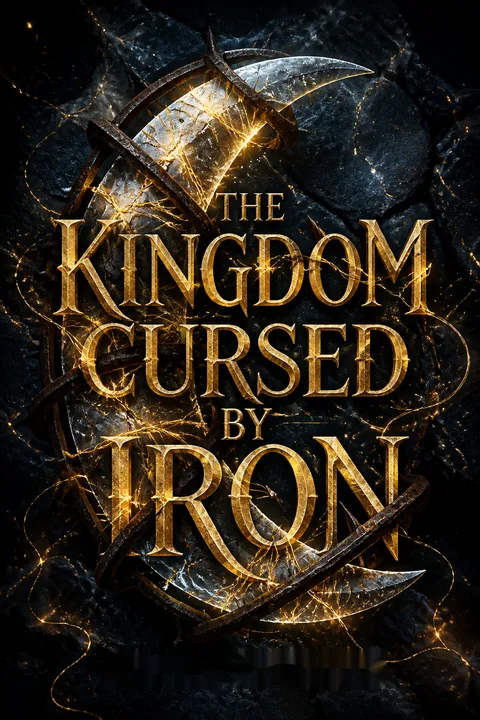
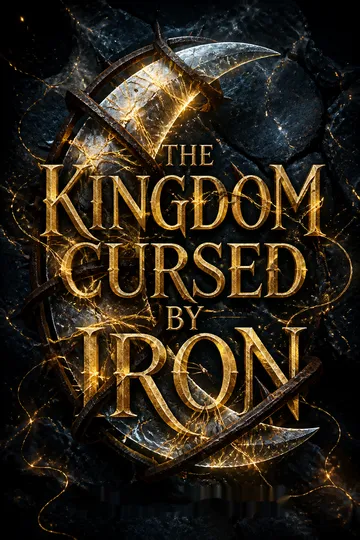
Zara Storm's The Kingdom Cursed by Iron is a dark, emotionally charged fantasy romance that interrogates the boundaries between fate and free will, love and betrayal, and the cost of power. At its heart is Eleanor, a heroine whose journey from reluctant survivor to magical savior is marked by loss, resilience, and the struggle to claim her own destiny. The novel uses the motif of iron—both as a physical blight and a symbol of corruption—to explore the ways trauma, secrets, and generational wounds can poison even the most beautiful of worlds. The fae courts, with their intricate politics and shifting allegiances, serve as a mirror for human flaws: prejudice, ambition, and the seductive allure of prophecy. The true names and naminai bond between Eleanor and Ruskin elevate the romance beyond mere attraction, making it a crucible for trust, vulnerability, and transformation. Ultimately, the story suggests that healing—of self, of love, of a kingdom—requires both the courage to face painful truths and the willingness to forge new paths, even when fate seems inescapable. The novel's emotional arc is one of hard-won hope: that even in a world cursed by iron, love and integrity can be the keys to redemption.
Review Summary
The Kingdom Cursed by Iron receives mixed reviews averaging 4/5 stars. Readers praise the fast-paced plot, creative storyline, and protagonist Eleanor's character growth, particularly her magic development and sword training. Many enjoy the chemistry between Eleanor and Ruskin, though their miscommunication frustrates numerous reviewers. The romance's "will they, won't they" dynamic divides opinions. Common criticisms include rushed pacing, predictable twists, repetitive relationship conflict, and Eleanor's hypocritical behavior regarding secrets. Secondary characters receive limited development. Several reviewers note second-book syndrome, though most remain invested enough to continue the trilogy despite its flaws.
People Also Read
Characters
Eleanor Thorn
Eleanor is a fiercely intelligent, resourceful young woman whose life is shaped by loss, betrayal, and the burden of magical heritage. Trained as a healer and metallurgist, she is driven by empathy and a relentless need for answers. Her journey is one of self-discovery—learning that her true name, Lunasworn, marks her as both human and fae, and that her magic is the key to saving (or dooming) the kingdom. Eleanor's relationships are complex: she loves her father deeply, is haunted by her mother's secrets, and is both drawn to and wary of Ruskin, the fae prince who broke her heart. Her psychological arc is defined by the struggle to trust, the pain of betrayal, and the courage to choose her own fate, even when destiny seems inescapable.
Ruskin Blackcoat
Ruskin is a powerful, enigmatic fae prince, torn between duty, love, and the scars of his past. His true name, Solskir ("Shield of the Sun"), mirrors Eleanor's, hinting at a fated bond. Ruskin is both savior and manipulator—capable of great tenderness and brutal violence. His inability to share the full truth, due to magical constraints and personal wounds, creates a chasm between him and Eleanor. He is haunted by the need to save his mother, Queen Evanthe, and by the legacy of fae politics and betrayal. Over the course of the story, Ruskin's mask slips, revealing vulnerability, regret, and a desperate longing for connection. His development is marked by the struggle to balance power with compassion, and to accept love even when it means surrendering control.
Queen Evanthe Dawnsong
Evanthe is the once-beloved High Queen of the Seelie, whose long sleep and subsequent awakening are central to the kingdom's fate. Initially a symbol of hope and healing, she is revealed to be the architect of the iron curse, her mind twisted by Cebba's dark magic and the trauma of betrayal. Evanthe's actions are driven by a warped sense of justice—believing that the court must be purged of its flaws, even at the cost of her own son. Her relationship with Ruskin is tragic, marked by love, disappointment, and ultimate betrayal. Psychologically, Evanthe embodies the dangers of unchecked power and the corrosive effects of pain and loss.
Halima Sunshard
Halima is the court's most formidable warrior, a steadfast protector of Ruskin and the realm. Of mixed fae heritage, she is both insider and outsider, fiercely devoted to order and justice. Halima's relationship with Eleanor is complex—she is both mentor and skeptic, pushing Eleanor to grow while questioning her place in the court. Her death at Evanthe's hands is a devastating blow, symbolizing the cost of loyalty and the tragedy of a kingdom at war with itself. Halima's psychological arc is one of duty, sacrifice, and the struggle to reconcile personal loyalty with the greater good.
Destan Lionsvale
Destan is a witty, flamboyant fae noble who serves as both comic relief and emotional anchor. His friendship with Eleanor is genuine, marked by banter and mutual respect. Destan's loyalty is tested by the court's chaos, and he reveals unexpected ruthlessness when those he cares about are threatened. Psychologically, Destan is a survivor—adept at navigating court politics, but also capable of deep feeling and fierce protectiveness. His development is shaped by loss, the need for belonging, and the courage to fight for what matters.
Maidar (Magister Cragfoot)
Maidar is an Unseelie scholar and Eleanor's former trading partner, whose knowledge of magic and metallurgy is crucial to unraveling the iron curse. He is pragmatic, curious, and unbound by the prejudices of either court. Maidar's role is that of mentor and guide, helping Eleanor stretch her magic and understand the deeper currents of fae history. Psychologically, he represents the value of knowledge, adaptability, and the importance of seeing beyond surface divisions.
Lord Hadeus Swallowtail
Hadeus is a powerful Seelie lord whose ambition and suspicion of Eleanor make him a persistent antagonist. He manipulates court politics, exploits fear, and ultimately sides with Evanthe in her quest for power. Hadeus embodies the court's darker instincts—prejudice, self-interest, and the willingness to sacrifice others for personal gain. His psychological arc is one of increasing desperation and moral decay, serving as a foil to Eleanor's growth and integrity.
Ephor Jorna
Jorna is a scholar and soothsayer whose prophecies stoke the court's paranoia and fear. She is both a victim and a perpetrator of the court's hysteria, wielding words as weapons. Jorna's role is to amplify the story's themes of fate, suspicion, and the dangers of unchecked belief. Psychologically, she represents the seductive power of prophecy and the ease with which fear can be manipulated.
Queen Cebba
Though dead before the story begins, Cebba's influence pervades the narrative. Her dark magic corrupts Evanthe, and her legacy of betrayal and violence haunts the court. Cebba is a symbol of generational trauma and the destructive potential of power wielded without conscience. Her psychological presence is felt in the choices and fears of those she left behind.
Isaac Thorn
Isaac is Eleanor's loving, vulnerable father, whose safety and well-being are her constant concern. He represents the world Eleanor is fighting to protect, and the cost of her involvement in fae affairs. Isaac's role is largely passive, but his presence grounds Eleanor's choices and reminds her of what is at stake. Psychologically, he embodies the pain of loss, the fragility of trust, and the enduring power of love.
Plot Devices
True Names and Naminai Bond
The concept of true names is central—knowing a fae's true name grants power over them, but also symbolizes trust and vulnerability. The naminai bond (fated soulmates) between Eleanor and Ruskin is both a blessing and a curse, allowing them to share magic and strength, but also exposing them to each other's pain and secrets. This device explores themes of destiny versus free will, the risks of intimacy, and the transformative power of love. The gradual revelation of true names and the forging of the bond drive both the plot and the emotional arc, culminating in moments of sacrifice, healing, and self-acceptance.
Iron as Corruption and Weapon
Iron is both a literal and symbolic threat—deadly to fae, it represents the intrusion of human violence, the legacy of betrayal, and the dangers of unchecked ambition. The iron curse is a mystery to be solved, a weapon wielded by Evanthe, and a test of Eleanor's unique magic. Its spread mirrors the court's internal rot, and its defeat requires both magical innovation and the courage to confront painful truths. The iron's presence is foreshadowed through dreams, prophecies, and the gradual unraveling of the court's stability.
Prophecy and Political Intrigue
Prophecies and rumors shape the court's actions, fueling suspicion and driving characters to desperate measures. The ambiguity of prophecy allows for multiple interpretations, creating tension and uncertainty. Political intrigue—alliances, betrayals, and shifting loyalties—provides a backdrop for personal drama and tests the characters' integrity. The interplay of fate and agency is a constant undercurrent, challenging characters to choose between surrendering to destiny or forging their own paths.
Memory, Secrets, and Magical Oaths
Secrets—personal, familial, and magical—drive the story's emotional stakes. Magical oaths and the inability to speak certain truths create barriers to trust and force characters to find creative ways to communicate. The revelation of Eleanor's origins, her mother's bargain, and the true nature of the iron curse are all structured as mysteries to be unraveled. Memory—both personal and collective—is a source of pain, wisdom, and, ultimately, healing.
Dual Worlds and Thresholds
The movement between the human and fae worlds is both literal and metaphorical, marking moments of transformation, loss, and self-discovery. Gates, portals, and magical boundaries serve as thresholds—points of no return that force characters to confront who they are and what they are willing to sacrifice. The contrast between worlds highlights themes of belonging, alienation, and the search for home.
The Gold Weaver Series
About the Author
Download PDF
Download EPUB
.epub digital book format is ideal for reading ebooks on phones, tablets, and e-readers.








































