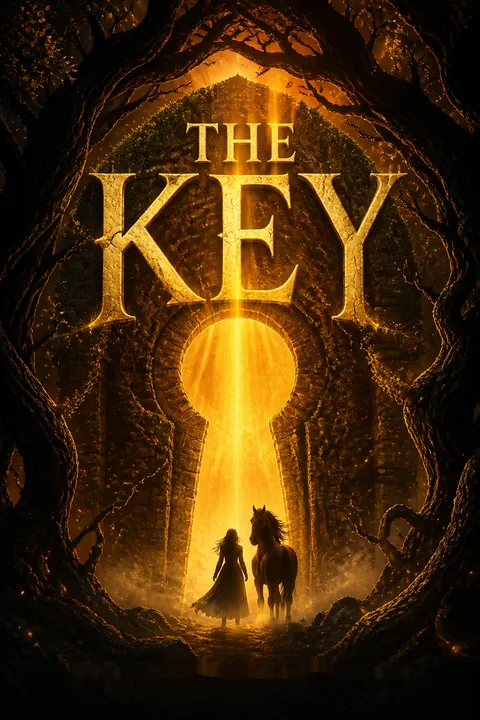

Plot Summary
Blood and Betrayal
The story opens with the violent overthrow of Greenwood Island's royal family. Commander Mako, loyal to the crown, witnesses the massacre of the king, queen, and their children. In a desperate act, he helps the queen escape with her infant daughter, Princess Amer, while his own family is slaughtered. The queen entrusts her baby to Mako, who fakes the princess's death and flees into the darkness. This act of sacrifice and vengeance sets the stage for a legacy of hidden identity and a vow to one day restore the rightful heir. The trauma of this night echoes through the years, shaping destinies and fueling the cycle of violence and secrecy that will define the lives of all who survive.
The Hidden Princess
Seventeen years later, the princess—now called Rema—lives as a commoner, unaware of her true heritage. Raised by her aunt and uncle, she is spirited, independent, and skilled with horses, but feels caged by the restrictions of her life. Her unusual blonde hair and blue eyes set her apart in a land of dark-haired, brown-eyed people. Rema's only solace is the freedom she finds in the forest and her friendship with Bren, a neighboring farmer's son. Yet, her guardians' protectiveness and the secrecy surrounding her origins hint at a deeper truth, one that Rema senses but cannot name.
A Life in Shadows
Prince Darmik, commander of the King's Army and second son of the conqueror King Barjon, is haunted by the violence of his family's rule. He is both enforcer and outsider, respected for his skill but isolated by his conscience. Darmik's relationship with his older brother, Crown Prince Lennek, is fraught with rivalry and mistrust. As Darmik investigates unrest in the kingdom, he senses the people's suffering and the growing threat of rebellion. His encounters with Rema, first as a mysterious girl in the woods, then as a horse trainer, spark both intrigue and a longing for something pure in a world of corruption.
The Prince and the Horse Girl
Rema and Darmik's paths cross in the forest, where her daring and compassion catch his attention. Their connection is immediate but complicated by their stations and the secrets they each carry. Darmik is drawn to Rema's strength and honesty, while she is both wary and fascinated by the prince who seems different from the rest of the royal family. Their brief encounters are charged with unspoken emotion, setting the stage for a relationship that will challenge the boundaries of loyalty, class, and destiny.
Chains of Duty
Rema's guardians arrange her betrothal to Bren, believing it will protect her from unwanted attention. Rema, however, feels trapped by the prospect of a life she never chose. Meanwhile, Darmik is bound by his duty to the crown, forced to enforce the king's harsh laws and suppress the people's unrest. Both are caught in webs of expectation and obligation, their personal desires sacrificed to the demands of family and state. The tension between duty and self-determination becomes a central struggle for both characters.
The Crown's Cruelty
The kingdom is ruled with an iron fist by King Barjon and his heir, Lennek. Taxes are high, food is scarce, and dissent is met with brutal punishment. Public executions and the branding of citizens enforce obedience, but beneath the surface, anger grows. Darmik witnesses firsthand the suffering of the people and the seeds of rebellion being sown. Rumors spread that a member of the old royal family survived, and hope flickers among the oppressed. The stage is set for upheaval, as the past refuses to stay buried.
A Proposal and a Prison
Crown Prince Lennek, ever jealous of Darmik and eager for power, becomes fixated on Rema after seeing her at a dinner party. He orchestrates her abduction, using threats against her family to force her compliance. Lennek proposes marriage, not out of love, but as a means to solidify his rule and manipulate public opinion. Rema, desperate to protect her aunt and uncle, is trapped in a gilded cage, her every move watched and her future dictated by the whims of a cruel prince.
Secrets in the Key
Rema's aunt gives her a gold key necklace, telling her it is a family heirloom. The key contains a cryptic message, hinting at Rema's true identity and the existence of allies waiting to help her. With the help of a servant, Ellie, Rema begins to unravel the riddle, discovering references to "Mako" and instructions to "look back." The key becomes a symbol of hope and a tangible link to the past, guiding Rema toward the truth about who she is and what she must do.
The Dance of Deceit
Rema is thrust into the world of court politics, forced to play the role of Lennek's fiancée. She is paraded before the nobles, dressed in finery, and made the centerpiece of a public engagement. The court is a nest of vipers, where every gesture is scrutinized and every word carries hidden meaning. Darmik, torn between his feelings for Rema and his loyalty to his family, is forced to publicly support the match. The dance between truth and deception intensifies, as alliances shift and secrets threaten to unravel.
The Rebellion Stirs
As unrest spreads, Darmik investigates the rumors of a surviving heir. He uncovers evidence that the royal family's infants were tattooed at birth, contradicting his father's claims and suggesting that the true princess could still be alive. Meanwhile, Rema's presence inspires hope among the people, and acts of kindness by her and her allies fan the flames of rebellion. The kingdom teeters on the brink of chaos, with Darmik caught between quelling the uprising and questioning the legitimacy of his own family's rule.
The Dungeon's Kindness
After Lennek discovers Rema's growing closeness to Darmik, he accuses her of treason and has her thrown into the dungeon. Despite the filth and fear, Rema finds small mercies from sympathetic guards and servants, who provide her with food, blankets, and encouragement. Ellie, risking her own safety, brings news and comfort. Rema's resolve hardens, and she clings to the hope that her death might at least spare her family. The darkness of the dungeon is pierced by acts of humanity, reminding her that not all are corrupted by the crown.
The Gallows Await
Rema is sentenced to death by public execution, her trial a farce orchestrated by Lennek and sanctioned by Darmik, who must play his part to maintain his cover. The people of the kingdom, who had seen in Rema a promise of change, gather in silent protest. The gallows are erected, and Rema is led to her fate, her spirit unbroken even as the noose is placed around her neck. The tension is unbearable, as allies and enemies alike wait to see if the execution will proceed—or if the rebellion will finally ignite.
The Heir Revealed
In a moment of crisis, Darmik discovers the tattoo on Rema's shoulder, realizing she is Princess Amer, the rightful heir. The revelation shakes him to his core, forcing him to confront his own complicity and the lies that have shaped his life. Lennek, consumed by rage and jealousy, orders Rema's immediate execution, determined to destroy both her and Darmik. The truth, once hidden, now threatens to upend the entire kingdom, as the lines between friend and foe blur.
Love and Treason
Darmik and Rema's love, once a source of hope, becomes a weapon used against them. Forced to choose between loyalty to his family and his feelings for Rema, Darmik is publicly humiliated and privately whipped by Lennek. Rema, condemned as a traitor, faces her death with dignity, refusing to beg for mercy. Their relationship, forged in adversity, is tested to the breaking point as both are forced to play roles that betray their true selves. The cost of love in a world ruled by power is laid bare.
The Executioner's Drum
The day of execution arrives. Rema is led through the jeering crowd, her hands bound and her fate sealed. The kingdom holds its breath as the drumbeat signals her impending death. Darmik, torn between duty and love, waits for the moment to act, hoping for a rescue that may never come. The tension is palpable, as the forces of rebellion and tyranny collide on the stage of public spectacle. The outcome is uncertain, and the price of freedom is measured in blood.
The Fall and the Future
As the trapdoor opens and Rema falls, the world holds its breath. The story ends on a cliffhanger, with Rema's fate uncertain and the kingdom poised on the edge of transformation. The legacy of blood and betrayal, of hidden identities and forbidden love, has set in motion a chain of events that cannot be undone. The future of Greenwood Island hangs in the balance, awaiting the next move in a game where the stakes are nothing less than life, death, and the soul of a nation.
Analysis
Jennifer Anne Davis's The Key is a gripping exploration of identity, power, and resistance set against the backdrop of a brutal, divided kingdom. At its heart, the novel interrogates the nature of legitimacy—who has the right to rule, and what makes a leader worthy of loyalty. Through Rema's journey from hidden princess to condemned traitor, the story examines the costs of secrecy, the burden of legacy, and the transformative power of love and sacrifice. The alternating perspectives of Rema and Darmik allow for a nuanced portrayal of both the oppressed and the enforcers, revealing the psychological toll of living under tyranny. The novel's use of classic plot devices—hidden heirs, coded messages, court intrigue—serves to heighten the tension and underscore the universality of its themes. Ultimately, The Key is a meditation on the resilience of the human spirit, the necessity of hope in the face of despair, and the belief that even in the darkest times, small acts of kindness and courage can change the course of history. The cliffhanger ending leaves readers questioning the price of freedom and the true meaning of destiny, setting the stage for further upheaval and transformation.
Review Summary
The Key receives mostly positive reviews, praised for its engaging plot, strong characters, and fast-paced storytelling. Readers appreciate the world-building, political intrigue, and romance elements. Some criticize predictable tropes and underdeveloped characters. The cliffhanger ending leaves many eager for the sequel. While some find the writing style lacking, others enjoy the easy readability. Overall, it's recommended for young adult fantasy fans, though opinions vary on its depth and originality.
People Also Read
Characters
Rema (Princess Amer)
Rema is the lost princess of Greenwood Island, raised in secrecy as a commoner after her family's massacre. Her striking appearance—blonde hair and blue eyes—marks her as different in a land of dark features. Rema is spirited, independent, and compassionate, finding solace in horses and the wild. She is haunted by a sense of not belonging and a longing for freedom. Her journey is one of self-discovery, as she moves from ignorance of her heritage to the realization of her destiny. Rema's relationships—with her guardians, with Bren, and most powerfully with Darmik—are shaped by her fierce loyalty and her refusal to be broken by circumstance. Her evolution from pawn to potential queen is marked by courage, sacrifice, and a growing sense of responsibility for her people.
Prince Darmik
Darmik is the second son of King Barjon, commander of the King's Army, and a man torn between duty and conscience. Trained in brutality but yearning for something better, he is both enforcer and outsider. His rivalry with his brother Lennek is rooted in jealousy, competition, and deep psychological wounds. Darmik's encounters with Rema awaken in him a longing for love and redemption, but also force him to confront the darkness of his own family. His journey is one of painful self-examination, as he struggles to reconcile his role as protector with the reality of the crown's cruelty. Darmik's ultimate choice—to support or oppose the rightful heir—will define not only his fate, but the fate of the kingdom.
Prince Lennek
Lennek is the heir to the throne, driven by ambition, jealousy, and a need to dominate. His relationship with Darmik is defined by rivalry and a desire to possess whatever his brother values. Lennek's obsession with Rema is less about love than about control and public image. He is charming in public but sadistic in private, using threats, violence, and manipulation to get his way. Lennek's psychological complexity lies in his insecurity and his need to prove himself superior, especially to Darmik. His actions are the catalyst for much of the novel's tragedy, and his inability to love or empathize makes him a truly dangerous antagonist.
King Barjon
King Barjon is the usurper who destroyed the old royal family and rules Greenwood Island with fear. He is pragmatic, ruthless, and emotionally detached, viewing people as tools or obstacles. His relationship with his sons is transactional—he values Darmik's competence but resents his independence, while favoring Lennek despite his flaws. Barjon's legacy is one of violence and control, and his inability to inspire loyalty or love among his people sows the seeds of rebellion. He is a symbol of the old order, doomed by his own brutality.
Bren
Bren is Rema's childhood friend and arranged fiancé, a good-hearted farmer's son who represents the life Rema might have had. He is supportive, kind, and deeply in love with Rema, though she cannot return his feelings in the way he hopes. Bren's death at Lennek's command is a turning point, shattering Rema's last ties to her old life and underscoring the cost of defiance. His fate is a reminder of the collateral damage wrought by power struggles.
Aunt Maya
Aunt Maya raises Rema with love and caution, always aware of the dangers lurking in the shadows. She is resourceful, nurturing, and burdened by the weight of the secret she keeps. Maya's gift of the key necklace and her cryptic guidance are acts of both love and desperation. Her willingness to sacrifice for Rema's safety is a testament to her strength, and her presence is a source of comfort and wisdom.
Uncle Kar
Uncle Kar is a man of few words but deep loyalty. He trains Rema with horses and tries to shield her from the world's dangers, even as he knows he cannot protect her forever. His scars and silences hint at a violent past, and his ultimate fate—wounded and threatened by Lennek—reflects the vulnerability of good people in a corrupt system. Kar's love is expressed through action rather than words, and his loss is deeply felt.
Ellie
Ellie is a castle servant who befriends Rema and becomes her confidante and helper. She risks her own safety to bring Rema food, news, and hope, and helps unravel the mystery of the key. Ellie's own status as a child of the castle's underclass gives her insight into the injustices of the system. Her loyalty and resourcefulness make her an essential part of Rema's survival and awakening.
Commander Mako
Mako is the commander who saved Princess Amer as a baby, sacrificing his own family in the process. His actions set the entire story in motion, and his legacy is felt throughout. Though absent for much of the narrative, his name and memory are woven into the key's riddle and the hope of restoration. Mako represents the possibility of redemption and the enduring power of loyalty.
Greger
Greger is a soldier who shows Rema unexpected kindness during her imprisonment and trial. He helps her maintain her dignity, provides small comforts, and encourages her to remember who she is. Greger's actions suggest that not all who serve the crown are blind to its cruelty, and that individual acts of compassion can make a difference even in the darkest times.
Plot Devices
Hidden Identity and Secret Heir
The central device is Rema's concealed identity as the lost princess, hidden in plain sight among the people. Her ignorance of her heritage allows her to grow into a person of empathy and strength, while her discovery of the truth propels the plot toward revolution. The motif of hidden lineage is reinforced by the key necklace, the secret tattoo, and the coded messages that guide her journey.
Dual Perspectives and Intersecting Narratives
The story is told through the alternating perspectives of Rema and Darmik, allowing readers to experience both the oppressed and the oppressor's worlds. This structure deepens the emotional resonance, highlights the psychological complexity of both characters, and builds tension as their paths converge and diverge.
Foreshadowing and Symbolism
The key necklace, the secret tattoo, and the recurring imagery of horses and riding all serve as symbols of freedom, identity, and destiny. Foreshadowing is used to hint at Rema's true nature, the coming rebellion, and the inevitable confrontation between love and duty.
Court Intrigue and Power Plays
The court is a stage where appearances are everything and alliances shift with the wind. Characters are forced to play roles—fiancée, commander, traitor—while hiding their true intentions. The dance of deceit is both literal (in the ballroom) and metaphorical, as everyone vies for survival and advantage.
Public Spectacle and the Power of the Crowd
The use of public punishment, trials, and executions serves to enforce the crown's authority but also becomes a site of resistance and potential uprising. The crowd's reactions, the spread of rumors, and the possibility of rescue all hinge on the manipulation of public perception.
The Riddle and the Key
The key necklace, with its hidden inscription, is both a literal and figurative key to Rema's past and future. The process of deciphering its meaning mirrors Rema's journey of self-discovery and the unlocking of her potential as a leader.
True Reign Series


About the Author
Other books by Jennifer Anne Davis

Download PDF
Download EPUB
.epub digital book format is ideal for reading ebooks on phones, tablets, and e-readers.








































