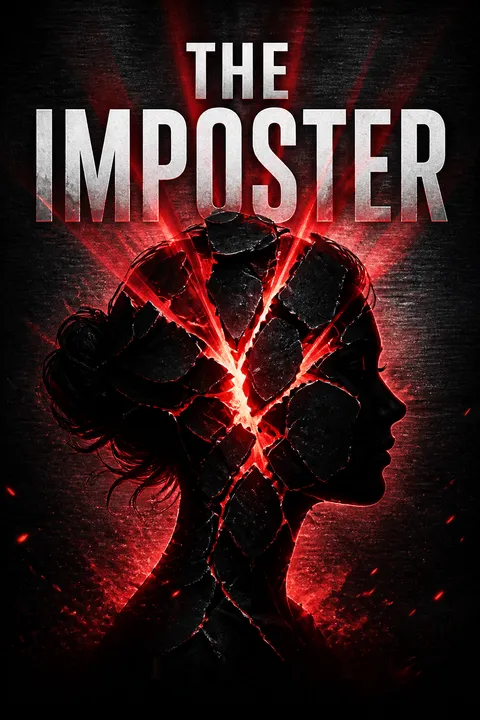

Plot Summary
Prologue: Freedom's Price
The story opens with a chilling exchange: the protagonist, Shae, taunts a man with the price of freedom, tossing him a hammer and threatening that escape will cost him dearly. This sets the tone for a psychological thriller where power, manipulation, and the cost of liberation are central. The prologue's cat-and-mouse dynamic foreshadows the twisted relationships and moral ambiguity that will define the narrative. The protagonist's enjoyment of the game hints at a fractured psyche, and the threat lingers, promising that the pursuit of freedom—literal or psychological—will demand sacrifice, pain, and perhaps the loss of self. The reader is immediately thrust into a world where trust is dangerous, and every interaction is a potential trap.
Becoming Kelly
Shae, a woman with a traumatic past and a history of mental illness, has assumed the identity of her former therapist, Kelly Fraser. After escaping a psychiatric hospital, she starves herself, changes her appearance, and moves into Kelly's life—literally and figuratively. She takes over Kelly's clients, home, and routines, relishing the power and anonymity this new identity provides. The act is both a survival mechanism and a form of revenge against a world that has failed her. Shae's transformation is not just physical but psychological; she believes she is better at being Kelly than Kelly ever was. Yet, beneath the surface, she is haunted by her past, her relationship with Kelly, and the knowledge that her new life is built on lies and stolen moments.
Childhood Shadows
Shae's childhood is marked by neglect, emotional abuse, and the burden of caring for her younger sister, Sophie, after their mother abandons them. Their father, an alcoholic, uses the closet as a punishment and a babysitter, locking Shae away for hours. The closet becomes both a prison and a sanctuary—a place of numbness and escape from chaos. Shae's emotional detachment and survival instincts are forged in these dark corners. Her relationship with Sophie is complex: protective yet tinged with resentment. The trauma of these years shapes Shae's worldview, her inability to trust, and her capacity for both love and violence. The closet's darkness is a metaphor for the secrets and pain she carries into adulthood.
The Neighbor and the Past
In her new life as Kelly, Shae meets her neighbors, including Isaac and Brianna Rawlins, a seemingly perfect couple seeking marriage counseling. Isaac's presence triggers memories of Shae's teenage years—he was her first love and the source of deep trauma. The neighborhood's tranquility is deceptive; beneath it, Shae's obsession with Isaac resurfaces. She stalks his social media, recalls their brief, intense romance, and the betrayal that followed. The arrival of Taylor, a laid-back ex-cop neighbor, adds another layer of tension. Taylor's friendliness masks a keen observational skill, making him both a potential ally and a threat. Shae's paranoia grows as she navigates these relationships, always aware that her true identity could be exposed.
Isaac Returns
Isaac's reappearance in Shae's life is both intoxicating and destabilizing. Their therapy sessions blur the lines between professional and personal, as Shae manipulates the couple's dynamic, pushing Brianna and Isaac further apart. Flashbacks reveal the intensity of Shae and Isaac's teenage relationship, the jealousy of Brianna, and the tragic events that led to Sophie's death. Shae's obsession with Isaac is rekindled, but it is laced with resentment and a desire for revenge. She inserts herself into his marriage, exploiting his vulnerabilities and sowing seeds of doubt. The past and present collide as Shae seeks both validation and retribution, unable to distinguish love from hate.
Sisterhood and Survival
Shae's relationship with her sister is fraught with conflicting emotions. She is both caretaker and rival, resenting Sophie's favored status with their father and her innocence in the face of abuse. The sisters bond over shared hardship, but Shae's anger simmers beneath the surface. She contemplates drastic actions—poison, suffocation—as a means of escape for both of them. The trauma of Sophie's eventual death becomes the central wound in Shae's psyche, fueling her later actions and her inability to form healthy attachments. The loss of Sophie is both a tragedy and a twisted liberation, leaving Shae alone with her pain and her capacity for darkness.
The Summer That Broke
The pivotal summer of Shae's youth is marked by her romance with Isaac, the jealousy of Brianna, and the escalating cruelty of high school social dynamics. Brianna's bullying is relentless, targeting Shae's poverty and family dysfunction. Isaac, caught between the two girls, ultimately chooses Brianna, shattering Shae's fragile sense of belonging. The summer ends in catastrophe: Sophie, wearing Shae's work uniform, is mistaken for her and dies in a tragic incident on the pier. The event is shrouded in ambiguity—was it an accident, a prank gone wrong, or something more sinister? The trauma cements Shae's belief that love is dangerous and that she is destined to be alone.
Brianna's Perfect Life
As Shae/Kelly becomes more entangled in Isaac and Brianna's lives, she is both envious and contemptuous of Brianna's privilege and beauty. She manipulates therapy sessions, plants evidence of infidelity, and exploits Brianna's insecurities. Brianna's façade of perfection begins to crack under the pressure, and her marriage unravels. Shae's actions are driven by a desire to destroy what she cannot have and to punish those she believes have wronged her. The line between therapist and predator blurs, as Shae orchestrates the couple's downfall with calculated cruelty. Yet, her own longing for connection and recognition remains unfulfilled.
Therapy Games
Shae's role as Kelly allows her to wield power over her clients, particularly Isaac. Their sessions become increasingly intimate, culminating in a sexual relationship that is both thrilling and destructive. Shae uses her knowledge of psychology to manipulate Isaac's emotions, pushing him toward a separation from Brianna. She revels in the control she has over him, but her actions are also a desperate attempt to reclaim the love and validation she lost as a teenager. The therapy room becomes a stage for her revenge, her longing, and her unraveling sense of self.
Obsession Rekindled
Shae's obsession with Isaac intensifies as she sabotages his marriage and inserts herself into every aspect of his life. She forges messages from Brianna, manipulates evidence, and gaslights both Isaac and Brianna. Her paranoia grows as she receives threatening messages and suspects that her neighbor Taylor is watching her. The boundaries between reality and delusion blur, as Shae's need for control becomes all-consuming. Her actions escalate from psychological manipulation to physical violence, culminating in a confrontation that will force the truth into the open.
The Truth About Sophie
The mystery of Sophie's death is finally confronted. Shae believes Isaac and Brianna are responsible, but the truth is murky—memories are unreliable, and guilt is shared. Isaac's confession reveals that Brianna, in a jealous rage, mistook Sophie for Shae and pushed her off the pier. The event was a tragic accident, but the consequences have haunted all involved. Shae's need for justice is insatiable; she cannot forgive or forget. The revelation does not bring closure, only a deeper sense of loss and betrayal. The past cannot be undone, and the cycle of pain continues.
Brianna Unravels
Brianna, pushed to the brink by Shae's manipulations, leaves Isaac and disappears. Shae, now fully unhinged, murders Brianna and disposes of her body, forging messages to Isaac to maintain the illusion that Brianna is alive and well. Isaac, desperate and grieving, becomes increasingly suspicious. The web of lies tightens, and Shae's control begins to slip. The violence that has simmered beneath the surface erupts, and the consequences are irreversible. Shae's actions are both a fulfillment of her revenge and a testament to her own brokenness.
The Web Tightens
Isaac uncovers the truth about Shae's identity and confronts her. In a desperate bid to maintain control, Shae drugs and imprisons him in his own basement, forcing him to mutilate himself in exchange for information about Brianna. The power dynamic is reversed—Isaac, once the object of desire and revenge, is now a victim. Shae's cruelty is matched only by her need for recognition and validation. The confrontation is brutal, both physically and emotionally, as the characters are forced to confront the consequences of their actions and the lies that have defined their lives.
Isaac's Confession
In the basement, Isaac is forced to confess his role in Sophie's death and to confront the reality of his marriage and his relationship with Shae. The exchange is transactional—pain for truth, mutilation for answers. Shae's need for justice is insatiable, and Isaac's suffering is both a punishment and a perverse form of intimacy. The scene is a microcosm of the novel's themes: the blurred lines between love and hate, victim and perpetrator, truth and delusion. The cost of freedom, both literal and psychological, is paid in blood.
The Hammer Falls
The violence reaches its peak as Shae, wielding a hammer, exacts her revenge on Isaac. She leaves him mutilated and bleeding, taking his dog as a trophy and fleeing the scene. The act is both a culmination of her long-held rage and a final severing of ties to her past. Shae's escape is not triumphant but hollow—she is haunted by the ghosts of those she has lost and those she has destroyed. The cycle of violence and abandonment continues, and the possibility of redemption slips further away.
The Final Lie
As Shae prepares to flee, she discovers a birth certificate among Kelly's papers, revealing that Kelly is her biological mother. The revelation reframes the entire narrative—Kelly's role as therapist was a cover for her guilt and her attempt to make amends for abandoning her daughters. Shae's rage and sense of betrayal are reignited; every session, every act of care, is now tainted by the knowledge of this deeper deception. The story comes full circle as Shae sets out to confront Kelly, seeking answers and perhaps a final reckoning.
Mother's Secret
In the epilogue, Shae tracks down Kelly, now incapacitated and living under Shae's name. The confrontation is one-sided—Kelly cannot respond, and Shae is left with her questions and her anger. The revelation that Kelly is her mother adds a new layer of tragedy to the story: the cycle of abandonment, trauma, and violence is generational. Shae's journey is not one of healing but of perpetuating the wounds she has inherited. The story ends with the promise of further conflict, as Shae's quest for closure remains unfulfilled and the ghosts of the past continue to haunt her.
Analysis
A modern meditation on trauma, identity, and the hunger for validationThe Imposter is a psychological thriller that explores the darkest corners of the human psyche, where love and hate are indistinguishable and the search for connection is fraught with danger. Through the character of Shae, the novel interrogates the ways in which trauma shapes identity and the lengths to which we will go to reclaim power and agency. The story is a cautionary tale about the dangers of unchecked pain, the ease with which reality can be manipulated, and the generational cycles of harm that persist when secrets are left to fester. The use of unreliable narration, shifting identities, and psychological manipulation forces the reader to confront the instability of truth and the complexity of human motivation. Ultimately, The Imposter is a story about the impossibility of closure and the enduring legacy of abandonment—a reminder that the wounds of the past are never truly healed, only transformed.
Review Summary
The Imposter is the second book in a series following the unhinged protagonist Shae, now posing as therapist Kelly Fraser. Most readers rated it 4 out of 5 stars, with many claiming it surpasses the first book. Reviewers praised the deeper exploration of Shae's troubled backstory through flashbacks, the compelling pacing, and an unexpected twist ending. Some criticized the story as too far-fetched or predictable, with underdeveloped side characters. Nearly all readers expressed eagerness to continue with the third installment.
People Also Read









Characters
Shae Halston / Kelly Fraser
Shae is the novel's antihero—a woman shaped by childhood trauma, abandonment, and mental illness. Her identity is fluid: she becomes Kelly Fraser, her former therapist, in a bid for survival and revenge. Shae is both victim and perpetrator, capable of deep empathy and shocking cruelty. Her relationships are defined by obsession, manipulation, and a desperate need for validation. The loss of her sister Sophie is the central wound in her psyche, fueling her actions and her inability to trust. Shae's psychological complexity is the engine of the story—her capacity for reinvention is matched only by her capacity for destruction. Her journey is one of self-discovery, but it is also a descent into darkness, as she becomes the very thing she fears and hates.
Isaac Rawlins
Isaac is the catalyst for much of Shae's pain and rage. As a teenager, he was Shae's first love, but his indecision and loyalty to Brianna led to betrayal and tragedy. In adulthood, he is successful, charming, and seemingly in control, but beneath the surface, he is emotionally stunted and unable to confront his own guilt. Isaac's relationship with Shae is fraught with unresolved tension—he is both a victim of her manipulations and a participant in the cycle of harm. His eventual captivity and mutilation are both punishment and a twisted form of intimacy. Isaac's inability to remember or acknowledge the past is his fatal flaw, and his suffering is both a consequence of his actions and a reflection of the novel's themes of memory, guilt, and retribution.
Brianna Rawlins
Brianna is the embodiment of privilege and perfection—beautiful, wealthy, and envied by all. Her relationship with Isaac is both passionate and toxic, marked by jealousy and competition. As a teenager, she was Shae's tormentor, using her social power to inflict pain and exclusion. In adulthood, she becomes the target of Shae's revenge, her marriage and identity systematically dismantled. Brianna's eventual murder is the culmination of years of rivalry and resentment. Yet, she is also a victim of the same cycles of insecurity and need for validation that drive Shae. Her death is both a punishment and a release, and her absence leaves a void that cannot be filled.
Sophie
Sophie is Shae's younger sister and the symbol of everything good and vulnerable in Shae's life. Her death is the central trauma that shapes Shae's worldview and actions. Sophie is both a source of comfort and a reminder of failure—Shae's inability to protect her is the wound that never heals. Sophie's innocence and neediness are both cherished and resented by Shae, reflecting the complexity of sibling relationships under duress. Her presence lingers as a ghost, haunting Shae's every decision and fueling her quest for justice and revenge.
Kelly Fraser
Kelly is both Shae's therapist and, as revealed late in the story, her biological mother. Her role is fraught with ethical and emotional complications—she attempts to heal Shae while hiding the truth of their relationship. Kelly's abandonment of her daughters is the original sin that sets the story in motion. Her attempts at redemption are undermined by secrecy and guilt. As Shae assumes her identity, Kelly becomes both a victim and a symbol of the generational cycle of trauma. Her incapacitation at the end of the novel is both a punishment and a tragic irony—she is rendered voiceless, unable to answer for her actions or offer the closure Shae so desperately seeks.
Taylor
Taylor is a former cop turned surfer who becomes Shae's neighbor and occasional confidant. His laid-back demeanor masks a sharp intelligence and a tendency to observe more than he reveals. Taylor's presence is both comforting and menacing—he represents the possibility of exposure and the dangers of intimacy. As Shae's paranoia grows, Taylor becomes a symbol of the outside world's encroachment on her carefully constructed reality. His role as a witness and potential whistleblower adds tension and uncertainty to the narrative.
Dean
Dean is Shae's former husband, a figure from her life as Mia Starr, the influencer. His betrayal and abandonment are part of the pattern of loss and disappointment that defines Shae's relationships with men. Dean's reappearance in the narrative serves as a reminder of the life Shae left behind and the consequences of her actions. He is both a threat and a symbol of the unresolved pain that drives Shae's need for reinvention and revenge.
Benjamin
Benjamin is a new therapy client who flirts with Shae/Kelly and represents the temptation of a new beginning. His willingness to cheat on his wife and his emotional neediness mirror Shae's own patterns of seeking validation through others. Benjamin's presence in the story highlights the universality of the novel's themes—everyone is searching for connection, and everyone is capable of betrayal. His interactions with Shae serve as a reminder that the cycle of harm is not unique to her; it is a reflection of broader human frailty.
Sophie's and Shae's Father
The girls' father is the source of much of their trauma—an alcoholic, neglectful, and emotionally abusive man who uses his daughters as scapegoats for his own failures. His cruelty and indifference shape Shae's worldview and her capacity for both love and violence. He is both a villain and a victim of his own circumstances, perpetuating the cycle of harm that defines the family. His presence looms over the narrative, a constant reminder of the dangers of unchecked pain and the need for escape.
The Dog (Toby)
Isaac's dog, eventually named Toby by Shae, serves as a symbol of innocence and loyalty in a world defined by betrayal and violence. The dog's shifting allegiance—from Isaac to Shae—mirrors the fluidity of relationships and the ease with which trust can be transferred or broken. Toby's presence offers moments of tenderness and humanity, even as the human characters descend into cruelty and madness.
Plot Devices
Unreliable Narration and Identity Shifts
The novel employs an unreliable narrator in Shae, whose perception of events is colored by trauma, mental illness, and self-deception. Her assumption of Kelly's identity blurs the lines between self and other, victim and perpetrator. The shifting perspectives and fragmented memories force the reader to question what is real and what is constructed. The use of therapy sessions as both confessional and battleground highlights the instability of truth and the dangers of unchecked power. The narrative structure, with its interwoven timelines and flashbacks, mirrors the protagonist's fractured psyche and the cyclical nature of trauma.
Foreshadowing and Symbolism
The novel is rich in foreshadowing—objects like the hammer, the closet, and the birth certificate serve as symbols of violence, secrecy, and revelation. The recurring motif of the closet represents both imprisonment and sanctuary, while the hammer is both a tool of construction and destruction. The use of social media, therapy notes, and forged messages underscores the theme of constructed reality and the ease with which truth can be manipulated. The dog, Toby, serves as a symbol of loyalty and the possibility of redemption, even as the human characters betray one another.
Psychological Manipulation and Gaslighting
The central plot device is psychological manipulation—Shae's ability to gaslight, seduce, and control those around her is both her weapon and her undoing. The therapy sessions become arenas for power struggles, with Shae exploiting her knowledge of psychology to destabilize her clients and rivals. The blurring of professional and personal boundaries reflects the broader theme of identity confusion and the dangers of unchecked authority. The novel's tension is driven by the constant threat of exposure and the precariousness of Shae's constructed reality.
Cyclical Structure and Generational Trauma
The narrative is cyclical—events from the past are mirrored in the present, and the sins of the parents are visited upon the children. The revelation that Kelly is Shae's mother reframes the entire story as a meditation on generational trauma and the impossibility of escape. The cycle of abandonment, abuse, and revenge is perpetuated, with each character both victim and perpetrator. The novel's structure reinforces the idea that healing is elusive and that the past cannot be outrun.
Download PDF
Download EPUB
.epub digital book format is ideal for reading ebooks on phones, tablets, and e-readers.








































