
Plot Summary
Siege at Sihui's Bridge
General Tzu leads the battered defenders of Sihui against Echion's overwhelming forces. The city's fate hangs on a final bridge, with King Zhumu and Captain Shan fighting alongside their people. Tzu's cunning—using fake armor and sigils to protect against the killing fog—buys time, but the enemy's numbers and magic are relentless. Just as all seems lost, unexpected reinforcements from Dawanju arrive, turning the tide. The defenders' hope is rekindled, but Tzu knows the victory is fragile, built on lies and borrowed time. The city's survival is a brief reprieve in a world where the Dragon of Night's shadow grows ever longer, and the cost of resistance is measured in blood and sorrow.
Bingmei's Flight and Rescue
Bingmei, marked by winter sickness and chosen by the phoenix, flees the clashing dragons Echion and Xisi. Injured and trapped in a crevice, she is guided by a mysterious voice and the intervention of birds. Quion, her steadfast friend, finds and rescues her, tending to her wounds. Their bond deepens as they journey through the aspen woods, pursued by dragons and haunted by visions of sacrifice. Bingmei feels the pull of destiny toward the phoenix shrine, knowing her path leads to death and the hope of breaking Echion's tyranny. The emotional weight of loss, friendship, and looming fate colors every step of their escape.
Meiwood Grove's Secret
Bingmei and Quion discover a vast, orderly grove of meiwood trees—the source of all magical artifacts and weapons. The grove is fiercely guarded by lions, and the pair narrowly escape death with the help of Quion's snow leopard. The grove's existence explains Echion's desire to keep the world divided and powerless. The magical wood, essential for both protection and destruction, becomes a symbol of the world's lost unity and the cost of hoarded power. The encounter with the grove and its guardians deepens Bingmei's understanding of the world's history and the roots of Echion's control.
The Poisoned Tree
Journeying through a river gorge, Bingmei and Quion stumble upon a silver-barked tree covered in blue butterflies. The tree's allure nearly kills them—Quion succumbs to its compulsion, and Bingmei must fight him to save his life. Xisi, the Dragon Queen, arrives and harvests a butterfly, revealing the tree's role in the immortality pact between her and Echion. The encounter exposes the depth of the dragons' hatred and the poisonous bargains that bind them. The tree's magic, both seductive and deadly, foreshadows the cost of immortality and the lengths to which the dragons will go to maintain their power.
Through the River Maze
Bingmei and Quion traverse the endless narrows, pursued by dragons and haunted by dreams of the Grave Kingdom—a realm where the dead wander, separated from loved ones by Echion's magic. Bingmei's connection to Rowen, her lost love, is reaffirmed through a mystical thread. The journey is marked by exhaustion, danger, and the growing sense that Bingmei's sacrifice is the only hope for breaking the curse that keeps families apart in death. The emotional toll of grief, longing, and the burden of destiny intensifies as they near the phoenix shrine.
Grave Kingdom's Shadows
Reaching a valley of stone pillars—giant burial mounds—Bingmei is confronted by the ghosts of the past. She experiences visions of the ancient war where the phoenix's forces fell to Echion's betrayal. The land itself is scarred by the violence and loss, and the dead's presence is palpable. The journey through the mounds is fraught with danger from monstrous tortoises and dragons lying in wait. Bingmei is wounded, and the sense of mortality and the weight of history press upon her, underscoring the cyclical nature of sacrifice and resurrection and the hope for redemption.
Phoenix Shrine's Sacrifice
Bingmei and Quion scale the pillar to the phoenix shrine, pursued by Echion and his dragons. The climb is perilous, and Bingmei is driven by visions and the urgent warning from Rowen. Reaching the shrine, she finds the tomb of the phoenix empty, waiting for her. As Echion arrives to kill her, Bingmei surrenders herself, filled with love and the memories of all who have helped her. Her death is both an end and a beginning—the necessary sacrifice to awaken the phoenix and set the stage for the world's renewal.
The Pact of Immortals
Bingmei's spirit journeys to the true Fusang, guided by Prince Juexin. She learns the history of the phoenix and dragon, the meaning of the Immortal Words, and the nature of the Reckoning—a final judgment that will reunite souls and memories. The phoenix reveals that Bingmei's true destiny is not just to die, but to become the mother of the next phoenix, whose birth will break Echion's curse. The cost of mercy, the balance of justice, and the power of selfless love are laid bare. Bingmei accepts her role, joining with the phoenix and returning to the mortal world transformed.
The Birth of Shixian
Sheltered in the phoenix shrine, Bingmei endures a harsh, magically-accelerated winter. Quion remains by her side, and together they survive with the help of the phoenix's magic and the birds. Bingmei gives birth to Shixian, a son destined to be the phoenix reborn. The moment is both joyful and bittersweet—her love for her child is overwhelming, but the threat of Echion and Xisi looms. The birth marks the fulfillment of prophecy and the beginning of a new hope, but also the end of sanctuary, as the dragons close in and the family must flee.
Winter's End, War's Dawn
With the protection of the shrine ended, Bingmei, Quion, and Shixian escape into the melting world. The threat of Echion's dragons is ever-present, and the journey is perilous. Bingmei's use of the Immortal Words to summon winter and conceal their tracks has unintended consequences—lives are lost, and the lesson of power's cost is driven home. As spring returns, General Tzu and the allied kingdoms prepare to attack Fusang, unaware of the dragons' trap. Bingmei's warnings and the knowledge of protective glyphs become crucial as the world hurtles toward war.
The Battle for Fusang
General Tzu's forces, united at last, march on Fusang. Echion unleashes his dragons and the killing fog, but Bingmei's knowledge of the protective glyphs and meiwood weapons gives the allies a fighting chance. The battle is chaotic and brutal, with dragons and warriors clashing amidst magical storms. Bingmei and her companions fight desperately, and the cost in lives is immense. The struggle is not just for victory, but for the soul of the world—a test of mercy, justice, and the possibility of breaking the cycle of violence and revenge.
The Reckoning and Eclipse
As the battle rages, a supernatural eclipse darkens the sky—a sign of the Reckoning, the end of the Dragon of Night's reign. The world holds its breath as the balance of power shifts. Bingmei and Rowen, now bonded as phoenix and consort, confront Echion and Xisi in a final showdown. The eclipse becomes a symbol of the world's transformation, the closing of one era and the dawn of another. The emotional climax is marked by sacrifice, courage, and the hope that the cycle of suffering can finally be broken.
Death and Resurrection
In the heart of the Hall of Memory, Bingmei faces Echion and is mortally wounded. Her spirit is drawn toward the Grave Kingdom, but Rowen, using the Immortal Words, calls her back to life. Their reunion is a moment of profound love and shared destiny. Together, they wield the Phoenix Blade and the power of the glyphs to challenge Echion, proving that even death can be overcome by the strength of their bond and the purpose they share. The resurrection is both literal and symbolic—a triumph of hope over despair.
The Fall of Dragons
With the eclipse as omen, Bingmei and Rowen defeat Echion, using the Phoenix Blade and the glyph of death. The Dragon of Night's reign ends in blood and terror, his immortality undone by the very bargains he made. Xisi, bereft and furious, transforms and flees, her power broken but her threat lingering. The victory is hard-won, and the cost is high—friends are lost, and the world is left to reckon with the aftermath. The fall of the dragons marks the restoration of balance and the opening of a new chapter for Fusang and the allied kingdoms.
The Fate of the Child
In the chaos, Xisi kidnaps Shixian, intending to raise him as her own and mold him into a ruler in her image. Bingmei is forced into an unbreakable magical pact—Xieyi—sacrificing her right to her child in exchange for Xisi's help in making Echion mortal. The emotional devastation is profound, as Bingmei's love and selflessness are tested to their limits. The fate of the child becomes the world's fate, and the hope for redemption is bound to the possibility of one day reuniting mother and son.
The Unbreakable Oath
Bingmei's pact with Xisi is sealed with the Immortal Word, binding both to their promises. Xisi poisons Echion, fulfilling her side, while Bingmei is compelled to surrender Shixian. The agony of loss is matched by the hope that the sacrifice will ultimately free the world from the dragons' tyranny. The unbreakable oath is a testament to the power of love, the necessity of compromise, and the enduring strength of hope in the face of despair.
The Restoration of Souls
With Echion dead and Xisi in flight, Bingmei uses the Immortal Words to restore the spirits of her bond sisters, Mieshi and Zhuyi, and revive fallen friends. The act of healing and reunion is a moment of grace amidst the aftermath of war. The restoration of souls symbolizes the possibility of redemption, the healing of old wounds, and the promise of a future where the mistakes of the past need not be repeated. The bonds of friendship and loyalty are renewed, and the world begins to heal.
A New Dawn in Fusang
With the dragons defeated and the armies disarmed, Rowen and Bingmei lead Fusang into a new era. Mercy is chosen over vengeance, and the cycle of violence is broken. The fate of Shixian remains uncertain, but hope endures. The restoration of the palace, the reunion of families, and the promise of love and partnership between Rowen and Bingmei mark the beginning of a new story. The world is changed, but the river of time flows on, carrying with it the lessons of sacrifice, forgiveness, and the enduring power of the immortal words.
Analysis
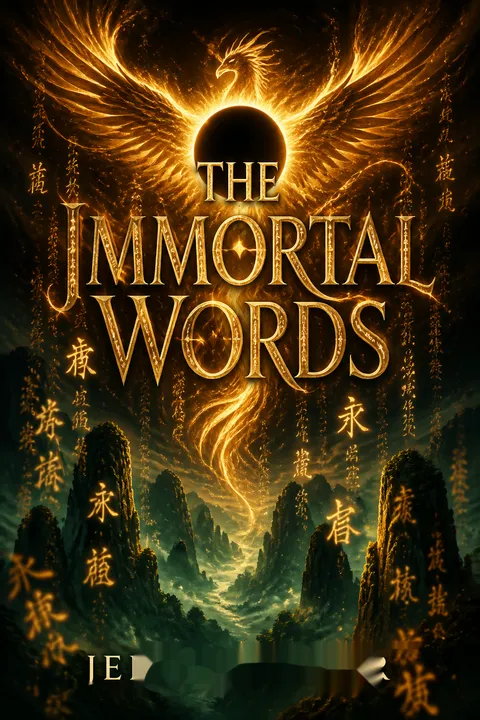
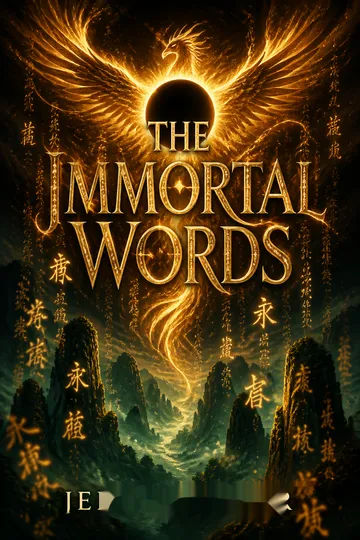
A modern epic of sacrifice, balance, and the cost of powerThe Immortal Words is a sweeping fantasy that reimagines the hero's journey through the lens of Eastern mythology, martial arts, and the psychological complexity of trauma and healing. At its heart, the novel is about the necessity of sacrifice—not just the willingness to die, but the harder task of surrendering what we love most for the greater good. Bingmei's journey from outcast to savior, her acceptance of pain, and her ultimate act of mercy reflect the novel's central lesson: true power lies not in domination, but in the courage to forgive, to heal, and to hope. The Immortal Words themselves are a metaphor for the stories we tell, the promises we keep, and the consequences of our choices. The book warns against the dangers of unchecked ambition and the seductive allure of immortality, while celebrating the resilience of the human spirit and the possibility of redemption. In a world fractured by fear and violence, The Immortal Words offers a vision of unity, compassion, and the enduring strength of love—a message as vital today as in any age.
Review Summary
People Also Read

Characters
Bingmei
Bingmei is an orphan marked by winter sickness, whose unique ability to smell emotions sets her apart. Chosen by the phoenix, she is driven by a sense of duty, loyalty, and a deep well of compassion. Her journey is one of self-discovery, loss, and acceptance—she must confront her own fears, the pain of love, and the burden of destiny. Bingmei's relationships—with Quion, Rowen, and her bond sisters—reveal her capacity for deep connection and selfless sacrifice. Her greatest test comes in surrendering her child to save the world, embodying the paradox of strength through vulnerability. Through death and resurrection, she becomes the mother of hope, a symbol of mercy, and the catalyst for the world's renewal.
Rowen
Rowen, the younger prince of Sajinau, is haunted by visions and a sense of inadequacy. Blinded by dragon's blood, he develops a mystical connection to Bingmei and the birds, allowing him to see through their eyes. His love for Bingmei is steadfast, and his willingness to sacrifice for her and the world is profound. Rowen's journey is one of transformation—from a rebellious prince to a leader capable of mercy and vision. His bond with the phoenix and his role as father to Shixian complete his arc, making him both a partner in destiny and a symbol of the world's hope for balance and justice.
Echion
Echion is the immortal Dragon Emperor, whose quest for power and control has left the world divided and enslaved. His mastery of the Immortal Words and the killing fog makes him nearly invincible, but his immortality is a curse—he is bound to Xisi, his queen, in a loveless, hateful pact. Echion's psychological complexity lies in his fear of the Reckoning, his inability to trust, and his desperate need to maintain dominance. His downfall is precipitated by his own bargains and the betrayal of those closest to him. In the end, Echion is undone by the very forces he sought to control, a tragic figure whose legacy is both destruction and the possibility of renewal.
Xisi
Xisi is Echion's immortal consort, equally cunning and ruthless. Her hatred for Echion is matched only by her ambition—she seeks to rule alone and is willing to betray, poison, and manipulate to achieve her ends. Xisi's psychological depth is revealed in her longing for power, her capacity for deception, and her twisted desire to claim Bingmei's child as her own. Her pact with Bingmei is both a moment of vulnerability and a demonstration of her willingness to exploit any weakness. Xisi's flight at the end leaves her a lingering threat, a reminder that the cycle of ambition and revenge is not easily broken.
Quion
Quion, the fisherman's son, is Bingmei's most steadfast companion. His practical skills, honesty, and unwavering support make him indispensable. Quion's psychological resilience is rooted in his acceptance of his limitations and his willingness to serve without expectation of reward. His bond with Bingmei is deep and platonic, marked by moments of tenderness and sacrifice. Quion's role as caretaker during Bingmei's pregnancy and his eventual partnership with Lianhua highlight the quiet heroism of ordinary people in extraordinary times.
Shixian
Shixian, the son of Bingmei and Rowen, is the phoenix reborn—a symbol of the world's hope for renewal and the breaking of Echion's curse. Though an infant, his fate is the axis upon which the world's future turns. The struggle for his custody—between Bingmei, Xisi, and the forces of destiny—embodies the tension between love, sacrifice, and the cost of power. Shixian's existence is both a promise and a challenge, a living testament to the possibility of change.
General Tzu
General Tzu is the military mind behind Sihui's defense and the alliance of kingdoms. His pragmatism, cunning, and willingness to use deception are balanced by a deep sense of responsibility and sorrow. Tzu's psychological burden is the knowledge that victory is often built on lies and sacrifice. His leadership is marked by moments of doubt, humility, and the recognition that mercy, not just strength, is needed to build a better world.
Mieshi and Zhuyi
Mieshi and Zhuyi, members of Bingmei's original ensign, are both victims and survivors of the dragons' magic. Stripped of their emotions and used as tools, their restoration by Bingmei is a powerful moment of healing and redemption. Their loyalty, courage, and capacity for forgiveness underscore the novel's themes of friendship, loss, and the possibility of reclaiming what has been broken.
Marenqo
Marenqo's linguistic skills and adaptability make him a valuable ally. His journey from servant to warrior is marked by moments of humor, resilience, and quiet bravery. Marenqo's survival and restoration highlight the importance of communication, understanding, and the role of the outsider in shaping the world's fate.
Xisi's Concubine (Lianhua)
Lianhua, the concubine who nurses and protects Shixian, embodies the pain of loss and the power of maternal love. Her willingness to risk everything for a child not her own, and her partnership with Quion, reflect the novel's emphasis on found family, compassion, and the redemptive power of selfless care.
Plot Devices
Immortal Words (Glyphs)
The Immortal Words—magical glyphs that control elements, fate, and even life and death—are the central plot device. Their use is both a blessing and a curse, granting power but demanding responsibility. The glyphs structure the narrative, enabling resurrection, protection, and transformation, but also exacting a price for every action. The learning and mastery of the glyphs parallel the characters' psychological growth, and their misuse serves as a warning about the dangers of unchecked power.
Duality and Balance
The narrative is built on the tension between opposing forces: phoenix and dragon, mercy and justice, life and death, love and hate. The balance between these forces is both a literal and metaphorical struggle, embodied in the relationships between Bingmei, Rowen, Echion, and Xisi. The Reckoning—the final judgment that reunites souls and memories—is foreshadowed throughout, culminating in the eclipse and the world's transformation.
Sacrifice and Resurrection
Repeated cycles of sacrifice and resurrection drive the plot and character arcs. Bingmei's willingness to die, to surrender her child, and to forgive her enemies is mirrored by Rowen's sacrifices and the restoration of lost friends. The motif of death as a gateway to new life is reinforced by the phoenix myth and the literal rebirths enabled by the Immortal Words.
Foreshadowing and Visions
Visions, dreams, and the ability to see through birds' eyes provide both foreshadowing and visions and a sense of inevitability. The river of time flows backward and forward, with characters glimpsing possible futures and pasts. This narrative structure creates suspense, deepens the emotional stakes, and underscores the theme that destiny is shaped by both choice and sacrifice.
The Unbreakable Oath (Xieyi)
The magical pact between Bingmei and Xisi is a pivotal plot device, binding both to their promises and forcing them to act against their deepest desires. The Xieyi oath explores the limits of free will, the pain of necessary compromise, and the enduring consequences of bargains made in desperation.
The Grave Kingdom Series Series
About the Author

Download PDF
Download EPUB
.epub digital book format is ideal for reading ebooks on phones, tablets, and e-readers.








































