
Plot Summary
Golden Childhood, Hidden Cracks
The Bird family's early years are a tapestry of warmth, laughter, and tradition. Lorelei, the whimsical matriarch, fills their Cotswolds cottage with color, crafts, and love, determined to give her four children—Megan, Bethan, Rory, and Rhys—a magical upbringing. Easter egg hunts, sun-drenched gardens, and walls covered in children's art define their days. Yet, beneath the surface, Lorelei's compulsive collecting and inability to let go of objects hint at deeper anxieties. The children, each with their own quirks and insecurities, orbit their mother's eccentricities, not yet understanding the seeds of dysfunction being sown. The house, vibrant and chaotic, becomes both sanctuary and silent witness to the family's growing complexities.
Easter's Shadow Falls
One fateful Easter, the family's fragile harmony shatters. Rhys, the sensitive and troubled youngest, takes his own life, leaving no note, only a void that echoes through the house and the hearts of those left behind. The event is a rupture—Lorelei's grief is strange and muted, Colin, the gentle father, is lost, and the siblings are left to process their pain alone. The house, once a place of celebration, becomes haunted by absence and guilt. Each family member internalizes the tragedy differently, setting them on divergent paths. The annual Easter egg hunt, once a symbol of unity, becomes a painful reminder of what was lost, and the family's connections begin to unravel.
The House Unravels
As years pass, the Bird House deteriorates, mirroring Lorelei's descent into compulsive hoarding. The once-idyllic home is now a fortress of clutter, corridors narrowed by towers of newspapers, broken objects, and forgotten treasures. Lorelei isolates herself, her children grown and scattered, her partner gone. The siblings, now adults, are estranged, each carrying wounds from their upbringing. Megan, the eldest, is practical and controlling; Bethan, gentle but lost; Rory, adrift and self-destructive. The house, once a symbol of love, is now a mausoleum of memory and regret. When Megan and her daughter Molly return after Lorelei's death, they are confronted by the physical and emotional wreckage left behind.
Fractures and Farewells
The siblings' adult lives are marked by distance and misunderstanding. Megan's need for order is a reaction to her chaotic childhood; Bethan remains emotionally stunted, unable to leave home until well into adulthood; Rory flees to Spain and then Thailand, seeking escape but finding only more trouble. Lorelei's relationship with her neighbor Vicky offers her solace, but also alienates her children further. The family's attempts at reconnection—funerals, holidays, brief visits—are fraught with old resentments and unspoken pain. Yet, beneath the anger and disappointment, a longing for reconciliation persists, even as each member struggles to forgive both Lorelei and themselves.
The Weight of Secrets
Secrets fester in the Bird family: the circumstances of Rhys's death, Lorelei's inability to mother after his suicide, Bethan's affair with Megan's husband, and Colin's later relationship with Rory's ex-girlfriend Kayleigh. These betrayals and silences corrode trust and intimacy. Lorelei's hoarding is both symptom and shield, a way to avoid confronting her failures and losses. The siblings, each in their own way, are haunted by what they cannot say. The house, filled with the detritus of decades, becomes a physical manifestation of all that is unsaid and unresolved. Only by facing these secrets can the family hope to heal.
Estrangement and Return
Years of estrangement leave the siblings scattered across the globe—Bethan in Australia, Rory in prison in Thailand, Megan in London. Lorelei, increasingly frail and isolated, maintains contact with an online lover, Jim, pouring her heart into emails that reveal her loneliness and longing for connection. When Lorelei dies, her children are forced to return, physically and emotionally, to the house they grew up in. The process of clearing the hoard becomes a journey through memory, regret, and, ultimately, forgiveness. Old wounds are reopened, but the act of working together offers a chance for reconciliation.
The Hoard and the Heart
The siblings, joined by their father and extended family, undertake the monumental task of clearing Lorelei's house. Each object unearthed is a fragment of their shared history, a trigger for stories, laughter, and tears. The process is grueling, both physically and emotionally, as they confront the reality of Lorelei's illness and the ways it shaped their lives. Amidst the chaos, moments of tenderness and understanding emerge. The act of sorting, discarding, and saving becomes a metaphor for the work of healing—letting go of what no longer serves, and holding on to what truly matters.
Letters Across the Years
Interspersed throughout the narrative are Lorelei's emails to Jim, her unseen confidant. Through these letters, her inner life is laid bare—her regrets, her justifications, her yearning for love and absolution. She confesses her failures as a mother, her shame over the state of her house, her complicated feelings about her children and her past. The correspondence is both a lifeline and a mirror, forcing Lorelei to confront truths she has long avoided. For the reader, these letters provide a poignant counterpoint to the siblings' perspectives, illuminating the complexity of Lorelei's character and the tragedy of her isolation.
Sins of the Past
As the family digs through the house and their memories, long-buried truths come to light. The circumstances of Rhys's death are finally revealed—his desperate, confused attempt to seek comfort from his mother, and her inability to respond. Bethan's affair with Bill, Megan's husband, is exposed, shattering the fragile peace between the sisters. Colin's relationship with Kayleigh, and the tangled web it weaves through the family, is confronted. Each revelation is a blow, but also an opportunity for honesty and, eventually, forgiveness. The family is forced to reckon with the ways they have hurt each other, intentionally and not.
The Unspoken and the Unbearable
The siblings and their father grapple with guilt—over Rhys, over betrayals, over the years lost to silence and anger. Lorelei's death, and the process of clearing her house, becomes a crucible in which these emotions are distilled. Through painful conversations and shared labor, the family begins to articulate what was once unspeakable. They acknowledge their failures, mourn what cannot be changed, and tentatively reach for each other. The house, once a tomb, becomes a space for catharsis and, ultimately, hope.
Clearing the Wreckage
With the help of extended family and friends, the Bird siblings transform the house from a hoarder's prison to a home once more. The process is both literal and symbolic—a clearing away of the past to make room for the future. As they work, they rediscover the bonds that once united them, and the love that endures beneath the pain. The house, stripped of its burdens, becomes a place of possibility. The siblings, too, are changed—more honest, more compassionate, more willing to forgive themselves and each other.
Forgiveness and New Beginnings
In the aftermath of the clear-out, the family gathers for Lorelei's funeral. Old wounds are acknowledged, apologies are made, and, for the first time in years, the siblings stand together as a family. The next generation—Megan's children, Bethan's newborn daughter, Rory's daughter Tia—offer hope for a different future. The house, now shared by Bethan and Rory, is filled with light and laughter once more. The family is not healed, but healing; not whole, but together. The cycle of pain is broken, if only for a moment, by the choice to forgive and to love.
The Next Generation
Bethan, now a mother herself, finds peace in the house she once fled. Her daughter, Elsa, is surrounded by cousins, aunts, and uncles—a new Bird generation, free from the secrets and burdens that haunted their parents. Megan, reconciled with Bill and her siblings, embraces the messiness of family life. Rory, finally home, seeks redemption in small acts of care and connection. The house, once a symbol of loss, becomes a place of belonging again. The family, scarred but resilient, looks to the future with hope.
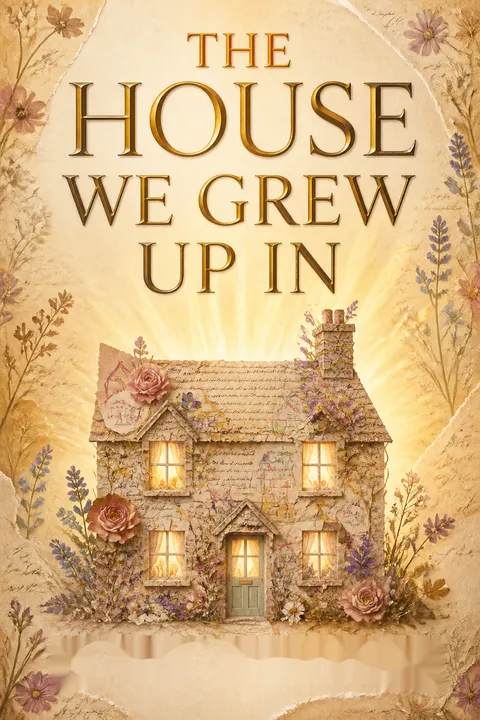
The House We Grew Up In
The Bird House stands as both a witness and a participant in the family's story. It is a repository of joy and sorrow, of love and loss. Its walls have absorbed laughter, anger, and grief; its rooms have sheltered secrets and dreams. In the end, the house is not just a setting, but a character—a reflection of the family's journey from innocence to experience, from fragmentation to tentative wholeness. To grow up in a house is to be shaped by it, and to carry its legacy, for better or worse, into the world.
Epilogue: Pebbles from the Same Beach
In the aftermath, the family gathers once more, joined by friends and the next generation. Letters are exchanged, memories shared, and the house is filled with life. The siblings, older and wiser, reflect on the journey that brought them here—the pain, the mistakes, the love that survived. They are, as Vicky once wrote, "pebbles from the same beach"—unique, weathered, and forever connected. The story ends not with resolution, but with acceptance: of the past, of each other, and of the imperfect, beautiful family they have become.
Analysis
Lisa Jewell's The House We Grew Up In is a profound meditation on the complexities of family, the corrosive power of secrets, and the possibility of redemption. Through the lens of the Bird family's unraveling and tentative reconnection, Jewell explores how trauma—both spoken and unspoken—can shape generations. The house, with its layers of clutter and memory, becomes a powerful metaphor for the burdens we carry and the difficulty of letting go. The novel refuses easy answers: healing is messy, forgiveness is incomplete, and love is both a source of pain and the only path to wholeness. Jewell's compassionate, unsparing portrait of Lorelei—at once enchanting and infuriating—invites readers to consider the ways we fail those we love, and the grace that can be found in trying again. Ultimately, the story is a testament to resilience: that even in the aftermath of loss and betrayal, it is possible to clear a space for hope, and to choose, again and again, to be a family.
Review Summary
Reviews for The House We Grew Up In are largely positive, averaging 3.78 stars. Many readers praise the compelling character study of the dysfunctional Bird family, the realistic portrayal of hoarding, and Jewell's smooth, engrossing writing style. The multi-timeline structure and emotional depth resonated strongly with fans. Critics, however, found the story excessively dark and melodramatic, with too many crammed-in social issues, unlikable characters, and an overly neat ending. The audiobook narration received particular praise from those who listened.
People Also Read



Characters
Lorelei Bird
Lorelei is the heart and wound of the Bird family—a vibrant, creative, and deeply troubled woman whose compulsive hoarding masks profound grief and unresolved trauma. Her childhood was marked by secrecy and pain, shaping her determination to give her own children a magical, love-filled upbringing. Yet, her inability to let go—of objects, of memories, of guilt—ultimately isolates her. Lorelei's relationships with her children are fraught: she adores them, but her emotional immaturity and avoidance of pain leave them feeling neglected and misunderstood. Her emails to Jim reveal a woman desperate for connection and absolution, yet unable to escape the patterns that have defined her life. In death, she becomes both a cautionary tale and a source of bittersweet wisdom.
Megan (Meg) Bird
Meg is the family's anchor and enforcer, shaped by the chaos of her childhood into a woman obsessed with control and cleanliness. She is fiercely competent, often taking on the burdens of others, but struggles with vulnerability and trust. Her relationship with Lorelei is ambivalent—part admiration, part resentment. Meg's marriage to Bill is tested by betrayal and her own rigidity, but she ultimately chooses forgiveness and renewal. As a mother, she strives to give her children the stability she lacked, sometimes at the cost of spontaneity and warmth. Meg's journey is one of learning to let go—of anger, of perfectionism, of the need to fix everything.
Bethan Bird
Bethan is the family's sensitive middle child, overshadowed by her siblings and paralyzed by indecision. She remains at home long into adulthood, unable to break free from Lorelei's orbit. Bethan's affair with Bill is both a cry for connection and a symptom of her emotional immaturity. Her eventual move to Australia is an act of self-preservation, but she is haunted by guilt and longing. Motherhood offers her a chance at redemption and belonging. Bethan's arc is one of painful growth—learning to claim her own life, to forgive herself, and to accept love, both given and received.
Rory Bird
Rory, the surviving twin, is charismatic but rootless, forever marked by Rhys's suicide and his own sense of culpability. He flees the family, drifting through relationships and continents, eventually landing in prison. Rory's journey is one of reckoning—with his past, with his failures, and with the possibility of forgiveness. His return to the Bird House is both a homecoming and a confrontation with all he has tried to outrun. Through labor and honesty, he begins to rebuild trust with his family and himself, finding purpose in small acts of care and connection.
Rhys Bird
Rhys is the family's fragile center, beloved yet misunderstood. His struggles with mental health, social isolation, and identity are largely invisible to those around him. The unspoken trauma of his final days—his desperate, confused attempt to seek comfort from Lorelei, and her inability to respond—culminates in his suicide. Rhys's absence is a wound that never fully heals, shaping the family's dynamics and each member's sense of guilt and loss. He is both a victim of circumstance and a catalyst for the family's eventual reckoning.
Colin Bird
Colin is Lorelei's long-suffering husband, a kind but passive man who struggles to assert himself. After the family fractures, he seeks solace in new relationships, including a controversial partnership with Kayleigh, Rory's ex-girlfriend. Colin's choices further complicate the family's web of loyalties and resentments. He is both a source of stability and a symbol of the family's inability to communicate. In later years, he seeks reconciliation with his children, acknowledging his own failures and longing for connection.
Vicky
Vicky enters the Bird family as a neighbor and becomes Lorelei's lover and emotional support after Rhys's death. Practical, nurturing, and resilient, Vicky provides the stability Lorelei cannot find elsewhere. Her presence is both a balm and a source of tension, particularly with the children. Vicky's eventual illness and death are another blow to the family, but her legacy endures in the lessons of acceptance and unconditional love she imparts.
Kayleigh
Kayleigh is Rory's ex-girlfriend, mother of his child, and later Colin's partner. Tough, sharp-tongued, and fiercely independent, she is both a disruptor and a truth-teller. Her presence forces the family to confront uncomfortable realities about loyalty, love, and forgiveness. Kayleigh's relationship with Colin is controversial, but ultimately rooted in mutual need and understanding. As a mother, she is protective and pragmatic, determined to carve out a place for herself and her daughter, Tia.
Molly
Molly, Megan's daughter, is a keen observer and a link between past and future. Her curiosity and empathy allow her to connect with her estranged uncle Rory and to see the family's history with fresh eyes. Molly's relationship with her mother is at times fraught, but ultimately loving. She represents the possibility of breaking the cycle of secrecy and pain, embodying hope for a different kind of family.
Jim
Jim, Lorelei's online correspondent, is a widower and recovering alcoholic. Through their emails, he becomes Lorelei's confessor, cheerleader, and imagined soulmate. Their relationship is a lifeline for Lorelei in her final years, offering her the acceptance and understanding she cannot find elsewhere. Jim's absence at a crucial moment is a final heartbreak, underscoring the limits of virtual connection and the enduring need for real-world intimacy.
Plot Devices
Nonlinear Narrative and Epistolary Interludes
The novel employs a nonlinear structure, weaving together past and present, childhood and adulthood, memory and reality. Key events are revealed gradually, through flashbacks, conversations, and, most poignantly, Lorelei's emails to Jim. These epistolary sections provide intimate access to Lorelei's inner world, contrasting with the siblings' external experiences. The house itself functions as both setting and symbol—a living archive of the family's history, secrets, and unresolved pain. Foreshadowing is used to build suspense around Rhys's death and the family's eventual reckoning. The act of clearing the house serves as both literal and metaphorical catharsis, forcing characters to confront what they have buried, both physically and emotionally. The interplay of perspectives allows for a nuanced exploration of blame, forgiveness, and the possibility of healing.
About the Author
Other books by Lisa Jewell



Download PDF
Download EPUB
.epub digital book format is ideal for reading ebooks on phones, tablets, and e-readers.








































