
Plot Summary
Queens: Dreams Deferred
Sunnyside, Queens, is a borough built on the promise of upward mobility, but for Artie Shaughnessy and his family, it's a place where dreams go to die. The city's proximity to Manhattan, the heart of ambition, only sharpens the ache of missed opportunities. Artie, a zookeeper with musical aspirations, is surrounded by reminders of what could have been. The apartment is filled with the detritus of hope—sheet music, movie star photos, and the ever-present sense of transience. The city's skyline looms, a constant reminder of the life just out of reach. In this setting, humiliation festers, and the characters' desires become both their fuel and their undoing.
Artie's Songs, Artie's Sorrows
Artie opens the story performing his own songs to a disinterested audience, desperate for validation. His music, both heartfelt and mediocre, is a metaphor for his life: full of longing, but never quite enough. Artie's relationship with his mentally ill wife, Bananas, is strained by her instability and his own sense of failure. He dreams of escaping to California, where his childhood friend Billy, now a Hollywood director, might offer him a chance at fame. Artie's songs are his only outlet, but they also expose his vulnerability and the gap between his dreams and reality.
Bunny's Ambitions, Bananas' Despair
Bunny Flingus, Artie's mistress, is a whirlwind of energy and ambition. She believes in Artie's talent and pushes him to pursue his Hollywood dreams, seeing herself as the key to his success. Bunny's love is transactional—she withholds cooking for Artie as a way to maintain allure, promising culinary delights only after marriage. Meanwhile, Bananas, Artie's wife, is trapped in her own mind, oscillating between moments of lucidity and delusion. Her presence is a constant reminder of Artie's obligations and failures, and her suffering is both a source of guilt and resentment for those around her.
The Pope Arrives in New York
The Pope's historic visit to New York electrifies the city, drawing crowds and stirring hope for miracles. For the characters, the Pope's arrival is both a spectacle and a catalyst. Bunny sees it as a sign that their lives are about to change, while Artie is skeptical, feeling excluded from the excitement. Bananas, overwhelmed by her illness, fixates on her own inadequacies and fears public humiliation. The Pope's presence becomes a backdrop for the characters' private dramas, highlighting their longing for transformation and redemption.
Plans for Escape
Bunny and Artie plot to leave Queens for California, where they hope Billy will help launch Artie's music career. The plan hinges on institutionalizing Bananas, freeing Artie from his marital obligations. Bunny's relentless optimism clashes with Artie's guilt and Bananas' confusion. The apartment becomes a battleground of competing desires: Bunny's hunger for a new life, Artie's ambivalence, and Bananas' desperate clinging to the familiar. The promise of escape is tantalizing, but the logistics—and the emotional cost—are daunting.
Ronnie's Return and Revenge
Ronnie, Artie and Bananas' son, returns home unexpectedly, having gone AWOL from the army. Alienated and embittered, Ronnie feels invisible and misunderstood, haunted by a childhood humiliation involving Billy. He constructs a bomb, planning to make headlines by assassinating the Pope. Ronnie's actions are a twisted bid for recognition, a way to assert his existence in a family and world that have overlooked him. His presence injects a sense of danger and unpredictability into the household.
The Hollywood Connection
Artie finally calls Billy Einhorn, his childhood friend turned Hollywood director, hoping for a lifeline. The call is awkward and desperate, exposing Artie's insecurities and the tenuousness of their connection. Billy's success is both an inspiration and a source of envy, representing the life Artie believes he deserves. The conversation is filled with half-truths and bravado, as Artie tries to sell his new relationship with Bunny and his readiness for a fresh start. The Hollywood dream remains just out of reach, a shimmering mirage.
Bananas and the Blue Leaves
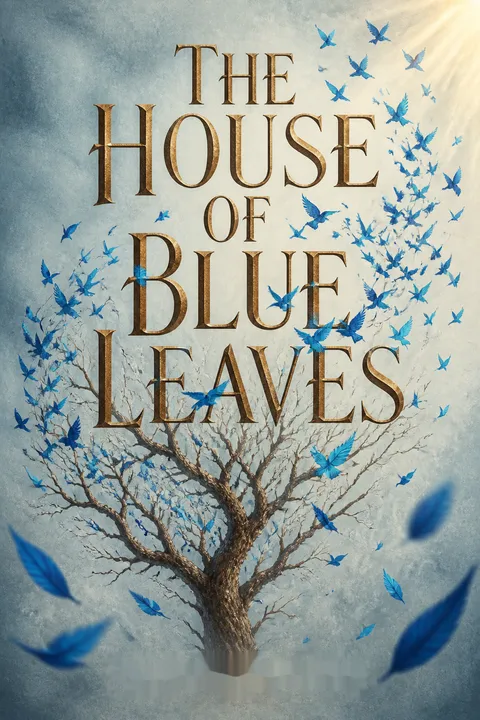
Artie reveals his plan to commit Bananas to a mental institution by the sea, a place he describes as peaceful and filled with "blue leaves"—a poetic image that turns out to be a flock of birds. Bananas, terrified of shock treatments and abandonment, clings to small rituals and memories. Her vulnerability is palpable, and her moments of clarity are heartbreaking. The "house of blue leaves" becomes a symbol of false hope, a place where the unwanted are hidden away so others can pursue their dreams.
Corrinna's Visit, Nuns' Intrusion
Corrinna Stroller, a deaf movie star and Billy's girlfriend, visits the apartment, bringing a whiff of Hollywood glamour. Her presence excites Bunny and Artie, who see her as a link to their future. Meanwhile, three nuns, locked out on the roof after trying to see the Pope, invade the apartment, seeking warmth and television coverage. The scene devolves into farce, with misunderstandings, confessions, and the collision of sacred and profane. The nuns' fervor and Corrinna's vulnerability mirror the characters' own desperate quests for meaning and connection.
Family Fractures and Fantasies
As the day unfolds, tensions escalate. Bananas exposes Artie's musical plagiarism, humiliating him in front of Corrinna and Bunny. The family's dysfunction is laid bare: Artie's resentment, Bananas' pain, Bunny's opportunism, and Ronnie's simmering rage. The apartment becomes a crucible of unmet needs and broken promises. Fantasies of escape and success are punctured by reality, and the characters lash out at each other in frustration and despair.
Ronnie's Bombshell
Ronnie's plan comes to fruition as he prepares his bomb, intent on making a mark on the world. The household is oblivious to the danger, preoccupied with their own dramas. Ronnie's actions are both a cry for help and an act of vengeance against a family that has failed him. The threat of violence hangs over the apartment, a manifestation of the emotional explosions simmering beneath the surface.
Chaos, Confession, Catastrophe
The arrival of a military policeman, the nuns' frantic pursuit of papal tickets, and Corrinna's unwitting acceptance of Ronnie's bomb create a maelstrom of confusion. The bomb explodes, killing Corrinna and two nuns, shattering any illusion of control or safety. The aftermath is a tableau of grief, guilt, and disbelief. The characters are forced to confront the consequences of their actions and the limits of their dreams.
Aftermath: Loss and Longing
In the wake of the explosion, Artie and Billy are left to pick up the pieces. Billy, devastated by Corrinna's death, mourns not only her but the loss of possibility and innocence. Artie, desperate for validation, tries to comfort Billy and salvage his own dreams. The apartment, once filled with hope and chaos, is now a place of mourning and reflection. The survivors grapple with the reality that their ambitions have come at a terrible cost.
Billy's Arrival, Grief Unveiled
Billy's arrival brings both comfort and confrontation. He and Artie reminisce about their shared past, but the weight of recent events strains their bond. Bananas, dressed in a gown from Billy's late wife, tries to please him, highlighting the tangled web of love, loss, and longing that binds the characters. The conversation turns to the future, with Billy offering Bunny a chance to escape to California, leaving Artie and Bananas behind. The choices made in this moment will shape the rest of their lives.
Choices and Consequences
Bunny, seduced by the promise of a new life, agrees to leave with Billy. Artie, left behind, is forced to confront his own failures and the reality of his marriage to Bananas. The little nun, offered money to care for Bananas, becomes a symbol of the transactional nature of love and responsibility in this world. The characters' choices are driven by desperation, hope, and the desire to escape their own pain, but the consequences are inescapable.
The Final Embrace
Alone at last, Artie and Bananas share a rare moment of tenderness. Bananas, hopeful for a new beginning, promises to be good to Artie. The scene is charged with longing and vulnerability, as years of resentment and love come to a head. In a shocking turn, Artie, overwhelmed by his own despair and the weight of his failed dreams, strangles Bananas in a final, tragic embrace. The act is both a release and a culmination of the play's themes of humiliation, longing, and the destructive power of unfulfilled desire.
Blue Leaves Fall
As the stage fills with blue leaves, Artie steps into a spotlight, singing his song one last time. The blue leaves, once a symbol of hope and escape, now represent the shattered dreams and irreparable losses that define the characters' lives. The play ends with a haunting image of Artie alone, performing for an audience that will never give him the recognition he craves. The cycle of longing and disappointment continues, leaving the audience to ponder the cost of chasing dreams at the expense of love and humanity.
Analysis
A darkly comic meditation on the American dream and the cost of longingThe House of Blue Leaves is a searing exploration of the gap between aspiration and reality, set against the backdrop of a city—and a family—on the brink of transformation. John Guare uses the chaos of the Pope's visit to amplify the private crises of his characters, exposing the ways in which dreams can both sustain and destroy. The play's blend of farce and tragedy reflects the complexity of human experience, where laughter and pain are inextricably linked. At its core, the story is about the dangers of chasing happiness at the expense of compassion, and the ways in which humiliation shapes our lives. The characters' desperate bids for recognition, love, and escape are both universal and deeply personal, inviting the audience to reflect on their own dreams and disappointments. In the end, The House of Blue Leaves is a cautionary tale about the perils of neglecting those closest to us in pursuit of an ever-elusive ideal, and the enduring need for connection, forgiveness, and acceptance.
People Also Read


Characters
Artie Shaughnessy
Artie is a middle-aged zookeeper with the soul of a would-be songwriter. Trapped in a loveless marriage and a dead-end job, he clings to the hope that his childhood friend Billy will rescue him from obscurity. Artie's relationship with Bananas is fraught with guilt and resentment, while his affair with Bunny offers the illusion of a fresh start. Psychologically, Artie is torn between duty and desire, haunted by the fear of insignificance. His development is marked by increasing desperation, culminating in an act of violence that is both a cry for freedom and a surrender to despair.
Bananas Shaughnessy
Bananas is Artie's mentally ill wife, whose name itself is a cruel joke on her condition. She oscillates between moments of clarity and delusion, her vulnerability making her both pitiable and infuriating. Bananas' presence is a constant reminder of Artie's failures and the family's dysfunction. Her longing for love and normalcy is palpable, and her ultimate fate is a testament to the play's exploration of the thin line between care and cruelty. Bananas embodies the pain of being left behind, both literally and emotionally.
Bunny Flingus
Bunny is Artie's mistress, a woman whose optimism is matched only by her self-interest. She sees Artie as her ticket to a better life and is willing to do whatever it takes to achieve her goals. Bunny's refusal to cook for Artie until marriage is both a running joke and a symbol of her transactional approach to love. Her relationship with Bananas is antagonistic, and her loyalty to Artie is conditional. Bunny's development is driven by her relentless pursuit of happiness, regardless of the collateral damage.
Ronnie Shaughnessy
Ronnie is Artie and Bananas' teenage son, whose sense of invisibility and rejection fuels his descent into violence. Traumatized by a childhood humiliation involving Billy, Ronnie returns home with a plan to bomb the Pope, seeking notoriety at any cost. His actions are a distorted plea for attention and validation, reflecting the play's themes of neglect and the destructive power of unmet needs. Ronnie's psychological turmoil is both a symptom and a cause of the family's unraveling.
Billy Einhorn
Billy is Artie's childhood friend turned famous director, a figure who embodies the allure and emptiness of the American dream. His success is both a beacon of hope and a source of envy for Artie. Billy's relationships are marked by distance and detachment, and his grief over Corrinna's death exposes the hollowness beneath his achievements. Billy's arrival forces the other characters to confront the gap between fantasy and reality, and his choices have far-reaching consequences for everyone involved.
Corrinna Stroller
Corrinna is a deaf movie star and Billy's girlfriend, whose visit to the Shaughnessy apartment brings a fleeting sense of excitement and possibility. Her disability is a source of both strength and insecurity, and her fate is a stark reminder of the randomness of tragedy. Corrinna's presence highlights the characters' yearning for connection and the dangers of chasing illusions. Her death is a turning point, shattering the fragile web of hope that sustains the family.
The Three Nuns
The nuns are both caricatures and symbols of faith, their fervor and naivety providing moments of levity amid the chaos. Their intrusion into the Shaughnessy home mirrors the characters' own search for meaning and redemption. Ultimately, their deaths in the explosion underscore the play's dark humor and the unintended consequences of desperate actions.
The Little Nun
The Little Nun stands out among the trio for her adaptability and openness. She survives the explosion and is offered a new role as Bananas' caretaker, symbolizing the possibility of renewal amid destruction. Her journey from religious devotion to practical engagement reflects the play's exploration of faith, service, and the search for purpose.
The Military Policeman
The MP arrives to arrest Ronnie, representing the forces of order that are ultimately powerless to prevent chaos. His presence is a reminder of the external pressures facing the family, but his inability to control the situation highlights the limits of authority in the face of personal and collective breakdown.
The White Man (Orderly)
The White Man is the orderly sent to take Bananas away, a faceless representative of the mental health system. His role is to remove the inconvenient, making way for the ambitions of others. He embodies the impersonal nature of institutional solutions to personal problems, and his presence marks the final severing of familial bonds.
Plot Devices
Humiliation as Tragedy and Comedy
The play's central device is the constant humiliation of its characters—by their dreams, their failures, and each other. This humiliation is both tragic and comic, creating a tone that oscillates between farce and heartbreak. The characters' attempts to avoid or overcome humiliation propel the action, leading to moments of absurdity, cruelty, and unexpected tenderness. The narrative structure mirrors this duality, blending slapstick with moments of profound vulnerability.
The Pope's Visit as Catalyst
The Pope's visit to New York serves as both a literal and symbolic catalyst, heightening the characters' sense of urgency and possibility. The city's collective excitement contrasts with the private turmoil of the Shaughnessy family, and the promise of miracles becomes a backdrop for their own quests for transformation. The event provides opportunities for satire, commentary on faith, and the collision of the sacred and the profane.
The Hollywood Dream
The promise of Hollywood success is a recurring motif, representing both hope and delusion. Artie's belief that Billy can rescue him from obscurity drives much of the plot, while Bunny's ambitions are fueled by fantasies of glamour and recognition. The Hollywood connection is both a lifeline and a mirage, exposing the characters' vulnerability to disappointment and the dangers of conflating self-worth with external validation.
Farce and Catastrophe
The play employs farcical elements—mistaken identities, slapstick, and rapid-fire dialogue—to create a sense of escalating chaos. These comedic devices are juxtaposed with moments of genuine tragedy, culminating in the explosion that kills Corrinna and the nuns. The interplay of farce and catastrophe underscores the unpredictability of life and the thin line between laughter and tears.
Symbolism of the Blue Leaves
The "house of blue leaves" is a recurring symbol, representing the characters' longing for a place of safety, beauty, and renewal. In reality, it is an illusion—a flock of birds mistaken for leaves, a mental institution masquerading as a sanctuary. The blue leaves encapsulate the play's themes of hope, delusion, and the inevitable collapse of fantasy in the face of reality.
Download PDF
Download EPUB
.epub digital book format is ideal for reading ebooks on phones, tablets, and e-readers.








































