
Plot Summary
Cobblestones and Commitments
Celine and Luke, a young couple in Dublin, return from a party and debate the nature of relationships, breakups, and happiness. Their banter is brisk, but beneath it lies a mutual fear of vulnerability. Luke claims he'd leave if he knew marriage wasn't in their future, prompting Celine to challenge his logic. Their relationship is measured in shared clutter and routines, not grand declarations. When Celine finally confesses her love and desire for permanence, Luke proposes. The engagement is less a fairy tale and more a negotiation, shaped by their inability to articulate feelings directly. Their union is not a culmination of passion but a tentative step, shadowed by doubts and the unspoken question: are they truly happy, or just afraid to be alone?
Exes and Engagements
The couple's engagement quickly becomes a family affair, with Celine's Aunt Maggy commandeering the wedding logistics. Despite Celine's wish for a Dublin ceremony, Maggy's resources and forceful personality shift the event to London. The engagement party becomes a test run for the guest list, and Celine is swept along by the expectations of her extended family. Luke, ever accommodating, agrees to the change, prioritizing harmony over his own desires. The couple's cat, Madame Esmeralda, provides comic relief and a sense of shared domesticity. Yet, beneath the surface, the wedding's location and guest list are less about the couple's wishes and more about appeasing relatives, hinting at the compromises and small betrayals that will define their relationship.
Rivalry, Romance, Rupture
Celine's history with her ex-girlfriend Maria is explored, revealing a relationship marked by both intense passion and corrosive rivalry. As fellow pianists, their love is complicated by professional jealousy and differing emotional needs. Maria craves validation and apologies, while Celine values honesty and resists performative regret. Their intimacy is transformative—Maria helps Celine discover sexual pleasure—but their inability to communicate leads to recurring fights and eventual heartbreak. The breakup leaves Celine emotionally numb, her inner piano silenced. Only through teaching and time does she begin to recover, setting the stage for her eventual relationship with Luke, which is shaped by the lessons and scars of her time with Maria.
Family Meddling, Social Tangles
The engagement party's guest list becomes a minefield when Celine insists on inviting Maria, not out of sentiment but to avoid neighborhood drama. Luke is baffled by the social calculus, but Celine explains the intricate web of Irish familial expectations. Despite assurances that Maria won't attend, she does, reigniting old tensions. The party is a microcosm of the couple's world: friends, exes, and relatives swirl together, each with their own agendas. Celine's mother, Brigid, is skeptical of happiness, while Luke's friends bring their own baggage. The event exposes the cracks in Celine and Luke's relationship, as well as the unresolved feelings and rivalries that linger just beneath the surface.
The Party and the Vanishing Groom
As the engagement party unfolds, Celine becomes increasingly aware of Luke's disappearance. She navigates the social labyrinth, exchanging barbs with Maria and enduring her mother's probing questions. The party is both a celebration and a test, with Celine measuring her relationship against the expectations of family and friends. Luke's best friend Archie arrives late, bringing chaos and reminders of Luke's past. The evening's festivities are tinged with unease, as Celine wonders why Luke is texting Archie but not her. The party's aftermath leaves Celine questioning the solidity of her relationship, foreshadowing the deeper doubts that will surface as the wedding approaches.
Old Flames, New Doubts
Celine reflects on the early days of her relationship with Luke, recalling his reluctance to commit and his entanglements with mutual friends. Their courtship is fraught with miscommunications, jealousy, and the lingering presence of exes like Gráinne and Tanja. Celine's openness to non-monogamy is tested by Luke's lack of transparency, and she finds herself policing social dynamics rather than enjoying intimacy. Despite these challenges, Celine is drawn to Luke's ability to see her as she is, not as a mirror for his own insecurities. Their bond is built on a shared appreciation for process over performance, but the specter of past betrayals and unresolved issues looms large.
Sisters and Secrets
Celine's younger sister, Phoebe, is fiercely protective and deeply cynical about Luke. Her own struggles with adulthood and mental health color her view of her sister's engagement. Phoebe's suspicion is confirmed when she sees Luke leaving the party with Maria. Torn between exposing the truth and protecting Celine, Phoebe enlists Archie's help to track them down. Their investigation reveals the limits of intervention: even when confronted with evidence, Celine is likely to believe what she wants. The sisters' relationship is marked by both rivalry and solidarity, with Phoebe ultimately choosing silence over confrontation, knowing that some truths can't be forced.
The Best Man's Dilemma
Archie, Luke's best friend and former lover, grapples with his role in the upcoming wedding. His history with Luke is a tangle of longing, rejection, and self-deception. Archie's pattern of avoiding difficult conversations and seeking solace in substances mirrors Luke's own evasions. As the wedding approaches, Archie realizes he cannot be best man, unable to bear witness to a union that feels both inevitable and wrong. His decision is both an act of self-preservation and a tacit acknowledgment of the emotional entanglements that bind the group. Archie's struggle highlights the ways in which love, friendship, and desire can become indistinguishable—and destructive.
Archie's Longing, Luke's Lies
Archie and Luke's relationship is revisited through flashbacks and present-day encounters. Their dynamic is defined by mutual avoidance of commitment and a shared inability to articulate needs. Archie's attempts to move on are thwarted by his lingering attachment to Luke, who remains emotionally unavailable. Their reunion on the eve of the wedding is charged with unresolved tension, culminating in a night together that blurs the boundaries between friendship and romance. Both men are trapped by their histories, unable to break free from patterns of indecision and self-sabotage. The chapter ends with Archie stepping back, recognizing that love without reciprocity is a form of self-harm.
The Groom's Reckoning
Alone in his hotel room the night before the wedding, Luke attempts to write his groom's speech but is paralyzed by doubt. He reflects on his relationship with Celine, his affairs, and his inability to commit fully to anyone. Luke's self-examination is both brutally honest and evasive, as he oscillates between self-pity and self-awareness. He recognizes the ways in which he has hurt Celine, Archie, and himself, but remains uncertain whether he can—or should—go through with the wedding. The chapter is a meditation on the limits of love, the weight of expectation, and the difficulty of choosing a path when every option feels like a compromise.
The Bridesmaid's Pursuit
As the wedding day dawns, Phoebe is determined to protect her sister from heartbreak. She navigates family chaos, confronts her own doubts, and ultimately discovers the extent of Luke's duplicity. Phoebe's loyalty to Celine is unwavering, but she is forced to reckon with the limits of intervention. Her conversations with Archie and Vivian reveal the complexities of love, forgiveness, and self-delusion. Phoebe's journey is one of reluctant maturity, as she learns that sometimes the best way to help is to step back and let others make their own mistakes.
Truths Unravel at Dawn
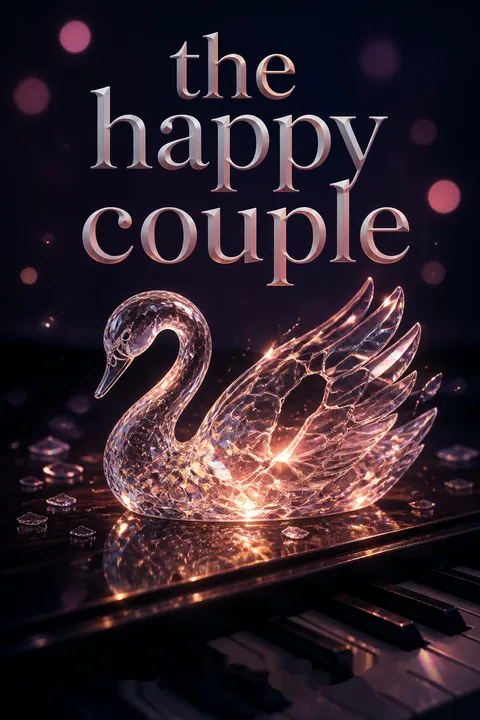
The morning of the wedding is marked by chaos, anxiety, and small disasters—most notably, Celine breaking a prized Waterford swan. The incident becomes a metaphor for the fragility of relationships and the impossibility of restoring what's been shattered. As Celine prepares for the ceremony, she is haunted by doubts and the knowledge that she and Luke are both complicit in the lies that have brought them to this point. The bridal party's journey to the church is fraught with tension, and the impending ceremony feels less like a celebration and more like a reckoning.
Wedding Day, Broken Swans
As guests gather and the church fills, Celine and Luke are each confronted by friends and family who question their choices. Archie and Vivian, both outsiders and insiders, bear witness to the unraveling. In a private moment, Celine asks Phoebe for the truth about Luke's actions. Armed with knowledge she can no longer ignore, Celine calls Luke from the limo and tells him she can't go through with the wedding. The decision is both devastating and liberating, marking the end of an illusion and the beginning of an uncertain future.
The Almost-Vows
The reception, already paid for, becomes a strange celebration without a marriage. Guests drink, dance, and gossip, processing the shock in their own ways. Celine and Archie find solace in each other's company, sharing regrets and hard-won wisdom. The broken swan, once a symbol of unity, is now a reminder of what cannot be mended. The day's events force everyone to confront their own patterns of avoidance, self-deception, and longing. The absence of vows is itself a statement: sometimes the bravest act is to walk away.
Aftermath and Acceptance
In the wake of the cancelled wedding, the characters seek closure and meaning. Celine and Luke meet in Hyde Park to divide their shared life—flat, cat, and memories. Their conversation is tender, rueful, and honest, acknowledging both love and incompatibility. Archie and Vivian reflect on their own histories with Luke, recognizing the ways in which they have been shaped by—and have shaped—each other's lives. The group's entanglements are not neatly resolved, but there is a sense of acceptance and the possibility of growth.
Conversations in the Ruins
The final chapters focus on the characters' attempts to move on. Celine prepares to travel to Paris alone, embracing the uncertainty of her future. Archie resolves to seek healthier relationships, while Phoebe and Vivian find camaraderie in shared cigarettes and mutual understanding. The story ends not with grand resolutions but with small acts of kindness, self-awareness, and the recognition that love is rarely simple or sufficient. The broken swan is not discarded but kept, a testament to the beauty and pain of imperfection.
Letting Go, Moving On
The novel closes with Celine and Luke parting ways, each carrying the lessons and scars of their relationship. They acknowledge the love that brought them together and the realities that drove them apart. The act of letting go is bittersweet, but it opens the door to new possibilities. The characters are left to navigate the complexities of adulthood, family, and desire, armed with a deeper understanding of themselves and each other. The happy couple is no more, but in their unraveling, they find a measure of peace.
Analysis
A modern dissection of love, self-deception, and societal expectationThe Happy Couple is a razor-sharp exploration of what it means to love—and to try to love—within the tangled web of modern relationships. Dolan's novel dismantles the myth of the "happy couple," exposing the ways in which intimacy is shaped by family, culture, class, and the ghosts of past lovers. Through its ensemble cast and shifting perspectives, the book interrogates the limits of self-knowledge and the ease with which we lie to ourselves and others. The recurring motifs of music and broken objects underscore the tension between aspiration and reality: love, like art, is a process, not a product, and perfection is both unattainable and overrated. The novel's humor and irony serve not just as stylistic flourishes but as survival strategies in a world where vulnerability is risky and happiness is suspect. Ultimately, The Happy Couple suggests that the bravest act is not to cling to illusions of completion, but to accept imperfection, let go when necessary, and find meaning in the messy, unfinished business of being human.
Review Summary
The Happy Couple receives mixed reviews, with praise for Dolan's sharp wit, engaging prose, and exploration of modern relationships. Many readers appreciate the diverse queer characters and fresh take on the marriage plot. Critics note flat characterization and unlikable protagonists. The novel's pacing and narrative structure garner both praise and criticism. Some find it thought-provoking and entertaining, while others feel it lacks depth. Overall, reviewers acknowledge Dolan's talent for capturing millennial experiences and relationships, even if the story doesn't resonate with everyone.
People Also Read






Characters
Celine McGaw
Celine is a professional pianist whose life is defined by discipline, introspection, and a longing for understanding. Her relationships are shaped by her need for honesty and her discomfort with emotional performance. With Maria, she experiences both sexual awakening and the pain of rivalry; with Luke, she seeks stability but is haunted by doubts and past betrayals. Celine's inability to compromise her integrity leads to recurring conflicts, yet she is also capable of deep loyalty and forgiveness. Her journey is one of self-discovery, as she learns to accept ambiguity and let go of the need for perfect understanding. Celine's relationship with her family, especially her sister Phoebe, grounds her, while her music provides both solace and escape.
Luke Donnelly
Luke is a communications strategist whose outward confidence masks deep-seated ambivalence and fear of intimacy. His relationships are marked by avoidance, infidelity, and a reluctance to make definitive choices. Luke's charm attracts both men and women, but his inability to commit leaves a trail of hurt lovers and friends. His bond with Archie is particularly fraught, blending friendship, romance, and rivalry. With Celine, Luke is both partner and saboteur, drawn to her authenticity but unable to match her emotional honesty. Luke's journey is one of self-reckoning, as he confronts the consequences of his actions and the limits of his capacity for love.
Archie Patel Stopford
Archie is Luke's best friend and former lover, a lawyer whose sharp humor and social agility mask profound insecurity. Archie's pattern of seeking validation from unavailable partners, especially Luke, leads to cycles of hope and disappointment. His substance use and avoidance of confrontation are coping mechanisms for deeper wounds. Archie's relationship with Celine is initially distant but grows into mutual respect and understanding. His decision to step back from the wedding is an act of self-preservation, marking a turning point in his quest for healthier connections. Archie embodies the pain of unrequited love and the difficulty of breaking free from destructive patterns.
Phoebe McGaw
Phoebe is Celine's younger sister, a waitress in London whose irreverence and skepticism serve as both armor and weapon. Fiercely protective of Celine, Phoebe is quick to distrust Luke and unafraid to challenge family expectations. Her own struggles with mental health and directionlessness make her both vulnerable and resilient. Phoebe's investigation into Luke's behavior is driven by loyalty, but she ultimately respects Celine's autonomy. Her journey is one of reluctant maturity, as she learns to balance intervention with acceptance and to find meaning in small acts of care.
Maria de Paor
Maria is Celine's ex-girlfriend and professional rival, a pianist whose charisma and insecurity fuel both attraction and conflict. Her need for validation and difficulty with boundaries lead to recurring fights and eventual estrangement from Celine. Maria's presence at the engagement party reignites old wounds and forces Celine to confront unresolved feelings. Despite her flaws, Maria is a catalyst for Celine's growth, challenging her to examine her own needs and limitations. Maria's success and struggles highlight the complexities of ambition, love, and self-worth.
Vivian Nwosu
Vivian is Luke's former housemate and brief romantic interest, now a successful art historian. Her intelligence and detachment allow her to navigate the group's dramas with clarity and humor. Vivian's relationships are marked by a refusal to chase or be chased, preferring autonomy over entanglement. She serves as a voice of reason and perspective, offering insights into the dynamics of love and friendship. Vivian's ability to move on from Luke and support others without becoming enmeshed is both her strength and her shield.
Brigid McGaw
Brigid is Celine and Phoebe's mother, a doctor whose approach to life is shaped by pragmatism and a suspicion of happiness. Her divorce and professional success have made her both resilient and wary of vulnerability. Brigid's interactions with her daughters are marked by a mix of concern, criticism, and understated affection. She represents the generational tensions and cultural expectations that shape the family's dynamics, serving as both obstacle and support in Celine's journey.
Aunt Maggy
Maggy is Celine's aunt and the de facto matriarch of the family, wielding influence through her organizational skills and strong opinions. Her insistence on hosting the wedding in London sets the stage for much of the novel's drama. Maggy's motivations are a mix of genuine care and a need for control, often blurring the line between support and interference. Her presence is both stabilizing and suffocating, embodying the complexities of family loyalty and obligation.
Madame Esmeralda (the cat)
The couple's Siamese cat, Madame Esmeralda, is both a source of comfort and a metaphor for the couple's relationship. Her care is negotiated between Celine and Luke, reflecting their ability (or inability) to share responsibility and affection. The cat's needs and quirks provide comic relief and moments of tenderness, while also highlighting the challenges of cohabitation and commitment.
Shawn
Shawn is Luke's friend and eventual best man, an American whose straightforwardness and lack of social finesse contrast with the group's more nuanced dynamics. His observations, though often crude, cut through the pretensions and evasions of the other characters. Shawn's role is to provide perspective and, at times, to catalyze action when others are paralyzed by indecision.
Plot Devices
Multiple Perspectives and Rotating Narrators
The novel employs a rotating cast of narrators—Celine, Luke, Archie, Phoebe, and others—each offering their own lens on shared events. This structure allows for a nuanced exploration of misunderstandings, self-deceptions, and the ways in which personal histories shape perception. By inhabiting different minds, the narrative exposes the gaps between intention and impact, love and harm. The ensemble approach also mirrors the social entanglements at the heart of the story, emphasizing that no relationship exists in isolation.
Nonlinear Structure and Flashbacks
The story unfolds through a blend of present-day action and flashbacks, revealing key moments in the characters' histories. These temporal shifts illuminate the origins of current conflicts and the persistence of old wounds. The nonlinear structure creates suspense and invites readers to piece together the puzzle of motivations and betrayals. It also underscores the theme that the past is never truly past, but continually shapes the present.
Symbolism of Music and Broken Objects
Celine's identity as a pianist infuses the narrative with musical metaphors—harmony, melody, practice, and performance. The recurring motif of the broken Waterford swan symbolizes the fragility of relationships and the impossibility of restoring what's been damaged. The act of gluing the swan together, or choosing not to, becomes a metaphor for forgiveness, acceptance, and the limits of repair. These symbols enrich the emotional landscape and provide a language for experiences that resist easy articulation.
Irony, Humor, and Social Satire
The novel's tone is marked by sharp wit, irony, and social satire, particularly in its depiction of family dynamics, class, and modern romance. Characters use humor to deflect pain, assert control, and navigate awkward situations. The satirical edge exposes the absurdities of social rituals—weddings, engagement parties, family gatherings—while also revealing the deep longing for connection that underlies the jokes. This interplay of humor and vulnerability is both a defense mechanism and a source of insight.
Foreshadowing and Narrative Uncertainty
The narrative is laced with foreshadowing—missed texts, ambiguous encounters, and unresolved questions—that keeps readers guessing about the outcome of the wedding and the fate of the couple. The use of uncertainty mirrors the characters' own indecision and fear of commitment. By withholding definitive answers until the final chapters, the novel maintains suspense and invites readers to reflect on the nature of choice, trust, and self-deception.
Download PDF
Download EPUB
.epub digital book format is ideal for reading ebooks on phones, tablets, and e-readers.








































