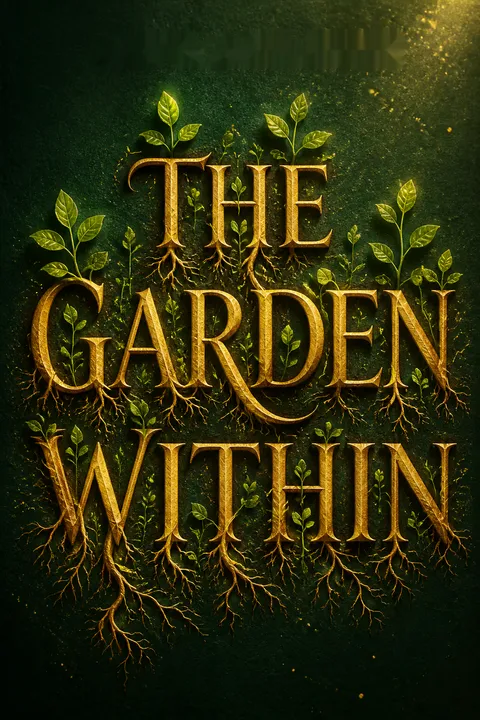

Key Takeaways
1. Your Heart is a Garden, Not a Battlefield
The Creator designed your heart to be a garden, not a war zone.
Shift perspective. Many people live in a constant internal battle, viewing their emotions as adversaries to be controlled or suppressed. This book challenges that long-held belief, proposing a paradigm shift: your heart is inherently a garden, a place designed for growth and flourishing, not a site of endless conflict. This re-imagining is crucial for true well-being.
Biblical model. The author, Dr. Anita Phillips, a trauma therapist with a pastoral heart, presents a biblical model of well-being that clarifies how we were created to function spiritually, emotionally, mentally, and biologically. It debunks misconceptions that limit growth and unveils the strength and beauty of our emotions. The psalmist's words in Proverbs 4:23, "the heart is the source of life," are central to this understanding.
Cultivation, not conquest. Instead of fighting against your feelings, the path to a powerful life lies in cultivating your inner garden. This means tending to your emotional landscape with care, understanding that true strength comes from embracing, rather than denying, the full spectrum of your emotions. This approach leads to sustainable growth and peace.
2. Emotions are Essential, Not Problematic
If having and expressing those feelings wasn’t a sin for Jesus, then it’s not a sin for you.
Challenging old beliefs. Historically, Western culture, influenced by philosophers like Plato, has viewed emotions, especially painful ones, as irrational and problematic, to be controlled by the mind. This perspective has permeated even Christian thought, leading many to believe that emotional expression is a sign of weakness or spiritual failure. Dr. Phillips argues this is a profound misunderstanding.
Jesus as the model. The life of Jesus provides a powerful counter-narrative. He wept at Lazarus's tomb, expressed righteous anger in the temple, and experienced intense anguish in Gethsemane. These moments of profound emotional expression were often followed by supernatural displays of power, demonstrating that feeling is not failing. Jesus' humanity means He experienced every form of physical and emotional pain we do, without sin.
Emotion as a gift. Emotions are not obstacles but active ingredients in our spiritual lives, designed by God to bring us closer to Him and to ourselves. Disconnecting from feelings is an act of avoidance, not faith, and unresolved pain will inevitably undermine our well-being. Embracing our emotions, as Jesus did, is a path to breaking through, not breaking down.
3. A Powerful Life Cultivates Relationships, Purpose, and Legacy
In the garden within, a truly powerful life isn’t conquered. It’s cultivated.
Eden's blueprint. Drawing from the creation story in Genesis, Dr. Phillips identifies three "life zones" that define a powerful and flourishing life: relationships, purpose, and legacy. These are the core elements God intended to grow in our inner gardens, providing meaning and fulfillment.
Three interconnected zones:
- Relationships: Cultivating self-awareness, self-love, and self-care; nurturing connections with others (friends, family); and deepening intimacy with God (as parent, friend, and through the Holy Spirit).
- Purpose: Living intentionally by identifying needs to meet, offering unique gifts, and serving communities. This is about productivity "according to our various kinds," not self-focus.
- Legacy: Creating lasting impact that outlives us, whether through mentorship, financial contributions, sharing wisdom, or other acts of unconditional love for future generations.
Beyond external achievement. A truly powerful life is not measured by external conquests or achievements despite pain, but by the internal cultivation of these three zones. When we tend to our hearts first, the life we produce is sustainable and nourishing, creating a virtuous cycle of growth and well-being.
4. Your Heart's "Soil" Determines Your Well-being
Loam is the properly balanced combination of clay, sand, and silt.
The parable of the sower. Jesus' parable of the sower reveals that the "ground" where seeds (words) are planted is our heart. This parable illustrates how different emotional states, represented by various soil types, affect our capacity to receive and grow God's Word, influencing our spiritual, mental, and physical health.
Three challenging soil types:
- Wayside Soil (Sadness): Hard, dry, compacted ground, representing deep loneliness, grief, and despair. It lacks airflow (faith) and water (hope), leading to disconnection and a "sick heart."
- Stony Soil (Anger): Rocky ground that breathes (faith can exist), but cannot hold water (hope) or nutrients (love). It represents frustration, which, when combined with low hope, leads to abandonment of purpose and unforgiveness.
- Thorny Soil (Fear): Fertile but unstable silt, where anxious thoughts ("thorns") choke out good fruit. Fear, disguised as good intentions (e.g., perfectionism), drains love (nitrogen) and makes us feel unsafe, threatening our legacy.
The power of loam. The good news is that "good ground" is not a separate, perfect soil type, but a balanced combination of clay, sand, and silt—called loam. This balance allows for proper airflow (faith), water flow (hope), and nutrient retention (love), making the heart fertile and easy to work. We are "noble ruins," broken into three pieces, but capable of being restored to a balanced, fertile state.
5. The Vagus Nerve is Your Inner "Tree of Life"
The vagus nerve is a tree of life planted in your heart to flourish in the center of your garden within.
Embodied emotions. Emotions are not just "in our heads"; they are deeply embodied experiences. Dr. Phillips defines emotion as "the impact a situation has on your body and your brain." This is evident in physical reactions to emotional distress, like Jesus sweating blood in Gethsemane, or the author's own experience with rum-induced fear.
The vagus nerve's role. The vagus nerve, the longest nerve in the body and the main component of the parasympathetic nervous system (PNS), acts as the "tree of life" in our embodied garden. It connects our heart, brain, and gut, regulating vital functions like breathing, heart rate, digestion, and emotional regulation.
- Root System (Gut-Brain Axis): 80% of information flows from the gut to the brain, influencing mood through neurotransmitters like serotonin (90% made in the gut).
- Fruit System (Social Engagement System): Links heart to face, ears, and voice, enabling connection and calm.
Interoception and healing. Tuning into bodily sensations (interoception) is a somatic approach to well-being, directly engaging the vagus nerve to integrate and regulate emotional experiences. This ancient wisdom, found in many indigenous cultures, confirms that our bodies offer direct access to our emotional lives, making somatic healing crucial.
6. Trauma Shakes Your Inner Ground, But Healing is Possible
“My pain makes sense.”
Understanding trauma's impact. Trauma is defined as events or circumstances experienced as harmful or threatening, with lasting adverse effects on well-being. It's widespread, affecting 70% of the population, and can stem from adverse childhood experiences, disasters, violence, or historical injustices. The compassionate question is always, "What happened to you?"
Shaky ground. Trauma acts like an earthquake, shaking our inner garden and shrinking our "window of tolerance" for stress. It leaves us on "shaky ground," leading to:
- Triggers: Biological and relational reminders that reactivate the body's threat response.
- Unwanted Behaviors: Conscious or unconscious attempts to regulate a wounded nervous system, such as isolation, addiction, or overprotection.
- Developmental Trauma: Wounds from what didn't happen in childhood (e.g., lack of consistent love, unmet needs), shaping our self-perception and relationship with God.
Path to recovery. Healing trauma involves acknowledging the pain ("My pain makes sense") and actively working to restore the autonomic nervous system. Strategies include:
- Creating Safe Spaces: Establishing boundaries and seeking calm environments.
- Connecting with Your Body: Engaging in physical movement (walking, dancing) to release stored energy.
- Building Community: Finding support groups where shared experiences normalize pain and foster connection.
- Professional Therapy: Somatic Experiencing and EMDR are trauma-informed approaches that heal the nervous system.
7. Mental Illness is Not a Spiritual Failure
Having a mental illness does not cancel out salvation or the healing work of the Holy Spirit.
Debunking stigma. Mental illness is often misunderstood, carrying a stigma rooted in the false belief that emotions are weaknesses or that mental struggles are a result of spiritual failure. Dr. Phillips emphasizes that mental illness is a health condition, just like physical illness, arising from within our bodies, and is not a personal or spiritual failing.
Illness is illness. The distinction between mental and physical illness lies in symptoms, not source. Both are part of our embodied experience, and both are treatable. Recovery from mental illness is absolutely possible, with many individuals thriving through treatment, lifestyle changes, and interventions.
Compassion over judgment. When the apostle Paul described an internal battle where his body (flesh) seemed to war against his mind, he highlighted how bodily processes, like chemical imbalances or an activated sympathetic nervous system, can "take us captive." This is not a moral failing.
- Believe them: When someone shares their struggle, believe them and validate their experience.
- Seek help: Therapy and medication are valuable tools for healing, not signs of weak faith. God is a healer, and we should embrace every source of healing He offers.
8. Self-Care is "Soil Care" for Your Embodied Garden
Your body cannot and will not thrive on lack of sleep.
Dressing and keeping the garden. God's mandate to "dress and keep" the Garden of Eden translates directly to tending our inner gardens. This involves both "working in" (abad) and "guarding/watching over" (shamar/natsar) our emotional well-being. Self-care is not a luxury; it's essential "soil care" for our embodied garden.
Basic inputs for flourishing: Just as a garden needs water, sun, and nutrients, our bodies require fundamental care to support emotional well-being.
- Sleep: Crucial for emotional regulation, reducing painful emotions, and increasing pleasurable ones. Lack of sleep increases chronic health risks.
- Hydration: Drinking enough water supports emotional well-being; dehydration is linked to higher anxiety levels.
- Nutrition: Consistent eating habits, balanced nutrients, and a healthy gut (rich in serotonin production) directly improve emotional well-being and stabilize mood.
Nurturing the vagus nerve. Strengthening the vagus nerve (our inner "tree of life") is key to emotional regulation and physical health. This can be achieved through:
- Deep Breathing: Slow, extended exhales activate the vagus nerve.
- Physical Exercise: Strengthens the nerve through movement.
- Nature: Fresh air, calming sounds, and green spaces activate the vagus nerve.
- Social Connection: Hugging, singing, and dancing stimulate the vagus nerve, fostering calmness and connection.
9. Cultivating Emotional Well-being Unleashes Spiritual Power
Your emotional well-being won’t affect how God shows up for you, but it might affect how you show up for God.
Heart-spirit connection. Our emotional health is inextricably linked to our spiritual health. Just as fertile soil allows seeds to flourish, emotional well-being allows God's Word-seeds to take root and bear fruit in our lives. When our hearts are dry, stony, or thorny, our faith can be stifled, and our connection with God can feel distant.
Beyond spiritual bypassing. Many Christians inadvertently engage in "spiritual bypassing," using spiritual ideas to avoid emotional pain or dismiss others' feelings. This prevents genuine healing and growth. Instead, we are called to meet ourselves and others where they are emotionally, offering presence and compassion.
Renewing the mind starts with the heart. The biblical call to "renew your mind" (Romans 12:2) is not about simply thinking differently, but about uprooting old beliefs and planting new ones in the fertile soil of the heart. This process is emotionally painful but necessary.
- Faith and feelings: Both are essential for word-seeds to germinate and become living beliefs.
- System effect: Our beliefs, thoughts, and actions are an inseparable system, nurtured by the heart.
- God's presence: Engaging in spiritual practices like prayer, worship, and reading Scripture, while also being emotionally present, allows God to revive and resuscitate our hearts.
10. Shalom: The Creator's Vision for Holistic Flourishing
At its heart shalom means flourishing.
Beyond absence of pain. Well-being is more than just the absence of pain; it is the expansive and relational concept of "shalom." This Hebrew word, often translated as "peace," truly means holistic flourishing in all relationships: with God, with oneself, with others, and with nature. Eden was God's first demonstration of shalom—a perfectly ordered universe.
Internal shalom. The goal of tending our inner garden is to cultivate this internal shalom, a peaceful balance beyond the brokenness we all experience. This involves recognizing the interdependent system of our spirit, heart, mind, and body, and allowing each part to thrive in harmony.
Reading God's "two books." Dr. Phillips emphasizes that God has given us "two books" to read: Scripture and the natural world. The alignment between biblical wisdom, our bodies, and the plant kingdom reveals profound insights into our design. By studying creation, we gain a deeper understanding of the Creator's "signature" and His intentions for our lives.
The power of words. Humanity bears God's image not just through rational thought, dominion, or creativity, but through the power of words. Like God's imperishable Word-seeds, our words have the power to create and destroy. Cultivating our hearts means planting powerful, intentional word-seeds, dressing and keeping our inner gardens, and living a life rooted in the eternal power of God's love.
People Also Read


Download PDF
Download EPUB
.epub digital book format is ideal for reading ebooks on phones, tablets, and e-readers.








































