
Plot Summary
Mountain Shadows and Loss
Nazafareen's journey begins in the harsh Khusk range, where her sister Ashraf is possessed by a wight and lost to the abyss. This trauma shapes Nazafareen's fierce resolve and guilt, driving her to seek vengeance against the Druj. The Four-Legs Clan's traditions and the unforgiving landscape forge her character, but the loss of Ashraf leaves a wound that festers beneath her determination. The mountains are both home and grave, a place where the boundaries between life and death blur, and where the seeds of Nazafareen's future choices are sown. The cold, the wind, and the ever-present threat of the supernatural set the tone for a world where survival is never guaranteed, and every step is shadowed by loss.
The Bonded and the Cuffs
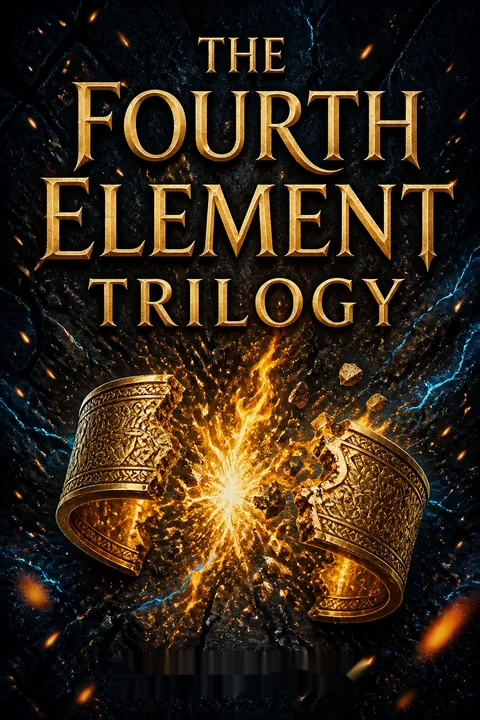
After her sister's death, Nazafareen volunteers to become a Water Dog, a hunter of Druj, and is tested for the rare gift to bond with a daēva. She is taken from her clan to the satrap's palace, where she learns the empire's history and the nature of the cuffs—magical gold bracelets that bind human and daēva, granting power but also forging chains of control. The bond is both a weapon and a prison, offering strength and empathy but at the cost of autonomy. Nazafareen's training is grueling, and her first encounter with her daēva, Darius, is fraught with suspicion and fear. The cuffs symbolize the empire's uneasy alliance with the supernatural, and Nazafareen's journey into this world is marked by both awe and dread.
Daēvas and Demons
Nazafareen's life among the Water Dogs exposes her to the complexities of daēva nature. Darius, her bonded, is powerful but marked by a withered arm—a curse of the bond. The daēvas are not the mindless Druj she was taught to hate, but sentient beings with their own pain and longing. The magi's teachings clash with her growing empathy, and the rigid hierarchy of the satrap's court is mirrored in the relationships between humans and daēvas. The Water Dogs are both jailers and partners, and Nazafareen's friendship with Tijah and Myrri, another bonded pair, deepens her understanding of loyalty and sacrifice. The threat of the Undead looms, but the true demons may be the chains they all wear.
Fire and the Nexus
Nazafareen learns that daēvas can wield earth, air, and water, but not fire—the holiest and most dangerous element. The Nexus, a mystical source of all magic, is accessible only to the gifted, and the bond amplifies its effects. Fire is both a weapon against the Druj and a curse for the daēvas, who are destroyed by its touch. The magi's control of the holy fire and the secret of the cuffs are revealed to be the foundation of the empire's power. Nazafareen's own affinity for fire magic, a rare and destructive talent, begins to surface, threatening to consume her and those she loves. The boundaries between creation and destruction, healing and harm, are as thin as a flame.
The Making of a Water Dog
Nazafareen's years as a novice are marked by relentless training, isolation, and the struggle to master both sword and self. Her bond with Darius is tested by nightmares, prejudice, and the ever-present threat of the Druj. The Water Dogs are a family forged in hardship, but also a microcosm of the empire's contradictions—devotion and cruelty, faith and fear. The arrival of new recruits, the forging of friendships, and the pain of loss shape Nazafareen into a warrior, but also deepen her doubts about the righteousness of her cause. The bond is both a source of strength and a reminder of what has been taken from her.
Chains of Power and Memory
The empire's reliance on daēva power is revealed to be a fragile bargain, maintained by fear and violence. The magi's lies about the origin of the cuffs and the true nature of the daēvas begin to unravel. Nazafareen's memories of her sister, her clan, and her own choices haunt her, even as she is drawn deeper into the politics of the satrap's court. The bond with Darius becomes a lifeline and a chain, offering moments of intimacy and flashes of shared pain. The cost of power is measured in scars, both physical and emotional, and the past is never truly left behind.
The Prophet's Prison
Rumors of the Prophet Zarathustra's survival lead Nazafareen and her companions to Karnopolis, the winter capital. Beneath the city's temples lies a labyrinth of tunnels, where the Prophet is held captive, his mind and magic suppressed by a unique cuff. The magi and Numerators, rival orders, vie for control of the secret, each with their own agenda. The Prophet's knowledge of the holy fire and the cuffs is the key to both the daēvas' freedom and the empire's survival. The rescue mission is a race against time, complicated by betrayal, fire, and the ever-present threat of the necromancers.
Necromancers' Bargain
The necromancers, or Antimagi, serve Queen Neblis of Bactria, wielding chains that drain life from their captives to fuel their own magic. They offer a devil's bargain—help in exchange for the most dangerous daēva, Victor. The Water Dogs refuse, but the encounter leaves them shaken. The necromancers' power is a dark mirror of the cuffs, and their ability to create Druj by killing their slaves is a constant threat. The lines between ally and enemy blur, and the cost of survival grows ever steeper. The empire's enemies are not only outside its borders, but within its own soul.
The Breaking of Trust
As the Prophet is rescued, the tunnels beneath Karnopolis are set ablaze by the Numerators, and Myrri is killed by fire—a fate worse than death for a daēva. Tijah's grief is raw, and the survivors are forced to choose between saving the Prophet and saving each other. The necromancer Balthazar betrays them, seizing the Prophet and fleeing into the Dominion, the land of the dead. Nazafareen's trust in her leaders, her friends, and even herself is shattered. The cost of the bond is revealed in its darkest form, as torture and loss threaten to break her spirit.
The Siege of Persepolae
Alexander of Macydon's army marches on Persepolae, the summer capital, as the empire's forces, led by the Immortals—ten thousand bonded pairs—prepare for battle. Nazafareen's power as a Breaker is unleashed, shattering the cuffs and freeing the daēvas. The Immortals turn on their masters, and the city is consumed by chaos and fire. The old order collapses, and the survivors must choose between vengeance and mercy. The siege marks the end of slavery for the daēvas, but also the beginning of a new and uncertain age. The cost of freedom is paid in blood and ashes.
The Dominion's Veil
To rescue Victor and confront Neblis, Nazafareen, Darius, and their companions travel through the Dominion, a shadowy realm where the dead linger and the laws of magic are altered. The journey is fraught with peril—monsters, lost souls, and the ever-present threat of the Shepherds, hounds that herd the dead to the Cold Sea. The boundaries between life and death, memory and oblivion, are blurred. The Dominion is both a place of exile and a crucible, where the characters are stripped to their essence and forced to confront their deepest fears and desires.
The Price of Freedom
The liberation of Gorgon-e Gaz, the daēva prison, is achieved through sacrifice and the courage of children. Tijah, wounded and grieving, is bonded to Achaemenes to save her life, a choice that brings both healing and new burdens. The breaking of the cuffs is not without cost—some daēvas are left powerless, others are driven mad by freedom. The survivors must learn to live with the consequences of their choices, and the scars of slavery linger even as the chains are broken. The price of freedom is measured in love, loss, and the willingness to begin again.
The Children of the Plain
The daēva children, freed from their amahs and the empire's lies, struggle to find their place in a world that has always feared and used them. Tijah becomes their protector, forging a new family from the ashes of the old. The journey across the Great Salt Plain is a test of endurance and hope, as the children confront both the horrors of the Druj and the possibility of a future without chains. The bonds they form—with each other, with their human allies, and with the land itself—are fragile but real, a promise that the cycle of violence can be broken.
The House-Behind-the-Veil
In Bactria, the House-Behind-the-Veil is both fortress and prison, a place where Neblis plots her revenge and the boundaries between worlds are thin. Victor is tortured, the Prophet is interrogated, and Balthazar is forced to choose between loyalty and redemption. The house is a talisman, its magic both a shield and a trap. The breaking of the wards unleashes chaos, and the ancient enmity between the Avas Danai and Avas Valkirin is reignited. The house is both the end of the old world and the gateway to the new.
The Gates Unbound
Nazafareen's power as a Breaker is unleashed in full, shattering the wards that separate the worlds and allowing the dead, the daēvas, and the living to cross the boundaries. The consequences are immediate and catastrophic—monsters pour into the Sun Lands, the balance of power is upended, and the old order is swept away. The gates are both promise and threat, offering the possibility of healing and the danger of annihilation. The characters are forced to confront the limits of their power and the responsibilities that come with it.
The Moon Lands Remembered
The survivors find themselves in the Moon Lands, the true home of the daēvas, where the sun never rises and the old clans remember both love and betrayal. Nazafareen's memories are gone, but the bonds of love and loyalty endure. Darius chooses to remain with her, even as the past is both lost and found. The Moon Lands are a place of healing and exile, where the scars of slavery and war are slowly transformed into the seeds of a new beginning. The journey is not over, but the promise of peace is real.
The End of Slavery
With the breaking of the cuffs and the defeat of Neblis, the era of daēva slavery ends. The survivors—human and daēva alike—must learn to live in a world where old certainties are gone and new possibilities beckon. The bonds of love, friendship, and family are tested and renewed. The lessons of the past are not forgotten, but the future is open. The new dawn is both fragile and full of hope, a testament to the power of choice, forgiveness, and the enduring light of the human (and daēva) spirit.
Analysis
The Fourth Element Trilogy by Kat Ross is a sweeping epic that interrogates the nature of power, freedom, and the bonds that both unite and enslave us. Set in a world inspired by ancient Persia, the trilogy blends historical detail with rich fantasy, creating a universe where magic is both a tool of liberation and a weapon of oppression. At its heart is the relationship between Nazafareen and Darius—a bond forged in trauma, tested by betrayal, and ultimately redeemed by love and sacrifice. The trilogy's central metaphor—the cuffs that bind human and daēva—serves as a lens through which to examine questions of consent, agency, and the cost of control. The breaking of the cuffs is both a literal act of emancipation and a symbol of the possibility of healing, not only for the daēvas but for all who have been scarred by violence and loss. The narrative is unflinching in its portrayal of trauma, grief, and the long shadow of history, but it is also deeply hopeful, insisting that even the most broken can find their way back to the light. The lessons of the trilogy are clear: true strength lies not in domination, but in compassion; freedom is both a gift and a responsibility; and the bonds we choose are more powerful than those forced upon us. In a world where the lines between enemy and ally, human and monster, are ever-shifting, the trilogy offers a vision of reconciliation, forgiveness, and the enduring power of love.
Review Summary
People Also Read

Characters
Nazafareen
Nazafareen is the trilogy's central figure, a young woman shaped by trauma and driven by a fierce sense of justice. Her sister's death at the hands of a wight propels her into the ranks of the Water Dogs, where she is chosen for her rare ability to bond with a daēva. Nazafareen's journey is one of transformation—from vengeance to empathy, from certainty to doubt, from slave to liberator. Her bond with Darius is both a source of strength and a crucible, forcing her to confront her own darkness and the cost of power. As a Breaker, she wields destructive magic that threatens to consume her, but also offers the hope of freedom for all daēvas. Her relationships—with Darius, Tijah, Myrri, and others—are marked by loyalty, love, and the willingness to sacrifice. Nazafareen's arc is one of self-discovery, as she learns that true strength lies not in control, but in compassion and the courage to choose her own path.
Darius
Darius is Nazafareen's bonded daēva, marked by a withered arm and a lifetime of pain. Raised in captivity, he is both powerful and deeply wounded, struggling to reconcile his nature with the role forced upon him by the empire. His relationship with Nazafareen is fraught with tension, intimacy, and the ever-present threat of betrayal. Darius's journey is one of healing—physical, emotional, and spiritual—as he learns to trust, to love, and to forgive. His loyalty to Nazafareen is unwavering, even as he questions his own worth and the legacy of his kind. Darius embodies the trilogy's central themes of freedom, identity, and the possibility of redemption. His struggle to break the chains—literal and metaphorical—that bind him is both deeply personal and emblematic of the daēvas' collective fate.
Tijah
Tijah is Nazafareen's closest friend and a fellow Water Dog, bonded to the mute daēva Myrri. Her sharp tongue and indomitable spirit mask a deep well of pain, especially after Myrri's death. Tijah's journey is one of resilience, as she becomes the protector of the daēva children and a leader in the fight for freedom. Her relationship with Achaemenes, forged in crisis, challenges her notions of strength and vulnerability. Tijah's arc is marked by grief, anger, and the slow, painful process of healing. She is both a warrior and a caretaker, embodying the trilogy's belief in the power of chosen family and the necessity of hope in the face of despair.
Myrri
Myrri, Tijah's bonded, is a daēva whose tongue was taken by the bond. Her silence is both a curse and a source of strength, as she communicates through signs and the deep empathy of the bond. Myrri's death in the tunnels beneath Karnopolis is a turning point, shattering Tijah and galvanizing the survivors. She represents the cost of the empire's cruelty and the possibility of connection beyond words. Myrri's memory lingers as a guiding presence, a reminder of what has been lost and what is worth fighting for.
Victor
Victor is Darius's father, a daēva of immense power and a complicated legacy. Once a hero, he is both revered and resented for his role in the daēvas' enslavement. Victor's relationships—with Delilah, Darius, and Neblis—are marked by love, betrayal, and the burden of history. His quest to free Delilah and confront Neblis drives much of the trilogy's action. Victor is both a symbol of the old world and a force for change, embodying the contradictions of power, pride, and the longing for redemption.
Delilah
Delilah, Darius's mother and Victor's beloved, is a figure of strength and sorrow. Her years of bondage and loss have left her gaunt and wary, but her love for her family is fierce. Delilah's relationship with Nazafareen is fraught, marked by suspicion and eventual respect. Her escape from Neblis's lair and reunion with Victor are moments of hard-won triumph. Delilah represents the cost of survival and the possibility of healing, even after unimaginable suffering.
Neblis
Neblis is the trilogy's primary antagonist, a daēva of ancient power and unhealed wounds. Her hatred of humans and obsession with Victor drive her to unleash the Druj and seek revenge on the empire. Neblis is both a victim and a villain, shaped by betrayal and the corrupting influence of the Dominion. Her lair, the House-Behind-the-Veil, is a place of both magic and madness. Neblis's arc is one of tragic grandeur, as her quest for justice becomes a descent into destruction.
Balthazar
Balthazar is a necromancer in service to Neblis, wielding chains that drain life and create Druj. His journey is one of moral ambiguity, as he is forced to confront the consequences of his choices and the possibility of forgiveness. Balthazar's relationship with the Prophet and his own memories of the magi are sources of both pain and hope. His final acts are marked by sacrifice and the longing for a second chance. Balthazar embodies the trilogy's belief that even the most lost can find their way back to the light.
Zarathustra (The Prophet)
Zarathustra, the Prophet, is the architect of the empire's magic and the daēvas' chains. His survival is a closely guarded secret, and his knowledge is both a weapon and a curse. Zarathustra's guilt over the cuffs and his role in the daēvas' enslavement is profound, and his arc is one of atonement. His relationship with Balthazar and the other characters is marked by wisdom, regret, and the hope of redemption. Zarathustra represents the possibility of change, even for those who have done great harm.
Achaemenes
Achaemenes is one of the freed daēva children, marked by both trauma and resilience. His bond with Tijah is forged in crisis, and his healing abilities are both a gift and a burden. Achaemenes's journey is one of self-discovery, as he learns to lead, to love, and to forgive. His relationship with Anu and the other children is a source of both pain and hope. Achaemenes embodies the trilogy's belief in the power of new beginnings and the necessity of compassion.
Plot Devices
The Bond and the Cuffs
The central plot device of the trilogy is the magical bond forged by the cuffs, which link humans and daēvas in pairs. The cuffs grant access to elemental magic—earth, air, and water—but also create a chain of control, allowing the human to suppress or unleash the daēva's power. The bond is both a source of strength and a prison, offering moments of deep empathy and shared sensation, but also the constant threat of pain and domination. The cuffs are a symbol of the empire's uneasy alliance with the supernatural, and their breaking is both a literal and metaphorical act of liberation. The device is used to explore themes of power, consent, and the cost of control, as well as the possibility of healing and forgiveness.
Elemental and Negatory Magic
Magic in the trilogy is drawn from the Nexus, a mystical source accessible only to the gifted. Daēvas can wield earth, air, and water, but not fire—the holiest and most dangerous element, which destroys them. Negatory magic, or the power of the Breaker, is a rare and destructive talent that allows the wielder to shatter talismans and repel other magic. This power is both a blessing and a curse, offering the hope of freedom but threatening to consume the user. The interplay between elemental and negatory magic is central to the plot, driving both the liberation of the daēvas and the unleashing of chaos. The device is used to explore the boundaries between creation and destruction, healing and harm, and the responsibilities that come with power.
The Dominion and the Gates
The Dominion, or the veil, is a shadowy realm where the dead linger and the laws of magic are altered. The gates between worlds are both barriers and bridges, allowing the living, the dead, and the supernatural to cross boundaries. The breaking of the wards unleashes chaos, allowing monsters and lost souls to pour into the Sun Lands. The Dominion is both a place of exile and a crucible, where characters are stripped to their essence and forced to confront their deepest fears and desires. The device is used to explore themes of memory, loss, and the possibility of redemption, as well as the consequences of breaking barriers—literal and metaphorical.
Foreshadowing and Cyclical History
The trilogy is structured around the repetition of history—the rise and fall of empires, the forging and breaking of chains, the cycle of vengeance and forgiveness. Foreshadowing is used to hint at the consequences of choices, the return of old enemies, and the possibility of healing. The loss and recovery of memory, both personal and collective, is a recurring motif, as characters struggle to remember who they are and what has been lost. The device is used to explore the dangers of forgetting, the necessity of confronting the past, and the hope of breaking the cycle.
The Fourth Element Series
Download PDF
Download EPUB
.epub digital book format is ideal for reading ebooks on phones, tablets, and e-readers.








































