
Plot Summary
Manhattan Morning, Hidden Sorrows
Riley's bustling New York life seems bright as she prepares for her wedding, surrounded by her fiancé Sam's loving family. Yet beneath the wedding dress boutiques and affectionate teasing, grief simmers—Riley's own mother died years ago, leaving her with a deep longing for family connection. The laughter and belonging she witnesses in the Jeffersons' family stirs painful memories of her parents' death. Riley's grandmother, Grammy, raised her after tragedy struck, but Grammy's battle with dementia means even these last family ties are becoming fragile. Riley clings to the rituals of family, desperate to maintain something solid as she faces major life events alone and wonders if she'll ever feel truly rooted.
Grammy's Shoebox Secret
A rare window opens during a visit to Grammy's nursing home—her memory clears, and Riley receives a mysterious old shoebox. Inside, baby booties not knitted by Grammy, and a handwritten Irish birth certificate for Mary-Kate O'Rourke, born 1959, Thurles, Tipperary. Riley's world is upended. Was her mother adopted? Why did Grammy hide this for decades? The weight of secrets is overwhelming, as Riley realizes her family story isn't what she thought. Grammy slips back into confusion before she can explain, leaving Riley's grief compounded by questions—and with only a faded document to guide her toward truth and belonging.
Threads of the Past
As Riley confronts Sam about the birth certificate, she is swept by doubt and anger, but also an aching curiosity. She clings to the hope that somewhere in Ireland, new kin and answers await. Together, they decide to dig deeper—if Riley's mother was adopted, she could have unknown family across the ocean. The prospect is both thrilling and terrifying, especially with her grandmother fading fast. With only months before her wedding and few clues to go on, Riley and Sam resolve to trace Mary-Kate O'Rourke's origins. What begins as a search for a guest list becomes a journey to reclaim a lost family, and, perhaps, identity.
Young Love and Loss
In 1950s Ireland, Margaret Lannigan dreams of love, laughter, and freedom. She finds it in Joseph Maloney, her steadfast sweetheart, and in the comfort of her close-knit family. Yet joy turns to heartbreak when her beloved sister Sheila dies suddenly, unraveling the Lannigans. In the thick of their grief, tradition turns oppressive: Margaret is pressed into her late sister's place as the family's chosen nun, a fate she never wanted. Ripped from her home and love, Margaret is sent off to the remote and strict Ballyvale Convent, where she is to live in service and silence. Her loss is compounded not only by death, but by an entire life diverted by family and faith.
Sins, Sisters, and Shadows
Margaret, now a novice at Ballyvale Convent, learns the stifling power of institutional religion in 1950s Ireland. The closed order isolates her from her dreams and from Joseph. Her longing for family, romance, and self-actualization collides with rules that demand obedience, silencing the young women within. Margaret's only refuge is in small acts of rebellion—letters to her love, friendships with other novices, the stolen pleasures of books. The convent's strict routines and hidden sorrows shape her and introduce her to the collective, unspoken suffering of women forced into "duty" while their desires go unseen, their stories unwritten.
The Convent's Unforgiving Walls
Margaret's resistance is met with surveillance and punishment; even letter-writing faces routine interception. Attempting escape, she's brought back by the enigmatic Mr. Dolan, learning that the outside world cannot save her unless the forbidden stories within come to light. Margaret navigates shifting alliances—with the compassionate Sister Bernadette and devout, rule-bound Joyce—and faces daily erasure of self as vows threaten to annihilate identity. Meanwhile, Margaret learns from whispered conversations and observation that another building across from the convent is no ordinary laundry, but a place fraught with secrets, punishment, and the pain of the "fallen" girls.
Letters Never Sent
Despite frequent letter-writing—to Joseph, to family—Margaret waits in vain for responses. It becomes tragically clear: the outside world never hears her words. Letters are confiscated, intercepted, burned, or never sent at all, preserving the convent's silence and severing girls from their loved ones. This enforced silence is not merely physical but psychological, deepening Margaret's alienation and compounding generations of loss. When her own family is wiped out by illness, all hope of rescue seems lost; institutional loyalty supersedes familial love. Enforced silence, it turns out, is its own prison.
Life in the Laundry
Margaret's reassignment to Ballyvale's "Home for Fallen Girls" is meant as a punishment, but it exposes her to cruelty on a new scale. The home, run as a for-profit laundry, is a place of relentless labor, squalor, and indifference. Teenage girls, most pregnant and banished by their families for shame, work until exhaustion under Matron's iron rule. Their only sanctuary is in small alliances—with Sister Tee, the practical midwife, and each other. Babies are delivered with minimal care, mothers are denied all comfort, and the pain is only multiplied by the certainty that their children will be taken away and sold. This is where Ireland's discarded daughters come to atone for sins they never committed.
Birth, Blood, and Betrayal
The cycle of suffering is merciless: young mothers labor without adequate support, sometimes losing their lives or their children to preventable complications. Those who survive birth rarely get more than a few days or weeks with their babies before forced adoptions—most often to wealthy Americans—wrench them apart. Maternal love, hope, and grief are all weaponized by those in power: priests, nuns, and families complicit in the system. Margaret and Tee do what little they can with kindness and clandestine aid, but resistance is perilous. Every small act of compassion is an act of defiance against a culture that values obedience above justice.
Secrets Buried in Silence
Not only are letters home intercepted and destroyed, but the personal stories of mothers and babies are erased. Girls presumed lost or run away are often those who died in labor or its aftermath, their remains buried in unmarked ground. The institution's public narrative is managed by strategic lies, intimidation, and silence. When Margaret discovers the cache of unsent letters and hidden abuses—along with the role of the brutal Father Michaels—she realizes that not only do the girls need an escape, but so does the story itself. Bearing witness and speaking out becomes the only hope for release, redemption, and generational healing.
Escape in Clean Linen
With Mr. Dolan's help, Margaret and trusted girls orchestrate clandestine escapes—smuggling desperate runaways in laundry bags to far-flung ports for new lives in Britain or America. Each escape risks discovery, and not all girls dare take the opportunity, but this clandestine network becomes a lifeline. Letter-writing is revived by routing secret correspondence through Mr. Dolan's address, finally granting connection with the world beyond. Still, the cost is steep: girls are pushed to the brink, and when loss mounts, Margaret must confront the possibility that justice and healing may come not from within, but only with exposure—a reckoning for all.
A Family Lost, A Family Found
In the present, Riley's search leads her to Ireland, to the remains of the laundry now a hotel, and ultimately to a living web of O'Rourkes, Cliffords, and Maloneys who bear witness to the story of Mary-Kate—the baby her grandmother Delia had to give away. Through tearful revelations, Riley discovers she is not alone, but the descendant of women whose acts of resistance—quiet or loud—echo forward. Letters preserved by Margaret and shared at the family table stitch together the lost generations and secrets, giving Riley not only knowledge but a family, a home, and a newfound sense of belonging.
Journey Home, Journey Forward
Riley and Sam's wedding unites her American and Irish families, finally realizing the rootedness Riley always sought. Joseph, now elderly, gives her away; Grammy is honored in lucid moments; the ghosts of the laundry are named and honored too. In the process, Riley heals not just her own wounds but the ghosts of women like Margaret, Delia, and all the lost Maggies. Through love, memory, and hard-won truth, the chains of shame and silence dissolve. Riley's marriage signifies the closing of a cycle—all that was hidden brought into the open, all that was fractured made whole.
Resilient Roots Reclaimed
The intergenerational trauma of secrecy and silence is finally broken. Riley's wedding is both a new beginning and a culmination of many women's hopes, heartbreaks, and rebellion. The garden wedding is filled with both old roots and new flowers—family from both continents, including cousins who were once strangers, now joined in joy. Margaret, aged but undiminished, and Joseph—her love—witness Riley's happiness as the fruits of their hard-won survival. The past is not forgotten but honored, woven into the fabric of this new, healthy, and loving family.
Endings and Beginnings
With the closure of Ballyvale and the deaths of men like Father Michaels, Ireland slowly reckons with the wrongs of the Magdalene Laundries. Margaret, now a trained midwife, finally leaves the institution's walls for good, reconnecting with Joseph and forging a life outside the cloister's shadow. The story closes not with vengeance but with mercy, resilience, and hope. The burdens of shame have given way to the stubborn power of truth and love—lessons that echo through every generation that follows.
Analysis
Laura Anthony's The Forgotten Midwife braids historical trauma and resilient hope into a deeply felt saga of Ireland's Magdalene Laundries and their legacy. The novel interrogates the structures—patriarchy, religious dogma, enforced silence—that for generations conspired to erase the voices and lives of women deemed "sinners," "fallen," or inconvenient. Its modern narrative, following Riley's search for roots, renders this history achingly contemporary: the need to understand where we come from, to reckon with miracles and wounds both inherited and inflicted. Anthony's deft dual structure enacts the violence of erasure—letters burned, childhoods interrupted, kin made strangers—but also the fierce tenacity required to stitch families, memories, and justice back together.
The book contends that healing is only possible through confronting discomfort: naming atrocities, breaking silence, and forging kinship that transcends blood or legal definition. Objects become bearers of generational truth, and resistance flourishes through everyday acts—writing, smuggling, remembering. Ultimately, The Forgotten Midwife argues that legacy is not fixed by bureaucracy or shame, but by the relentless persistence of love, memory, and community. Its message is urgent: that to be whole, we must bear witness to those erased and leave the door open for reconciliation. In doing so, the novel models what it means to claim joy beyond sorrow—and a future beyond silence—for all who were once left behind.
Review Summary
Readers overwhelmingly praise The Forgotten Midwife as powerful, emotional historical fiction inspired by Ireland's Magdalene Laundries. The dual timeline structure — following Margaret in 1950s Ireland and Riley in present-day New Jersey — resonates deeply, with Margaret's storyline consistently highlighted as the most compelling. Reviewers admire the author's sensitive yet unflinching portrayal of systemic abuse against women, Margaret's resilience and compassion, and the satisfying convergence of both timelines. Many readers were previously unaware of this history, making the novel both educational and deeply moving. The audiobook narration also receives frequent praise.
People Also Read










Characters
Riley (Mary-Kate's granddaughter)
Riley is an American millennial shaped by longing for roots after parental loss and a fading grandmother. Her story frames the novel's dual timeline: a modern quest for truth and connection. Occasionally adrift, she's driven by a fierce need to claim her family legacy—and refusal to let trauma pass silently to another generation. As she unearths secrets buried for decades, Riley becomes the vehicle through which her ancestors' suffering and courage receive recognition. She grows from passive yearning to active reclamation, her journey echoing countless adoptees, survivors, and diaspora descendants in search of lost history and kin.
Margaret Lannigan / Sister Margaret / Maggie
Margaret, an Irish woman of the 1950s–80s, is the soul of the novel. Psychologically, she is both wounded and stubbornly strong—forced into religious life after her sister's death, denied dreams of love and family, and then set as a midwife/matron among Ireland's most forsaken daughters. Her arc moves from dutiful compliance to gradual, risky rebellion—building networks, preserving stories, and facilitating escapes. Her compassion contrasts with the institutional cruelty surrounding her, and her trauma is always interwoven with hope and healing. Margaret stands as a tribute to generations of women oppressed yet quietly heroic.
Delia O'Rourke
Delia starts out as Riley's grandmother—a name on a birth certificate, her existence denied by history. In the historical narrative, Delia is a young 'fallen' girl, forcibly separated from her child at Ballyvale. Despite trauma, she clings to bonds with her true friends and becomes a stubborn fixture of the laundry's secret resistance. Her psychological journey is marked by grief, endurance, and the slow rebuilding of self after tremendous loss. Delia's legacy forms the bridge between the erased past and the renewed present; through her, mother and daughter are reconnected.
Sam Jefferson
Sam is Riley's fiancé and emotional ballast—his unwavering support, humor, and willingness to dive into family mysteries make him integral to the modern plot. Patient, gentle, but also proactive, he helps Riley face difficult truths and expand her definition of family. Psychologically, Sam's stability allows Riley the freedom to explore trauma and ambiguity; his kindness is a model of healing masculinity, counterbalancing the novel's depictions of patriarchal and religious authority.
Joseph Maloney
Joseph is both Margaret's great, tragically thwarted love and a living connection to the new generation. Initially cast as a victim of social rules, his decades of steadfast love and kindness underpin the narrative's hope. As an old man, he helps unite Riley's family. Joseph embodies the male allies—rare but crucial—whose actions enable transformation, offering both generational hurt and healing.
Sister Tee (Teresa)
Tee is both a victim and an agent within the system—her gentle care stands as a quiet protest against institutional violence. She is psychologically burdened by complicity but fiercely protective of "her" girls. Through friendship with Margaret, Tee illustrates the possibilities and limits of survival inside systems built on erasure, and the small acts that sow seeds for both defiance and recovery.
Mr. Dolan
Mr. Dolan, groundskeeper and covert ally, facilitates literal escape for girls fleeing the laundry's grasp. Externally brusque, within he is racked by a need to compensate for earlier collusion. His practical, risk-taking support demonstrates how resistance can flourish through alliances between the dispossessed—even in quiet, masculine, or overlooked corners.
Joyce
Joyce's psychological struggle embodies the tension between internalizing institutional oppression and the possibility of awakening to its costs. She is at times a foil to Margaret's rebellion—her steadfast desire for piety blinds her to suffering until late, when friendship and witnessing nudge her toward empathy and doubt. Joyce highlights the spectrum between complicity, awakening, and action.
Matron
Matron exemplifies the cruelty, denial, and category confusion at the core of the "home." She channels institutional violence—the baton of punishment passed down from patriarchal authorities. Psychologically, she displays callousness, an inability to empathize, and survival via aligning with power, however perverse. Her fate reflects the system's gradual, if incomplete, reckoning with those responsible.
Father Michaels
As spiritual overseer and enforcer, Father Michaels personifies the intersection of religious dogma, male authority, and social cruelty. He is a master at erasure: burning letters, redefining histories, exploiting shame for profit and control. Psychologically, he is narcissistic, emotionally disconnected, yet maintains a self-image as righteous shepherd. His eventual downfall symbolizes a system's overdue accountability, but the aftermath lingers.
Plot Devices
Dual Timeline—Seeking and Remembering
The narrative alternates between present-day Riley's American-Irish journey to discover her roots and the 1950s–80s lives of Margaret, Delia, and the women of Ballyvale. This structure enables intimate revelations—every question in the present uncovers new suffering, resilience, and heroism in the past. The timelines echo each other, deepening themes of loss, recovery, and the possibility of healing through truth.
Objects and Ephemera as Memory Keys
The baby booties, hidden letters, birth certificate, and battered copy of Little Women all serve as plot-movers, linking past and present. These objects , secreted, discovered, or destroyed, shape the pathways to truth. They function both as portals to memory and as testament to what institutions and families strive to erase.
Letters as Voice and Resistance
With letters, both sent and unsent, central to the novel, the plot amplifies the possibility of voice amid erasure. Letters catalyze escapes, alert families, and (ultimately, after decades) break the system's silence through journalistic investigation. The plot repeatedly turns on the presence, absence, or rediscovery of a letter—a motif for all the women who waited in vain to be rescued or remembered.
Foreshadowing and Recurring Motifs
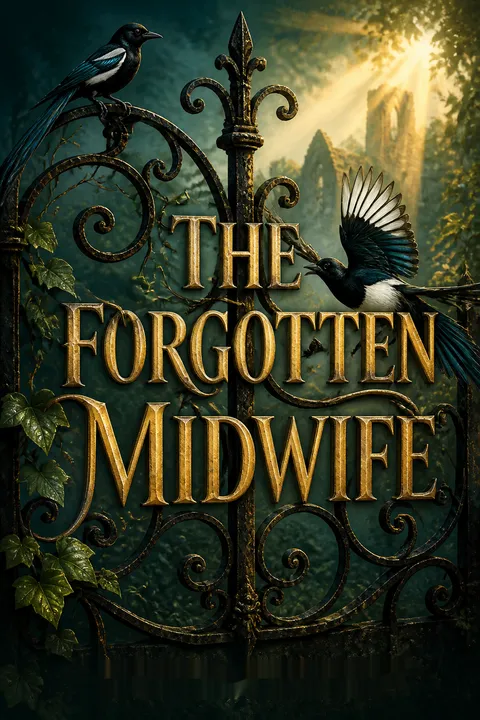
The magpie rhyme—one for sorrow, two for joy—recurs at emotional crescendos. Its patterning foreshadows narrative developments: despair, hope, legacy, and the secrets that pass "never to be told," unless someone breaks the cycle. Across the story, shadows, locked doors, silence before prayers, and small acts of nature all presage turning points or signal unrevealed truths.
Intergenerational Trauma and Cycle-Breaking
Psychological echoes ripple through generations: trauma repeated, silence reinforced, and shame inherited. Only by breaking silence (through story, letter, or reunion) can healing begin. Structurally, even Margaret's and Riley's stories repeat and then diverge: lives dictated by others, then reclaimed by action.
External and Internal Obstacles
Escape is hindered by threat of violence, destruction of messages, familial betrayal, and surveillance. Just as harrowing are internalized voices—guilt, shame, self-hatred—drilled into both "fallen" girls and religious caretakers. The narrative demonstrates that breaking free requires both physical and psychological courage.
Download PDF
Download EPUB
.epub digital book format is ideal for reading ebooks on phones, tablets, and e-readers.








































