
Plot Summary
Snowfall and Separation
In a world ravaged by the Flare, a rare snowfall brings a fleeting moment of wonder to a boy and his family. But the peace is shattered when strangers arrive, demanding his sister Lizzy. Violence erupts, leaving the boy and his sister orphaned and forcibly taken by WICKED. The trauma of loss and the terror of separation etch themselves into the boy's psyche, setting the tone for a life defined by survival, guilt, and the desperate need to protect those he loves. The cold, both literal and emotional, becomes a motif for the isolation and uncertainty that will follow him into WICKED's care.
The Name They Stole
The boy, now called Stephen, is stripped of his name and forced to accept "Thomas" through relentless psychological and physical torment. WICKED's methods are brutal: pain stimulators, isolation, and the erasure of his past. The loss of his name symbolizes the loss of self, and the trauma leaves him numb, wary, and determined never to forget who he was. This forced transformation is the first of many sacrifices demanded by WICKED, and it marks the beginning of Thomas's complicated relationship with authority, memory, and trust.
WICKED's White Walls
Thomas's new life is a cycle of medical tests, brain scans, and endless puzzles. The sterile environment of WICKED is both a prison and a school, where children are studied, trained, and prepared for unknown purposes. The monotony is broken only by brief glimpses of other children, especially the mysterious girl next door, Teresa. The adults are distant, their kindness always tinged with ulterior motives. Thomas's longing for connection and understanding grows, as does his suspicion that he and the other children are being shaped for something far more sinister than they're told.
The Girl Next Door
Teresa, the girl in room 31K, becomes a symbol of hope and curiosity for Thomas. Their first real meeting is awkward but electric, filled with the promise of friendship and the shared pain of loss. Both are isolated, both have been renamed, and both sense that they are different from the other children. Their bond deepens as they confide in each other about the strange sensations in their heads—the itch, the trigger, the sense that something is waiting to be unlocked. Together, they begin to question WICKED's motives and the true nature of their own abilities.
Lessons and Losses
WICKED's curriculum is rigorous, blending history, science, and critical thinking with relentless psychological testing. Thomas excels, but the lessons are laced with reminders of the world's devastation and the organization's desperate search for a cure. The children are taught to see themselves as humanity's last hope, but the cost is high: innocence, autonomy, and, for some, their lives. Rumors of failed surgeries and lost children haunt the halls, and the line between education and experimentation blurs, leaving Thomas and Teresa increasingly wary of their keepers.
The Christmas Conversation
A rare meeting with Chancellor Anderson on Christmas drives home the reality of what's been lost. The holiday, once a symbol of family and warmth, is now a painful reminder of everything the children have been denied. Anderson's speech is both a plea and a threat: WICKED's mission is paramount, and no cost is too great. The conversation leaves Thomas with a deeper understanding of the stakes, but also a growing sense of unease about the methods being used in the name of salvation.
Dr. Paige's Promise
Dr. Paige becomes a steady presence in Thomas's life, offering genuine kindness and a sense of safety. She reassures him that his suffering is not in vain, that he is special, and that his contributions are vital. Her warmth stands in stark contrast to the cold efficiency of the other adults, and Thomas clings to her as a surrogate parent. Yet even Dr. Paige is complicit in WICKED's plans, and her reassurances are always tinged with the knowledge that she, too, is keeping secrets.
The Implants and the Itch
Thomas and the other children undergo surgery to implant devices in their brains, ostensibly to help WICKED study their "killzones." The procedure is traumatic, and the aftermath is marked by headaches, strange sensations, and the growing realization that the implants are more than mere monitors. Teresa is the first to discover the potential for telepathic communication, and together they begin to explore the boundaries of their new abilities. The implants become both a tool and a weapon, a source of power and vulnerability.
Nighttime Friendships
Isolation gives way to camaraderie as Thomas, Teresa, Newt, Minho, Alby, and eventually Chuck begin to meet in secret. Their nighttime adventures through the WICKED complex are both a rebellion and a lifeline, offering moments of joy and normalcy in an otherwise controlled existence. The friendships formed in these stolen hours become the foundation for everything that follows, providing strength, loyalty, and a sense of purpose. Yet the ever-present threat of discovery—and the knowledge that not all are immune—casts a shadow over their happiness.
The Crank Pits
Caught sneaking outside, the children are punished by being forced to confront the Crank pits—cages filled with those driven mad by the Flare. The experience is harrowing, exposing them to the true horror of the disease and the desperation of those afflicted. A chance encounter with John Michael, a founder of WICKED now succumbing to the Flare, drives home the moral ambiguity of their situation. The message "WICKED is good" becomes both a mantra and a question, haunting Thomas as he grapples with the ethics of sacrifice and survival.
The Griever's Lesson
When Minho attempts to escape, WICKED uses him as an example, subjecting him to a terrifying encounter with a Griever—a biomechanical monster designed to test the children's limits. Thomas is forced to watch, powerless, as his friend is traumatized. The lesson is clear: disobedience will not be tolerated, and the trials ahead will be merciless. The incident leaves Minho changed, the group shaken, and Thomas more determined than ever to find a way out.
The Purge
A Flare outbreak among WICKED's staff forces Dr. Paige to initiate the Purge—a systematic execution of infected adults to protect the project. Thomas, Teresa, Aris, and Rachel are chosen to carry out the task, their immunity making them the only safe option. The experience is brutalizing, stripping away another layer of innocence and leaving them haunted by guilt. The Purge cements their roles as both subjects and instruments of WICKED's will, deepening the moral complexity of their situation.
The Burden of Memory
In the aftermath of the Purge, Thomas is consumed by guilt and isolation. His relationships with Teresa and the others become strained as each copes in their own way. The observation room becomes his refuge, a place to watch over his friends in the maze and cling to the hope that their suffering will not be in vain. The burden of memory—of what he's done, what he's lost, and what he still hopes to save—shapes his every thought and action.
The Plan to Escape
As WICKED's plans for a second phase of trials in the Scorch become clear, Thomas resolves to save his friends. He and Teresa plot to enter the maze with their memories intact, gather allies, and orchestrate an escape. The plan is risky, relying on deception, stolen codes, and the hope that their bonds of friendship will be enough to overcome WICKED's control. The decision marks a turning point, transforming Thomas from a passive subject into an active agent of change.
Betrayal and the Swipe
On the eve of their insertion, Dr. Paige betrays Thomas, drugging him and subjecting him to the Swipe—the erasure of his memories. The plan to save his friends is lost, and Thomas is left adrift in a sea of confusion and loss. The betrayal is devastating, a final reminder that in WICKED's eyes, the ends always justify the means. As his memories are stripped away, Thomas clings to the hope that something of himself will survive.
Into the Maze
Thomas awakens in the Box, his past erased, his future uncertain. The world of the Glade is both familiar and alien, populated by boys who are strangers and yet, somehow, friends. The trials ahead will test everything he is and everything he has left. The cycle of loss, hope, and resistance begins anew, as Thomas steps into the maze and the next chapter of his story.
The Last Goodbye
As Chuck prepares for his own insertion, Thomas is forced to confront the reality of what WICKED has taken from them all. Their goodbye is both heartbreaking and hopeful, a testament to the power of friendship in the face of overwhelming odds. The promise of reunion, of a future beyond the maze, becomes a fragile thread tying them together. But the cost of hope is high, and the sacrifices demanded by WICKED are far from over.
WICKED's New Beginning
With the Elites inserted and the trials underway, WICKED enters a new phase. Dr. Paige assumes control, rewriting history to justify the organization's actions and ensure its survival. The children, now subjects in a grand experiment, are left to navigate a world of shifting loyalties, hidden agendas, and impossible choices. The question of whether WICKED is truly good remains unanswered, echoing through the maze and the hearts of those trapped within.
Analysis
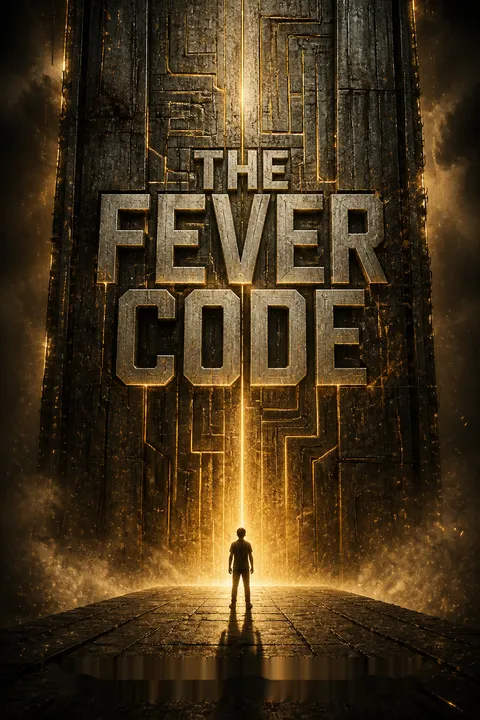
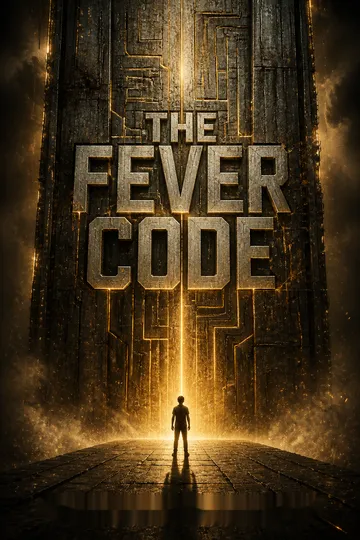
The Fever Code is a harrowing exploration of identity, trauma, and the ethics of survival in a world undone by catastrophe. Through the lens of Thomas and his friends, James Dashner interrogates the cost of salvation: how much suffering, how many sacrifices, are justified in the name of the greater good? The novel's use of memory manipulation as both a plot device and a metaphor for lost innocence is particularly resonant in an age of uncertainty and upheaval. The children's struggle to maintain their sense of self, to forge connections in the face of relentless control, and to resist the dehumanizing logic of WICKED speaks to universal fears about autonomy, agency, and the meaning of hope. The story's cyclical structure—trauma begetting trauma, resistance begetting resistance—underscores the difficulty of breaking free from systems of oppression, even as it holds out the possibility of redemption through friendship, loyalty, and the refusal to forget. Ultimately, The Fever Code challenges readers to consider not just what is worth saving, but what is worth sacrificing to save it.
Review Summary
The Fever Code received mostly positive reviews, with readers praising the backstory and character development. Many appreciated the insights into WICKED's origins and the maze's construction. Fans enjoyed reuniting with beloved characters and learning about their pasts. Some found the first half slow-paced but were captivated by the ending. Critics noted plot holes and questioned the scientific logic. Overall, readers felt it was a satisfying addition to the series, answering many lingering questions while also raising new ones.
People Also Read







Characters
Thomas (Stephen)
Thomas is the emotional and narrative center of the story—a boy whose identity is forcibly stripped away and rebuilt by WICKED. His journey is one of trauma, resilience, and the search for meaning in a world that demands sacrifice. Thomas's relationships—with Teresa, Newt, Minho, Alby, and Chuck—are the anchors that keep him grounded, even as he is manipulated and betrayed. Psychologically, Thomas is marked by guilt, a fierce loyalty to his friends, and a growing skepticism of authority. His development from passive subject to active rebel is driven by a deep need to protect others and reclaim his sense of self.
Teresa
Teresa is Thomas's closest confidante and intellectual equal. Her early acceptance of her new name and her quick adaptation to WICKED's demands set her apart, but beneath her composure lies a well of pain and longing. Teresa's discovery of telepathy and her willingness to push boundaries make her both a valuable asset and a potential threat to WICKED. Her relationship with Thomas is complex—marked by trust, affection, and occasional distance as she grapples with the moral ambiguities of their situation. Teresa's pragmatism and willingness to make hard choices foreshadow her later actions and the rift that will grow between her and Thomas.
Newt
Newt is the emotional heart of the group, defined by his compassion, vulnerability, and the tragic knowledge that he is not immune. His love for his sister Lizzy (Sonya) and his friendships with Thomas, Minho, and Alby provide him with strength, but also make his suffering more acute. Newt's attempts to climb the maze walls and his eventual despair highlight the psychological toll of WICKED's experiments. He is both a symbol of hope and a reminder of the cost of survival in a world that offers no guarantees.
Minho
Minho is the group's daredevil and comic relief, but beneath his bravado lies a deep well of pain. His repeated attempts to escape and his punishment at the hands of WICKED leave him changed—quieter, more cautious, and haunted by what he has endured. Minho's loyalty to his friends is unwavering, but his willingness to challenge authority and question the status quo make him both a leader and a target. His psychological journey is one of resilience in the face of repeated betrayal.
Alby
Alby is the de facto leader of the Gladers, tasked with maintaining order in an environment designed to breed chaos. His pragmatism and toughness are both a strength and a weakness, as he struggles to balance the needs of the group with the demands of WICKED. Alby's relationship with Thomas is complicated by jealousy, suspicion, and a shared sense of responsibility. Psychologically, Alby is marked by a deep fear of failure and a desperate need to find meaning in suffering.
Chuck
Chuck is the youngest and most innocent of the group, a source of comic relief and emotional grounding. His friendship with Thomas is pure and unguarded, providing a counterpoint to the cynicism and trauma of the older boys. Chuck's journey from frightened newcomer to brave Glader is a testament to the resilience of the human spirit, but his fate is a constant reminder of the cost of hope in a world ruled by WICKED.
Dr. Ava Paige
Dr. Paige is the most complex adult in the story—a surrogate mother to Thomas and Teresa, a voice of reason and comfort, but also a willing participant in WICKED's most brutal actions. Her genuine affection for the children is tempered by a ruthless pragmatism and a willingness to do whatever it takes to achieve her goals. Psychologically, Dr. Paige embodies the moral ambiguity at the heart of WICKED: is she a savior, a monster, or both?
Chancellor Anderson
Anderson is the face of WICKED's original mission—a man driven by loss, hope, and the belief that any sacrifice is justified in the pursuit of a cure. His descent into madness and eventual death during the Purge symbolize the collapse of old ideals and the rise of a new, more ruthless order. Anderson's interactions with Thomas and the other children are marked by a paternalistic condescension and a growing sense of desperation.
Randall
Randall is the primary instrument of WICKED's discipline, responsible for Thomas's initial trauma and later for the terror of the Crank pits. His transformation from authority figure to Crank is a chilling reminder of the thin line between order and chaos. Psychologically, Randall is both a victim and a perpetrator, his actions shaped by fear, guilt, and the relentless demands of survival.
Sonya (Lizzy)
Sonya, formerly Lizzy, is a minor but pivotal character whose abduction and renaming set the stage for Newt's lifelong trauma. Her presence in Group B and her brief reunions with Newt highlight the arbitrary cruelty of WICKED's experiments and the enduring power of familial love. Sonya's resilience and adaptability mirror those of her brother, and her fate is intertwined with the larger question of what, if anything, can be saved in a broken world.
Plot Devices
Memory Manipulation and Identity
The central plot device of The Fever Code is the manipulation of memory—through renaming, the Swipe, and the selective erasure of the past. This device serves both as a means of control and as a metaphor for the loss of innocence and autonomy. The uncertainty of identity, the fear of forgetting, and the struggle to hold on to selfhood drive the psychological tension of the story. Foreshadowing is used throughout, as characters sense the gaps in their memories and the inevitability of further loss.
The Maze as Microcosm
The construction and operation of the maze serve as both literal and symbolic plot devices. The maze is a microcosm of WICKED's philosophy: order imposed on chaos, suffering as a path to salvation. The shifting walls, the Grievers, and the artificial sky all reinforce the sense of being trapped in an experiment with no escape. The maze also functions as a crucible for character development, forcing the children to confront their fears, form alliances, and question the morality of their actions.
Telepathy and Connection
The discovery of telepathic communication through the brain implants is a key plot device, enabling secret alliances, shared plans, and moments of intimacy that would otherwise be impossible. This device also raises questions about privacy, autonomy, and the limits of trust. The telepathy is both a tool for resistance and a potential vulnerability, as WICKED's surveillance is ever-present.
The Purge and Moral Ambiguity
The Purge is a pivotal plot device, forcing the protagonists to confront the ethics of survival and the cost of loyalty. The act of killing infected adults is framed as both a necessary evil and a profound trauma, deepening the psychological complexity of the story. The Purge also marks a shift in power, as the children become both subjects and agents of WICKED's will.
Foreshadowing and Cyclical Structure
The narrative is structured to echo itself, with cycles of loss, hope, and resistance repeating across generations of children. Foreshadowing is used to hint at future betrayals, the inevitability of suffering, and the possibility of redemption. The story's ending, with Thomas's insertion into the maze and the erasure of his memories, brings the cycle full circle, setting the stage for the events of The Maze Runner.
The Maze Runner Series


About the Author

Download PDF
Download EPUB
.epub digital book format is ideal for reading ebooks on phones, tablets, and e-readers.








































