
Plot Summary
Scones, Spies, and Parachutes
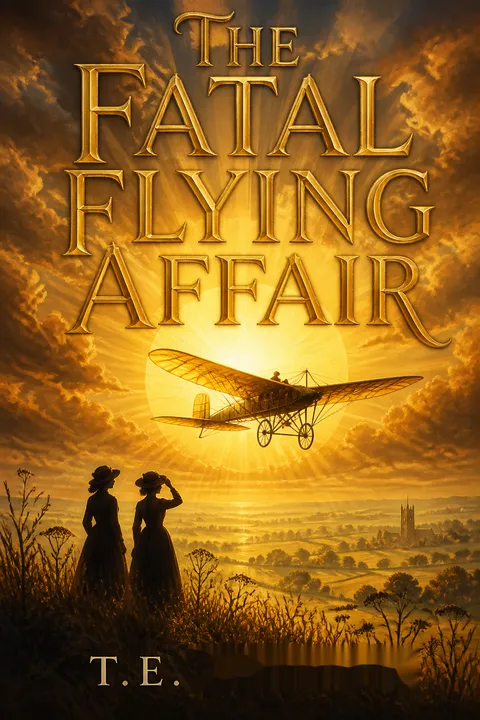
Lady Hardcastle and her loyal maid, Flo Armstrong, enjoy a peaceful Gloucestershire summer, savoring scones and garden plans. Their idyll is interrupted by Lady Hardcastle's brother, Harry, a Secret Service Bureau official, who brings news of a fatal accident at the Bristol Aviation factory. A promising young engineer, Dickie Dupree, has died testing a new parachute, and evidence suggests sabotage and espionage. Harry enlists the duo to investigate, leveraging their unique skills and local connections. The prospect of flying and sleuthing excites Flo, while Lady Hardcastle's curiosity is piqued by the intersection of village life and international intrigue. The stage is set for a summer of secrets, suspicion, and adventure.
Tea at The Grange
Lady Hardcastle and Flo visit the eccentric Farley-Strouds at The Grange, blending social calls with subtle intelligence gathering. Adam Whitman, Clarissa's husband and an engineer visiting from France, becomes their key to accessing Bristol Aviation. Over tea and rum punch, the women secure an invitation to tour the factory under the pretense of purchasing an aeroplane. The warmth of village friendships contrasts with the underlying tension of their covert mission. The visit also highlights the complexities of class and gender, as Flo navigates her ambiguous role between servant and confidante. The emotional stakes rise as the women prepare to balance loyalty, friendship, and duty.
Factory Tour and Flying Dreams
At Bristol Aviation, Lady Hardcastle and Flo are greeted by the affable managing director, Walter Sandling, and the efficient secretary, Myrtle Matthews. The tour reveals a world of innovation—gleaming hangars, intricate engineering, and the promise of flight. Flo's excitement at the prospect of piloting a Dunnock monoplane is tempered by the somber mood following Dupree's death. The women meet key staff: the genial engineer Goff Parfitt, the oily test pilot Rupert Herbert, and the awkward junior engineer Paul Curtis. Beneath the camaraderie, suspicions simmer. The factory's openness is a façade, masking secrets, rivalries, and the shadow of sabotage.
Suspects and Silk
Back home, Lady Hardcastle and Flo construct their crime board, sketching suspects and motives. Sandling's chumminess, Myrtle's grief, Goff's dullness, and Rupert's lechery are dissected with wit and empathy. The failed parachute's silk and seams become symbols of both technological progress and human vulnerability. The investigation is complicated by the company's financial woes and the possibility of blackmail or ideological betrayal. Flo's skills as a seamstress and observer prove invaluable, as she plans to infiltrate the parachute project. The emotional toll of espionage and loss is felt keenly, especially in Myrtle's quiet suffering.
Test Flights and Tensions
Lady Hardcastle's test flight with Rupert Herbert is a triumph, soaring under the Clifton Suspension Bridge and igniting Flo's envy. Flo's own flight is thwarted by engine failure, raising questions about safety and sabotage. The women's rapport with Myrtle deepens, revealing the secretary's suffragette spirit and lingering trauma. The investigation pivots to the technical: failed seams, suspect engines, and the ease with which secrets could be stolen. The tension between progress and peril is palpable, as the promise of flight is shadowed by the threat of betrayal and disaster.
Engine Trouble and Espionage
The failed engine and parachute point to deliberate interference. Lady Hardcastle's "Angry Toff" routine elicits confessions from Sandling about the company's precarious finances and the pressure to deliver a working parachute. Harry's intelligence reveals that Goff recently paid off debts in cash, raising suspicions of bribery. The investigation expands to include the company's accountant, John Milhouse, whose reputation as a lecherous goat is at odds with his polite demeanor. The women plan a nighttime break-in to uncover hidden ledgers and evidence of fraud. The stakes escalate as personal and national interests collide.
Village Life Unfolds
Amidst espionage, village life continues: cricket matches, pub banter, and preparations for the annual show. Flo and Daisy rehearse a comic animal impressions act, while Lady Hardcastle contemplates a knife-throwing routine. The women's dual lives—spies and villagers—intertwine, highlighting the resilience and humor that sustain them. The village's eccentricities provide both cover and contrast to the high-stakes investigation. The emotional landscape is rich with camaraderie, rivalry, and the ever-present possibility of danger lurking beneath the surface of rural tranquility.
The Accountant's Secrets
Lady Hardcastle and Flo meet with Milhouse, whose charm masks deeper duplicity. Flo's keen eye spots a hidden safe behind a portrait, suggesting a second set of books and possible embezzlement. The women picnic under a tree, reflecting on the accountant's motives and the tangled web of personal and professional betrayals. The investigation becomes a race against time, as evidence of fraud, sabotage, and espionage accumulates. The boundaries between victim and villain blur, and the women prepare for a daring nighttime operation to uncover the truth.
Drawing Office Intrigues
In the drawing office, Lady Hardcastle engages Goff and Paul Curtis in discussions of aeronautical engineering, while Flo bonds with Paul over stewed tea and academic backgrounds. Paul's blandness and lack of memorable traits make him both invisible and suspicious. The women note the absence of other teams, away on War Office business, narrowing the field of suspects. The investigation is marked by a blend of technical curiosity, social observation, and psychological insight. The stage is set for a confrontation with the hidden forces undermining the factory's future.
Nighttime Break-In
Under cover of darkness, Flo infiltrates the factory, slipping past inattentive nightwatchmen and picking locks with practiced ease. In the parachute room, she confirms that the fatal seam was deliberately cut, not frayed—a clear act of sabotage. The accountant's secret safe yields bundles of cash, a revolver, and incriminating ledgers. Flo's escape is nearly thwarted by the nightwatchmen, but her agility and quick thinking see her safely home. The break-in provides crucial evidence but also raises new questions about motives, means, and the true identity of the saboteur.
The Leaker's Lair
Harry's plan to flush out the leaker involves planting false information and arranging a rendezvous on Horfield Common. Lady Hardcastle and Flo conduct surveillance, blending into the crowd with tennis racquets and summer frocks. The first suspect, Milhouse, is revealed to be meeting a lover, not a foreign agent. The real leaker remains elusive, but the women's persistence and adaptability keep the investigation alive. The emotional toll of betrayal—romantic, financial, and patriotic—is explored, as the boundaries between public duty and private desire are tested.
Affairs, Alibis, and Arrests
The arrest of Milhouse for embezzlement exposes his affair with Mrs. Sandling, adding layers of personal betrayal to the professional crime. Lady Hardcastle's assertiveness and Flo's martial prowess prevent a violent escape. The company's woes deepen, but the true leaker remains at large. The investigation's focus shifts to the remaining suspects, as the women grapple with the complexities of justice, loyalty, and the unintended consequences of their actions. The emotional fallout is felt by all, from the betrayed Sandlings to the grieving Myrtle.
The Real Saboteur
The true saboteur is revealed to be Myrtle Matthews, whose love for Dickie Dupree drove her to sabotage the parachute in hopes of preventing his dangerous test flight. Unaware that the live test had been moved forward, she is devastated by the unintended fatal outcome. Lady Hardcastle's empathy and insight bring the truth to light, and Myrtle is taken into custody, her actions a tragic blend of love and desperation. The investigation's emotional core is laid bare, as the cost of secrecy and fear is measured in human lives.
Village Show in Peril
Disaster strikes as the village hall burns down on the eve of the annual show. Flo's leadership and organizational skills rally the community to relocate the event to the green, transforming adversity into celebration. The villagers unite to build a stage, salvage sets, and prepare for an outdoor spectacle. The show becomes a symbol of resilience, creativity, and the enduring bonds of friendship. The emotional arc shifts from loss and frustration to hope and joy, as the village prepares to celebrate together.
Revelations and Resolutions
With the leaker unmasked as Paul Curtis—actually Kurt Pohl, a German agent—the investigation concludes. The company's future is uncertain but hopeful, as the War Office recognizes the value of its innovations despite recent scandals. Lady Hardcastle and Flo reflect on the lessons learned, the friendships forged, and the price of progress. The village show, now a festival of unity, provides closure and catharsis for all. The emotional journey from suspicion and sorrow to trust and triumph is complete.
The Final Flight
When Curtis attempts to flee in a stolen Dunnock, Flo and Adam Whitman give chase in another aeroplane. The pursuit ends with Curtis crashing in a field of cows, his escape foiled by both human and bovine intervention. Flo's courage and combat skills ensure his capture, while Adam's steady hand brings them safely home. The episode is both thrilling and comic, blending high adventure with the quirks of rural life. Justice is served, and the village's peace is restored.
Justice and Jubilee
Inspector Sunderland's investigation brings closure: Curtis is arrested for espionage, Myrtle faces charges for manslaughter, and Milhouse is held accountable for embezzlement. The company's reputation is salvaged, and the War Office's faith is tentatively restored. Lady Hardcastle and Flo are celebrated for their bravery and ingenuity, while the village prepares for the show. The emotional arc resolves as forgiveness, understanding, and community triumph over suspicion and division.
A Village United
The village show unfolds as a joyous celebration of resilience, creativity, and togetherness. Flo's surprise aerial banner delights the crowd, Lady Hardcastle dazzles at the piano, and the villagers revel in music, laughter, and camaraderie. The hardships of the summer are transformed into stories of triumph and unity. As the sun sets on Littleton Cotterell, Lady Hardcastle and Flo look to the future with hope, their friendship and community stronger than ever.
Analysis
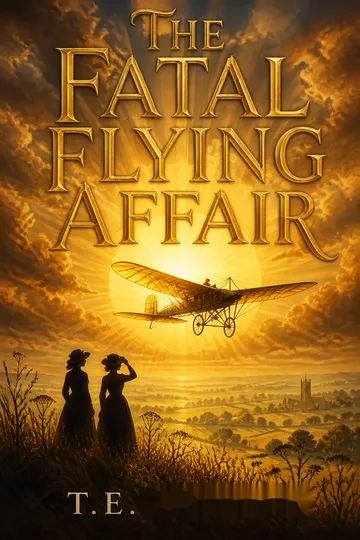
A modern reflection on trust, progress, and belongingThe Fatal Flying Affair is more than a cozy mystery; it is a meditation on the costs and rewards of innovation, the fragility of trust, and the enduring power of community. Set on the eve of a world poised for war, the novel explores how ordinary people are swept up in extraordinary events, and how the boundaries between heroism and folly, loyalty and betrayal, are often blurred. The lessons are timeless: progress demands vigilance, justice requires empathy, and true belonging is forged not by blood or class, but by shared purpose and mutual care. In an age of rapid change and uncertainty, the story reminds us that resilience, humor, and kindness are as vital as courage and cunning. The village, with all its quirks and contradictions, becomes a microcosm of a world in flux—proving that even in the shadow of sabotage and loss, hope can take flight.
Characters
Lady Emily Hardcastle
Lady Hardcastle is a widowed gentlewoman with a mysterious past in espionage and adventure. Her sharp wit, unconventional manners, and disregard for social norms make her both a beloved village eccentric and a formidable investigator. She treats Flo as an equal and confidante, blurring class boundaries and challenging expectations. Psychologically, Lady Hardcastle is driven by curiosity, justice, and a deep sense of responsibility—to her friends, her country, and herself. Over the course of the story, she balances her love of rural tranquility with the thrill of intrigue, ultimately reaffirming her commitment to both community and country.
Florence "Flo" Armstrong
Flo is Lady Hardcastle's maid, companion, and right hand—a woman of humble origins with a background in circus performance and covert operations. Her keen observational skills, practical intelligence, and physical prowess make her indispensable. Flo's psychological complexity lies in her navigation of class, gender, and identity; she is both invisible and essential, moving seamlessly between worlds. Her loyalty to Lady Hardcastle is matched by her empathy for others, especially those marginalized or in pain. Flo's journey is one of self-assertion, as she claims her place as both servant and savior.
Harry Featherstonhaugh
Lady Hardcastle's brother and a senior official in the Secret Service Bureau, Harry is both a source of comic relief and a catalyst for action. His affection for his sister is matched by his exasperation at her independence. Harry's psychological profile is that of a man caught between duty and family, administration and adventure. He relies on Lady Hardcastle and Flo's field expertise, often underestimating their emotional intelligence. Over time, he learns to trust their instincts and methods, recognizing the value of unconventional approaches.
Myrtle Matthews
The efficient secretary at Bristol Aviation, Myrtle is engaged to Dickie Dupree and devastated by his death. Her suffragette activism and professional competence mask deep vulnerability. Psychologically, Myrtle is driven by love, fear, and a desperate need to protect those she cares about. Her sabotage of the parachute is an act of misguided devotion, leading to unintended tragedy. Myrtle's arc is one of guilt, confession, and the hope for understanding and forgiveness.
Walter Sandling
The managing director of Bristol Aviation, Sandling is a genial leader struggling to keep his company afloat amid financial and security crises. His desire to be liked sometimes undermines his authority, but his commitment to innovation and his employees is genuine. Psychologically, Sandling is torn between optimism and anxiety, trust and suspicion. The betrayals within his company force him to confront his own limitations and the need for vigilance.
Godfrey "Goff" Parfitt
Senior engineer at Bristol Aviation, Goff is a man defined by his work. His technical brilliance is matched by social awkwardness, making him both overlooked and indispensable. Goff's psychological landscape is one of order, precision, and loyalty to his craft. His recent financial windfall raises suspicions, but his integrity is ultimately affirmed. Goff represents the unsung heroes of progress—those who labor in obscurity for the greater good.
Rupert Herbert
The company's chief test pilot, Rupert is a figure of bravado and questionable morals. His charm is superficial, masking insecurity and a need for validation. Psychologically, Rupert is driven by ego and a desire for excitement, often at the expense of others' comfort. While not a traitor, his behavior complicates the investigation and adds a layer of comic menace.
John Milhouse
The company accountant, Milhouse is outwardly courteous but secretly embezzling funds and conducting an affair with Mrs. Sandling. His psychological profile is that of a man compartmentalizing guilt, desire, and ambition. Milhouse's downfall is precipitated by his inability to reconcile personal and professional loyalties. His arrest exposes the tangled web of deceit at the heart of the company.
Paul Curtis / Kurt Pohl
The junior engineer, Paul Curtis is revealed to be Kurt Pohl, a German agent planted to steal secrets. His blandness and forgettability are his greatest assets, allowing him to operate undetected. Psychologically, Curtis/Pohl is driven by ideology and a sense of mission, but lacks the emotional intelligence and training to succeed. His capture is both a triumph of observation and a cautionary tale about the dangers of fanaticism.
Adam Whitman
Clarissa's husband and a visiting engineer from France, Adam is a bridge between worlds—technical and social, English and continental. His calm demeanor and willingness to help make him a valuable ally. Psychologically, Adam is motivated by curiosity, loyalty, and a desire to contribute. His role in the final aerial pursuit cements his status as a quiet hero.
Plot Devices
Dual Narrative Structure
The novel masterfully weaves together the rhythms of rural England with the high-stakes world of early twentieth-century espionage. This duality allows for both comic relief and emotional depth, as the characters navigate cricket matches and covert operations with equal aplomb. The structure mirrors the psychological tension between public and private selves, highlighting the ways in which ordinary life is shaped by extraordinary events.
Red Herrings and Misdirection
The investigation is marked by a series of false leads—financial irregularities, romantic entanglements, and technical failures—that keep both characters and readers guessing. Each suspect is given plausible motives and opportunities, creating a web of suspicion that is only unraveled through careful observation and empathy. The use of red herrings underscores the complexity of human behavior and the dangers of jumping to conclusions.
Symbolism of Flight and Fabric
The technological innovations at the heart of the story—parachutes and aeroplanes—serve as symbols of both progress and peril. The failed seam in the parachute represents the fragility of human ambition and the ease with which dreams can unravel. The act of flying becomes a metaphor for freedom, risk, and the desire to transcend limitations. The interplay of silk, stitching, and sabotage reflects the interconnectedness of personal and collective destinies.
Psychological Realism and Empathy
The novel's emotional power derives from its nuanced portrayal of motives. Sabotage is not the work of a villainous outsider, but of a grieving woman desperate to save her beloved. Espionage is committed not by a master spy, but by an invisible fanatic seeking purpose. The investigators' success depends not on deduction alone, but on their ability to understand and forgive. This psychological realism elevates the story from mere mystery to a meditation on the human condition.
Community as Character
The resilience, humor, and solidarity of Littleton Cotterell are as central to the narrative as any individual. The village show, the pub, and the cricket green provide both cover for espionage and the means of healing after tragedy. The community's ability to adapt, celebrate, and forgive is the ultimate source of hope and renewal.
Lady Hardcastle Mysteries Series

Download PDF
Download EPUB
.epub digital book format is ideal for reading ebooks on phones, tablets, and e-readers.








































