
Plot Summary
Sisters and Sacrifices
In the heart of imperial Vienna, young Charlotte and Antoine—daughters of Empress Maria Theresa—forge a secret bond through the discovery of a mysterious embroidered book filled with spells. Their childhood is marked by loss, duty, and the ever-present shadow of their mother's ambitions. As they grow, the sisters learn that every spell demands a sacrifice: memories, affections, hopes, and treasures. Their clandestine magic becomes both a comfort and a weapon, a way to survive the rigid expectations of royal life and the looming threat of arranged marriages. The sisters' love for each other is fierce, but the world is changing, and their sacrifices will shape not only their destinies but the fate of empires.
The Embroidered Book's Secrets
The embroidered book, inherited from a murdered governess, becomes the sisters' guide to a world of secret power. Its spells are cryptic, requiring personal losses to function, and its origins are shrouded in mystery. As Charlotte and Antoine experiment, they realize that magic is not only a source of agency but also a source of peril. The book's spells can enchant objects, influence minds, and even protect against other magicians, but each use chips away at their innocence and memories. The sisters' growing mastery draws the attention of hidden magisters and the secretive Order of 1326, who police the boundaries of magical knowledge and punish those who transgress. The embroidered book is both a blessing and a curse, a legacy that will haunt them for decades.
Royal Marriages and Magic
As adolescence ends, Charlotte and Antoine are thrust into the machinery of dynastic politics. Charlotte is sent to Naples to marry the brutish Ferdinand, while Antoine—now Marie Antoinette—is dispatched to France as a diplomatic bride for the Dauphin. Both sisters arm themselves with enchanted objects and spells, hoping to shape their new worlds. Yet, magic cannot shield them from the loneliness, humiliation, and danger of foreign courts. Charlotte's attempts to wield influence in Naples are stymied by corrupt ministers and her husband's indifference, while Antoinette's charm is no match for the suspicion and hostility of Versailles. Their correspondence, encrypted and magical, becomes a lifeline as they struggle to survive and assert themselves in lands that see them as outsiders.
Resistance and Loss
The sisters' lives are marked by relentless loss: siblings and children die from smallpox and fever, and the sacrifices demanded by magic grow ever more painful. Charlotte's efforts to protect her family and kingdom are undermined by political intrigue and the intransigence of her husband. Antoinette, isolated and scrutinized, finds herself powerless to save those she loves. The embroidered book's spells cannot prevent tragedy, and each failed enchantment is a reminder of their vulnerability. As the sisters mature, they realize that magic cannot conquer fate, and that every act of resistance comes at a cost. Their bond is tested by distance, grief, and the growing threat of exposure.
Queens in Foreign Lands
Both Charlotte and Antoinette become queens in lands that will never fully accept them. Charlotte, determined to be more than a pawn, builds alliances with local intellectuals and magisters, seeking to modernize Naples and use magic for the public good. Antoinette, meanwhile, is caught between the expectations of the French court and the hostility of the people. She forms her own circle of rogue magisters, teaching magic to trusted friends and using enchantments to influence politics and public opinion. Yet, their efforts are always shadowed by suspicion, betrayal, and the ever-watchful eyes of the Order. The sisters' dreams of enlightened rule are constantly undermined by the realities of power and the dangers of magic.
The Order of 1326
The Order of 1326, a clandestine brotherhood of magisters, seeks to control the use of magic and keep it hidden from the masses. Its rules are strict: monarchs and women are traditionally excluded, and rogue magisters are hunted, their memories erased or their lives ended. Charlotte's admission to the Order in Naples is unprecedented, and her efforts to reform it from within are met with resistance and intrigue. The Order's power is waning, challenged by the proliferation of rogue magisters and the spread of magical knowledge. As revolution brews across Europe, the Order's internal divisions mirror the chaos outside, and its members must choose between tradition and change, secrecy and progress.
Spells, Power, and Betrayal
The spread of magic brings new opportunities and new dangers. Charlotte's reforms in Naples—using enchanted flour to feed the people and magical schools to educate them—are threatened by betrayal from within her own circle. Antoinette's attempts to use magic to secure her position in France backfire, as spells are stolen, twisted, and used against her. The sisters' trust in their friends and each other is tested by political machinations, personal ambition, and the relentless demands of power. The line between ally and enemy blurs, and every act of magic risks exposure, retaliation, or unintended consequences. The cost of betrayal is high, and the sisters must decide what—and whom—they are willing to sacrifice.
The Price of Ambition
The unchecked use of magic accelerates the decay of the old order. In Naples, enchanted flour meant to sow doubt instead unleashes a fog of suspicion and violence, destabilizing the kingdom. In France, Antoinette's magical interventions cannot stem the tide of revolution, and her every action is twisted by propaganda and public hatred. The Order's attempts to control magic fail, and rogue magisters exploit the chaos for their own ends. The sisters' ambitions—to use magic for good, to protect their families, to shape history—are undone by the very forces they sought to command. The world is changing, and the old certainties are crumbling.
Revolution's Shadow
The French Revolution sweeps away the old world, and Antoinette becomes a prisoner in her own palace. The royal family's failed escape, the execution of Louis XVI, and the deaths of their children mark the end of an era. In Naples, Charlotte faces rebellion, betrayal, and the threat of invasion. The Order of 1326 collapses, its great spellbook stolen and its members scattered. Magic, once a secret weapon of the elite, becomes a tool of the mob, fueling violence and terror. The sisters' hopes for enlightened rule are drowned in blood and despair, and the shadow of revolution falls across Europe.
The Fog of Naples
As Naples is engulfed by the fog of magical suspicion, Charlotte resorts to ever more draconian measures: secret police, surveillance, and the suppression of dissent. Her closest allies betray her, and her efforts to maintain order only breed more unrest. The city becomes a battleground of competing magical factions, and the line between protector and oppressor blurs. The cost of maintaining power grows unbearable, and Charlotte is forced to confront the consequences of her choices. The dream of a just and enlightened kingdom slips further from her grasp.
The Fall of Versailles
In Paris, the revolution reaches its climax. The royal family is besieged, betrayed, and ultimately destroyed. Antoinette's last acts are those of a mother and a queen: protecting her children, facing her accusers with dignity, and refusing to flee without those she loves. The magic that once offered hope is powerless against the tide of history. The execution of the King and Queen marks the end of the ancien régime and the triumph of the revolutionaries. The world that Charlotte and Antoinette knew is gone, and the survivors must find a way to live in its ruins.
The Last Queen of France
Antoinette's final months are marked by isolation, humiliation, and loss. Separated from her children and friends, she faces her death with courage and grace. Her last letters are filled with forgiveness and love, and her only wish is that her death not be avenged. The magic that once defined her life is gone, sacrificed for the hope of saving her children. Her execution is both an end and a beginning: the martyrdom of a queen and the birth of a new, uncertain world. Her legacy endures in the memories of those who loved her and in the lessons of her failures and sacrifices.
The Spell of Spells
In the aftermath of revolution, Charlotte discovers the "spell of spells," a formula that can draw all magic and the memory of magic into a single book. The cost is immense: her own memories, her power as a magister, and the legacy of the embroidered book. In a final act of sacrifice, Charlotte performs the spell, hoping to end the cycle of violence and restore balance to the world. The magic that once shaped empires is erased, leaving only the faintest traces in forgotten objects and lost memories. The age of magic ends, and a new era begins.
The End of Magic
As the spell takes effect, Charlotte loses her memories of magic, and the world forgets the secrets that once gave it shape. The embroidered book becomes a blank, ink-stained relic, its power spent. The survivors of the old order—Charlotte, her children, and the remnants of the royal families—are left to navigate a world without magic, haunted by the ghosts of what was lost. The cost of peace is high, and the scars of sacrifice remain. Yet, in the absence of magic, there is a chance for healing, for new beginnings, and for the slow work of rebuilding.
Exile and Vengeance
Driven from Naples by revolution and invasion, Charlotte flees with her family and allies, seeking refuge and the promise of revenge. The world she fought to shape is gone, and the future is uncertain. Yet, even in exile, Charlotte clings to the memory of her sister and the vow to seek justice for all that was lost. The embroidered book, now a symbol of sacrifice and hope, is all that remains of a vanished age. As the century ends, Charlotte stands on the threshold of a new world, determined to fight for a better future, whatever the cost.
Analysis
A meditation on power, sacrifice, and the limits of agencyThe Embroidered Book reimagines the lives of two royal sisters as a tale of secret magic, personal ambition, and the high cost of survival. At its heart, the novel is a study of the ways in which women—constrained by duty, marriage, and the expectations of empire—find agency through forbidden knowledge and the bonds of sisterhood. Magic, in this world, is never free: every act of power demands a sacrifice, and the pursuit of control leads inevitably to loss, decay, and unintended consequences. The collapse of the old order, the rise of revolution, and the end of magic itself are not merely historical events but psychological reckonings. The sisters' journey—from innocence to experience, from unity to estrangement, from hope to resignation—mirrors the transformation of Europe and the birth of the modern world. The novel's ultimate lesson is that power, whether magical or mundane, is always double-edged, and that the true measure of greatness lies not in conquest but in the willingness to sacrifice for others. In the end, memory, love, and hope are the most precious—and most fragile—treasures of all.
Review Summary
Reviews for The Embroidered Book are mixed, averaging 3.65/5. Readers praise Heartfield's meticulous historical research, compelling characterization of sisters Charlotte and Marie Antoinette, and the creative magic system requiring emotional sacrifices. Many appreciated the seamless blending of historical events with fantasy elements. Common criticisms include the book's excessive length (600+ pages), slow pacing, and the magic feeling underdeveloped or unnecessary to the plot. Some felt the fantastical elements detracted from what could have been stronger straight historical fiction, while others found the sisterly dynamic and political intrigue deeply engaging.
People Also Read

Characters
Charlotte (Maria Carolina of Austria)
Charlotte is the driving force of the novel—a brilliant, determined, and fiercely protective woman who refuses to be a pawn in the dynastic games of Europe. Sent to Naples as a diplomatic bride, she uses magic and political cunning to carve out power in a hostile court. Her relationship with her sister Antoinette is the emotional core of the story: a bond forged in childhood, tested by distance, loss, and betrayal, but never fully broken. Charlotte's psychological complexity lies in her struggle to balance ambition with compassion, control with vulnerability. Her sacrifices—of memory, love, and ultimately magic itself—are both her strength and her undoing. She is a woman who remakes herself and her world, only to discover the limits of power and the cost of survival.
Antoinette (Marie Antoinette)
Antoinette is the younger sister, beloved for her sweetness and beauty but ill-prepared for the brutality of Versailles and the hatred of revolutionary France. Her journey is one of disillusionment: from hopeful bride to embattled queen, from magical ingenue to martyr. Antoinette's psychological arc is defined by her longing for love and acceptance, her attempts to use magic to win the hearts of her people, and her ultimate realization that sacrifice and dignity are her only weapons. Her relationship with Charlotte is both a source of strength and a site of pain, as misunderstandings and political realities drive them apart and bring them together. In the end, Antoinette's legacy is one of grace under pressure and the enduring power of love.
Empress Maria Theresa
The Empress is both a source of security and oppression for her daughters. Her devotion to duty and the Habsburg dynasty shapes the destinies of her children, driving them into marriages and alliances that serve the empire. Maria Theresa's psychological rigidity and emotional distance are both a shield and a wound for Charlotte and Antoinette. She is a symbol of the old order: powerful, uncompromising, and ultimately unable to adapt to the changing world.
Ferdinand (King of Naples)
Ferdinand is both a source of suffering and a foil for Charlotte's ambition. His vulgarity, indifference, and resistance to reform force Charlotte to find power through other means. Yet, he is not without complexity: his love for his children and moments of vulnerability reveal a man trapped by his own limitations. Ferdinand's relationship with Charlotte is a battleground of wills, marked by resentment, dependence, and occasional, grudging respect.
Louis XVI (King of France)
Louis is a man out of his depth, struggling to reconcile his sense of duty with the realities of revolution. His love for Antoinette is genuine but often ineffectual, and his inability to act decisively seals the fate of his family and his kingdom. Louis's psychological arc is one of increasing isolation and resignation, culminating in his dignified acceptance of death.
Angelo Soliman
Soliman is a guiding figure for both Charlotte and the Order of 1326. His commitment to reason, progress, and the ethical use of magic makes him a voice of conscience in a world of ambition and violence. Soliman's search for the "spell of spells" is both a quest for knowledge and a meditation on the limits of power. His relationship with Charlotte is one of mutual respect, intellectual partnership, and, ultimately, sacrifice.
Gabrielle de Polignac
Polignac is Antoinette's closest ally at Versailles, a woman of charm, wit, and ambition. Her loyalty is both a comfort and a danger, as her schemes to protect the Queen often backfire. Polignac's psychological complexity lies in her ability to navigate the treacherous waters of court politics, her willingness to make hard choices, and her ultimate inability to save Antoinette from her enemies—or herself.
Philippe d'Orléans
Philippe is a symbol of the new order: ambitious, charismatic, and unbound by tradition. His shifting allegiances and radical politics make him both an ally and a threat to the sisters. Philippe's psychological arc is one of increasing cynicism and self-destruction, as his pursuit of power leads him to betray friends and ideals alike.
Isaac Lars Silfversparre
Silfversparre is a Swedish magister whose journey mirrors the larger conflict between the Order and the rogues. His loyalty to Charlotte and the cause of order is tested by the chaos of revolution and the collapse of old certainties. Silfversparre's psychological struggle is one of adaptation: learning to survive in a world where the rules have changed and the lines between good and evil are blurred.
Emma Hamilton
Emma is a symbol of the changing world: a woman who rises from poverty to influence through talent, beauty, and magic. Her relationship with Charlotte and the English ambassador William Hamilton is both personal and political, reflecting the shifting alliances of the era. Emma's psychological arc is one of self-invention, resilience, and the search for meaning in a world where old hierarchies are collapsing.
Plot Devices
The Embroidered Book
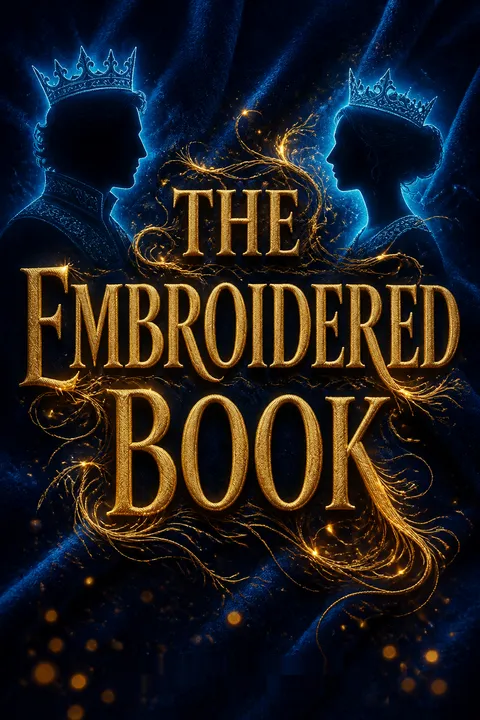
The embroidered book is the central plot device, representing both the promise and peril of magic. Its spells require personal sacrifices, making every act of magic a negotiation with loss. The book's origins are mysterious, and its power is both a source of agency and a curse. As the sisters grow, the book becomes a battleground for control, secrecy, and the ethical use of power. Its eventual destruction marks the end of an era and the price of peace.
The Order of 1326
The Order is both a guardian and a jailer, policing the boundaries of magical knowledge and punishing those who transgress. Its rituals, rules, and internal divisions drive much of the plot, as Charlotte seeks to reform it from within and Antoinette challenges it from without. The Order's collapse mirrors the collapse of the old world, and its stolen spellbook is a symbol of the uncontrollable spread of magic.
Sacrifice and Decay
Every spell in the novel requires a sacrifice: memories, affections, hopes, treasures, or even power itself. This device underscores the psychological and emotional toll of ambition, love, and survival. The theme of decay—of objects, relationships, and societies—runs throughout the narrative, culminating in the ultimate sacrifice that ends magic itself.
Letters, Portraits, and Communication
The sisters' correspondence—both magical and mundane—is a lifeline across distance and danger. Enchanted portraits allow for secret conversations, while ciphers and codes protect their secrets. These devices highlight the importance of connection, the fragility of trust, and the ever-present threat of betrayal.
Foreshadowing and Narrative Structure
The novel's structure mirrors the rise and fall of empires, the waxing and waning of magic, and the shifting fortunes of its characters. Early sacrifices foreshadow later losses; the sisters' childhood games become the template for their adult struggles. The narrative is punctuated by moments of hope, only to be undone by the relentless march of history and the consequences of ambition.
Download PDF
Download EPUB
.epub digital book format is ideal for reading ebooks on phones, tablets, and e-readers.








































