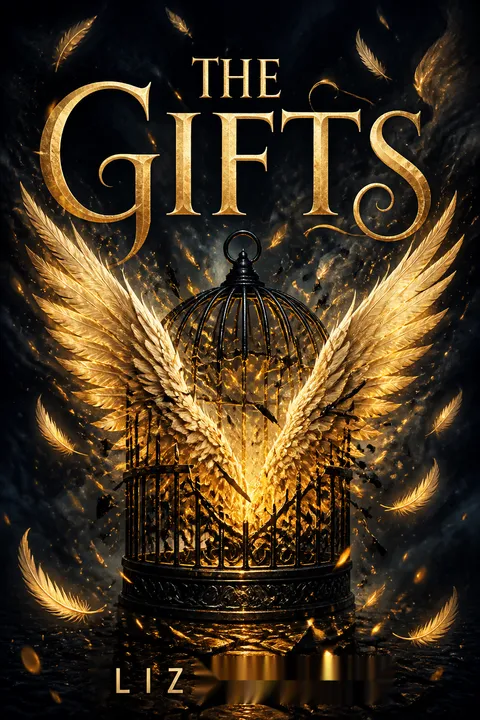

Plot Summary
A Woman Grows Wings
Etta Lockhart, grieving the loss of her beloved dog and isolated by her family, flees into the Shropshire woods. Overcome by pain and convulsions, she undergoes a miraculous transformation: wings erupt from her back, both a physical and symbolic rebirth. Witnessed by a frightened poacher, Etta's new form is met with violence, and she is gravely wounded. In her agony, she recalls childhood memories and the comfort of stories, even as she faces death. This moment sets the stage for the novel's exploration of the extraordinary within the ordinary, and the cost of being different in a world that fears and covets the unknown. Etta's transformation is both a gift and a curse, marking her as both miracle and outcast.
London's Hungry Ambitions
In bustling 1840s London, surgeons Edward Meake and Samuel Covell compete for fame and recognition, their friendship tinged with envy and pride. Edward, less flamboyant but more methodical, is driven by ambition and a desire to provide for his wife, Annie, whose own longing for a child and creative fulfillment is stifled by societal expectations. The city is a crucible of progress and cruelty, where medical marvels and personal betrayals intertwine. Edward's hunger for success is mirrored in Annie's quiet yearning for connection and meaning, while Samuel's showmanship masks deeper insecurities. The stage is set for a collision between scientific curiosity, personal ambition, and the mysteries that lie just beyond the reach of reason.
The Price of Knowledge
Edward's relentless pursuit of medical advancement leads him to experiment on animals and covet the miraculous. His professional rivalry with Samuel intensifies when Samuel takes credit for their joint work, fueling Edward's resentment and sense of inadequacy. Meanwhile, Annie's struggles with infertility drive her to seek help from Samuel, exposing the limitations and humiliations faced by women in a patriarchal society. The cost of knowledge is measured in blood, secrecy, and the erosion of trust. Edward's willingness to cross ethical boundaries foreshadows the greater transgressions to come, as the line between scientific progress and personal obsession blurs.
The Storyteller's Journey
Natalya, a gifted storyteller from the Orkney islands, journeys south in search of a new life after being cast out by her family for an illicit love and a lost child. Her path is marked by hardship, kindness from strangers, and the solace of stories shared with children. Arriving in London, she finds her dreams dashed—her cousin dead, her money stolen, and the city indifferent to her suffering. Yet Natalya's resilience endures, and her imagination becomes both refuge and weapon. Her journey is a testament to the power of narrative to sustain hope, forge identity, and connect the lost and the lonely.
Marriages and Masks
Annie and Edward's marriage is strained by unspoken grief, unmet desires, and the pressures of social performance. Annie's artistic ambitions and longing for motherhood are stifled by Edward's growing obsession with his work and the expectations of propriety. Their home, filled with symbols of hope and disappointment, becomes a battleground of secrets and silent suffering. Meanwhile, Mary Ward, a resourceful young woman supporting her alcoholic uncle, navigates the precarious world of journalism and gender roles, aided by her friend Richard. The masks worn in public and private lives conceal deeper wounds and yearnings, setting the stage for revelations and reckonings.
The Angel in the River
A body with wings is pulled from the Thames, and Edward acquires it for dissection, convinced he has found proof of the divine. His fascination with the "angel" is both scientific and possessive, blurring the line between reverence and violation. The city buzzes with rumors of miracles and monsters, as journalists and the public alike are drawn to the spectacle. Edward's secret becomes an obsession, driving him further from Annie and deeper into moral darkness. The angel's body, stripped and studied, becomes a symbol of the costs of curiosity and the dangers of dehumanizing the extraordinary.
The Pursuit of Wonder
Mary and Richard, spurred by tales of the Angel of the Thames, embark on an investigation that weaves together myth, journalism, and personal ambition. Their search for truth is mirrored by Annie's quest for understanding within her own marriage, and by Natalya's struggle to survive in a city that devours the vulnerable. The boundaries between fact and fiction blur, as stories become both currency and weapon. The pursuit of wonder is fraught with peril, as those who seek the miraculous risk becoming consumed by it—or destroyed by those who would possess it.
The Prisoners Below
Etta and Natalya, both transformed and imprisoned by Edward, form a bond in the darkness of his basement. Their shared suffering and resilience become a source of strength, as they plot their escape and reclaim their agency. Edward's obsession with control and display is contrasted with the women's determination to define themselves on their own terms. The basement becomes a crucible of fear, hope, and solidarity, as the prisoners confront not only their captor but the traumas and losses that brought them there. Their alliance is a testament to the power of empathy and the refusal to be reduced to specimens.
The Gifts and the Cages
Edward's preparations to unveil his "gifts" to the world reach a fever pitch, even as his personal life unravels. Annie, betrayed and abused, flees their home, while Edward's paranoia and violence escalate. The women below, aided by Mary and Richard's investigation, seize the moment to fight for their freedom. The cages that once held them become sites of resistance and transformation. The cost of obsession is laid bare, as Edward's dreams of glory turn to ashes and those he sought to possess reclaim their power. The gifts of the title are revealed to be not miracles to be owned, but the capacity for self-determination and solidarity.
The Fire of Obsession
The climactic confrontation in Edward's house erupts into violence and fire. As Annie, Mary, Richard, and the freed women struggle to escape, Edward is consumed by the consequences of his actions. The house, filled with the detritus of his ambitions and cruelties, becomes a pyre for his dreams and a crucible for the survivors. The fire is both literal and symbolic, purging the old order and making way for new beginnings. The cost of unchecked ambition and the refusal to see others as fully human is paid in loss, regret, and the destruction of all that was once held dear.
The Great Escape
Etta, Natalya, and their allies seize their moment to escape, aided by courage, quick thinking, and the bonds forged in adversity. Etta's wings, once a source of pain and captivity, become the means of liberation as she carries Natalya to safety. The survivors, scarred but unbroken, emerge into a world forever changed by their ordeal. The escape is not only from physical captivity but from the roles and expectations that once confined them. The power to choose one's own path, to define one's own story, is reclaimed in the act of flight.
Ashes and Aftermath
In the wake of the fire, the survivors reckon with grief, guilt, and the challenge of rebuilding their lives. Annie, now a widow, mourns both her husband and the dreams that died with him, but finds solace in friendship and the promise of new beginnings. Mary and Richard, their bond deepened by shared danger, confront the complexities of love, ambition, and the pursuit of truth. The city, indifferent and ever-hungry, moves on, but the echoes of the extraordinary linger in the hearts of those who witnessed it. From the ashes, the seeds of renewal are sown.
New Beginnings, Old Wounds
The survivors scatter, each seeking a place to heal and begin anew. Annie finds comfort in art and friendship, Mary and Richard in the tentative steps of love, and Etta and Natalya in the wild north, far from the cages of the past. The wounds of loss, betrayal, and violence do not vanish, but are woven into the fabric of new lives. The power of choice, the importance of solidarity, and the enduring need for stories to make sense of suffering and hope are affirmed. The past is not forgotten, but it no longer defines the future.
The Wild North Beckons
Etta and Natalya, fugitives and survivors, find refuge on a remote island in the Orkneys. There, amid the wind and sea, they create a new home, free from the constraints and cruelties of the world that sought to possess them. Their bond, forged in suffering and sustained by mutual respect, becomes a source of strength and healing. The wild north, with its promise of renewal and its indifference to human hierarchies, offers a space for transformation and belonging. The journey north is both a literal and metaphorical return to the possibility of flight, of living on one's own terms.
The Power of Stories
Throughout the novel, stories—told, written, and lived—are the means by which characters make sense of their experiences, assert their identities, and connect with others. Natalya's tales, Mary's journalism, Annie's art, and Etta's botanical observations are all acts of resistance against erasure and dehumanization. The power to tell one's own story is shown to be as vital as the power to survive. In the aftermath, the survivors continue to shape their own narratives, refusing to be defined by the violence and exploitation they endured. The stories they tell become gifts in themselves, seeds of hope and change.
The Enduring Flight
The novel closes with images of flight—literal and metaphorical—as Etta and Natalya soar above the world that once caged them. The enduring flight is not only escape but transcendence, a refusal to be bound by the limits imposed by others. The legacy of their ordeal is not only survival but the affirmation of the extraordinary within the ordinary, the possibility of transformation, and the enduring power of solidarity and self-determination. The gifts of the title are revealed to be not wings or miracles, but the courage to claim one's own life, the strength to forge new bonds, and the hope that, even in a world of cages, flight is always possible.
Analysis
A modern fable of difference, power, and the right to self-determinationLiz Hyder's The Gifts is a luminous, multi-layered exploration of what it means to be extraordinary in a world that fears, covets, and seeks to control the miraculous. Set against the backdrop of Victorian England—a society obsessed with progress yet mired in prejudice—the novel uses the fantastical device of women growing wings to interrogate questions of gender, agency, and the costs of ambition. Through its interwoven narratives, the book exposes the dangers of dehumanization, whether in the name of science, religion, or social order, and celebrates the resilience of those who refuse to be caged. The story's emotional arc moves from isolation and suffering to solidarity and flight, affirming the power of empathy, creativity, and self-claimed identity. In a world still grappling with the policing of bodies and the boundaries of belonging, The Gifts offers a timely meditation on the necessity of seeing—and honoring—the extraordinary in ourselves and others. Its ultimate lesson is that true gifts are not to be possessed, but to be shared, and that the freedom to tell one's own story is the most miraculous gift of all.
Review Summary
The Gifts receives mixed reviews (3.69/5), with readers praising its unique blend of historical fiction and magical realism set in 1840s England. Reviewers appreciate the strong female characters, feminist themes, and atmospheric Victorian setting. However, many cite significant issues: slow pacing, particularly in the middle; multiple POV characters causing initial confusion; disturbing animal abuse content requiring trigger warnings; and unexplained plot elements. The literary writing style divides readers—some find it beautiful and immersive, while others consider it confusing with awkward perspective shifts. Overall, it's recommended for patient readers who enjoy character-driven historical fantasy.
Characters
Etta Lockhart
Etta is a mixed-race woman living on the margins of her family's estate in Shropshire, marked by her intelligence, independence, and the prejudice of her half-brother. Her transformation—growing wings after a traumatic loss—makes her both a miracle and a target. Etta's scientific curiosity and resilience are matched by a deep loneliness, but her captivity and alliance with Natalya reveal her capacity for empathy, leadership, and cunning. She evolves from a solitary observer to a courageous survivor, ultimately choosing solidarity and freedom over victimhood. Etta's journey is one of self-acceptance, the reclamation of agency, and the forging of new bonds beyond blood or biology.
Natalya
Natalya's life is shaped by loss: cast out for an illicit love and the death of her child, she journeys from the Orkneys to London, sustained by the power of stories. Her transformation and subsequent captivity test her endurance, but also awaken her defiance and creativity. Natalya's bond with Etta is rooted in shared suffering and the refusal to be defined by others' cruelty. Her psychological depth is revealed in her struggle with faith, grief, and the longing for home. Ultimately, Natalya's resilience and imagination enable her to survive, heal, and help create a new life in the wild north.
Edward Meake
Edward is driven by a hunger for recognition, scientific discovery, and control. His initial curiosity about the miraculous quickly curdles into obsession, leading him to imprison, dissect, and exploit the women he deems "gifts." His relationships—with Annie, Samuel, and his patients—are marked by a need for validation and a fear of inadequacy. As his obsession deepens, Edward's capacity for empathy erodes, replaced by paranoia, violence, and self-delusion. His psychological unraveling is both a personal tragedy and a critique of unchecked ambition and the dehumanizing gaze of science divorced from compassion.
Annie Meake
Annie is caught between her own creative ambitions and the roles imposed by marriage and society. Her longing for a child and for connection with Edward is met with disappointment and betrayal. Annie's art becomes both solace and expression, a means of asserting her identity and processing her grief. Her journey from loyal wife to survivor of abuse and loss is marked by resilience, self-discovery, and the eventual reclamation of agency. Annie's relationships—with Ellie, Marcus, and the other women—offer models of solidarity and healing beyond the confines of marriage.
Mary Ward
Mary is a young woman supporting her alcoholic uncle in London, navigating the challenges of gender, class, and ambition. Her intelligence, curiosity, and courage drive the investigation into the Angel of the Thames, and her partnership with Richard is both professional and romantic. Mary's journey is one of self-assertion, as she claims her voice as a writer and her right to shape her own destiny. Her empathy and tenacity make her a catalyst for change, connecting the stories of the imprisoned women to the wider world and ensuring their survival is not forgotten.
Richard Gibbs
Richard is Mary's friend and eventual romantic partner, a journalist whose wit and integrity complement her determination. His own journey is one of self-discovery, as he moves from seeing Mary as a younger sister to recognizing her as an equal and beloved. Richard's support is crucial in the investigation and rescue, and his willingness to challenge social norms and his own assumptions marks his growth. His relationship with Mary is a model of partnership based on respect, honesty, and shared purpose.
Samuel Covell
Samuel is Edward's friend and competitor, a showman whose charm masks insecurity and ambition. His actions—taking credit for Edward's work, betraying confidences—reflect the complexities of male friendship and professional rivalry. Samuel's role as both confidant and antagonist highlights the dangers of ego and the limits of loyalty in a world driven by status and recognition. His interactions with Annie and Edward reveal the shifting dynamics of power, desire, and betrayal.
Jos Ward
Jos is Mary's uncle and a once-respected journalist, now struggling with grief and addiction. His relationship with Mary is marked by affection, dependence, and the pain of loss. Jos's decline is both a personal tragedy and a reflection of the precariousness of those who fall outside the protections of family and society. His love for Mary, though flawed, is genuine, and his eventual support of her ambitions is a quiet act of redemption.
Ellie Bigsby
Ellie is Annie's closest friend, a source of comfort, practical support, and perspective. Her warmth, humor, and resilience provide a counterpoint to Annie's struggles, and her home becomes a refuge in times of crisis. Ellie's own experiences of family and loss deepen her empathy, and her encouragement helps Annie reclaim her sense of self. Ellie embodies the importance of chosen family and the sustaining power of female friendship.
The Marshalls
The Marshall family—who capture and sell Etta—represent the dangers faced by those who are different and the ways in which poverty and ignorance can breed cruelty. Their actions are driven by desperation, envy, and a willingness to dehumanize others for profit. The psychological complexity of Thomas, the son, who is wracked by guilt and ultimately takes his own life, adds nuance to their portrayal. The Marshalls are both villains and victims of a society that values profit over compassion.
Plot Devices
Miraculous Transformation
The sudden appearance of wings on certain women serves as the central plot device, symbolizing both the miraculous and the monstrous. The wings are a source of wonder, fear, and desire, driving the actions of characters across social classes. They function as a metaphor for difference, agency, and the costs of being extraordinary in a world that seeks to possess or destroy what it cannot understand. The transformations are foreshadowed by grief, trauma, and longing, and their consequences ripple through every relationship and event.
Multiple Perspectives
The novel employs a multi-voiced structure, alternating between the experiences of Etta, Natalya, Annie, Mary, Edward, and others. This device allows for a rich exploration of psychological depth, social context, and the interconnectedness of lives. The shifting perspectives create suspense, empathy, and a sense of the broader tapestry of 19th-century society. The narrative structure also enables the reader to see the same events from different angles, highlighting the subjectivity of truth and the power of storytelling.
Foreshadowing and Symbolism
The novel is rich in foreshadowing—early references to birds, flight, and transformation anticipate later events. Symbols such as feathers, wings, and cages recur throughout, representing freedom, captivity, and the tension between the two. The use of art, stories, and scientific observation as motifs underscores the central themes of perception, representation, and the struggle to claim one's own narrative. The fire that consumes Edward's house is both a literal and symbolic purging, clearing the way for new beginnings.
Social Critique and Gender
The plot is driven by the collision between individual agency and societal expectations, particularly around gender, class, and race. The women's transformations and subsequent persecution expose the limitations and hypocrisies of Victorian society, while the men's ambitions and rivalries reveal the dangers of unchecked power. The novel critiques the ways in which science, religion, and social norms are used to justify exploitation and control, while also celebrating the resilience and creativity of those who resist.
The Power of Storytelling
Stories—told by Natalya, written by Mary, painted by Annie—are central to the characters' survival and self-understanding. The act of storytelling becomes a means of resistance against erasure, a way to make sense of suffering, and a gift to others. The novel itself is structured as a story about stories, inviting the reader to consider the ways in which narrative shapes reality, memory, and hope.
Download PDF
Download EPUB
.epub digital book format is ideal for reading ebooks on phones, tablets, and e-readers.








































