
Plot Summary
Forgiveness and Treachery
King Eredur's reign is marked by a willingness to forgive, but this clemency is mistaken for weakness by some, notably Lord Devereaux. Once pardoned and elevated, Devereaux ultimately betrays Eredur, setting the stage for a cycle of trust and treason. The prologue introduces John Thursby, a loyal soldier, and Ankarette Tryneowy, the king's poisoner, as they navigate the tense political landscape of Kingfountain. The seeds of rebellion are sown as Devereaux is courted by enemies of the crown, and the specter of civil war looms. The emotional undercurrent is one of unease—mercy is not enough to secure loyalty, and ambition festers in the shadows, waiting for its moment to strike.
Stillborn and Revived
Ankarette, both midwife and poisoner, attends the difficult birth of Lady Kiskaddon's child. The baby is stillborn, and grief engulfs the family. Yet, guided by mysterious Fountain magic, Ankarette revives the infant, Owen, with a word of power. This act of mercy and magic is bittersweet, as Ankarette senses the child's future importance and the sorrow that will befall the family. The emotional arc is one of hope snatched from despair, but also foreboding—why must the youngest become heir? Ankarette's own sacrifices and the cost of her service to the crown are underscored, as is her lingering pain from a past poisoning. The chapter sets the tone for a story where life, death, and destiny are tightly interwoven.
The Duke's Gambit
News arrives that Devereaux has seized the fortress of Averanche, a bold move that threatens the fragile peace. Ankarette returns to Kingfountain, torn between her duty to the king and her personal ties to John Thursby, who once served Devereaux. The court is abuzz with speculation and fear, and Eredur's council debates how to respond. Ankarette is tasked with persuading John to help, not as a soldier, but as a bridge to Devereaux. The emotional tension is palpable—loyalties are tested, and the threat of bloodshed hangs over all. Ankarette's weariness with politics and her longing for rest are set against the inexorable pull of duty.
Old Wounds, New Missions
Ankarette prepares for her mission to Averanche, reflecting on her past with John Thursby and the sacrifices she's made for the royal family. Queen Elyse's visit reveals the deep bonds and burdens shared by the women at court. Ankarette's relationship with John is fraught—he proposed marriage, but her loyalty to the king always came first. The emotional core is one of longing and regret, as Ankarette steels herself to ask John for help, knowing it may cost them both dearly. The chapter explores the intersection of personal and political, love and obligation, as Ankarette sets out to avert a war.
A Stubborn Past
Ankarette finds John Thursby, who is tormented by his divided loyalties. He refuses to fight against Devereaux, his former friend and commander, but agrees to help Ankarette seek the truth behind the rebellion. Their journey to Averanche is marked by tension and unspoken affection, as they ride with Duke Horwath's men. The emotional landscape is one of unresolved love and the pain of past choices. Ankarette's skills as a poisoner and spy are matched by John's soldierly pragmatism, but both are haunted by what they must do to serve the realm.
As Things Seem
Near Averanche, Ankarette and John are ambushed by mercenaries disguised as friendly soldiers. Using her training and quick thinking, Ankarette incapacitates their attackers and extracts information: Devereaux's forces are small but deadly, and the rebellion is a calculated risk. The town is tense, its loyalties uncertain. Ankarette's ability to read people and situations is tested, and the emotional tone is one of constant vigilance. The threat is not just from open enemies, but from those who hide in plain sight, and the line between friend and foe is perilously thin.
Familiar Strangers
Ankarette and John adopt Occitanian disguises to gather intelligence in Averanche. They learn Devereaux has a poisoner of his own, Farrit Blawn, and that Lord Hux, a master poisoner and Ankarette's nemesis, may be involved. The town's divided loyalties and the presence of skilled adversaries heighten the stakes. Ankarette's relationship with John deepens, their mutual attraction surfacing amid danger. The emotional arc is one of intimacy forged in peril, as Ankarette's past and present collide, and the true scale of the conspiracy begins to emerge.
Nightshade and Fire
Ankarette captures and interrogates a rebel, using nightshade to extract the truth: Devereaux's rebellion is a diversion, part of a larger plot to draw the king out and enable a coup in Kingfountain. The inn is set on fire in a failed attempt to kill Ankarette, and the town is thrown into chaos. The emotional tone is one of mounting dread—enemies are closing in, and Ankarette's own safety is precarious. The chapter underscores the relentless danger of her work and the high cost of every misstep.
Secrets of Waves
John Thursby discovers a secret cave that may provide access to the fortress. He and Ankarette share a night on the beach, their feelings for each other surfacing in quiet conversation and poetry. The dawn brings new resolve and a plan to use the cave to infiltrate Averanche. The emotional heart is the vulnerability and hope between Ankarette and John, set against the backdrop of war and intrigue. The sea becomes a symbol of memory, fate, and the inexorable pull of destiny.
Gambit at Dawn
Ankarette and John propose a prisoner exchange: John will enter the fortress to parley with Devereaux in exchange for the release of a loyal rebel. The plan is fraught with risk, as Lord Hux's presence in the castle is confirmed. Ankarette's use of Fountain magic reveals the depth of the threat. The emotional tension is acute—trust is a scarce commodity, and every move is a gamble. The chapter explores the limits of negotiation and the ever-present danger of betrayal.
The King's Ring
Lord Hux demands the return of a magical ring in exchange for John's life, forcing Ankarette to choose between personal loyalty and the safety of the realm. The ring, a powerful artifact, is hidden where only the Fountain-blessed can retrieve it. Ankarette refuses to be manipulated, but the emotional cost is high—John's life hangs in the balance, and the king's enemies are closing in. The chapter is a crucible of sacrifice, testing Ankarette's resolve and the limits of her power.
Stolen Time
With time running out, Ankarette devises a plan to infiltrate the fortress by scaling its walls. She recruits a young squire, Davern, and gathers intelligence on the guards' routines. The emotional tone is one of urgency and ingenuity—Ankarette's skills as a leader and tactician are on full display. The chapter highlights the importance of trust, preparation, and the willingness to risk everything for those one loves.
Intractable Decisions
Ankarette seeks Duke Horwath's approval for her infiltration plan, but he is reluctant to risk more lives. The emotional landscape is one of frustration and determination—Ankarette is forced to wait, her agency constrained by the decisions of others. The chapter explores the tension between caution and boldness, and the cost of inaction in the face of mounting danger.
Chains of Opportunity
Under cover of darkness, Ankarette and her team scale the fortress walls, overcoming guards and opening the way for an assault. The operation is fraught with peril, but Ankarette's leadership and quick thinking turn the tide. The emotional arc is one of exhilaration and fear—every success is hard-won, and the threat of discovery is ever-present. The chapter is a testament to the power of teamwork and the necessity of seizing opportunity when it arises.
The Riot of Averanche
The assault on the fortress triggers a riot, with defenders and attackers clashing in the bailey. Lord Hux appears, wielding new and deadly magic. Ankarette and John confront him together, but Hux's mastery and cruelty leave them battered and defeated. The emotional core is one of desperation and loss—victory comes at a terrible price, and the cost of confronting evil is paid in blood and heartbreak.
Old Foes, New Magic
Lord Hux's true motives are revealed—he seeks not just victory, but the subjugation of Ankarette and the secrets of the Fountain. His magic is formidable, and his obsession with Ankarette is both personal and strategic. The emotional tone is one of violation and defiance—Ankarette refuses to yield, even as she is physically and spiritually wounded. The chapter explores the dark allure of power and the resilience of the human spirit.
Broken Promises
John Thursby is mortally wounded, and Ankarette uses the last of her Fountain magic to revive him, nearly dying in the process. The siege ends, and the rebels are defeated, but the emotional toll is immense. Ankarette's love for John is affirmed, but the future is uncertain—her power is spent, and the threats to the crown are far from over. The chapter is a meditation on sacrifice, love, and the limits of even the greatest gifts.
The Coming of the Boar
As Duke Severn arrives with his forces, the threat of civil war intensifies. Old friendships and rivalries are tested, and the true nature of loyalty is revealed. Ankarette's insight averts disaster, but the emotional cost is high—trust is hard-won and easily lost. The chapter explores the fragility of alliances and the ever-present danger of ambition.
The Pierced Lion
Evidence mounts against Dunsdworth, the king's brother, as Ankarette and her allies uncover forged letters and secret plots. The emotional tone is one of grim determination—justice must be served, but the process is painful and fraught with danger. The chapter is a reckoning, as the web of treachery is laid bare and the consequences of ambition come due.
The Mandrake
Ankarette is ordered to poison Dunsdworth, but the cup is drunk by her friend Isybelle instead, resulting in her death and the loss of her child. The emotional devastation is profound—Ankarette is wracked with guilt, and the cost of her service to the crown becomes unbearable. The chapter is a meditation on the unintended consequences of power and the impossibility of undoing certain harms.
Mock Assizes
Dunsdworth, unhinged by grief and rage, conducts a mock trial and condemns Ankarette and John to death by the falls. As they are sent over the edge, Ankarette's love for John is affirmed in their final moments. The emotional climax is one of terror, love, and resignation—death is not easily escaped, and the river claims all.
The Deep Fathoms
In the Deep Fathoms, Ankarette and John are reunited in a realm of peace and memory. A mysterious child, Sinia, tells Ankarette her work is not done—she must return to protect the future. John remains behind, promising to wait for her. Ankarette is revived, broken but alive, and the story closes on the enduring power of love, sacrifice, and the unending struggle for justice and hope.
Analysis
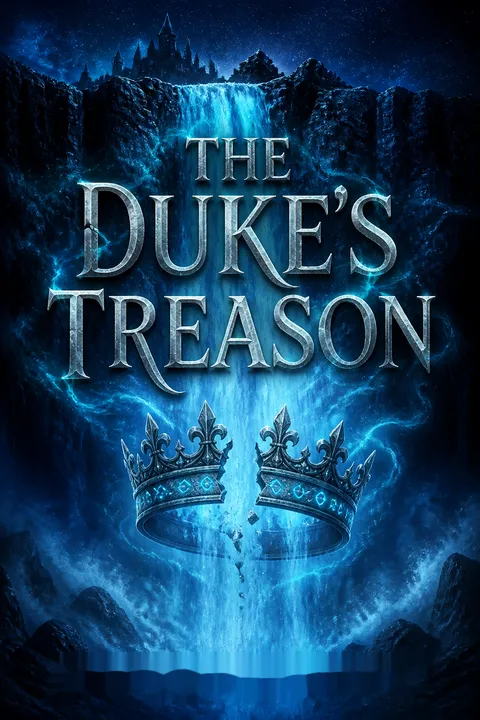
A meditation on loyalty, sacrifice, and the cost of powerThe Duke's Treason is a richly layered tale that explores the complexities of trust, the corrosive effects of ambition, and the enduring power of love and sacrifice. Through the intertwined fates of Ankarette, John Thursby, and the Argentine family, Jeff Wheeler examines the tension between mercy and justice, the burden of leadership, and the personal costs of public duty. The story's use of magic and prophecy elevates its themes, suggesting that destiny is both a force to be reckoned with and a challenge to be met with courage. The emotional arc is one of loss and resilience—characters are repeatedly forced to choose between their own happiness and the greater good, and the consequences of those choices reverberate through every relationship and event. In the end, the novel offers a bittersweet vision of hope: that love, once given, endures beyond death, and that even in a world riven by betrayal and sorrow, acts of courage and compassion can shape the future. The lessons are clear—trust must be earned, forgiveness is not the same as trust, and the true measure of greatness lies in the willingness to sacrifice for others.
Review Summary
People Also Read









Characters
Ankarette Tryneowy
Ankarette is the king's poisoner, a woman of formidable skill, deep intelligence, and profound emotional scars. Trained as both midwife and assassin, she is torn between her duty to the Argentine family and her own desires for love and peace. Her relationship with John Thursby is marked by longing and sacrifice—she refuses his proposals out of loyalty to the crown, yet her heart aches for him. Ankarette's psychoanalysis reveals a woman who has given everything for others, often at the expense of her own happiness. Her Fountain magic is both a gift and a curse, allowing her to save lives but also binding her to a fate of endless service and loss. Her journey is one of resilience, regret, and the search for redemption.
John Thursby
John is a man of the North, marked by loyalty, blunt honesty, and a deep sense of honor. Once a trusted companion of Devereaux, he is torn between old allegiances and new duties. His love for Ankarette is steadfast, but he is repeatedly forced to choose between his heart and his conscience. John's psychological depth lies in his acceptance of suffering and his willingness to endure for those he loves. He is haunted by the violence of his past and the betrayals of war, yet he remains a source of strength and comfort for Ankarette. His ultimate fate—sacrificing himself and finding peace in the Deep Fathoms—cements his role as both a tragic and heroic figure.
King Eredur Argentine
Eredur is a king defined by his capacity for forgiveness, yet this very trait becomes his undoing as it breeds suspicion and invites betrayal. His relationships are complex—he trusts Ankarette and Queen Elyse deeply, but is repeatedly wounded by the ambitions of his brothers and nobles. Eredur's psychological profile is one of a man burdened by the weight of the crown, struggling to balance mercy with justice. His development is marked by increasing isolation and the painful necessity of making impossible choices, culminating in the decision to have his own brother poisoned for the good of the realm.
Lord Devereaux
Devereaux is a man whose pride and sense of injustice drive him to rebellion. Once forgiven and elevated by Eredur, he cannot let go of his lost status and becomes a tool for greater conspiracies. His relationship with John Thursby is one of camaraderie turned to regret, and his interactions with Ankarette are marked by mutual respect and wariness. Devereaux's psychological arc is one of self-destruction—his intelligence and charisma are undermined by his inability to accept his diminished role, leading to his downfall and eventual imprisonment.
Lord Hux
Hux is Ankarette's nemesis, a poisoner of legendary skill and cruelty. His obsession with Ankarette is both personal and professional—he seeks to possess her, to mold her into his equal, and to break her spirit. Hux's psychoanalysis reveals a man driven by ambition, envy, and a twisted sense of mentorship. He is a master of psychological warfare, using magic, manipulation, and violence to achieve his ends. His ultimate defeat at the hands of greater powers is both a comeuppance and a warning about the dangers of unchecked ambition.
Queen Elyse
Elyse is the emotional anchor of the royal family, providing strength and support to Eredur and Ankarette alike. Her relationship with Ankarette is one of deep trust and mutual reliance—she understands the burdens of power and the cost of loyalty. Elyse's psychological depth lies in her ability to endure loss and betrayal without losing her compassion. She is a survivor, fiercely protective of her children and willing to make hard choices for their sake.
Duke Horwath
Horwath is a man of few words but deep convictions. His loyalty to Eredur is unwavering, and his sense of duty is matched by a pragmatic approach to war and politics. Horwath's relationship with Ankarette is one of mutual respect—he values her counsel and relies on her skills. His psychological profile is that of a man who carries the weight of command with stoic endurance, serving as a stabilizing force amid chaos.
Dunsdworth Argentine
Dunsdworth is driven by envy and a sense of entitlement, convinced that the throne should be his. His relationship with Eredur is toxic, marked by repeated forgiveness and betrayal. Dunsdworth's psychological arc is one of increasing instability—his ambition blinds him to the consequences of his actions, leading to the death of his wife, his own downfall, and the destruction of his legacy. He is both pitiable and despicable, a cautionary figure consumed by his own desires.
Isybelle
Isybelle is Ankarette's childhood companion, caught in the crossfire of political machinations. Her death, the result of a poisoned cup meant for her husband, is a turning point in the story, plunging Ankarette into guilt and grief. Isybelle's role is that of the innocent sacrificed to the ambitions of others, her fate a reminder of the collateral damage wrought by power struggles.
Davern
Davern is a young man full of promise, eager to serve and learn from Ankarette. His loyalty and enthusiasm make him a valuable ally, but his untimely death is a stark reminder of the dangers faced by those who serve the crown. Davern's psychological profile is one of youthful idealism cut short by the realities of a world where innocence is rarely rewarded.
Plot Devices
Duality of Mercy and Justice
The narrative structure is built around the tension between forgiveness and the necessity of punishment. Eredur's mercy is both his strength and his weakness, setting in motion a cycle of betrayal and retribution. This duality is mirrored in Ankarette's own actions—her healing and her killing are two sides of the same coin, and every act of mercy carries the risk of unintended consequences.
Fountain Magic and Word of Power
The Fountain's magic is a central plot device, granting Ankarette the ability to heal, revive, and sense danger. The use of sacred words and the concept of being Fountain-blessed elevate the story beyond mere political intrigue, imbuing it with a sense of destiny and inevitability. Magic is both a gift and a burden, shaping the characters' choices and the outcomes of their struggles.
Foreshadowing and Prophecy
The narrative is laced with foreshadowing—Ankarette's sense that Owen Kiskaddon is destined for greatness, the whisper that Nanette will be queen, and the recurring motif of the Deep Fathoms as both afterlife and destiny. These elements create a sense of inevitability, as characters are propelled toward fates they can sense but not escape.
Psychological Warfare and Manipulation
The story is driven by psychological conflict—characters manipulate, betray, and test each other's loyalties. Ankarette's training as a poisoner and spy is matched by Hux's mastery of psychological warfare. The use of nightshade, interrogation, and deception are recurring devices, highlighting the importance of knowledge, perception, and the ability to read others.
The Falls and the Deep Fathoms
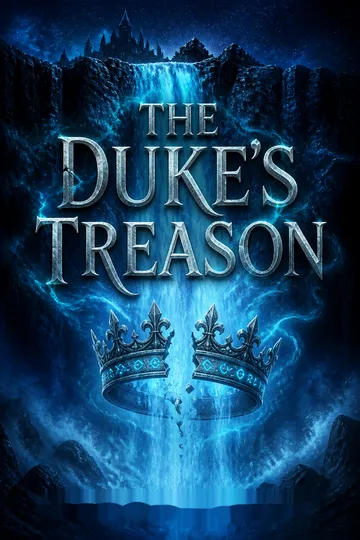
The motif of the falls—both as a method of execution and as a gateway to the afterlife—serves as a powerful symbol of change, loss, and the hope of reunion. The Deep Fathoms is both a place of peace and a reminder that love endures beyond death. The falls are the ultimate test, separating the worthy from the unworthy, and providing a narrative structure for the story's climactic moments.
Poisoner of Kingfountain Series Series


About the Author
Other books by Jeff Wheeler


Download PDF
Download EPUB
.epub digital book format is ideal for reading ebooks on phones, tablets, and e-readers.








































