
Plot Summary
Bound for the Falls
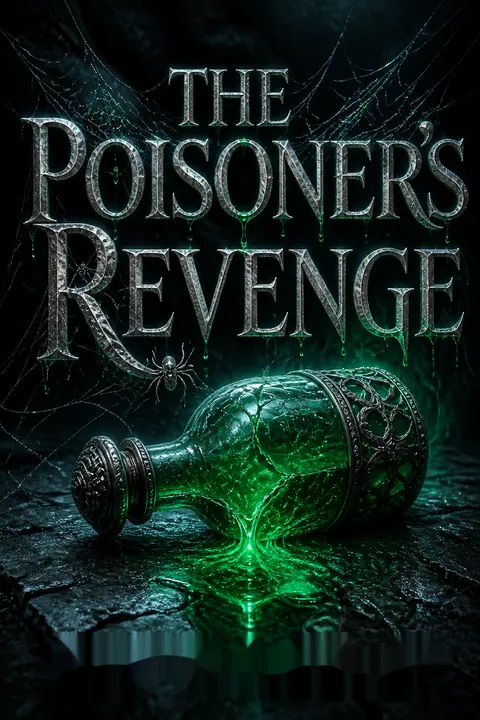
Ankarette Tryneowy, master poisoner, is bound and cast adrift in a canoe, hurtling toward deadly falls as punishment for a crime she did not commit. The king's brother, Dunsdworth, seeks revenge for his wife's death, blaming Ankarette and orchestrating her execution. Trained to escape, Ankarette struggles desperately against her bonds, haunted by the memory of betrayal and the imminent roar of the falls. Her survival instincts war with the futility of her situation, and as the canoe tips over the edge, she plunges into darkness—her fate uncertain. This harrowing ordeal becomes a recurring nightmare, symbolizing the constant threat and trauma that shadows her life as a poisoner in a world of shifting loyalties and deadly politics.
Nightmares and Summons
Awakening from her recurring nightmare, Ankarette is summoned in the dead of night to the royal chambers. The pain from a slow-acting poison, inflicted by her nemesis Lord Hux, gnaws at her, kept at bay only by a rare serum. The king and queen, Eredur and Elyse, confide in her about the suspicious death of Queen Morvared, a political enemy whose life was tied to Ankarette's own survival. The news is dire: Morvared's death may end the supply of the serum that keeps Ankarette alive. The king and queen ask Ankarette to travel to Occitania, enemy territory, to confirm Morvared's fate and confront the shadowy Lord Hux, setting her on a perilous mission with her life and the fate of the realm at stake.
Poison's Lingering Price
Ankarette's existence is a delicate balance between life and death, maintained by the serum that delays the effects of Lord Hux's poison. Her quest for a cure has led her across kingdoms, but the secret remains elusive. The political landscape is fraught: treaties hang by a thread, and the king's enemies circle, waiting for weakness. Ankarette's role as the queen's poisoner is both a weapon and a curse, isolating her from those she loves and forcing her to operate in the shadows. Her mission to Occitania is not just about survival—it is a reckoning with her past, her rival, and the cost of loyalty in a world where trust is a rare and dangerous commodity.
Royal Secrets Unveiled
In the royal chambers, Ankarette's relationships with Eredur and Elyse are revealed as deeply personal and complex. She is more than a tool; she is a confidante, a friend, and a survivor of many tragedies. The king's reliance on her advice over his council's, and the queen's unwavering trust, underscore Ankarette's unique position. Yet, the shadow of betrayal looms—her survival is a secret, her enemies are many, and the political machinations threaten to consume all. The king's brother, Severn, is a figure of both loyalty and danger, and the fate of the realm may hinge on Ankarette's ability to navigate these treacherous waters.
Mission to Occitania
Disguised and prepared, Ankarette travels to Occitania, the land of her enemies, to uncover the truth about Morvared's death. Every step is fraught with peril—spies, assassins, and the ever-present threat of Lord Hux. Ankarette's skills in subterfuge and poison are tested as she evades pursuers, manipulates guards, and adopts new identities. Her journey is a testament to her resilience and cunning, but also to the loneliness of her path. The mission is not just about information; it is about survival, revenge, and the hope of breaking free from the poisoner's curse that binds her fate to her enemies.
Shadows in Enemy Lands
Ankarette's infiltration of Occitania is a masterclass in espionage. She outwits pursuers, poisons adversaries, and assumes the identity of a royal courier to gain access to Dompier, the fortress where Morvared's death is rumored. The tension is palpable as she navigates unfamiliar streets, forges documents, and manipulates those around her. Every encounter is a potential threat, and Ankarette's mastery of disguise and poison is her only shield. The deeper she goes, the more she realizes that the web of intrigue is vast, and that Lord Hux's influence is everywhere. The mission becomes a race against time, with Ankarette's life and the stability of kingdoms hanging in the balance.
The Trap at Dompier
Gaining entry to Dompier under false pretenses, Ankarette seeks confirmation of Morvared's death. The castle is quiet, its defenses seemingly lax, but danger lurks beneath the surface. As she investigates the crypt, Ankarette is caught in a trap designed by Lord Hux himself—a prison from which escape seems impossible. The iron bars descend, locking her in with the corpse of her old enemy. The castellan, loyal to Hux, taunts her with the knowledge that her fate is sealed. Ankarette's skills and magic are rendered useless by the cunning of her rival, and she is left to confront the despair of captivity and the slow agony of the poison within her.
Prisoner of the Crypt
Ankarette endures months of imprisonment in the crypt, her only companions the corpse of Morvared and a small gray spider. The serum that sustains her dwindles, and the pain intensifies. She marks the days, clings to hope, and plots escape, but the prison is unyielding. A failed rescue attempt by her allies ends in tragedy, deepening her sense of helplessness and loss. The outside world moves on—kings die, kingdoms shift—but Ankarette is trapped, her fate seemingly sealed by the machinations of Lord Hux and the vengeance of the dead queen. The crypt becomes both tomb and crucible, forging her resolve for revenge.
Hope and Despair Collide
The death of King Eredur, felt through Ankarette's magical connection, brings a new wave of grief and guilt. The castellan's taunts and the news of further betrayals in Ceredigion compound her suffering. Yet, in the depths of despair, Ankarette's mind sharpens. She studies her captors, observes their routines, and begins to weave a plan. The spider in her cell becomes a symbol of patience and cunning, inspiring her to wait for the perfect moment to strike. The agony of loss is transformed into a burning desire for vengeance, and Ankarette prepares to turn her prison into a trap for her enemies.
Death of a King
The news of King Eredur's death marks a turning point. The kingdom is thrown into turmoil, with Severn ascending to power and old alliances fracturing. Ankarette mourns not only her king but the loss of stability and the deaths of innocents caught in the crossfire. The castellan's cruelty and Lord Hux's triumph seem absolute, but Ankarette's spirit is not broken. She uses her time to gather strength, conserve her remaining serum, and set the stage for her escape. The death of the king is both an ending and a catalyst, propelling Ankarette toward her final confrontation with Lord Hux.
The Spider's Patience
Emulating the patience and precision of the spider in her cell, Ankarette feigns death, luring her captors into complacency. When Lord Hux arrives to gloat, convinced she is dead, Ankarette springs her trap. Using the mechanisms of her prison against her enemies, she escapes the crypt, dispatches her captors, and sets out to exact her revenge. The escape is a testament to her ingenuity, resilience, and mastery of deception. Ankarette emerges from the tomb transformed—no longer a victim, but a hunter, ready to settle scores and reclaim her agency in a world that sought to bury her.
The Poisoner's Gambit
Tracking Lord Hux to an inn, Ankarette orchestrates his demise with the same subtlety and skill that defined their rivalry. She poisons him through a seemingly innocuous coin, ensuring his death is both public and poetic. In their final confrontation, Hux admits there is no cure for the poison he gave her—only a temporary reprieve. Ankarette's victory is bittersweet; she has avenged herself and her king, but the knowledge that her own death is inevitable lingers. The cycle of poison and revenge is complete, and Ankarette's legend as the Queen's Poisoner is sealed.
Hux's Last Toast
Lord Hux's death is both a personal and political triumph for Ankarette. His demise sends shockwaves through Occitania and Ceredigion, destabilizing alliances and sowing fear among those who once felt untouchable. Ankarette leaves a warning for King Lewis, ensuring that her enemies know she is not to be trifled with. The victory is hollow, however, as Ankarette grapples with the reality of her own mortality and the losses she has endured. The poisoner's life is one of solitude and sacrifice, and Ankarette's final acts are driven by duty, loyalty, and the unyielding desire for justice.
Return to Kingfountain
Ankarette returns to Kingfountain, finding the city transformed by war and betrayal. The banners of her king are gone, replaced by those of Severn, the new ruler. The sanctuary is filled with refugees and mourners, and Ankarette is haunted by memories of the past. She moves through the city as a ghost, gathering information and preparing for her final tasks. The sense of loss is pervasive, but Ankarette's resolve is unbroken. She seeks out Queen Elyse, determined to offer what comfort and counsel she can in a world that has been irrevocably altered by violence and treachery.
Sanctuary and Sorrow
Ankarette and Elyse are reunited in the sanctuary, their friendship deepened by shared grief and hardship. They mourn the deaths of Eredur and their children, and Ankarette reveals the truth about her imprisonment, Hux's poison, and the impossibility of a cure. The two women find solace in each other's company, even as the world outside grows darker. Ankarette's return is both a comfort and a reminder of all that has been lost. Together, they plot their next moves, determined to protect what remains of their world and to seek justice for the wrongs that have been done.
The Queen's Request
Queen Elyse asks Ankarette to stay by her side, to help discern the truth behind Severn's rise and the deaths of her sons. Ankarette agrees, using her magic and cunning to protect the queen and uncover the secrets that threaten the realm. The bond between the two women is a testament to the power of friendship and loyalty in the face of overwhelming adversity. Ankarette's role shifts from avenger to guardian, and she finds a measure of peace in serving those she loves. The future is uncertain, but Ankarette's resolve is unwavering.
The Final Nightmare
Ankarette's nightmares persist, a reminder of the trauma and danger that have defined her life. Yet, she awakens with renewed purpose, ready to face the threats that gather in the shadows. The Espion, now led by the ambitious Ratcliffe, seek her death, but Ankarette is prepared. Her mastery of poison, magic, and deception make her a formidable adversary, and she stands ready to defend herself and those she loves. The cycle of violence and betrayal continues, but Ankarette is no longer a victim—she is a force to be reckoned with.
Shadows Ascend the Tower
As enemies close in, Ankarette readies herself for the inevitable confrontation. The tower, once her sanctuary, becomes a battleground. She draws strength from her experiences, her losses, and her victories. The story ends with Ankarette poised for action, her fate uncertain but her spirit unbroken. The poisoner's revenge is complete, but the struggle for survival and justice continues. Ankarette's legacy is one of resilience, cunning, and unwavering loyalty—a beacon of hope in a world consumed by darkness.
Analysis
Jeff Wheeler's "The Poisoner's Revenge" is a masterful exploration of power, loyalty, and the corrosive effects of betrayal. Through the lens of Ankarette's harrowing journey, the novella interrogates the costs of survival in a world where trust is a liability and every relationship is fraught with danger. Poison, both literal and metaphorical, becomes the central motif—binding characters together in a deadly dance of control and retribution. The narrative's structure, with its cycles of captivity and escape, mirrors the psychological toll of trauma and the resilience required to endure it. Wheeler's characters are richly drawn, their motivations complex and their relationships deeply human. The story's modern resonance lies in its portrayal of the personal costs of political intrigue, the necessity of cunning in the face of overwhelming odds, and the enduring power of friendship and loyalty. Ultimately, "The Poisoner's Revenge" is a meditation on agency, sacrifice, and the indomitable will to seek justice—even when the odds are insurmountable.
Review Summary
Characters
Ankarette Tryneowy
Ankarette is the heart of the story—a woman forged by trauma, betrayal, and the constant threat of death. Once a midwife, she became the Queen's Poisoner, wielding her skills in service of the crown. Her life is bound to a slow-acting poison, her survival dependent on a rare serum controlled by her nemesis, Lord Hux. Ankarette's relationships with Queen Elyse and King Eredur are deeply personal, marked by loyalty, love, and shared tragedy. Her psychological complexity is profound: she is both victim and avenger, haunted by nightmares yet driven by an unyielding will to survive and protect those she loves. Ankarette's journey is one of resilience, cunning, and sacrifice, culminating in a hard-won revenge that brings both closure and sorrow.
Lord Hux
Lord Hux is Ankarette's greatest rival—a master poisoner whose intellect and cruelty shape the course of her life. He is the architect of Ankarette's suffering, binding her fate to his through a unique poison and a web of political intrigue. Hux is charming, ruthless, and always several steps ahead, orchestrating traps and betrayals with cold precision. His psychological profile is that of a man who delights in control and the suffering of others, yet is ultimately undone by his own arrogance. The rivalry between Hux and Ankarette is a deadly chess match, each move fraught with peril and consequence. Hux's death is both a personal and symbolic victory for Ankarette, ending a cycle of vengeance that has defined them both.
Queen Elyse
Queen Elyse is Ankarette's closest confidante and the emotional anchor of the royal family. Her strength lies in her ability to endure loss and betrayal without losing her compassion or sense of justice. Elyse's relationship with Ankarette is one of mutual trust and support, forged through shared hardship and danger. As queen, she navigates the treacherous politics of the court, protecting her children and her realm with quiet determination. Elyse's grief over the deaths of her husband and sons is profound, yet she remains a source of hope and stability for those around her. Her request for Ankarette's help in uncovering the truth behind Severn's rise underscores her wisdom and courage.
King Eredur
King Eredur is a ruler burdened by the weight of power, haunted by past wars and the constant threat of betrayal. His reliance on Ankarette and Elyse reveals his vulnerability and humanity. Eredur's death marks a turning point in the story, plunging the kingdom into chaos and leaving a void that cannot be easily filled. His relationships with his brothers, especially the ambitious Severn, are fraught with tension and mistrust. Eredur's legacy is one of both strength and fragility—a king who fought for peace but was ultimately undone by the machinations of his enemies.
Severn Argentine
Severn is Eredur's brother and successor, a figure of both loyalty and danger. His rise to power is marked by suspicion, political maneuvering, and the deaths of his nephews. Severn's relationship with Ankarette and Elyse is complex—he is both protector and potential adversary, his motives often obscured by ambition. Psychologically, Severn is driven by a desire for control and legitimacy, willing to make ruthless choices to secure his position. His rule ushers in a new era of uncertainty, and his interactions with Ankarette and Elyse are fraught with tension and unresolved questions.
Sir Thomas Mortimer
Sir Thomas is a figure from Ankarette's past—a man she once loved, now married to another. His loyalty to the crown and his family is unwavering, but his relationship with Ankarette is tinged with regret and unspoken longing. Thomas's role in the story is both personal and political, serving as a reminder of what Ankarette has lost and what she continues to fight for. His presence in the sanctuary with his daughter symbolizes hope and continuity amid the chaos of war and betrayal.
The Castellan of Dompier
The castellan is the embodiment of Ankarette's captivity—a man loyal to Lord Hux and complicit in her suffering. He is cunning, sadistic, and unyielding, delighting in Ankarette's torment and the power he holds over her. Psychologically, the castellan is a minor tyrant, his sense of self-worth derived from his role as jailor and enforcer. His eventual downfall at Ankarette's hands is a fitting end for a character defined by cruelty and cowardice.
Queen Morvared
Morvared's death sets the story in motion, her life and legacy casting a long shadow over Ankarette and the realm. In life, she was a formidable adversary, her hatred for Ankarette and Eredur fueling years of intrigue and violence. In death, she becomes both a symbol of vengeance and a literal specter in Ankarette's prison. Morvared's influence persists, shaping the actions of the living and driving the cycle of revenge that defines the narrative.
Dickon Ratcliffe
Ratcliffe is the new head of the Espion, chosen by Severn for his ambition and ruthlessness. He represents the shifting power dynamics in Kingfountain and the ongoing threat to Ankarette's life. Ratcliffe's psychological profile is that of an opportunist, eager to prove himself and willing to eliminate any perceived threats. His pursuit of Ankarette signals a new chapter in the struggle for survival and control within the kingdom.
Bennet
Bennet is one of Ankarette's few true allies—a member of the Espion who risks everything to rescue her from the crypt. His loyalty and bravery are unwavering, but his efforts end in tragedy when he is killed during the escape attempt. Bennet's death is a poignant reminder of the cost of loyalty and the dangers faced by those who stand against tyranny and betrayal.
Plot Devices
Poison as Power and Metaphor
The central plot device is poison—both literal and metaphorical. Ankarette's life is controlled by a slow-acting toxin, her survival dependent on a serum provided by her enemy. Poison becomes a symbol of power, control, and the insidious nature of political intrigue. It is used as a weapon, a tool of manipulation, and a metaphor for the corruption and betrayal that pervade the court. The search for a cure drives the narrative, while the act of poisoning becomes both a means of survival and a form of revenge. The motif of poison underscores the fragility of life and the high stakes of loyalty and betrayal.
Espionage and Disguise
Espionage is woven throughout the narrative, with Ankarette and her adversaries constantly adopting new identities, forging documents, and manipulating perceptions. Disguise is both a practical tool and a psychological shield, allowing characters to navigate dangerous environments and conceal their true intentions. The use of secret passages, coded messages, and hidden alliances adds layers of complexity to the plot, heightening the tension and uncertainty. Espionage serves as a commentary on the nature of power and the necessity of deception in a world where trust is a liability.
Imprisonment and Escape
Ankarette's imprisonment in the crypt is a pivotal plot device, serving as both a literal and metaphorical crucible. The experience tests her resilience, sharpens her cunning, and transforms her from victim to avenger. The escape sequence is meticulously planned, drawing on themes of patience, observation, and the subversion of her captors' expectations. Imprisonment becomes a catalyst for growth and revenge, illustrating the transformative power of suffering and the indomitable will to survive.
Magic and the Fountain
The Fountain magic in the story is understated but significant, providing Ankarette with heightened intuition, premonitions, and a mystical connection to the world around her. Magic is not a panacea but a subtle force that shapes events, reveals truths, and deepens the psychological complexity of the characters. The interplay between magic and reality blurs the boundaries between fate and free will, reinforcing the themes of uncertainty and the limits of human agency.
Foreshadowing and Recurring Nightmares
Ankarette's recurring nightmare of the falls serves as both foreshadowing and a psychological mirror, reflecting her trauma, fears, and the ever-present threat of death. The nightmare recurs at key moments, signaling danger and underscoring the cyclical nature of violence and betrayal. Dreams and premonitions are used to build suspense, deepen character development, and highlight the emotional stakes of the narrative.
About the Author





Download PDF
Download EPUB
.epub digital book format is ideal for reading ebooks on phones, tablets, and e-readers.








































