
Plot Summary
Fear and the Chariot
Percy Jackson's school day is interrupted by Clarisse, daughter of Ares, battling monstrous birds. Clarisse reveals her immortal brothers, Phobos and Deimos, have stolen Ares's war chariot as a cruel prank, threatening her with their powers of fear and terror. Despite their rivalry, Percy offers to help, recognizing the stakes: if Clarisse fails, she faces her father's wrath. Their uneasy alliance sets the stage for a quest that will test their courage and force them to confront their deepest fears.
Sibling Rivalries Unleashed
Phobos and Deimos, minor gods and Clarisse's immortal brothers, taunt and torment her, using their powers to exploit her insecurities. Phobos, the embodiment of personal fear, and Deimos, the spirit of terror, challenge Percy and Clarisse to recover the chariot, leading them on a chase across New York. The siblings' rivalry is not just a family squabble but a test of worthiness and identity, with Clarisse's place among Ares's children and Percy's loyalty to friends both on the line.
Monsters on the Ferry
As Percy and Clarisse pursue the chariot, they board the Staten Island Ferry, only to be ambushed by Deimos riding a massive sea serpent. The attack throws mortals into chaos, but Percy's command over water and Clarisse's battle skills turn the tide. The encounter is a reminder of the ever-present danger demigods face and the unpredictable nature of their enemies, blending mythic monsters with the modern world.
Facing Inner Demons
The quest leads to a zoo, where the chariot is hidden. Phobos and Deimos force Percy and Clarisse to face their worst nightmares—visions of failure, rejection, and destruction. Phobos's power nearly paralyzes Percy with a vision of Camp Half-Blood in flames, while Deimos torments Clarisse with illusions of her father's disappointment. Only by confronting and overcoming these fears do they reclaim the chariot, proving their growth and resilience.
Chariot Across the Waves
With the chariot recovered, Percy uses his powers to create a path across the harbor, racing the sunset to return it to Ares's temple. The journey cements a grudging respect between Percy and Clarisse, as they acknowledge each other's vulnerabilities and strengths. Their shared ordeal forges a bond, hinting at the complex relationships among demigods, where rivalry and camaraderie coexist.
The Bronze Dragon's Awakening
During a capture the flag game at Camp Half-Blood, Percy, Annabeth, Beckendorf, and Silena stumble upon the legendary bronze dragon, long thought lost. The dragon's head has been stolen by giant ants (Myrmekes), and Beckendorf is captured. The group's decision to reactivate the automaton to rescue their friend highlights the ingenuity and teamwork required of heroes, as well as the unpredictable consequences of meddling with ancient magic.
Ants, Automatons, and Allies
The team braves the Myrmekes' lair, navigating tunnels filled with treasure and danger. Annabeth's quick thinking and Silena's unexpected leadership help them reassemble the dragon, which becomes both their savior and a new threat. The episode underscores the importance of trust, resourcefulness, and the willingness to risk everything for friends.
Rescue from the Ant Hill
The reanimated dragon storms the ant hill, allowing Percy and the others to rescue Beckendorf. The escape is chaotic, with the dragon's rampage scattering the ants and the group barely making it out alive. The ordeal cements bonds among the campers, especially between Beckendorf and Silena, whose budding romance is a rare moment of peace amid the chaos.
The Dragon's Rampage
The dragon, now out of control, chases the campers until Beckendorf manages to disable it. The incident serves as a metaphor for the dangers of unchecked power and the necessity of responsibility. The campers reflect on the risks and rewards of their actions, and the episode ends with a sense of accomplishment and the promise of future adventures.
Camp Bonds and Betrayals
Between quests, the book offers interviews with key campers—Percy, Annabeth, Clarisse, Grover, and the Stoll brothers—shedding light on their personalities, motivations, and relationships. These vignettes provide humor, depth, and insight into the social fabric of Camp Half-Blood, where loyalty, rivalry, and affection intertwine.
Underworld Summons
Percy, Thalia, and Nico are summoned to the Underworld by Persephone, who tasks them with recovering Hades's stolen sword—a weapon capable of altering the balance of power among the gods. The trio, children of the "Big Three" gods, must navigate a landscape of spirits, punishments, and ancient grudges, each bringing their own burdens and unresolved issues.
The Sword of Hades
The sword, forged in secret and set with a key that can lock or unlock death, has been stolen by a demigod in league with Kronos. The quest to recover it is fraught with peril, as the heroes face monsters, spirits, and the treacherous politics of the Underworld. The mission tests their resolve, loyalty, and willingness to make sacrifices for the greater good.
The Prophecy's Children
As the children of Zeus, Poseidon, and Hades, Thalia, Percy, and Nico are haunted by the prophecy that one of them will determine the fate of Olympus. Their journey through the Underworld forces them to confront their fears, regrets, and the weight of expectation. The narrative explores the tension between fate and free will, as each character grapples with their role in the coming war.
Sisyphus and the Trickster
The trio encounters Sisyphus, the legendary trickster condemned to roll a boulder forever. His knowledge of escape routes and Underworld secrets proves crucial, but his self-serving nature and the ever-present threat of betrayal remind the heroes that not all allies can be trusted. The episode highlights the enduring consequences of past actions and the complexity of moral choices.
Ghosts and the Goddess
The goddess of ghosts, Melinoe, confronts the group with visions of their deepest regrets and lost loved ones. Thalia and Nico are nearly undone by guilt and grief, but Percy's acceptance of his past allows him to break the spell. The encounter underscores the importance of self-knowledge, forgiveness, and the courage to move forward despite pain.
The Titan's Escape
The demigods face Ethan Nakamura and the Titan Iapetus, who seeks revenge and chaos. In a desperate gambit, Percy uses the River Lethe to erase Iapetus's memory, transforming him into the harmless "Bob." The battle is a testament to ingenuity and the power of compassion, as violence alone cannot always defeat evil.
Oaths and Deceptions
The sword is returned to Hades, but not before Percy extracts an oath that it will not be used against the gods. Persephone's manipulation is revealed—she orchestrated the quest to empower Hades, risking the balance of the cosmos. The demigods realize they have been pawns in a larger game, forced to navigate the treacherous politics of immortals.
Lessons for Demigods
The book closes with guides, interviews, and advice for young demigods, blending humor with hard-won wisdom. The stories serve as both warning and inspiration, emphasizing the dangers, responsibilities, and rewards of heroism. The overarching message is clear: courage, friendship, and self-knowledge are the true weapons of a demigod.
Analysis
A modern hero's journey through myth, fear, and friendship"The Demigod Files" distills the essence of Rick Riordan's world: ancient myth colliding with contemporary life, where heroism is as much about facing inner demons as slaying monsters. The stories explore the complexities of identity, the weight of expectation, and the necessity of trust—both in oneself and in others. By forcing characters to confront their fears, Riordan emphasizes that true courage is not the absence of fear but the willingness to act despite it. The book's structure—interweaving action-packed quests with candid interviews and guides—invites readers to see themselves in the demigods' struggles, offering both escapism and insight. Ultimately, "The Demigod Files" is a celebration of resilience, friendship, and the enduring power of stories to help us navigate the challenges of growing up in a world that is, in its own way, full of monsters and magic.
Review Summary
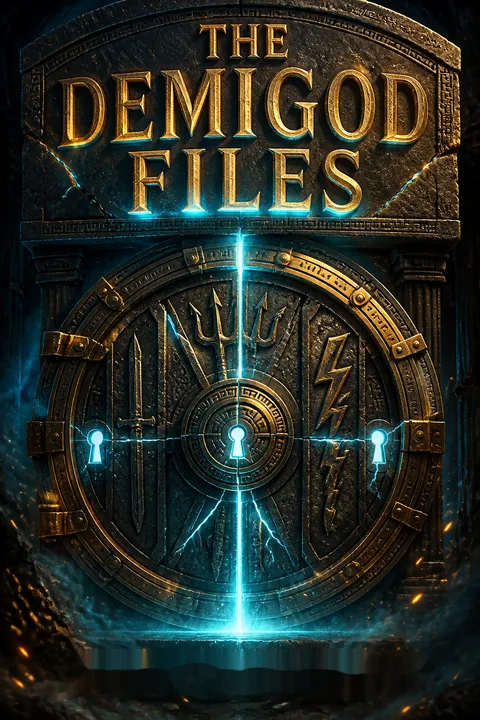
The Demigod Files is a companion book to the Percy Jackson series, containing three short stories, character interviews, and other extras. Reviews are mixed, with most readers enjoying the short stories but finding the supplementary content less engaging. Many appreciate the additional Percy Jackson content and insights into characters, though some feel it's unnecessary. The book appeals more to younger fans of the series. Some readers note it provides helpful background for later books in the Percy Jackson universe.
People Also Read

Characters
Percy Jackson
Percy is the son of Poseidon, marked by his quick wit, impulsive bravery, and deep loyalty to friends. He often finds himself thrust into danger, forced to improvise solutions to impossible problems. Percy's greatest strength is his empathy—he helps even those who have wronged him, as seen with Clarisse and the amnesiac Titan, Bob. His journey is one of self-discovery, learning to balance the burdens of prophecy with the everyday struggles of adolescence. Percy's relationships—with Annabeth, Grover, and others—anchor him, providing both motivation and vulnerability.
Annabeth Chase
Daughter of Athena, Annabeth is defined by her intelligence, resourcefulness, and fierce independence. She is both a planner and a risk-taker, often guiding Percy and others through peril with her quick thinking. Annabeth's relationship with Percy is complex—marked by affection, rivalry, and unspoken feelings. Her drive to prove herself and her longing for a sense of belonging shape her actions, making her both a formidable ally and a deeply human character.
Clarisse La Rue
As the daughter of Ares, Clarisse embodies aggression and competitiveness, often clashing with Percy. Yet her tough exterior masks deep insecurities, especially regarding her father's approval and her place among her siblings. The ordeal with the stolen chariot exposes her fears and ultimately leads to growth, as she learns to accept help and confront her vulnerabilities. Clarisse's arc is a study in the complexities of strength and the need for acceptance.
Nico di Angelo
Son of Hades, Nico is isolated by his parentage and the loss of his sister. He is drawn to the shadows, both literally and figuratively, and struggles with feelings of abandonment and resentment. Nico's journey in the Underworld quest is one of reconciliation—with his father, his past, and himself. His willingness to risk everything for the greater good, despite personal pain, marks him as one of the series' most tragic and compelling figures.
Thalia Grace
Daughter of Zeus and lieutenant of Artemis, Thalia is courageous, sarcastic, and fiercely protective of her friends. Her immortality as a Hunter of Artemis freezes her in adolescence, creating a tension between her wisdom and her perpetual youth. Thalia's struggles with her mother's death and her own sense of responsibility add depth to her character, making her both a formidable warrior and a relatable figure.
Charles Beckendorf
Beckendorf, son of Hephaestus, is the camp's master builder and a quiet pillar of strength. His technical skills and calm demeanor make him indispensable in crises, while his budding romance with Silena reveals a softer side. Beckendorf's willingness to risk himself for others exemplifies the selflessness at the heart of heroism.
Silena Beauregard
Daughter of Aphrodite, Silena defies stereotypes of her cabin, showing bravery and leadership during the bronze dragon quest. Her affection for Beckendorf and her ability to inspire others highlight the power of love and loyalty, even in the face of danger.
Grover Underwood
As a satyr and Percy's best friend, Grover provides both humor and heart. His quest to find the lost god Pan and his dedication to protecting nature reflect the series' environmental themes. Grover's loyalty and courage, often underestimated, are crucial to the group's success.
Phobos and Deimos
The immortal sons of Ares, Phobos and Deimos serve as both literal and metaphorical obstacles. Their powers force heroes to confront their deepest anxieties, making them catalysts for growth and self-realization.
Persephone
Queen of the Underworld, Persephone orchestrates the quest for Hades's sword, manipulating the demigods for her own ends. Her actions reveal the dangerous interplay of power, ambition, and secrecy among the gods, and her willingness to use mortals as pawns underscores the precariousness of heroism in a world ruled by capricious immortals.
Plot Devices
Modern Mythology in a Contemporary World
The series' core device is the seamless integration of Greek mythology into the present day. Gods, monsters, and heroes walk among mortals, their ancient conflicts playing out in schools, cities, and summer camps. This juxtaposition creates both humor and tension, making the mythic accessible and relevant.
The Mist
The Mist is a magical force that prevents mortals from perceiving the supernatural. It allows demigods to operate in the open while maintaining secrecy, and it serves as a metaphor for the unseen struggles of adolescence—battles and fears invisible to the adult world.
Prophecy and Fate
The prophecy concerning the children of the Big Three drives much of the action, shaping characters' choices and fears. The tension between fate and free will is a recurring theme, with heroes struggling to assert agency in the face of seemingly inevitable outcomes.
Magical Artifacts and Automatons
Weapons like Riptide, the Sword of Hades, and the bronze dragon are more than tools—they are symbols of power, responsibility, and the dangers of unchecked ambition. Their histories and abilities often mirror the internal struggles of their wielders.
Psychological Trials
Encounters with Phobos and Deimos, Melinoe, and the Keres force characters to confront their deepest fears, regrets, and desires. These trials serve as both plot obstacles and opportunities for character development, blending action with introspection.
Humor and Self-Awareness
The narrative's humor, often delivered through Percy's sardonic voice, undercuts the darkness of the quests and makes the characters relatable. Self-deprecating jokes and pop culture references ground the story, making the extraordinary feel ordinary.
FAQ
Synopsis & Basic Details
What is The Demigod Files about?
- Three Untold Adventures: The Demigod Files is a collection of three short stories featuring Percy Jackson and his demigod friends, offering readers a glimpse into previously unrecorded quests that occur between the main Percy Jackson & the Olympians novels. These tales delve into various challenges, from recovering Ares's stolen war chariot to reactivating a legendary bronze dragon and retrieving Hades's powerful new sword.
- Camp Half-Blood Insights: Beyond the action, the book provides supplementary material like interviews with key characters (Percy, Annabeth, Clarisse, Grover, the Stoll brothers), a map of Camp Half-Blood, and guides to Greek mythology and monsters. This content enriches the world-building and offers deeper insights into the personalities and daily lives of the demigods.
- Bridging Main Series Gaps: The collection serves to bridge narrative gaps and expand on character development that might not fit into the larger arc of the main series. It allows for focused exploration of specific relationships, minor gods, and mythological elements, providing context and depth to the overarching conflict against Kronos.
Why should I read The Demigod Files?
- Deepen Character Understanding: Readers gain unique insights into the inner workings and motivations of beloved characters like Percy, Annabeth, and Clarisse through their personal quests and candid interviews. For instance, Clarisse's vulnerability in "Percy Jackson and the Stolen Chariot" offers a rare, humanizing look beyond her usual tough exterior, enriching her character arc in the broader series.
- Expand Mythological Lore: The stories introduce lesser-known mythological figures such as Phobos and Deimos, Melinoe, and Iapetus, along with unique magical artifacts like the bronze dragon and Hades's new sword. This expands the rich tapestry of the Percy Jackson universe, providing fresh challenges and ancient lore that are both entertaining and educational.
- Essential Series Context: While not strictly necessary for the main plot, these tales offer crucial context and subtle foreshadowing for events in The Last Olympian, particularly Percy's growing maturity, the looming Great Prophecy, and Nico's mysterious "offer." Reading The Demigod Files enhances appreciation for the intricate world-building and character development leading up to the series' climax.
What is the background of The Demigod Files?
- Companion to the Main Series: The Demigod Files was published as a companion book to the Percy Jackson & the Olympians series, specifically between The Battle of the Labyrinth and The Last Olympian. Its purpose is to provide additional adventures and world-building details that complement the main narrative without being central to the overarching plot against Kronos.
- Author's Direct Address: The book is framed as a "top-secret" collection compiled by Rick Riordan, acting as "Senior Scribe at Camp Half-Blood," directly addressing "Young Demigod" readers. This narrative device immerses the reader further into the demigod world, making the information feel exclusive and personal, enhancing the sense of being part of the "inner circle."
- Exploration of Minor Deities: The stories often focus on minor gods and mythological creatures not extensively featured in the main novels, such as Phobos and Deimos (sons of Ares), the Myrmekes (giant ants), and Melinoe (goddess of ghosts). This allows for a broader exploration of the Greek pantheon and its diverse inhabitants, showcasing the vastness of Riordan's mythological world.
What are the most memorable quotes in The Demigod Files?
- "The magic word is puke.": Percy Jackson's sardonic observation in "Percy Jackson and the Stolen Chariot" perfectly encapsulates his irreverent humor and practical approach to navigating the mortal world while being a demigod. This quote highlights the blend of mundane and extraordinary in his life, a core theme of the series.
- "A girl starts trying to kill you, you know she's into you.": Charles Beckendorf's humorous, yet surprisingly insightful, advice to Percy in "Percy Jackson and the Bronze Dragon" offers a lighthearted take on the complex, often combative, romantic dynamics at Camp Half-Blood. It subtly foreshadows the "Percabeth" relationship while reflecting the unique challenges of demigod courtship.
- "Everyone has ghosts – deaths you regret. Guilt. Fear. Why can I not see yours?": Melinoe's probing question to Percy in "Percy Jackson and the Sword of Hades" reveals a profound aspect of Percy's character: his ability to make peace with loss and move forward. This quote underscores Percy's emotional maturity and resilience, a key element of his heroism that sets him apart from others.
What writing style, narrative choices, and literary techniques does Rick Riordan use?
- First-Person, Conversational Voice: Riordan employs a highly engaging first-person narrative from Percy Jackson's perspective, characterized by a witty, sarcastic, and conversational tone. This choice makes complex mythological concepts accessible and relatable, as Percy often explains things in a casual, modern way, such as comparing the Furies to "my elementary-school choir teacher."
- Seamless Mythological Integration: A hallmark of Riordan's style is the effortless blending of ancient Greek myths with contemporary American settings and culture. This is evident in Ares riding a Harley-Davidson, the Statue of Liberty being a son of Athena's design, or the Underworld having "traffic congestion on the Fields of Asphodel freeway," creating a unique and humorous juxtaposition.
- Action-Oriented Pacing with Emotional Depth: The stories are fast-paced and action-packed, filled with monster battles and daring escapes, maintaining a high level of excitement. However, Riordan skillfully interweaves these thrilling sequences with moments of genuine emotional introspection, character development, and exploration of themes like fear, loyalty, and the burden of destiny, ensuring the narrative resonates on multiple levels.
Hidden Details & Subtle Connections
What are some minor details that add significant meaning in The Demigod Files?
- Myrmekes' Diverse Treasure: The giant ants' hoard in "Percy Jackson and the Bronze Dragon" includes not just gold but "old armour, swords, food platters that had somehow found their way out here from the dining pavilion." This detail subtly implies that other demigods, perhaps from earlier generations, have fallen victim to the Myrmekes, adding a layer of grim history and danger to the camp's surrounding woods.
- Persephone's Faded Beauty: In "Percy Jackson and the Sword of Hades," Persephone's description as having "multicoloured but washed-out" eyes and a dress of "changing colours... strangely faded" visually symbolizes her dual nature and the toll of her time in the Underworld. It highlights the contrast between her vibrant spring goddess aspect and her somber queen of the dead role, emphasizing the sacrifices she endures.
- Sisyphus's Temptation of Thalia: When Thalia helps Sisyphus with his boulder, she admits, "I was almost tempted to try it again. I figured I could get it the second time." This seemingly minor moment reveals the insidious nature of Sisyphus's curse, which isn't just physical labor but a psychological trap of false hope and endless, futile effort, hinting at the deeper, more tormenting aspects of Underworld punishments.
What are some subtle foreshadowing and callbacks in The Demigod Files?
- Percy's Prophecy Vision: Phobos's power forces Percy to confront his deepest fear: "the camp in flames... my friends all pleading for my help and I didn't know what to do." This vision is a direct callback to the Great Prophecy concerning Percy's sixteenth birthday and his choice, subtly foreshadowing the immense pressure and stakes he will face in The Last Olympian.
- Nico's Mysterious Offer: At the end of "Percy Jackson and the Sword of Hades," Nico reminds Percy, "you haven't forgotten my offer?" and Percy acknowledges it's "A possible way to fight Kronos. It's dangerous." This exchange directly foreshadows Nico's plan to have Percy bathe in the River Styx, a pivotal and perilous event in The Last Olympian that grants Percy invulnerability.
- Annabeth's "Obtuse" Comment: In her interview, Annabeth describes Percy's most annoying quality as being "obtuse," specifically not seeing "really obvious stuff, like the way people feel, even when you're giving him hints and being totally blatant." This is a humorous yet poignant callback to Percy's cluelessness regarding her romantic feelings, a running gag and subtle tension throughout the series that culminates in their eventual relationship.
What are some unexpected character connections and influences?
- Clarisse's Vulnerability to Percy: Despite their long-standing rivalry, Clarisse's raw fear of Ares's wrath and her brothers' torment in "The Stolen Chariot" forces her to accept Percy's help. This shared ordeal creates an unexpected, albeit grudging, bond, where Percy becomes a witness to her deepest insecurity, leading to a rare moment of mutual respect and understanding ("You were one of them," Percy promises).
- Silena's Leadership and Bravery: Silena Beauregard, typically portrayed as focused on beauty and romance, unexpectedly steps up as a leader during the bronze dragon quest, showing remarkable courage and strategic thinking. Her insistence on saving Beckendorf and her ability to command the dragon ("Dragon, stop!") reveal a hidden depth and influence that subverts expectations for an Aphrodite child, highlighting the diverse strengths within Camp Half-Blood.
- Persephone's Covert Ambition: The revelation that Persephone, not Hades, orchestrated the quest for the Sword of Hades to empower her husband without Zeus's knowledge, exposes her as a surprisingly cunning and manipulative figure. This shows her significant, albeit hidden, influence on Underworld politics and the balance of power among the gods, using demigods as pawns in her own schemes.
Who are the most significant supporting characters in The Demigod Files?
- Charles Beckendorf: The Unsung Innovator: As the head counselor of Hephaestus cabin, Beckendorf's ingenuity is crucial, from creating chameleon armor to understanding and ultimately disabling the bronze dragon. His quiet bravery and technical expertise are vital to the success of "The Bronze Dragon," showcasing the importance of non-combat skills in demigod quests and his role as a mentor figure to Percy.
- Phobos and Deimos: Embodiments of Inner Conflict: These minor gods, sons of Ares, are more than just antagonists; they are catalysts for profound character development. By forcing Percy and Clarisse to confront their deepest fears—Percy's fear of failure and Clarisse's fear of parental disapproval—Phobos and Deimos serve as external manifestations of internal struggles, making the conflict deeply personal and psychologically resonant.
- Persephone: The Master Manipulator: While seemingly a secondary figure, Persephone's role in "The Sword of Hades" is pivotal. Her calculated deception in orchestrating the quest to arm Hades, without his or the other gods' full knowledge, reveals her as a powerful, self-interested player in Olympian politics. Her actions directly impact the balance of power and the demigods' moral choices, making her a significant, albeit morally ambiguous, influencer.
Psychological, Emotional, & Relational Analysis
What are some unspoken motivations of the characters in The Demigod Files?
- Clarisse's Quest for Validation: Beneath her aggressive exterior, Clarisse's desperate need to succeed in Ares's chariot test is driven by a profound, unspoken desire for her father's approval and respect. Her fear of Ares's "real hard" wrath isn't just about punishment, but about the ultimate rejection from the one god she strives to emulate, revealing a deep-seated insecurity.
- Annabeth's Strategic Control: Annabeth's meticulous planning and desire to "crush" Percy in capture the flag, even when it seems like a simple game, stems from an unspoken need to assert her intellectual superiority and control in chaotic situations. This motivation is rooted in her Athena parentage and her past experiences where lack of a plan led to danger, making her strategic mind a core part of her identity and a subtle defense mechanism.
- Nico's Drive for Paternal Acceptance: Nico's insistence on helping Hades retrieve his sword, despite his distrust of Persephone and the inherent danger, is subtly motivated by a longing for his father's acceptance and a desire to prove his worth. Having felt abandoned and isolated, this quest offers him a chance to connect with his divine parent, even if Hades remains emotionally distant, highlighting his deep-seated need for belonging.
What psychological complexities do the characters exhibit?
- Percy's Burden of Prophecy: Percy exhibits the psychological weight of the Great Prophecy, manifesting as his deepest fear: seeing Camp Half-Blood in flames and being paralyzed by the choice to save or destroy Olympus. This reveals a profound sense of responsibility and the internal conflict of a teenager grappling with world-altering destiny, showcasing his growth beyond a simple hero.
- Thalia's Lingering Guilt and Trauma: Thalia's reaction to Melinoe's illusion of her mother, and her subsequent admission of feeling tempted by Sisyphus's curse, highlights her unresolved psychological complexities. Her past trauma, including her mother's death and her own sacrifice, leaves her vulnerable to guilt and the allure of futile struggles, demonstrating that even immortal Hunters carry deep emotional scars.
- Iapetus's Identity Crisis: The Titan Iapetus's transformation into "Bob" after immersion in the River Lethe presents a fascinating psychological study of identity. Stripped of his memories and malevolent nature, he becomes a childlike, benevolent figure, raising questions about the essence of self and whether evil is inherent or learned, offering a unique perspective on redemption and transformation.
What are the major emotional turning points?
- Clarisse's Confrontation of Ares (Deimos): The moment Clarisse, facing Deimos disguised as her father, declares, "I'm tired of being scared of you," marks a significant emotional turning point. This act of defiance against her deepest fear allows her to overcome her insecurity and assert her own strength, transforming her relationship with Percy from rivalry to a grudging, mutual respect.
- Percy's Immunity to Melinoe's Illusions: Percy's ability to
Camp Half-Blood Chronicles Series


About the Author
Other books by Rick Riordan

Download PDF
Download EPUB
.epub digital book format is ideal for reading ebooks on phones, tablets, and e-readers.








































