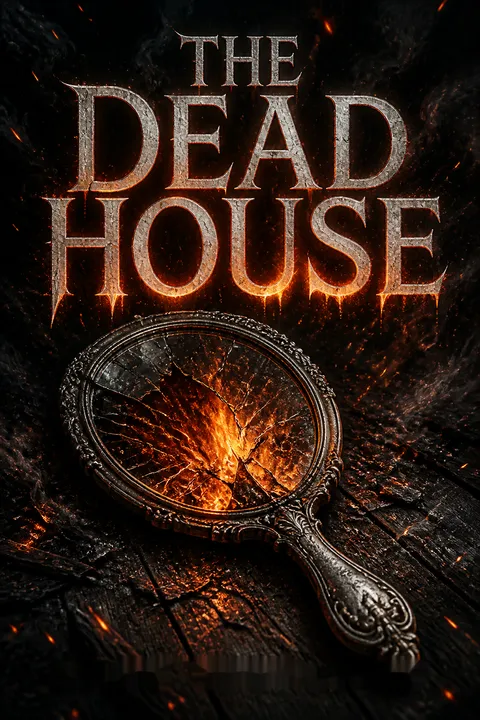

Plot Summary
Fire and Forgotten Names
The story opens with a devastating fire at Elmbridge High School, leaving three dead and one student, Kaitlyn Johnson, missing. The community is shaken, rumors swirl, and the press names Kaitlyn as a suspect, though no official records of her exist. The narrative is framed as a recovered dossier: diary entries, therapy notes, police interviews, and video transcripts, all pieced together to uncover the truth behind the so-called "Johnson Incident." The school, now condemned, is haunted by disappearances and urban legends, setting a chilling tone. The reader is immediately thrust into a world where reality and myth blur, and the search for identity and truth is as urgent as the search for the missing girl.
Two Souls, One Body
Kaitlyn's diary reveals her reality: she and her "sister" Carly share one body, living in shifts—Carly by day, Kaitlyn by night. Their existence is a secret, misunderstood by doctors who diagnose Carly with dissociative identity disorder (DID), dismissing Kaitlyn as a trauma-born alter. The girls communicate through a Message Book and hidden notes, supporting each other against a world that refuses to believe in Kaitlyn's reality. Their bond is fierce, but the threat of "integration"—Kaitlyn's erasure—looms. The trauma of their parents' deaths and institutionalization at Claydon Mental Hospital haunts them, fueling their desperate hope for freedom and a future in London.
Night and Day Divide
The sisters' lives are meticulously coordinated to avoid suspicion. Carly, the "good" girl, navigates school and therapy, while Kaitlyn, the "dark half," roams the night, feeling invisible and alone. The transition between them is a dizzying, liminal experience, a brush of consciousness at dawn and dusk. Kaitlyn's nights are filled with longing, jealousy, and a growing sense of unreality. She is both protector and prisoner, resenting Carly's daylight but loving her fiercely. The world's refusal to acknowledge Kaitlyn's existence deepens her isolation, and the threat of being "put away" forever becomes a source of existential dread.
Elmbridge's Haunted Return
Returning to Elmbridge for their final year, Carly and Kaitlyn are surrounded by friends—Naida, Scott, Brett—but also by secrets and unease. Naida, Carly's best friend, is the only one who believes in their duality, interpreting it through her Scottish Mala spiritualism. The school itself is a character: ancient, labyrinthine, and rumored to be haunted. Kaitlyn explores its hidden spaces—the attic, the basement—finding relics and sensing presences. The boundaries between self and place, past and present, begin to blur. The girls' careful balance is threatened by new students, shifting friendships, and the ever-present scrutiny of Dr. Lansing.
The Voice in the Dark
Kaitlyn is tormented by a voice she calls Aka Manah, a presence that whispers, laughs, and sometimes feels as if it's inside her. Dr. Lansing dismisses it as a hallucination, but to Kaitlyn, it is terrifyingly real—a demon, a parasite, or perhaps a manifestation of her guilt and trauma. The voice's influence grows, feeding on her isolation and self-doubt. Kaitlyn's sense of reality frays as she questions whether she is being haunted, possessed, or simply losing her mind. The voice becomes a harbinger of the darkness to come, its true nature ambiguous and menacing.
Secrets in the Attic
Kaitlyn finds solace in the school's attic, a forgotten space filled with relics and secrets. She confesses to small acts of rebellion—spying, stealing, even cutting a sleeping classmate—seeking proof of her own existence. The attic becomes her sanctuary, a place where she can be herself, yet it is also a site of growing unease. She senses another presence—a thin, grinning girl—watching her. The attic's secrets mirror her own: layers of history, pain, and things best left undisturbed. As Kaitlyn's mental state deteriorates, the attic becomes both refuge and prison, a symbol of her fractured self.
Naida's Rituals and Warnings
Naida, steeped in the rituals of her Mala heritage, becomes increasingly concerned for Carly and Kaitlyn. She performs protective ceremonies, warns of the dangers of two souls in one body, and senses that something unnatural is at work. Her rituals offer temporary relief, calming Aka Manah, but also draw the attention of darker forces. The introduction of Mala and Grúndi (black magic) lore adds a supernatural dimension, blurring the line between psychological and paranormal. Naida's belief in spirits, possession, and the power of ritual becomes both a source of hope and a catalyst for disaster.
Ari's Arrival and Confessions
Ari Hait, a mysterious new student, enters Kaitlyn's life after a chance meeting in the chapel. Their connection is immediate and electric—Ari is witty, accepting, and unafraid of Kaitlyn's darkness. They bond over late-night emails and confessions, and Ari becomes the first person outside Carly and Naida to truly see Kaitlyn. Their relationship offers Kaitlyn a taste of normalcy and love, but also complicates her existence. As their intimacy deepens, so does the sense of foreboding. Ari's own secrets and his fascination with the occult foreshadow his pivotal role in the events to come.
Mirrors, Madness, and Blood
A series of violent, inexplicable events—missing doors, shattered mirrors, students injured—rock Elmbridge. Kaitlyn is questioned by police, suspected by staff, and increasingly haunted by visions of the grinning girl and the voice. Mirrors become portals to terror, showing her things that shouldn't exist. The boundaries between self and other, real and unreal, begin to collapse. Kaitlyn's self-harm escalates, and her grip on reality weakens. The school's haunted spaces, her own body, and her mind become battlegrounds for forces she cannot control or understand.
Halloween: The Door Opens
At Naida's Halloween party, a group of students—including Kaitlyn, Ari, and others—use a Mala spirit board, unwittingly opening a door to something malevolent. The pointer singles out Kaitlyn, and she collapses, triggering a chain of supernatural and psychological events. Juliet, a younger student, disappears that night, and suspicion falls on Carly/Kaitlyn. The party marks a turning point: the supernatural becomes undeniable, and the group is drawn into a web of rituals, possessions, and escalating violence. The boundaries between the living and the dead, the self and the other, are shattered.
Carly's Disappearance
After the Halloween incident, Carly stops communicating. Kaitlyn wakes up in the daylight for the first time, realizing Carly is gone—perhaps integrated, perhaps stolen. The loss is devastating; Kaitlyn is left alone, unmoored, and desperate. She spirals into self-destruction, haunted by the sense that something has taken Carly's place. Therapy and medication fail; the doctors see progress, but Kaitlyn knows the truth is far darker. The absence of Carly is a wound that will not heal, and the search for her becomes an obsession, driving Kaitlyn to the edge of madness.
Kaitlyn Alone in the Light
With Carly gone, Kaitlyn is forced to live in the daylight, exposed and vulnerable. She cannot cope with the sensory overload, the scrutiny, the loss of her anchor. Her mental state deteriorates rapidly—she is hospitalized, sedated, and subjected to endless therapy. The Dead House—a recurring dream of a decaying, haunted mansion—becomes her only refuge, but it is also a trap. She is pursued by the demon, haunted by the grinning girl, and tormented by guilt and fear. The world insists she is Carly, but she knows she is not, and the loss of identity is shattering.
The Dead House Beckons
Kaitlyn's dreams of the Dead House intensify, becoming more vivid and terrifying. She realizes the house is her mind, and that something monstrous is lurking in its depths. The demon, once a whisper, is now a presence—hungry, cunning, and intent on consuming her. Naida, convinced that Kaitlyn is possessed, devises a ritual to enter the Dead House and rescue Carly. The group—Naida, Scott, Brett, Ari, John—descends into the basement, performing a dangerous ceremony that blurs the line between reality and nightmare. Sacrifices are made, and the cost is high.
Possession and Betrayal
The ritual unleashes chaos: Naida is maimed, Brett and John die under mysterious, violent circumstances, and suspicion falls on everyone. Haji, Naida's brother and a Mala priest, warns that the true enemy—the Shyan, a dark sorcerer—is among them. Paranoia and fear consume the survivors. Kaitlyn, desperate to find Carly and end the nightmare, is betrayed by those she loves most. The revelation that Ari is the Shyan, the architect of her torment, is a devastating blow. His twisted love and manipulation force Kaitlyn to confront the darkness within and around her.
The Shyan Revealed
Ari confesses: he orchestrated the rituals, manipulated the group, and unleashed the demon to "free" Kaitlyn from Carly. His love is possessive, destructive, and rooted in a belief that Kaitlyn's suffering is necessary for their union. He admits to killing Brett and Haji, and implicates Kaitlyn in Juliet's death, claiming the demon within her was responsible. The final confrontation is a battle of wills, love twisted into violence. Kaitlyn, shattered by betrayal and guilt, realizes that the only way to end the cycle is to destroy both herself and the demon.
Sacrifice and Descent
Kaitlyn, now fully aware of the demon's hold, prepares for a final act of sacrifice. She visits Naida in the hospital, seeking forgiveness and closure. She writes her last confessions, acknowledging her own unreality and the impossibility of escape. The school, now a reflection of the Dead House, becomes the stage for the final confrontation. Kaitlyn sets the fire, determined to destroy the demon, herself, and the haunted legacy of Elmbridge. As the flames consume her, she finds a moment of peace, reaching for Carly—or perhaps Dee, her only true companion.
The Final Fire
The fire rages through Elmbridge, claiming lives and erasing evidence. Kaitlyn is seen on security footage, smiling serenely as the flames engulf her. Her body is never found. The official narrative is one of madness, violence, and tragedy, but the truth is more complex: a story of love, loss, and the battle for identity. The survivors are left scarred, haunted by what they witnessed and what they cannot explain. The school is condemned, but the legend of the Dead House endures, drawing thrill-seekers and believers for years to come.
Aftermath: Truth or Madness
In the aftermath, police interviews, therapy notes, and media speculation fail to provide closure. Was Kaitlyn possessed, or simply broken by trauma? Was Ari a monster, or a victim of his own obsessions? Did Carly ever truly exist? The lines between reality and delusion, self and other, are forever blurred. The story ends with a final confession: "I am not real." The Dead House remains, both a place and a state of mind, a testament to the enduring power of trauma, love, and the search for self. The reader is left to decide what is true—and what is merely a ghost story.
Analysis
A modern gothic of trauma, identity, and the supernatural
The Dead House is a masterful exploration of the boundaries between self and other, sanity and madness, reality and the supernatural. Through its fragmented, immersive structure, it plunges the reader into the fractured mind of its protagonist(s), forcing us to confront the terror of not knowing who we are—or if we are real at all. The novel interrogates the nature of trauma, the inadequacy of psychiatric labels, and the seductive power of belief. It refuses easy answers: is Kaitlyn possessed, or is she a victim of abuse and neglect? Is the horror supernatural, or the product of a mind broken by grief? The story's ambiguity is its strength, inviting readers to grapple with the same uncertainties as its characters. Ultimately, The Dead House is a meditation on the cost of survival, the longing for connection, and the dangers of love—both redemptive and destructive. Its lessons are haunting: that the search for wholeness can destroy as much as it heals, and that sometimes, the only way to be free is to let go of the self entirely.
Review Summary
The Dead House receives mostly positive reviews, with readers praising its unique narrative style, creepy atmosphere, and psychological thrills. Many found the story engaging and unpredictable, appreciating the blend of mental illness themes with supernatural elements. The book's format, combining diary entries, interviews, and visual elements, was widely praised. Some readers felt the ending was ambiguous and unsatisfying, while others enjoyed the open-ended nature. Overall, it's recommended for fans of YA horror and psychological thrillers seeking an immersive, unsettling read.
People Also Read
Characters
Kaitlyn Johnson
Kaitlyn is the "dark half" of the Johnson sisters, living only at night, fiercely independent yet deeply lonely. She is both a protector and a prisoner, defined by her love for Carly and her resentment of being dismissed as a symptom. Kaitlyn's psychological complexity is profound: she is self-destructive, witty, and desperate for validation. Her relationship with Carly is symbiotic, but also fraught with jealousy and fear of erasure. Kaitlyn's journey is one of self-discovery, grappling with the possibility that she is not real, that she is possessed, or that she is simply a victim of trauma. Her descent into madness—or the supernatural—is both tragic and terrifying, culminating in an act of self-sacrifice that blurs the line between heroism and annihilation.
Carly Johnson
Carly is the "light half," living by day, gentle, anxious, and eager to please. She is the face the world sees, the "real" girl in the eyes of doctors and friends. Carly's relationship with Kaitlyn is one of deep love and dependence, but also guilt and fear. She struggles with anorexia, trauma, and the burden of being "the good one." Carly's disappearance after the Halloween ritual is the story's central mystery, her absence a wound that drives Kaitlyn to the brink. Whether Carly is a victim, a survivor, or a construct is left ambiguous, her fate intertwined with the story's exploration of identity and reality.
Naida Chounan-Dupré
Naida is Carly's best friend and the only outsider who believes in the sisters' duality. Rooted in her Mala heritage, she brings rituals, magic, and a fierce sense of protection to the group. Naida's belief in the supernatural is both a comfort and a danger, drawing the group into rituals that unleash chaos. Her loyalty is unwavering, but her actions have unintended consequences—she is maimed in the final ritual, losing her tongue in a desperate act of sacrifice. Naida's journey is one of faith, guilt, and survival, her friendship with Kaitlyn and Carly both a blessing and a curse.
Ari Hait
Ari enters as a witty, accepting friend and becomes Kaitlyn's first true love. His fascination with the occult and his own history of rootlessness mask a darker agenda. Ari is ultimately revealed as the Shyan, the architect of the group's suffering, driven by a twisted love for Kaitlyn and a desire to "free" her from Carly. His betrayal is devastating, his actions both monstrous and pitiable. Ari embodies the dangers of obsession, the allure of power, and the tragic consequences of love gone wrong.
Dr. Annabeth Lansing
Dr. Lansing is the girls' psychiatrist, convinced that Kaitlyn is an alter and that integration is the only path to healing. Her clinical detachment and reliance on medication are both a lifeline and a source of harm. Lansing's inability to see beyond her own framework blinds her to the supernatural—or psychological—realities at play. Her notes and interviews provide a counterpoint to the girls' narrative, raising questions about truth, responsibility, and the limits of psychiatric care. Lansing's ultimate failure to save her patient is a central tragedy of the story.
Scott Fromley
Scott is Naida's boyfriend and a member of the inner circle. He is skeptical, irreverent, and often the voice of reason, but his loyalty to Naida and the group draws him into the rituals and their consequences. Scott's journey is one of disbelief turned to horror, his survival marked by guilt and a sense of helplessness. He represents the ordinary caught in the extraordinary, a witness to events he cannot explain or escape.
Brett
Brett is the school's popular, charming student, but beneath the surface lies obsession and instability. His fixation on Carly and later Kaitlyn becomes predatory, culminating in violence and his own death. Brett's character explores the dangers of hidden darkness, the consequences of unacknowledged pain, and the ease with which the line between victim and perpetrator can blur.
John "The Viking" Hutt
John is Kaitlyn's childhood friend, a symbol of her life before trauma. His reappearance offers hope, but also triggers fear and confusion. John's attempts to help are misinterpreted, and his own secrets—his presence at the accident, his knowledge of the past—make him both a potential savior and a suspect. His death is a turning point, marking the collapse of trust and the triumph of paranoia.
Jaime Johnson
Jaime is the youngest Johnson sibling, living with foster parents and largely shielded from the chaos. Her presence is a reminder of innocence lost, and her memories of the accident are a source of pain and mystery. Jaime's interactions with Kaitlyn and Carly are brief but poignant, highlighting the ripple effects of trauma and the longing for family.
The Grinning Girl / The Dead Girl
The grinning girl appears throughout as a spectral presence—sometimes a warning, sometimes a threat. She is a symbol of the unresolved, the haunted, and the lost. Whether she is a ghost, a fragment of Carly, or a projection of Kaitlyn's psyche is never fully resolved. Her role is to guide, to terrify, and ultimately to point the way to the story's final revelation.
Plot Devices
Fragmented Narrative and Found Footage
The novel is constructed as a dossier: diary entries, therapy notes, police interviews, video transcripts, emails, and witness statements. This fragmented structure mirrors the fractured psyche of the protagonist(s) and blurs the line between reality and delusion. The reader is forced to piece together the truth from conflicting accounts, unreliable narrators, and missing information. The use of "found footage" and multiple media creates a sense of immediacy and authenticity, while also heightening ambiguity and suspense.
Duality and Shifting Identity
The central device is the division of Carly and Kaitlyn—two souls in one body, living in shifts. This duality is explored on multiple levels: psychological (DID), supernatural (possession), and symbolic (light/dark, life/death). The shifting perspectives, transitions, and blurred boundaries create a sense of instability and tension. The question of what is real—who is real—drives the narrative, inviting the reader to question their own assumptions.
Supernatural Ambiguity and Ritual
The story weaves together psychological horror and supernatural elements, never fully resolving which is "true." Mala rituals, Grúndi magic, and the concept of the Shyan introduce a world where spirits, demons, and possession are possible explanations for the girls' suffering. Rituals serve as both plot catalysts and metaphors for the struggle to reclaim agency and identity. The ambiguity is deliberate, leaving room for multiple interpretations.
Foreshadowing and Symbolism
Recurring symbols—mirrors, the attic, the Dead House, the sea—foreshadow key events and reflect the characters' inner states. Mirrors represent fractured identity and the danger of self-reflection. The Dead House is both a literal haunted space and a metaphor for the mind's decay. The sea is a symbol of oblivion, escape, and the unknown. These motifs are woven throughout, deepening the story's psychological and emotional resonance.
Unreliable Narrators and Red Herrings
The use of multiple narrators—Kaitlyn, Carly, Naida, Dr. Lansing, police—creates a web of partial truths and contradictions. Red herrings abound: suspects shift, motives are questioned, and the supernatural is both affirmed and denied. The reader is never allowed to settle into certainty, mirroring the characters' own confusion and fear.
The Dead House Series
Download PDF
Download EPUB
.epub digital book format is ideal for reading ebooks on phones, tablets, and e-readers.








































