
Plot Summary
Prison of Love and Power
Alice, desperate to save her friend Finn from execution, traps her lover Kai and his court in a magical prison world, using a spell of astonishing power. Her act is both a bid for time and a test of her own growing abilities, but it comes at a cost: Kai's trust and the safety of innocents. Inside the prison, Kai rages against his confinement, torn between admiration for Alice's magic and fear for her reckless courage. The emotional tension between them is palpable, as both struggle with the consequences of love entwined with power. Their bond, forged by fate and blood, is tested to its limits, setting the stage for a story where love is both a weapon and a prison.
Bargains and Betrayals
Alice's journey to save Finn is fraught with deception. Asmodeus, Kai's estranged brother, manipulates her, feeding her half-truths and leading her into danger. The world outside the prison is a realm of monsters and shifting allegiances, where every bargain comes with a hidden price. Alice's determination to do right by her friends blinds her to the betrayals around her, and her choices begin to unravel the fragile trust between her and Kai. The emotional stakes rise as Alice realizes that every step forward is a gamble, and that even those she trusts most may be playing their own game.
Secrets in the Blood
Kai, forced to confront his past, delves into his mother's preserved memories and uncovers the truth about his lineage. He learns that his father, Lucifer, manipulated events for his own ends, and that his mother's love was tainted by coercion and sacrifice. These revelations shake Kai's sense of self and his trust in those around him. Meanwhile, Alice's own heritage as a witch and nephilim becomes a source of both power and vulnerability. The secrets in their bloodlines bind them together and set them apart, fueling both their love and the conflicts that threaten to tear them apart.
The Queen's Gambit
Alice's decision to trap Kai and the court is a bold gambit, intended to force the lords to see the truth about Lucifer's corruption. Her actions, though well-intentioned, have unintended consequences: food shortages, fear, and the risk of innocent deaths. Kai, after witnessing his mother's memories, realizes Alice was right about his father's unfitness to rule. The lords, swayed by the evidence, begin to support Kai's claim to the throne. Alice's gambit pays off, but at the cost of deepening the rift between her and Kai, and setting in motion a chain of events that will change the fate of Hell.
Into the Monster Woods
Escaping the prison world, Alice and her monstrous cat familiar, Luri, journey through a forest teeming with deadly creatures. The landscape is as treacherous as the political machinations she left behind. Alice's physical struggles mirror her internal battles: she is weakened by poison, haunted by guilt, and forced to rely on her wits and magic. The forest becomes a crucible, testing her resolve and her willingness to sacrifice for those she loves. The bond with Luri is both a comfort and a reminder of what she stands to lose.
Poison and Prophecy
After a near-fatal fall and a brush with death, Alice is rescued by Asmodeus and brought to an oracle—a serpent who delivers a cryptic prophecy. The oracle's vision hints at a future shaped by love, betrayal, and sacrifice, warning that light and dark are inseparable. The prophecy becomes a guiding thread, influencing Alice's choices and foreshadowing the trials to come. Meanwhile, the poison in her blood is a reminder of her mortality and the fragility of her quest. The line between destiny and free will blurs as Alice struggles to interpret the oracle's words.
Shattered Bonds, Shifting Loyalties
As Alice recovers, she is forced to confront the consequences of her actions. Her bond with Kai is strained to breaking, and Asmodeus's shifting loyalties make him both ally and threat. The lines between friend and foe blur as each character pursues their own agenda. Alice's determination to save Finn is unwavering, but the cost is mounting: lost time, broken trust, and the risk of losing herself. The emotional landscape is as perilous as the physical one, with every relationship tested by secrets and lies.
The Oracle's Price
The oracle's prophecy hangs over Alice like a sword. To save Finn and challenge the High King, she must pay a price: her own safety, her relationship with Kai, and perhaps her very soul. The prophecy's warning—that new life can only come through death—echoes in every choice she makes. As she and Asmodeus infiltrate Solaria, the city of monsters, Alice realizes that the path to victory is paved with sacrifice. The emotional toll is immense, as she grapples with the possibility that she may not survive her quest.
Reunion and Ruin
After a harrowing journey, Alice and Kai are reunited, but their relationship is forever changed. The wounds of betrayal and loss run deep, and forgiveness is hard-won. Their reunion is passionate but fraught, as both struggle to reconcile their love with the pain they have caused each other. The emotional climax is both a healing and a reckoning, as they must decide whether their bond can withstand the trials ahead. The fate of Hell—and their own hearts—hangs in the balance.
The Devil's Children
The Morningstar family's tangled history comes to the fore as Kai challenges his father for the throne. Asmodeus, the forgotten prince, must choose between loyalty to his blood and his own freedom. The legacy of Lucifer and Persephone haunts every decision, as the sins of the parents are visited upon the children. Alice, too, must come to terms with her own lineage and the power it grants her. The struggle for the crown is not just a battle for power, but a fight to define their own identities and destinies.
The High King's Heir
In Solaria, Alice discovers the High King's twisted quest to breed the perfect heir by marrying off his dragon-blooded daughters. The city is a monument to cruelty and control, its bone bridge a testament to the king's genocidal ambitions. Alice's own value as a potential broodmare is laid bare, and she must fight not only for Finn's life but for her own autonomy. The monstrous legacy of Solaria is both a warning and a challenge: can Alice break the cycle of violence and claim her own destiny?
The Bone Bridge
Alice and Asmodeus cross the infamous bone bridge into Solaria, risking everything to infiltrate the High King's stronghold. The bridge, built from the bones of slaughtered dragons, is both a literal and symbolic threshold: to cross it is to enter a world where power is won through blood and betrayal. The journey is perilous, with every step watched by enemies and every choice fraught with danger. The bridge becomes a crucible, testing their resolve and their willingness to defy fate.
The Dragon's Daughters
Inside Solaria, Alice discovers unexpected allies in the High King's daughters—women who have survived their father's cruelty and are ready to rebel. Among them is Eva, a dragon shifter who becomes Finn's protector and lover. The alliance of outcasts and monsters is a turning point, as Alice realizes that victory will require unity among the realm's misfits. The dragon's daughters are both a symbol of hope and a reminder of the cost of survival in a world ruled by monsters.
The Crimson Queen Rises
In a climactic confrontation, Alice slays the High King and claims the title of Crimson Queen. Her victory is both personal and political: she has avenged the wrongs done to her and her friends, and she has broken the cycle of tyranny in Solaria. The act of taking the king's heart—literally and figuratively—cements her place as a ruler in her own right. The emotional triumph is tempered by the knowledge that peace is fragile and that new threats loom on the horizon.
War at the Gates
With the High King dead, a new danger emerges: Michael, the archangel, prepares to invade Hell. The fragile alliance of Hell's misfits must prepare for war against Heaven's perfect warriors. The looming conflict is both epic and intimate, as Alice, Kai, and their allies grapple with the knowledge that victory may require the ultimate sacrifice. The emotional stakes are higher than ever, as love and loyalty are tested in the crucible of war.
The Fall of Kings
The war against Heaven is brutal and costly. Allies fall, and even the immortal are not spared. Lucifer, the Devil himself, sacrifices his life to save his sons, breaking the cycle of vengeance and paving the way for a new order. The loss is deeply felt, especially by Asmodeus, who must come to terms with his father's legacy and his own place in the world. The fall of kings is both an ending and a beginning, as the survivors must rebuild from the ashes.
The Heart in the Glass
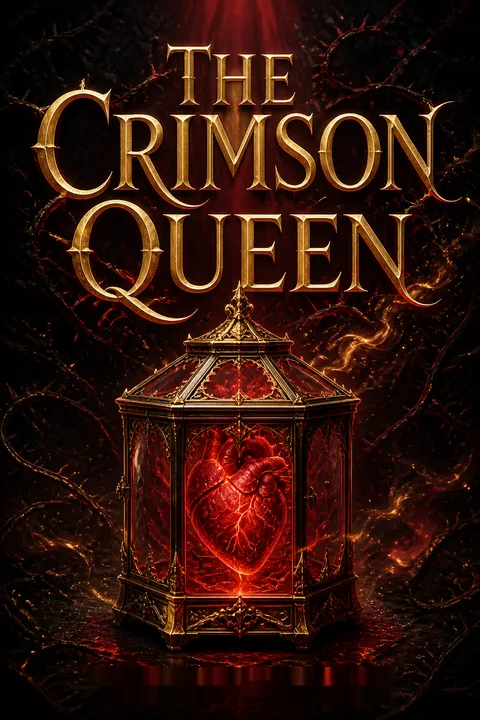
After the war, Alice uses her magic to imprison the High King's still-beating heart in a glass coffin, ensuring he can never return. The act is both practical and symbolic: the old order is truly dead, and the future belongs to those who can wield power with compassion. The heart in the glass is a reminder that immortality is not invincibility, and that even the greatest threats can be contained by courage and ingenuity.
The Wedding Pact
With the war won, Alice and Kai marry in a ceremony that unites Hell and Solaria. Their union is both a personal triumph and a political necessity, forging an alliance that promises peace for the seven realms. The wedding is intimate, marked by vows of love and the sharing of power. The emotional resonance is profound, as both characters find healing and hope in each other's arms. The pact is a promise: together, they can face whatever comes next.
The Gate to Heaven
Even as peace settles over the realms, the discovery of an active gate to Heaven signals that the struggle is not over. Michael's machinations continue, and the threat of invasion looms. The gate is both a literal and metaphorical opening: the possibility of new conflicts, new alliances, and new sacrifices. The future is uncertain, but Alice and Kai face it together, strengthened by love and the lessons of the past.
The Last War
The armies of Hell and Heaven clash in a final, cataclysmic battle. Alice, Kai, Asmodeus, and their allies fight not just for survival, but for the right to define their own destinies. The cost is high: blood, pain, and the loss of loved ones. But in the end, it is love—fierce, flawed, and unbreakable—that tips the scales. The last war is both an ending and a beginning, as the survivors claim the right to shape their own futures.
Blood and Sacrifice
The aftermath of war is marked by grief and sacrifice. Lucifer's death is mourned, but his legacy endures in his children. Alice and Kai, wounded but unbroken, must learn to live with the scars of battle. The cost of victory is measured not just in lives lost, but in the willingness to let go of the past and embrace the future. Blood and sacrifice are the price of freedom, but also the foundation of a new world.
Aftermath and Ascension
With the old order destroyed, Alice and Kai ascend as rulers of a united realm. Their reign is marked by compassion, strength, and the willingness to challenge tradition. Asmodeus, too, finds a measure of peace, and the survivors begin to rebuild. The story ends not with a happily ever after, but with the promise of a better world—one forged in the crucible of love, loss, and the unbreakable will to survive.
Analysis
The Crimson Queen is a bold, subversive fantasy that reimagines the tropes of dark romance, epic fantasy, and mythic family drama for a modern audience. At its heart, the novel is a meditation on power—who wields it, who suffers under it, and how it can be transformed by love and sacrifice. Alice's journey from outsider to queen is both a personal and political revolution, challenging the patriarchal structures that have defined her world. The story interrogates the nature of destiny, asking whether we are bound by the choices of those who came before us, or whether we can forge our own path. The blending of mythologies—Christian, Greek, and original—creates a world that is both familiar and startlingly new, where monsters and angels are equally capable of love and cruelty. The novel's explicit embrace of sexuality, its celebration of misfits and outcasts, and its refusal to offer easy answers make it a powerful statement about the necessity of embracing both light and dark within ourselves. Ultimately, The Crimson Queen is a story about the cost of freedom, the power of love, and the courage it takes to claim one's own destiny in a world determined to write your story for you.
Review Summary
The Crimson Queen receives an overall rating of 4.23/5, with readers praising its emotional storytelling, worldbuilding, and side characters like Asmo and Finn. Many loved the conclusion to Alice and Kai's story, citing humor, action, and satisfying closure. However, common criticisms include rushed pacing—particularly the final battle against Michael—underdeveloped romance between Alice and Kai, and notable editing issues throughout. Many readers expressed a preference for Alice ending up with Asmodeus, and most are eagerly anticipating upcoming books featuring Asmo and Finn.
People Also Read
Characters
Alice Whittaker
Alice is the heart and engine of the story—a witch and nephilim whose journey from outsider to Crimson Queen is marked by sacrifice, courage, and relentless love. Her relationships define her: with Kai, her soulmate and sometimes adversary; with Finn, her best friend; with Luri, her monstrous familiar; and with Asmodeus, her complicated ally. Psychologically, Alice is driven by a need to protect those she loves, even at great personal cost. Her arc is one of self-discovery: learning to wield her power, accept her heritage, and claim her right to rule. She is flawed—impulsive, stubborn, and sometimes reckless—but her compassion and determination make her a leader worth following. Her ability to create, not just summon, marks her as unique in a world of magic, and her willingness to challenge fate itself is both her greatest strength and her deepest vulnerability.
Malakai (Kai) Morningstar
Kai is the brooding, powerful heir to Hell's throne, shaped by a legacy of manipulation and loss. His relationship with Alice is both passionate and fraught, defined by a bond forged in blood and fate. Kai's psychological struggle is with control—over his own power, his emotions, and the destiny imposed on him by his parents. He is haunted by the sins of his father, Lucifer, and the sacrifices of his mother, Persephone. As a leader, Kai is both compassionate and ruthless, willing to do what is necessary for his people but terrified of becoming the monster he fears. His arc is one of acceptance: learning to trust, to forgive, and to love without reservation. The deal that binds him to protect Alice is both a curse and a blessing, forcing him to confront the limits of his own will.
Asmodeus (Asmo) Morningstar
Asmodeus is the shadow to Kai's light—a prince exiled and spellbound, whose loyalties are as shifting as the world around him. His relationship with Alice is complex: part rivalry, part kinship, part unspoken longing. Asmo is driven by a desire for freedom and a deep-seated resentment of his father's manipulations. Psychologically, he is marked by trauma and loss, particularly the death of his soulmate in a past life. His arc is one of reluctant heroism: he helps Alice and Kai not out of duty, but because he cannot bear to see others suffer as he has. Asmo's wit and cynicism mask a deep well of pain, and his eventual acceptance of his place in the world is both poignant and hard-won.
Finn
Finn is the steadfast companion to both Alice and Kai, providing levity and loyalty in equal measure. His journey from sidekick to hero is marked by sacrifice—losing his hands, risking his life, and ultimately finding love with Eva, the dragon shifter. Finn's psychological resilience is rooted in his sense of humor and his unwavering belief in his friends. He is the glue that holds the group together, reminding them of what is worth fighting for. His arc is one of growth: from comic relief to a leader in his own right.
Lucifer (The Devil)
Lucifer is both villain and victim—a ruler whose love for Persephone drives him to desperate acts. His manipulation of Kai, Asmo, and Alice sets much of the plot in motion, but his motivations are rooted in grief and a desire to change fate. Psychologically, Lucifer is haunted by loss and the knowledge that his actions have doomed those he loves. His arc is one of tragic redemption: sacrificing himself so his sons can live, and finally letting go of the past.
Persephone
Though dead for much of the story, Persephone's presence is felt through her preserved memories and the legacy she leaves behind. She is both victim and agent, making choices that shape the destinies of her children. Her love for Lucifer is complicated by coercion and sacrifice, and her willingness to defy fate is both her greatest strength and her undoing. Persephone's arc is one of silent influence, guiding her children from beyond the grave.
Luri
Luri, the monstrous cat, is both companion and guardian to Alice. Her bond with Alice is deep and primal, providing both comfort and comic relief. Luri's psychological makeup is simple: loyalty to Alice above all else, and a love of chaos and bloodshed. She is a reminder that even monsters can love, and her presence grounds Alice in a world of shifting loyalties.
Eva
Eva is one of the High King's dragon-blooded daughters, a survivor of cruelty who becomes both Finn's lover and a key ally in the war. Her psychological resilience is rooted in her ability to adapt and her refusal to be defined by her father's ambitions. Eva's arc is one of transformation: from victim to warrior, from outcast to queen.
Michael
Michael is the archangel antagonist, a force of nature whose motivations are rooted in a belief in order and destiny. He is both a symbol of the old order and a personal threat to Alice, Kai, and their allies. Psychologically, Michael is unyielding, convinced of his own righteousness and willing to destroy anything that stands in his way. His arc is one of inevitable conflict, a reminder that some battles must be fought to the end.
The High King
The High King of Solaria is the embodiment of patriarchal cruelty, obsessed with breeding the perfect heir and controlling his monstrous daughters. His psychological makeup is defined by fear—of rebellion, of loss, of his own mortality. His arc is one of downfall: slain by Alice, his heart imprisoned, his legacy undone.
Plot Devices
Fate and Free Will
The narrative is structured around the tension between fate and free will. Deals made by parents, prophecies delivered by oracles, and the binding of souls all serve to constrain the characters' choices. Yet, at every turn, Alice, Kai, and their allies fight to assert their own agency, challenging the idea that destiny is immutable. The use of magical bargains, blood bonds, and prophecies creates a web of cause and effect that both drives the plot and deepens the emotional stakes. Foreshadowing is woven throughout, with visions and memories hinting at future betrayals and sacrifices. The story's structure—alternating perspectives, flashbacks, and revelations—mirrors the characters' struggle to piece together the truth and claim their own destinies.
Magical Realism and World-Building
The world of The Crimson Queen is richly imagined, blending elements of Christian mythology, Greek legend, and original fantasy. Magic is both a tool and a curse, shaping the characters' abilities and their relationships. The use of enchanted objects (the prison watch, the glass coffin, the fertility stones) grounds the story in a tangible reality, while the presence of monsters, dragons, and angels raises the stakes. The world-building is both lush and brutal, reflecting the emotional intensity of the characters' journeys.
Love as Power and Vulnerability
At its core, the story is a romance—one that is as dangerous as it is passionate. Love is both a source of strength and a vulnerability, driving characters to acts of courage and desperation. The open-door policy on intimacy is not just for spice; it is a narrative device that reveals character, deepens bonds, and raises the emotional stakes. The interplay of dominance and submission, trust and betrayal, is mirrored in both the bedroom and the battlefield.
Cycles of Sacrifice and Redemption
The plot is driven by cycles of sacrifice: Alice risking everything for Finn, Kai challenging his father, Lucifer giving his life for his sons. Redemption is hard-won and never complete; every victory comes at a cost. The use of resurrection, immortality, and the containment of evil (the heart in the glass) underscores the idea that true power lies not in domination, but in the willingness to let go and begin again.
Download PDF
Download EPUB
.epub digital book format is ideal for reading ebooks on phones, tablets, and e-readers.








































