
Plot Summary
Suffragette Flames, Fatal Night
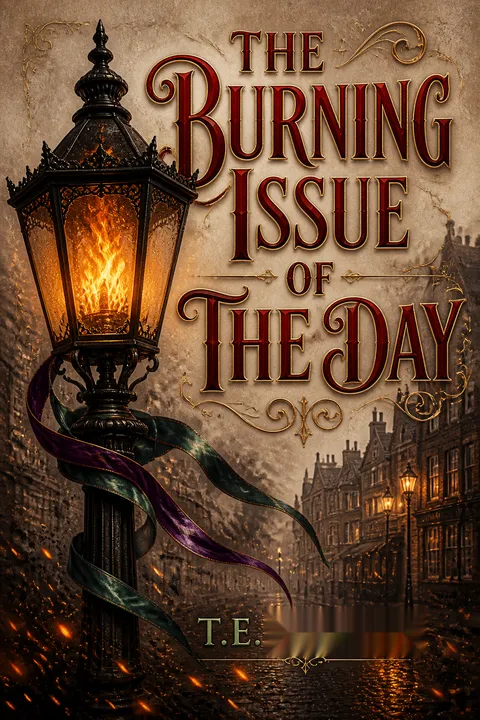
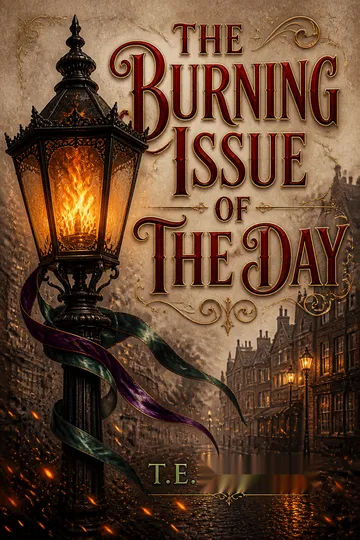
On a cold January night in 1910 Bristol, a shop on Thomas Street is set ablaze. The fire claims the life of Christian Brookfield, a respected journalist. Scattered suffragette literature and a note claiming responsibility point to the Women's Social and Political Union (WSPU). The police swiftly arrest Lizzie Worrel, a known suffragette, charging her with arson and murder. The city's press and public opinion turn against the suffragettes, painting them as reckless and violent. Yet, beneath the surface, doubts linger about the true nature of the crime and the identity of the culprit.
A Plea for Justice
Lady Hardcastle and her companion, Florence Armstrong, are drawn into the case when Lady Bickle, a prominent suffragette, pleads for their help. She insists Lizzie is innocent, citing the WSPU's strict moratorium on violence during the election and Lizzie's unwavering loyalty. The suffragettes fear Lizzie will be convicted on circumstantial evidence and prejudice. Lady Hardcastle, intrigued by inconsistencies and motivated by justice, agrees to investigate, setting the stage for a battle against both societal bias and a cunning adversary.
The Case Begins
Lady Hardcastle and Armstrong begin their inquiry, meeting with suffragette leaders and visiting the WSPU shop. They learn about the group's internal dynamics and the personalities involved, including the enigmatic Lady Bickle, the fiery Marisol Rojas, and the bland Beattie Challenger. The detectives also consult Inspector Sunderland, a sympathetic police officer, who shares their doubts about Lizzie's guilt. The investigation expands to include Christian Brookfield's background, his work exposing corruption, and the possibility that his death was no accident.
Tea, Codes, and Suspects
The detectives gather intelligence from various sources, including the sharp-tongued journalist Dinah Caudle, who reveals Brookfield's coded notebook. The notebook, written in Pitman shorthand and cipher, hints at a larger conspiracy involving powerful men in Bristol. Lady Hardcastle and Armstrong begin decoding the notebook, uncovering references to Oswald Crane, Redvers Hinkley, and Councillor Morefield—men with motives to silence Brookfield. The suffragette shop becomes a hub of intrigue, as alliances form and suspicions deepen.
The Notebook's Secrets
Lady Hardcastle cracks the code in Brookfield's notebook, revealing a tangled web of corruption, blackmail, and political intrigue. The notes suggest that Brookfield was close to exposing a criminal plot involving a gold shipment from Chile, with key players including Crane, Hinkley, Morefield, and the dissolute Major James Stansbridge. The notebook also hints at a spy within the WSPU, feeding information to the anti-suffrage Men's League. The detectives realize that the arson was not just an attack on property, but a calculated move in a much larger game.
Bristol's Web of Power
As Lady Hardcastle and Armstrong probe deeper, they encounter the city's elite—businessmen, politicians, and socialites—each with secrets to protect. They uncover evidence of bribery, gambling debts, and illicit affairs, all tied to the central figures in Brookfield's investigation. The detectives navigate a maze of alibis, false leads, and social maneuvering, while the suffragettes face increasing hostility. The city's power brokers close ranks, and the detectives must rely on wit, disguise, and their network of allies to stay ahead.
Alibis and Alliances
The detectives systematically test the alibis of their suspects, enlisting the help of Lady Bickle, Dinah Caudle, and Inspector Sunderland. They discover that Crane, Hinkley, Morefield, and Stansbridge all have partial or suspicious alibis for the night of the fire, often corroborated only by each other. Meanwhile, tensions rise within the suffragette ranks as the possibility of a traitor becomes more real. Lady Hardcastle and Armstrong must balance trust and skepticism, forging alliances with unlikely partners to pursue the truth.
The Spy Among Us
Brookfield's notebook and a series of coded messages point to a spy within the WSPU—someone who has been sabotaging the suffragette cause and feeding information to their enemies. Suspicion falls on the recent recruits: Lizzie Worrel, Marisol Rojas, and Beattie Challenger. Through careful observation and deduction, Lady Hardcastle and Armstrong narrow their focus, uncovering evidence that the traitor is hiding in plain sight. The realization that the spy is also the arsonist brings new urgency to their quest.
The Gold Plot Unfolds
The detectives learn that the central figures in Brookfield's investigation are plotting to steal a shipment of Chilean gold, using the chaos of the arson as a distraction. The plan involves switching the real gold with expertly crafted lead replicas, exploiting inside knowledge of the docks and customs procedures. Stansbridge, with his military expertise, orchestrates the logistics, while Crane and Hinkley provide funding and cover. The plot is timed to coincide with the arrival of the gold at Avonmouth, and the conspirators' confidence grows as the police remain oblivious.
Shadows at Avonmouth
Lady Hardcastle, Armstrong, and their allies stake out the Avonmouth docks, disguised as workers. They witness the execution of the gold heist: a fire, set as a diversion, draws attention away from the customs shed as the conspirators switch the gold. The fake gold is loaded onto a train bound for London, while the real gold vanishes. Amidst the chaos, the detectives realize that the arsonist is present, and that Lady Bickle has gone missing. The tension mounts as they scramble to prevent further disaster.
Fire, Switch, and Theft
The detectives race back to Bristol, suspecting that Beattie Challenger—the true traitor and arsonist—has kidnapped Lady Bickle. In a dramatic confrontation at Challenger's flat, Lady Hardcastle and Armstrong find Lady Bickle bound and doused in paraffin, with Challenger preparing to stage another deadly fire. Using quick thinking and a concealed weapon, they subdue Challenger and rescue Lady Bickle. The evidence found in Challenger's possession—paraffin, matches, and misprinted suffragette leaflets—confirms her guilt in both the arson and the conspiracy.
The Cuckoo Revealed
With Challenger's confession and the corroborating evidence, Lizzie Worrel is exonerated and released from prison. Inspector Sunderland arrests the remaining conspirators, including Crane, Hinkley, and Morefield, whose web of corruption is laid bare. The gold is eventually recovered, hidden in a coffee crate in Crane's warehouse, thanks to Lady Hardcastle's insight. The Men's League's influence is shattered, and the suffragettes' reputation is restored. The city breathes a sigh of relief as justice prevails.
A Deadly Confrontation
The aftermath of the case brings both relief and reflection. Armstrong, injured during the rescue, recovers under the care of Lady Bickle and Lady Hardcastle. The suffragettes regroup, mourning the betrayal but celebrating their vindication. The detectives and their allies gather for a celebratory dinner, sharing stories and forging new bonds. The city's underbelly has been exposed, but the struggle for justice and equality continues.
Truths, Trials, and Triumph
Beattie Challenger stands trial for arson and murder, her motives and manipulations revealed to all. The other conspirators face justice for their roles in the gold plot and the corruption that plagued Bristol. Lizzie Worrel, though scarred by her ordeal, finds support among her friends and the suffragette community. Lady Hardcastle and Armstrong reflect on the lessons learned, the power of solidarity, and the ongoing fight for women's rights. The case closes, but the world is forever changed.
Aftermath and New Beginnings
As spring arrives, life slowly returns to normal. Armstrong recovers from her injuries, and Lady Hardcastle acquires a new, more comfortable motor car. The suffragettes continue their campaign, emboldened by their victory and the exposure of their enemies. Friendships deepen, romances blossom, and the promise of progress lingers in the air. The story ends with a sense of hope and renewal, as the characters look forward to new adventures and the ongoing pursuit of justice.
Analysis
The Burning Issue of the Day is both a classic country house mystery and a vibrant social novel, using the conventions of the detective genre to explore themes of justice, gender, and power. At its heart, the book is a celebration of female agency—Lady Hardcastle, Armstrong, and their suffragette allies are not passive victims but active investigators, problem-solvers, and, ultimately, heroes. The story critiques the patriarchal structures of Edwardian England, exposing the hypocrisy and corruption of its male elites while highlighting the solidarity and ingenuity of women. The coded notebook serves as a metaphor for the hidden truths and suppressed voices of the era, and its decryption is both a literal and symbolic act of liberation. The novel's humor, warmth, and attention to historical detail make it accessible and engaging, while its layered plot and psychological depth reward careful reading. Ultimately, the book argues that justice is achieved not by lone geniuses but by communities working together, and that the fight for equality—like the solving of a mystery—is a collective, ongoing endeavor.
Characters
Lady Emily Hardcastle
Lady Hardcastle is a widowed gentlewoman with a mysterious past as a government agent. Her sharp intellect, irreverent humor, and disregard for social conventions make her a formidable detective. She is fiercely loyal to her companion, Florence Armstrong, and deeply committed to justice, especially for the marginalized. Lady Hardcastle's relationships are defined by mutual respect and affection, particularly with Armstrong and their circle of friends. Her psychological resilience and adaptability allow her to navigate both high society and the criminal underworld. Over the course of the story, she evolves from a curious bystander to a passionate advocate for women's rights and social reform.
Florence Armstrong
Armstrong, Lady Hardcastle's maid and confidante, is much more than a servant—she is a partner in detection, skilled in observation, self-defense, and codebreaking. Her working-class background and practical mindset complement Lady Hardcastle's eccentricity. Armstrong's psychological strength lies in her adaptability and quiet determination. She forms close bonds with the suffragettes, especially Daisy and Lady Bickle, and her empathy drives her to protect the vulnerable. Armstrong's journey is one of increasing confidence and agency, as she moves from the shadows to the center of the action, ultimately risking her life to save others.
Georgina, Lady Bickle
Lady Bickle is a young, energetic leader of the Bristol WSPU, whose charm and conviction inspire loyalty. She is the emotional heart of the suffragette movement in the story, balancing idealism with pragmatism. Her relationship with Lady Hardcastle is one of mutual admiration and growing friendship. Psychologically, Lady Bickle is driven by a sense of justice and a desire to make a difference, but she is also vulnerable to betrayal and loss. Her near-death experience at the hands of Challenger deepens her resolve and cements her role as a survivor and leader.
Dinah Caudle
Dinah Caudle is a pioneering female reporter, determined to make her mark in a male-dominated profession. Her intelligence, skepticism, and wit make her both an asset and a challenge to the detectives. Caudle's relationship with Lady Hardcastle is initially adversarial but evolves into a grudging partnership and eventual friendship. Psychologically, she is driven by a need for recognition and a passion for truth. Her codebreaking skills and investigative tenacity are crucial to solving the case, and her personal growth is marked by increased trust and collaboration.
Lizzie Worrel
Lizzie is a gentle, loyal member of the WSPU, whose arrest and imprisonment become the catalyst for the investigation. Her psychological journey is one of fear, despair, and eventual vindication. Lizzie's innocence and vulnerability evoke empathy from the other characters, especially Lady Bickle and Armstrong. Her secret engagement to Brookfield adds emotional depth and complexity to her character. Lizzie's ordeal highlights the dangers faced by women activists and the importance of solidarity and perseverance.
Beatrice Challenger
Beattie Challenger appears bland and unremarkable, but beneath her unassuming exterior lies a calculating and embittered woman. As the spy within the WSPU and the true arsonist, Challenger manipulates those around her, motivated by loneliness, resentment, and ideological zeal. Her psychological profile is marked by a need for belonging and recognition, twisted into destructive action by her handlers. Challenger's downfall is both a personal tragedy and a cautionary tale about the corrosive effects of betrayal and fanaticism.
Inspector Oliver Sunderland
Inspector Sunderland is a rare figure of integrity within the Bristol police force, willing to question official narratives and support the suffragettes' quest for justice. His relationship with Lady Hardcastle is one of mutual respect and professional camaraderie. Sunderland's psychological strength lies in his commitment to fairness and his ability to navigate institutional resistance. He provides crucial support, both official and unofficial, and his investigative skills help bring the conspirators to justice.
Christian Brookfield
Brookfield is a principled, relentless reporter whose investigations into corruption make him both a target and a martyr. His coded notebook drives the narrative, revealing the interconnected web of crime and betrayal. Brookfield's secret romance with Lizzie Worrel adds emotional stakes to the case. Psychologically, he is driven by a sense of duty and a desire to expose the truth, even at great personal risk. His legacy is the unraveling of the conspiracy and the vindication of the innocent.
Oswald Crane
Crane is a coffee magnate whose bluster and prejudice mask insecurity and fear. His involvement in the gold plot is motivated by greed and a desire to protect his reputation, especially in light of his wife's infidelity. Crane's psychological profile is marked by self-importance and a lack of self-awareness, making him both a suspect and a pawn in Morefield's schemes. His eventual confession helps unravel the conspiracy.
Nathaniel Morefield
Morefield is the central villain, orchestrating both the gold heist and the infiltration of the suffragettes. His charm, intelligence, and ruthlessness make him a formidable adversary. Psychologically, Morefield is driven by ambition, a need for control, and a willingness to exploit others for personal gain. His manipulation of Challenger and the other conspirators reveals his sociopathic tendencies. Morefield's downfall is the result of collective action and the exposure of his crimes.
Plot Devices
Coded Notebook
Brookfield's notebook, written in shorthand and encrypted with a Vigenère cipher, serves as the central plot device. It provides clues, red herrings, and a tangible link between the murder, the gold plot, and the spy within the WSPU. The process of decoding the notebook mirrors the detectives' journey from confusion to clarity, and its final message delivers both emotional closure and the key to solving the case.
False Alibis and Social Masks
The story is structured around the testing and unraveling of alibis, with suspects corroborating each other's stories and hiding behind social roles. Disguise, both literal (infiltrating the docks) and metaphorical (the traitor within), is a recurring motif. The narrative structure alternates between scenes of domesticity and high-stakes investigation, using foreshadowing and misdirection to build suspense.
Feminist Social Commentary
The fight for women's suffrage is both the setting and a thematic engine, shaping characters' motivations and the stakes of the plot. The story uses historical detail, period dialogue, and real-life arguments against suffrage to ground the mystery in its time. The interplay between personal and political, and the solidarity among women, is highlighted through dialogue, character arcs, and the ultimate triumph of justice.
Red Herrings and Multiple Suspects
The narrative employs a classic whodunit structure, with multiple suspects, shifting motives, and carefully planted red herrings. The presence of a spy within the suffragettes, the ambiguous roles of the male conspirators, and the gradual revelation of Challenger's guilt keep readers guessing. The use of foreshadowing—such as the misprinted leaflets and the recurring motif of fire—ties the plot threads together.
Action and Humor
The story's tone is shaped by Lady Hardcastle and Armstrong's banter, the eccentricities of supporting characters, and moments of slapstick or farce (such as Armstrong's fall down the stairs). These elements provide relief from the darker themes and reinforce the story's focus on friendship, resilience, and the joy of cleverness.
Lady Hardcastle Mysteries Series

Download PDF
Download EPUB
.epub digital book format is ideal for reading ebooks on phones, tablets, and e-readers.








































