

Plot Summary
Mourning, Escape, and Airships
Margrethe "Daisy" Linden, recently orphaned and of age, is stifled by her aunt's expectations in Bath, England. Mourning her mother and missing her vanished father, Daisy rejects a dull suitor and, with her inheritance, secretly plans to search for her father in the Wild West. Her younger sister, Frederica ("Freddie"), stows away, and together they board the airship Persephone. Onboard, they meet Emma Makepeace, a beautiful, gentle woman traveling to the Texican Territories as a mail-order bride. The sisters' bond is tested by the unknown, but Daisy's resolve is clear: she will not be forced into a life she does not want. The journey is both literal and emotional, as Daisy steps into a world of adventure, uncertainty, and self-determination.
Friendships and Mail-Order Brides
On the airship, Daisy, Freddie, and Emma form a close friendship, sharing stories, dreams, and secrets. Emma reveals her status as a mail-order bride, heading to marry Bjorn Hansen in Georgetown. The sisters are drawn into Emma's excitement and anxiety, and Daisy sketches Emma's portrait as a wedding gift. The journey is filled with lively conversation, glimpses of the steampunk world, and hints of the sisters' own quest for their missing father. The trio's camaraderie is deepened by shared meals and mutual support, setting the stage for the intertwining of their fates. The airship's passage is a liminal space, where past grief and future hopes mingle, and the seeds of loyalty and courage are sown.
Wild West Arrivals
Arriving in Denver and then Georgetown, the sisters and Emma are struck by the Wild West's blend of roughness and innovation—electric lights, mining wealth, and social divides. Emma meets her fiancé, Bjorn Hansen, and is reassured by his kindness and craftsmanship. Daisy and Freddie are welcomed as bridesmaids, delaying their search for their father to support Emma. The sisters witness both the promise and peril of frontier life: elegant hotels and dangerous streets, friendly faces and lurking threats. Daisy's artistic eye captures the beauty and strangeness of their new surroundings, while her heart is pulled between duty to her friend and the unresolved mystery of her father's disappearance.
Wedding Preparations and Ominous Signs
As Emma's wedding approaches, the household is busy with cleaning, decorating, and anticipation. Yet, beneath the surface, unease grows. Emma suffers from mysterious illness, and Daisy's encounter with a snake-oil salesman, William Barnicott, introduces both suspicion and unexpected kindness. The sisters navigate social expectations, the challenges of a new land, and the undercurrents of class and gender. The night before the wedding, Daisy and Freddie narrowly escape drunken miners, a reminder of the dangers women face. The day dawns with hope, but Emma is missing, and a sense of foreboding settles over the household.
A Bride Disappears
On the morning of the wedding, Emma is nowhere to be found. Panic spreads as her absence is discovered, and the worst is soon confirmed: Emma's body is found, murdered, her dreams and future stolen. The shock is profound—Daisy, Freddie, and Bjorn are devastated. The Texican Rangers quickly arrest Bjorn, convinced by circumstantial evidence and the revelation that Emma was pregnant. Daisy, however, is certain of his innocence. Grief and disbelief mingle with a growing sense of injustice, as the sisters realize that the authorities are more interested in a swift resolution than the truth. The emotional arc plunges from hope to heartbreak, and Daisy's resolve hardens.
Grief, Secrets, and Suspicions
Daisy and Freddie are left to process their grief and confusion. Freddie reveals her ability to see ghosts, confessing that she saw Emma's "fetch" (spirit) at the moment of her death, uttering the word "Father." The sisters struggle with the implications—was Emma's father involved? Daisy is torn between rationality and the supernatural, but both are united in their determination to seek justice. The town's gossip and prejudice add to their isolation, and the sisters must rely on each other and their few allies. The emotional weight of loss is compounded by secrets, both personal and communal, as the sisters begin their own investigation.
Wrong Man Accused
Bjorn Hansen is arrested and faces a biased legal system, with the Rangers and townsfolk eager for a scapegoat. Daisy visits him in jail, convinced of his innocence and appalled by the lack of real inquiry. The sisters move into Bjorn's house, determined to clear his name. They encounter resistance from the authorities and the community, who are quick to judge and slow to question. Daisy's sense of justice is inflamed, and she resolves to find the real killer, even as the odds seem insurmountable. The emotional arc is one of frustration, anger, and a deepening commitment to truth.
Pauper's Field and Grim Discoveries
Emma is buried in the pauper's field, denied a proper funeral due to social stigma. Daisy and Freddie insist on viewing the body, discovering wounds that suggest a specific weapon—a blade concealed in a cane. The sisters' investigation becomes more methodical, as they document injuries and gather evidence. The experience is harrowing, but it steels their resolve. They are joined by William Barnicott, who becomes an unlikely ally. The emotional tone is somber, but also determined, as the sisters refuse to let Emma's death be forgotten or misrepresented.
Unlikely Detectives
Daisy and Freddie, aided by Barnicott and the resourceful street boy Davey, begin to question townsfolk and piece together clues. They encounter resistance, danger, and the complexities of frontier society—class, gender, and prejudice all play roles. The sisters' inquiries lead them to the world of "desert flowers" (sex workers), where they meet Kathleen, a former friend of Bjorn's, and Lin, a young Cantonese laundress. The investigation expands to include the possibility of a stranger or a jealous rival, but the sisters remain focused on the evidence. The emotional arc is one of growing confidence and camaraderie, as the amateur detectives find strength in each other.
Dangerous Inquiries
As Daisy and her allies dig deeper, they face real danger. Barnicott's life is threatened in a staged runaway accident, and Kathleen is murdered in a manner similar to Emma. The pattern of violence becomes clear, and the sisters realize they are up against a cunning and ruthless killer. The authorities remain indifferent or hostile, and the group must rely on their own wits and courage. The emotional tone is tense and suspenseful, as the stakes rise and the circle of suspects narrows. The sisters' bond is tested, but their determination never wavers.
The Circle of Suspects
Through conversations with townsfolk, including a revealing quilting bee, Daisy learns of past scandals involving Bjorn, the local lieutenant, and others. The sisters consider motives of jealousy, revenge, and social ambition. The discovery of a daguerreotype in Emma's scrapbook points to her father, Horace Makepeace, as a possible suspect. The sisters consult with a Rocky Mountain Detective, Barnaby Hayes, who helps them focus their investigation. The emotional arc is one of hope and anxiety, as the truth seems both closer and more elusive.
The Snake-Oil Salesman's Peril
Barnicott is arrested for Kathleen's murder, a victim of prejudice and circumstantial evidence. Daisy and her allies scramble to prove his innocence, relying on the testimony of Davey and Lin, and the forensic clues they have gathered. The group's resourcefulness and solidarity are tested, but they refuse to give up. The emotional tone is one of urgency and solidarity, as the amateur detectives race against time to prevent another miscarriage of justice.
Gossip, Ghosts, and Guilt
Freddie's visions and the town's gossip provide both clues and red herrings. The sisters grapple with the limitations of their knowledge and the prejudices of those around them. The emotional arc is one of frustration and vulnerability, but also resilience. The sisters' empathy for the marginalized—sex workers, immigrants, the poor—deepens, and their sense of justice becomes more inclusive. The supernatural elements add a layer of mystery and poignancy, as the boundary between life and death, truth and rumor, is blurred.
The Weapon Revealed
Davey's observation of Makepeace's cane, which conceals a stiletto blade, provides the crucial link between the murders. The group realizes that Makepeace, Emma's own father, is the killer, driven by possessiveness, rage, and a twisted sense of honor. The evidence is circumstantial but compelling, and the group devises a plan to trap him into a confession. The emotional arc is one of horror and determination, as the true nature of the crime is revealed.
The Trap is Set
Daisy volunteers to confront Makepeace, wearing a recording device to capture his confession. The encounter is tense and dangerous—Makepeace attacks Daisy, nearly killing her, but she is saved by her allies. The confession is secured, and Makepeace is arrested. The emotional arc is one of fear, bravery, and catharsis, as Daisy faces death to secure justice for her friend. The group's solidarity and resourcefulness are vindicated, and the cycle of violence is broken.
Confession and Justice
Makepeace is tried and hanged, and the innocent are freed. Daisy recovers from her injuries, surrounded by friends and allies. The sisters prepare to continue their search for their father, their bond strengthened by adversity. Barnicott, Lin, and Davey form a new, chosen family, and the group looks to the future with hope. The emotional arc is one of healing, closure, and the promise of new adventures. The story ends with farewells, gratitude, and the affirmation of friendship, justice, and self-determination.
Healing, Farewells, and New Beginnings
Daisy, Freddie, and their friends say their goodbyes, each changed by the ordeal. The sisters board a train to continue their quest, while Barnicott, Lin, and Davey set off in their airship, forming a new family of their own. The emotional tone is bittersweet but optimistic, as the characters embrace the unknown with courage and hope. The story closes on the promise of further adventures, the enduring power of friendship, and the triumph of justice over prejudice and violence.
Analysis
Shelley Adina's The Bride Wore Constant White is a deft blend of steampunk adventure, cozy mystery, and social critique, set against the backdrop of a vividly imagined Wild West. At its heart, the novel is a meditation on the costs of repression, the dangers of unchecked power, and the redemptive possibilities of friendship and courage. Through Daisy and Freddie, the story explores the journey from grief and constraint to agency and solidarity, as ordinary women become extraordinary detectives out of necessity. The narrative's emotional arc is shaped by loss, injustice, and the refusal to accept easy answers. The steampunk setting is not mere ornamentation, but a means of interrogating the era's contradictions—progress and prejudice, innovation and inequality. The supernatural elements, particularly Freddie's visions, add depth and ambiguity, suggesting that truth is both rational and mysterious. The novel's critique of patriarchy, class, and social exclusion is timely and resonant, while its affirmation of chosen family, resilience, and justice offers hope. Ultimately, the story is a celebration of women's resourcefulness, the power of empathy, and the enduring quest for truth in a world that too often prefers silence and conformity.
Review Summary
The Bride Wore Constant White receives mostly positive reviews (4.08/5), praised as an engaging steampunk mystery set in the Wild West. Readers appreciate protagonists Daisy and Freddie investigating a mail-order bride's murder while searching for their missing father. Many note it's a spin-off from the Magnificent Devices series but works as a standalone. Strengths include strong female characters, well-crafted mystery elements, and vivid world-building. Some criticisms mention a slow start, overly proper protagonist, and simplified mystery. Reviewers particularly enjoy secondary characters and the blend of steampunk, mystery, and historical fiction elements.
People Also Read

Characters
Margrethe "Daisy" Linden
Daisy is the emotional and moral center of the story—a young woman shaped by loss, duty, and a yearning for autonomy. Her mother's death and father's disappearance have left her both vulnerable and fiercely independent. Daisy's artistic sensibility colors her perceptions, and her empathy draws others to her. She is protective of her sister Freddie, skeptical of authority, and determined to seek justice, even at personal risk. Daisy's journey is one of self-discovery: from a constrained, grieving daughter to a courageous, resourceful detective. Her relationships—with Emma, Freddie, Barnicott, and others—reveal her capacity for loyalty, compassion, and growth. Daisy's psychological arc is marked by grief, guilt, and ultimately, empowerment.
Frederica "Freddie" Linden
Freddie, Daisy's younger sister, is both a foil and a complement to her. Shy and literal-minded, Freddie harbors a secret ability to see ghosts, which she reveals only to Daisy. Her psychic sensitivity is both a gift and a burden, connecting her to the dead and the unseen. Freddie's loyalty to Daisy is unwavering, but she also asserts her own agency, challenging her sister's assumptions and decisions. Her encounters with the supernatural deepen the story's emotional resonance, and her courage in the face of fear is quietly heroic. Freddie's psychological arc is one of acceptance—of her gifts, her grief, and her place in the world.
Emma Makepeace
Emma is the story's emotional touchstone—a beautiful, kind, and vulnerable woman whose fate galvanizes the plot. Her status as a mail-order bride reflects both her agency and her desperation. Emma's secrets—her pregnancy, her troubled relationship with her father—are revealed gradually, deepening the sense of tragedy. Her friendship with Daisy and Freddie is genuine, and her death is a profound loss. Emma's presence lingers as a ghostly "fetch," guiding and haunting the living. Psychologically, Emma embodies the costs of repression, social expectation, and patriarchal control. Her arc is one of longing, hope, and ultimate victimhood, but her memory inspires justice and change.
Bjorn Hansen
Bjorn is Emma's intended, a kind and capable carpenter whose life is upended by her murder. His grief is raw and genuine, and his arrest exposes the flaws of the legal system. Bjorn's stoicism masks deep pain, and his willingness to shelter Daisy and Freddie speaks to his generosity. He is a man caught between worlds—immigrant, outsider, and scapegoat. Bjorn's psychological arc is one of suffering, endurance, and eventual vindication. His relationship with Emma is tender, and his gratitude to Daisy and her allies is heartfelt.
William Barnicott
Barnicott is a snake-oil salesman with a checkered past, a Harvard dropout who has reinvented himself as a healer and wanderer. His scientific curiosity, kindness, and resilience make him an unlikely but invaluable ally. Barnicott's outsider status allows him to see through social pretenses, and his willingness to risk his own safety for others marks him as a true friend. His relationship with Daisy is marked by mutual respect, banter, and unspoken affection. Psychologically, Barnicott is driven by a need for redemption, belonging, and purpose. His arc is one of transformation—from suspect to savior, from loner to member of a chosen family.
Horace Makepeace
Makepeace is the story's antagonist—a wealthy, powerful man whose love for his daughter is possessive, suffocating, and ultimately lethal. His psychological profile is marked by narcissism, rage, and a need for control. Makepeace's violence is both physical and emotional, directed at Emma and others who defy him. His ability to charm and manipulate masks a deep-seated cruelty. Makepeace's arc is one of exposure and downfall, as his crimes are revealed and punished. He embodies the dangers of unchecked patriarchy, privilege, and repression.
Kathleen Shanahan
Kathleen is a sex worker with a sharp wit, a survivor's pragmatism, and a hidden vulnerability. Her past connection to Bjorn and her willingness to help Daisy make her both a suspect and an ally. Kathleen's murder mirrors Emma's, underscoring the dangers faced by marginalized women. Her gift of a protective knife to Lin and her candid advice to Daisy reveal her generosity and insight. Kathleen's arc is brief but impactful, highlighting the intersections of gender, class, and violence.
Lin (Yang Lin-Bai)
Lin is a young Cantonese girl, orphaned and abused, who becomes part of Daisy's circle. Her intelligence, pride, and resilience are evident, as is her trauma. Lin's friendship with Davey and Barnicott, and her gradual trust in Daisy, mark her psychological growth. Her knowledge of violence and survival is both a burden and a resource. Lin's arc is one of healing, belonging, and the forging of a new family.
Davey
Davey is a resourceful, scrappy boy who navigates the town's underbelly with wit and courage. His observations and actions provide crucial clues, and his loyalty to Daisy and Barnicott is unwavering. Davey's longing for family and stability is palpable, and his bond with Lin and Barnicott offers hope for the future. Psychologically, Davey is marked by resilience, adaptability, and a fierce sense of justice.
Hugh Meriwether-Astor
Hugh is a well-connected young man, initially a possible suspect due to his London connections. His legal training and social standing make him both an asset and a source of frustration for Daisy. Hugh's reluctance to get involved, his concern for propriety, and his eventual support reflect the complexities of privilege and responsibility. His arc is one of gradual engagement, as he moves from bystander to participant in the quest for justice.
Plot Devices
Steampunk Setting and Social Critique
The story's steampunk world—airships, electric lights, mechanical pigeons—serves as both backdrop and metaphor. The technological marvels highlight the era's possibilities and limitations, while the rigid social hierarchies expose the dangers of conformity, prejudice, and patriarchal control. The contrast between innovation and tradition, progress and repression, is mirrored in the characters' struggles for autonomy and justice. The setting allows for both escapism and incisive social commentary, blending adventure with critique.
Amateur Sleuths and the Cozy Mystery Structure
The narrative follows the structure of a cozy mystery, with Daisy and Freddie—amateurs driven by personal loss—taking on the role of detectives. Their investigation is propelled by emotional stakes, intuition, and collaboration, rather than professional expertise. The plot employs red herrings, false accusations, and a narrowing circle of suspects, building suspense and engagement. The sisters' outsider status allows them to see what others overlook, and their empathy becomes a tool for uncovering the truth.
Foreshadowing and Supernatural Elements
Freddie's ability to see ghosts, and the appearance of Emma's "fetch," provide both foreshadowing and emotional depth. The supernatural elements blur the line between rational inquiry and spiritual insight, suggesting that truth is not always accessible through logic alone. The fetch's message—"Father"—serves as both clue and warning, guiding the sisters toward the real killer. The interplay of the supernatural and the mundane enriches the narrative and heightens the sense of mystery.
Social Prejudice and Miscarriage of Justice
The story foregrounds the dangers of prejudice—against immigrants, women, sex workers, and outsiders. The legal system's eagerness to find a scapegoat, the community's gossip, and the authorities' indifference all serve as obstacles to justice. The wrongful arrest of Bjorn and Barnicott, the burial of Emma in the pauper's field, and the marginalization of Lin and Kathleen all illustrate the costs of social exclusion. The plot's resolution depends on the characters' ability to transcend these barriers and forge new alliances.
The Confession Trap and Technological Evidence
The climax employs a classic detective device: trapping the killer into a confession. Daisy's courage in confronting Makepeace, combined with the use of a steampunk recording device, provides both suspense and satisfaction. The technological evidence—transcribed confession—serves as irrefutable proof, overcoming the limitations of witness testimony and social bias. The device is both literal and symbolic, representing the power of innovation and the triumph of truth over deception.
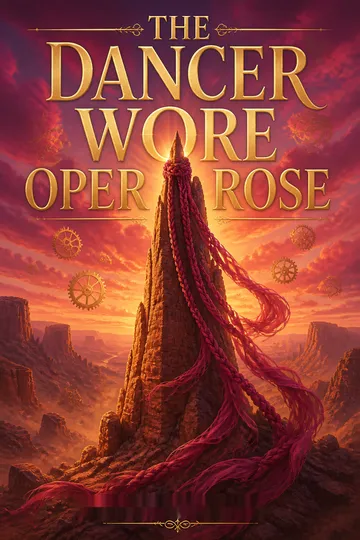
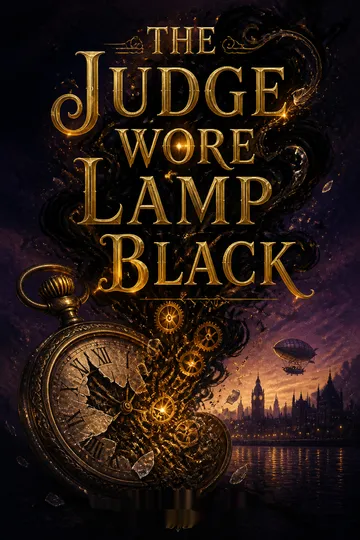
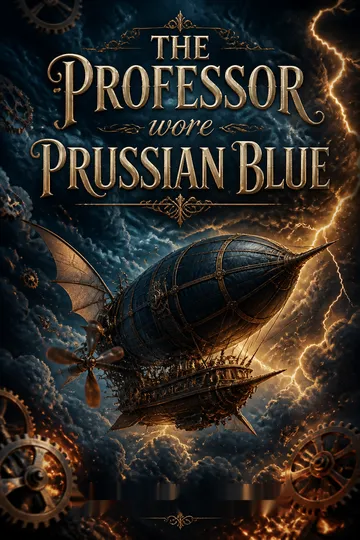
Magnificent Devices Series



About the Author
Download PDF
Download EPUB
.epub digital book format is ideal for reading ebooks on phones, tablets, and e-readers.








































