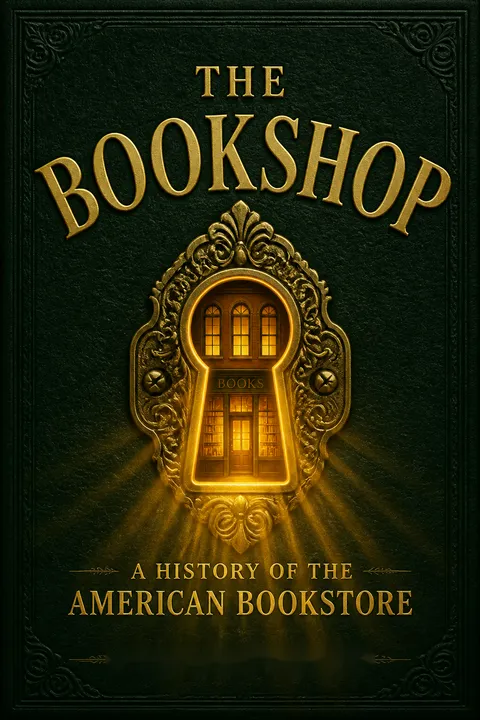

Key Takeaways
1. Bookstores: Enduring Sanctuaries of Community and Culture
Pulitzer Prize–winning novelist Michael Cunningham called Three Lives “a sanctuary” and “the most reliable place to go when I need to remember why novels are still worth the trouble they take to write.”
More than stores. Bookstores, particularly independent ones like New York City's Three Lives & Company, transcend mere retail. They function as vital "third spaces"—neither home nor work—fostering intellectual, social, and cultural exchange. These establishments cultivate existing communities and nurture new ones, offering a unique blend of charm, personality, and soul that online behemoths cannot replicate.
Human connection. The essence of these spaces lies in human interaction and serendipitous discovery. At Three Lives, customers are "friends of the shop," often stopping by daily to linger, discuss books, and share life updates, sometimes without even making a purchase. This deep attachment is evident when customers send cards to the "shop" rather than individuals, highlighting the bookstore's role as a beloved, almost living, entity within the community.
Sensory experience. The physical environment of a bookstore stimulates the senses, offering warmth, comfort, and refuge. Sociologists note that growing up surrounded by books confers lifelong intellectual benefits. This inherent power, combined with the unique atmosphere—quiet conversations, shuffling feet, the scent of paper—makes entering a bookstore feel akin to walking into an old church, a place where books are imbued with a near-holy spirit.
2. The Dynamic Evolution of Bookselling Models
In fact, the word bookstore didn’t yet exist. The concept of a bookstore—a retail outlet selling primarily books—was still embryonic.
Early multi-hyphenates. American bookselling began with figures like Benjamin Franklin, who blurred the lines between printer, publisher, bookseller, and postmaster. His shop was a bustling hub of printing presses, ink, and paper, where Philadelphians could check mail, buy schoolbooks, religious texts, and his famous almanac. Early booksellers often relied on "sidelines" like sugar, wine, or lottery tickets due to the small market for books.
Rise of the modern store. The 19th century saw the emergence of more specialized bookstores, exemplified by Boston's Old Corner. This literary exchange became a magnet for authors like Emerson and Hawthorne, fostering browsing and conversation. The 20th century introduced department store book sections, like Marshall Field & Company, which acted as early "superstores" with vast selections and elaborate marketing, targeting casual readers and women.
Chains and superstores. The mid-20th century brought the rise of chain bookstores like Waldenbooks and B. Dalton, often located in malls, prioritizing "salesmanship over bookmanship." Barnes & Noble, under Len Riggio, further revolutionized the model with "book-a-terias" and massive superstores, offering discounts, cafés, and a "second home" atmosphere, fundamentally reshaping the public's perception of what a bookstore could be.
3. Independent Bookstores: Resilient Cultural Sanctuaries
That bookstores continue to endure is, in some ways, something of a miracle.
Defying predictions. Despite repeated predictions of their demise—from public libraries and radio to TV, paperbacks, superstores, and Amazon—independent bookstores have consistently found ways to survive. This resilience is often fueled by a passionate belief in their higher purpose, viewing themselves as cultural landmarks where financial profit is secondary to social and intellectual enrichment.
Community anchors. Independents thrive by embedding themselves deeply within their communities, offering a personalized experience that large chains and online retailers cannot replicate. They become "bastions of liberal values," supporting local causes, hosting events, and fostering a sense of belonging. This strong community tie often translates into fierce loyalty from customers, who view supporting indies as a political act.
The "indie revival." While census data shows a long-term decline in the total number of bookstores, a narrative of "indie revival" has gained traction in the 21st century. This resurgence is partly driven by a backlash against Amazon's dominance and a renewed appreciation for local, unique businesses. Figures like Ann Patchett, co-founder of Parnassus Books, champion this narrative, inspiring new booksellers and compelling customers to "save" these cherished spaces.
4. Booksellers as Visionary Curators and Social Catalysts
When you sell a man a book, you don’t sell him just twelve ounces of paper and ink and glue—you sell him a whole new life.
Beyond transactions. Booksellers are more than merchants; they are curators, guides, and often, activists. From James T. Fields, who "tilted the bookstore and its publishing arm toward poetry, fiction, and American writers," to Paul Yamazaki, who refuses to stock many bestsellers, their choices shape literary tastes and influence what readers discover. This role requires a blend of art and science, intuition and deep literary knowledge.
Nurturing talent and challenging norms. Figures like Frances Steloff of Gotham Book Mart actively nurtured avant-garde writers, battling censors and providing a platform for experimental literature. Craig Rodwell's Oscar Wilde Memorial Bookshop served as a crucial information center and hub for the gay rights movement, offering counseling and fostering community. These booksellers understood that their work could "change the course of a life or many lives."
Community builders. Mitchell Kaplan, founder of Books & Books and co-founder of the Miami Book Fair, exemplifies the bookseller as a "convener," creating cultural meeting places where readers become educated and inspired. Even in unexpected locations, like WordPlay in rural West Virginia, booksellers like Marlene England believe in the value of simply having certain books on the shelf, even if they "may never sell," for the sheer power of visibility.
5. The Power of Place: Design, Atmosphere, and Discovery
Entering any bookstore is a sensory experience. We see, we hear, we feel, we smell.
Intentional design. The physical design and atmosphere of a bookstore are crucial to its appeal. Early stores, like Franklin's, were bustling print shops, while the Old Corner offered "a coolness, a quiet, a seclusion" for browsing. Marcella Hahner at Marshall Field's prioritized tables over shelves to "tempt the transient customer," believing books were "not just merchandise like shirts and shoestrings."
Unique aesthetics. From Frank Lloyd Wright's "unusual" Browne's Bookstore to the vibrant, artistic Sunwise Turn with its purple sofas and orange walls, design choices reflect a store's identity. Gotham Book Mart's garden oasis and the Strand's "maze of book aisles" invite lingering and discovery. Modern stores like Books Are Magic even feature "Instagram Walls," blending physical space with digital marketing.
Serendipitous encounters. The layout and ambiance encourage "book-tasting" and serendipitous discovery, a phenomenon twice as common in brick-and-mortar stores than online. Whether it's the "bibliosmia" of old books, the quiet hum of conversation, or the presence of a bookstore cat, these elements create an immersive experience that fosters a deeper connection between reader and book, making the physical space itself a powerful draw.
6. Battles for Survival: Navigating Competition and Censorship
The fear that the book business is imperiled—near death, even—has always been an industry staple.
Constant competition. Booksellers have always faced intense competition. In the 19th century, public libraries were seen as a threat. The 20th century brought department stores, then chain superstores like Barnes & Noble and Borders, which wielded immense buying power and offered deep discounts. Today, Amazon.com represents the "eight-hundred-pound gorilla," dominating sales and forcing traditional stores to constantly adapt.
Censorship and political pressure. Beyond commercial threats, bookstores have often been battlegrounds for free expression. Frances Steloff's Gotham Book Mart repeatedly fought obscenity charges for selling works by Joyce and Gide. Radical bookstores, whether Communist Workers' Bookshops or the Nazi Aryan Book Store, faced FBI surveillance, raids, and accusations of sedition, highlighting how bookselling can be deeply intertwined with political ideologies and societal anxieties.
Economic headwinds. Rising rents, low profit margins, and changing consumer habits (e.g., less cash, more online shopping) have consistently challenged bookstores. The COVID-19 pandemic further exacerbated these issues, forcing many to close or rapidly pivot to online sales. Despite these challenges, the industry continues to innovate, with some advocating for legislative protections like fixed book prices, as seen in France.
7. The Digital Shift: Adapting to New Realities
In 1969, Fred Bass anticipated that books would one day become electronic: “You’ll have a telephone with a screen and you’ll be able to dial a book.”
The rise of ebooks and online retail. The late 20th and early 21st centuries brought a seismic shift with the advent of the internet, ebooks, and online retailers like Amazon.com. Amazon's Kindle, launched in 2007, threatened to make physical bookstores obsolete, with Jeff Bezos aiming to "put everyone selling physical books out of a job." This era saw a dramatic decline in independent bookstores and a struggle for chains like Barnes & Noble to compete.
Brick-and-mortar experiments. Ironically, Amazon itself ventured into physical retail with "Amazon Books" outlets, attempting to leverage data-driven curation and device sales. However, these "soulless" stores, which prioritized algorithms over human booksellers, ultimately failed, demonstrating the unique challenges of physical bookselling even for a tech giant. This closure was a small victory for traditional booksellers.
Hybrid models and digital tools. Independent bookstores, once resistant to technology, have embraced online platforms like Bookshop.org and developed robust e-commerce capabilities, especially during the pandemic. This adaptation has blurred the lines between online and in-person sales, allowing stores to reach wider audiences while still emphasizing their community-focused mission. The future of bookselling increasingly involves a hybrid approach, integrating digital convenience with the irreplaceable charm of physical spaces.
8. Beyond Commerce: Bookstores as Agents of Change
Bookstores influence our tastes, our thoughts, and our politics. They also offer serendipity.
Shaping public discourse. From Benjamin Franklin's role in disseminating revolutionary ideas to the radical bookstores of the 20th century, these spaces have always been instrumental in shaping public opinion and fostering social movements. They provide platforms for diverse voices, challenge established norms, and offer literature that can "radicalize colonists" or "educate monks."
Catalysts for identity and activism. Pioneering stores like Oscar Wilde Memorial Bookshop and Drum & Spear were more than just places to buy books; they were vital centers for identity formation, political organizing, and community building for marginalized groups. They offered safe spaces, counseling, and a sense of belonging, actively campaigning for civil rights and challenging societal prejudices.
Enduring cultural significance. Even in an age of digital saturation, bookstores retain a powerful, almost magical, allure. They are romanticized in literature and film, seen as places of discovery, wonder, and refuge. This cultural reverence, combined with the dedication of booksellers who prioritize mission over profit, ensures their continued relevance as essential institutions that not only sell books but also "shape the world around them."
People Also Read






Download PDF
Download EPUB
.epub digital book format is ideal for reading ebooks on phones, tablets, and e-readers.








































