
Plot Summary
Death on the Shore
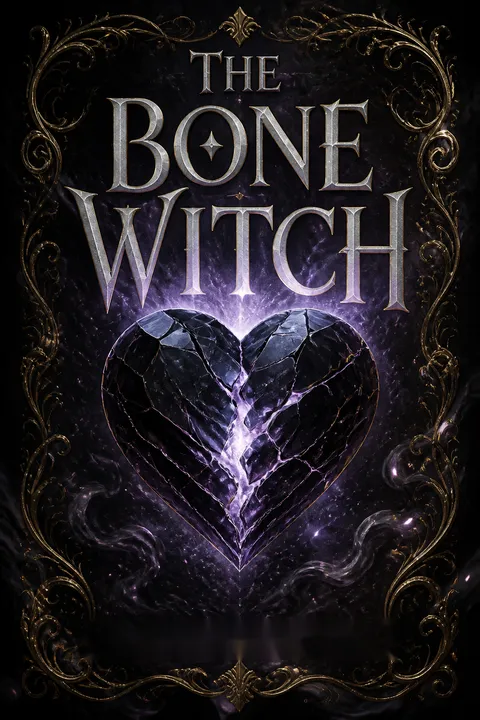
On a desolate, bone-littered beach, a young woman—Tea—faces down a monstrous daeva, an akvan, and with a word, compels it to die. Her power is raw, her heartsglass black, and her presence both awe-inspiring and terrifying. A wandering Bard, seeking stories, witnesses her necromantic might and pleads for her tale. Tea, exiled and feared, agrees to share her story for seven days. The Bard senses the weight of her youth and the ancient grief in her eyes, and the stage is set for a confession of power, loss, and the cost of wielding death.
The Bone Witch's Awakening
In her childhood village, Tea is ordinary until her beloved brother Fox is killed by a daeva. At his funeral, Tea's grief and instinctive magic raise Fox from the grave, revealing her as a bone witch—a wielder of death magic, feared and reviled. The act nearly kills her, and the villagers recoil in horror. Lady Mykaela, a legendary bone witch, arrives to save Tea and offers her a choice: train as an asha, or risk being hunted by the Faceless, servants of the False Prince. Tea, bound by love and guilt, chooses exile and apprenticeship, setting her on a path of power and peril.
Exile and Discovery
Tea, Fox, and Mykaela journey from their village, encountering both kindness and suspicion. In Murkwick, they see how bone witches can be revered for their healing, but Tea struggles with her brother's undead state and the guilt of his missing spark. Mykaela teaches Tea about the daeva—monsters cursed to rise again and again—and the necessity of bone witches to keep them in check. Tea's first encounter with a daeva's resurrection is harrowing, revealing the addictive allure and danger of the Dark. The lesson is clear: power without control is deadly, and the world's safety depends on her restraint.
The Price of Power
Tea's journey continues to Kneave, the Odalian capital, where she witnesses the opulence and prejudice of city life. At the palace, she meets King Telemaine and his son, Prince Kance, and learns of the heartforgers—those who manipulate memories and hearts. Tea's own heartsglass is silver, marking her as a spellbinder. She is drawn into the world of asha, where beauty, magic, and politics intertwine. Yet, beneath the glamour, Tea senses the isolation of her kind and the ever-present threat of the Faceless. Her power is both a gift and a curse, and every lesson comes at a cost.
Into the Willows
In Ankyo, capital of Kion, Tea enters House Valerian, an asha-ka led by the formidable Mistress Parmina. Life is grueling: chores, humiliation, and endless lessons in etiquette, dance, and magic. Tea's only solace is Fox, whose presence is both comfort and reminder of her burden. She meets other apprentices, including the talented Shadi and the mischievous Zoya, and learns the hierarchy and politics of the Willows. The asha are both revered and constrained, their power tightly regulated. Tea's training is as much about survival as it is about mastery, and the Willows become both sanctuary and crucible.
Lessons in Magic and Prejudice
Tea's days are filled with lessons—dancing, music, combat, and the language of flowers. She struggles with Mistress Parmina's cruelty and the weight of her own outsider status. The asha world is revealed as one of rigid tradition and subtle rebellion, where power is policed and difference punished. Tea's friendship with Likh, a boy who longs to be an asha, exposes the gendered boundaries of magic. The heartsglass, a symbol of love and power, becomes a source of both connection and vulnerability. Tea's longing for acceptance is matched by her growing sense of purpose—and the knowledge that her magic sets her apart.
The Burden of the Dark
As Tea's training intensifies, she confronts the seductive pull of the Dark. The magic is intoxicating, threatening to consume her if she loses control. Mykaela warns of the fate of bone witches who succumb to darkrot, and Tea witnesses firsthand the toll it takes on her mentor. The resurrection of daeva is both a duty and a danger, and Tea's bond with Fox deepens as she learns the limits of her power. The Willows are a place of beauty and intrigue, but beneath the surface, old wounds fester and new threats gather. Tea's struggle is not just with external enemies, but with the darkness within.
Daeva and Destiny
Tea's encounters with daeva grow more frequent and perilous. She learns of the prophecy that she will change the Eight Kingdoms, for good or ill. The oracle's riddles haunt her, and her dreams are filled with omens of war and betrayal. The resurrection of daeva is revealed as a cycle of violence and sacrifice, and Tea's role as a bone witch becomes ever more central to the fate of the world. The line between savior and destroyer blurs, and Tea is forced to confront the possibility that her power may bring ruin as easily as salvation.
Masks and Heartsglass
The asha world is one of masks—literal and figurative. Tea navigates the complexities of court life, where alliances are forged and broken with a glance. Her feelings for Prince Kance deepen, but are complicated by politics and the ever-present threat of betrayal. The heartsglass, worn around the neck, is both shield and target, a repository of secrets and desires. Tea learns the dangers of giving her heart away, as Mykaela's tragic love story serves as a warning. The power to read and manipulate hearts is both blessing and curse, and Tea must decide whom to trust—and whom to fear.
The Dance of Truth
The darashi oyun, the great asha dance, becomes a battleground of ambition and envy. Tea is drawn into rivalries with other apprentices, especially Zoya, whose machinations nearly destroy her. A disastrous performance at the Falling Leaf teahouse exposes Tea's power and vulnerability, as a seeking stone amplifies her magic and unleashes chaos. The incident cements her reputation as both prodigy and pariah, and the Willows are thrown into turmoil. The dance is revealed as more than art—it is a test of truth, a crucible in which Tea's identity and destiny are forged.
Betrayal in the Willows
As Tea's power grows, so do the dangers around her. The Faceless, servants of the False Prince, infiltrate the Willows, sowing discord and violence. Tea's friendships are tested, and she learns that betrayal can come from those closest to her. The boundaries between asha and Faceless blur, and Tea is forced to confront the reality that her own kind may be complicit in the darkness she fights. The price of power is isolation, and Tea's journey becomes one of self-discovery as much as survival. The Willows, once a place of refuge, become a battleground for the soul of magic itself.
The Faceless Among Us
The search for the Faceless intensifies, and Tea's suspicions fall on those around her. The revelation that Kana, a trusted maid, is in fact Aenah, a leader of the Faceless, shakes the Willows to its core. The battle of wills between Tea and Aenah is fierce, fought as much in the mind as in the flesh. With the help of her sisters and Fox, Tea overcomes Aenah's compulsion and exposes her treachery. The victory is bittersweet, as the cost of trust is revealed to be high. The Willows are forever changed, and Tea's place within them is both secured and threatened.
The Azi's Shadow
The greatest of the daeva, the azi, rises from its slumber, bringing death and destruction to the kingdoms. The Deathseekers, elite warriors, are decimated in their attempts to stop it. Tea, now a full asha, is called upon to face the monster. The battle is both physical and psychic, as Tea enters the dragon's mind and wrestles for control. The struggle is harrowing, and the line between self and monster blurs. In the end, Tea's compassion and willpower allow her to subdue the azi without destroying it, but the victory comes at a terrible cost. The shadow of the dragon lingers, a reminder of the power and peril of the Dark.
The Test of the Asha
Tea's journey culminates in the asha test, a series of challenges designed to prove her worth. She excels in dance, music, and combat, but the final test—a rune she cannot perform—forces her to confront the limits of her power. Her refusal to use compulsion on another is seen as a mark of wisdom, and she is granted the rank of asha. The debut is both celebration and ordeal, as Tea is thrust into the spotlight and burdened with new responsibilities. The world watches, and Tea must navigate the treacherous waters of fame, expectation, and her own conscience.
The Heartforger's Bargain
The Heartforger, master of memories and hearts, becomes both ally and enigma. Tea bargains with him, trading memories for protection and knowledge. The process is intimate and unsettling, as Tea's most private moments are extracted and preserved. The heartsglass, repository of self, is revealed as both weapon and wound. The Heartforger's own story, intertwined with the royal family, serves as a mirror to Tea's struggles. The cost of magic is memory, and the price of survival is the willingness to forget—and to be forgotten.
The Cost of Resurrection
Tea's bond with Fox deepens as she learns the true nature of resurrection. The act of blooding—a ritual that grants Fox greater strength and semblance of life—comes with its own dangers and responsibilities. The dead are not easily controlled, and the line between servant and master is fraught with peril. Tea's power to raise the dead is both a gift and a curse, and the world's fear of bone witches is revealed to be well-founded. The cost of resurrection is not just life, but the soul, and Tea must decide how far she is willing to go to save those she loves.
The Gathering Storm
The kingdoms are on the brink of war, as the Faceless and their daeva armies threaten to engulf the world. Tea's actions have far-reaching consequences, and her reputation as the bone witch grows. The asha elders, fearful of her power, seek to control and contain her, but Tea is determined to forge her own path. The prophecy of the oracle looms large, and Tea's choices will determine the fate of the Eight Kingdoms. The storm gathers, and Tea stands at the center, both weapon and shield, savior and destroyer.
The Dragon's Mind
The final confrontation with the azi is a battle of minds. Tea enters the dragon's consciousness, struggling against both the beast and the Faceless who seek to control it. The fight is brutal, and Tea is nearly lost to the darkness. Through sheer will and the support of her friends, she seizes control, subduing the azi without killing it. The victory is pyrrhic, as Tea is forever changed by the experience. The boundaries between self and other, life and death, are blurred, and Tea emerges both triumphant and haunted.
The Fall of the Deathseekers
The aftermath of the battle is grim. The Deathseekers, once the kingdom's greatest defenders, are decimated. The cost of victory is measured in lives lost and innocence destroyed. Tea is hailed as a hero, but the weight of her actions bears heavily on her. The world is changed, and the old order is shattered. The asha must reckon with their own complicity and the price of their power. Tea's journey is far from over, and the road ahead is fraught with danger and uncertainty.
The Price of Vengeance
Tea's story comes full circle as she stands on the shore, commanding an army of daeva. The desire for vengeance burns within her, fueled by loss and betrayal. The Bard, witness to her tale, is offered a choice: join her, or stand aside. Tea's power is absolute, but her heart is scarred. The line between justice and revenge blurs, and the fate of the kingdoms hangs in the balance. The story ends as it began, with Tea on the threshold of war, her black heartsglass gleaming in the darkness.
The Road to Daanoris
With her daeva at her side and her brother—now her familiar—reborn, Tea sets her sights on Daanoris. The world is changed, and the future is uncertain. The Bard, offered a place in her new order, must decide where his loyalties lie. The story closes with Tea, seventeen and unbroken, leading her monstrous army into the unknown, her heart both weapon and wound, her destiny her own.
Analysis
A meditation on power, otherness, and the cost of survivalThe Bone Witch is a lush, emotionally resonant fantasy that interrogates the boundaries between life and death, self and other, tradition and rebellion. At its heart, the novel is about the price of power—how the gifts that set us apart can also isolate and endanger us. Tea's journey is both personal and political, a coming-of-age story that refuses easy answers. The world of the asha is one of beauty and brutality, where magic is both art and weapon, and where the marginalized must fight for recognition and agency. The novel's exploration of gender, identity, and the ethics of resurrection is both timely and timeless, challenging readers to consider the ways in which society polices difference and punishes those who refuse to conform. Ultimately, The Bone Witch is a story about the courage to claim one's destiny, the necessity of forging one's own path, and the enduring power of love—even, and especially, when it is forbidden.
Review Summary
The Bone Witch receives mixed reviews, with praise for its unique world-building, magic system, and character development. Critics appreciate the geisha-inspired asha concept and the heartglass magic. However, many find the pacing slow, with excessive descriptions and info-dumping. Some readers enjoy the character-driven narrative, while others desire more action. The dual timeline structure intrigues some but confuses others. Tea, the protagonist, garners mixed reactions, with some finding her compelling and others viewing her as a typical "chosen one." The book's ending leaves readers curious about the sequel.
People Also Read



Characters
Tea Pahlavi
Tea is the protagonist, a young girl whose accidental resurrection of her brother reveals her as a bone witch—a wielder of forbidden death magic. Intelligent, fiercely loyal, and burdened by guilt, Tea's journey is one of exile, discovery, and transformation. Her power isolates her, making her both weapon and outcast. Psychoanalytically, Tea is driven by love, grief, and a longing for acceptance, but her growing mastery of the Dark brings both addiction and alienation. Her relationships—with Fox, Mykaela, and her asha sisters—shape her, but ultimately, Tea's arc is about claiming agency in a world that fears her. Her development is marked by increasing resolve, moral ambiguity, and a willingness to challenge the very order that made her.
Fox Pahlavi
Fox is Tea's older brother, killed by a daeva and resurrected by her magic. As a familiar, he is bound to Tea, his existence a constant reminder of the cost of her power. Fox is protective, pragmatic, and quietly humorous, providing emotional grounding for Tea. His own struggle is one of identity—caught between life and death, agency and servitude. The bond between Tea and Fox is deep, both psychic and emotional, and his development mirrors Tea's: from victim to partner, from lost soul to empowered ally. Fox's journey is also a meditation on the nature of love, sacrifice, and what it means to be truly alive.
Lady Mykaela of the Hollows
Mykaela is the legendary bone witch who becomes Tea's mentor. Beautiful, powerful, and deeply wounded, Mykaela's own story is one of love lost and power diminished—her heartsglass given away, her magic fading. She is both guide and warning, embodying the dangers of giving one's heart and the loneliness of the bone witch's path. Mykaela's relationship with Tea is maternal, protective, and fraught with the knowledge that her own fate may be Tea's future. Her psychoanalysis reveals a woman shaped by duty, regret, and a fierce desire to protect her apprentice from repeating her mistakes.
Mistress Parmina
Parmina is the head of House Valerian, Tea's asha-ka. Stern, manipulative, and shrewd, she embodies the harsh realities of asha life—where power is policed, and survival depends on obedience and cunning. Parmina's relationship with Tea is adversarial but ultimately pragmatic; she recognizes Tea's value and exploits it, but also ensures her survival. Psychoanalytically, Parmina is a product of a system that rewards ruthlessness, and her development is one of grudging respect for Tea's resilience and power.
Zoya
Zoya is Tea's chief rival among the apprentices, ambitious and cunning. Her initial antagonism masks deeper insecurities and a longing for recognition. Zoya's arc is one of transformation—from adversary to reluctant ally, and finally, to a complex sister-figure. Her psychoanalysis reveals a young woman shaped by rejection, envy, and the need to prove herself. Her eventual unmasking of her own vulnerabilities parallels Tea's journey, and their relationship becomes a study in the shifting dynamics of power, trust, and forgiveness.
Likh
Likh is a boy who longs to be an asha, challenging the gendered boundaries of magic. Sensitive, artistic, and courageous, Likh's struggle is one of identity and acceptance. His friendship with Tea is a source of mutual support and understanding, and his journey exposes the limitations and prejudices of the asha world. Psychoanalytically, Likh represents the marginalized, those whose gifts are denied by tradition. His development is a testament to resilience, hope, and the transformative power of friendship.
Polaire
Polaire is one of Tea's asha sisters, known for her sharp tongue, humor, and combat prowess. She is both comic relief and emotional anchor, providing support and challenge in equal measure. Polaire's relationship with Tea is one of tough love, and her own backstory reveals a survivor's pragmatism and a deep-seated loyalty. Psychoanalytically, Polaire is a study in the masks we wear to survive, and her development is one of opening up to vulnerability and connection.
Altaecia (Althy)
Altaecia is another of Tea's asha sisters, a master of herbs and medicine. Gentle, wise, and unassuming, Althy's strength lies in her compassion and practical knowledge. She serves as a counterpoint to the more combative asha, embodying the healing side of magic. Her relationship with Tea is maternal and instructive, and her development is one of quiet influence and steadfast support.
Prince Kance
Kance is the Odalian prince, kind, intelligent, and drawn to Tea's strength and vulnerability. His relationship with Tea is fraught with political and emotional complications, serving as both a source of comfort and a reminder of the world's expectations. Psychoanalytically, Kance represents the possibility of acceptance and change, but also the limitations of privilege and tradition. His development is one of growing awareness and empathy, and his connection to Tea is both a promise and a challenge.
Aenah
Aenah is a leader of the Faceless, the primary antagonists, skilled in compulsion and deception. Disguised as Kana, a maid, she infiltrates the Willows and nearly destroys Tea. Aenah's motivations are complex—driven by ideology, ambition, and a sense of betrayal. Her relationship with Tea is adversarial but also mirrors Tea's own struggles with power and identity. Psychoanalytically, Aenah is the shadow self, the embodiment of what Tea might become if consumed by vengeance and the Dark.
Plot Devices
Dual Narrative Structure
The novel employs a dual narrative: Tea's present-day exile, told through her confessions to the Bard, and the unfolding of her past, revealing how she came to command daeva and seek vengeance. This structure creates suspense, foreshadowing Tea's transformation from apprentice to feared bone witch. The Bard's perspective offers an outsider's view, grounding the fantastical in human emotion and curiosity. The interplay between timelines allows for gradual revelation, deepening the reader's understanding of Tea's motivations and the cost of her choices.
Heartsglass and Memory
The heartsglass is a central symbol and plot device, representing the soul, emotions, and the capacity for magic. Its color denotes status and ability, and its exchange is both literal and metaphorical—love, trust, and betrayal are all mediated through the heartsglass. The Heartforger's ability to manipulate memories and hearts adds another layer, making identity and agency mutable. The heartsglass serves as both shield and weapon, a source of strength and a point of vulnerability, driving much of the interpersonal and political conflict.
Resurrection and the Familiar Bond
The act of resurrection is both miracle and curse, binding Tea to Fox and later to other familiars. The familiar bond is psychic, emotional, and fraught with ethical dilemmas—agency, consent, and the nature of the soul are all interrogated. Resurrection is not without cost, and the dangers of overreaching—darkrot, addiction, and loss of self—are ever-present. The bond between Tea and her familiars is both anchor and chain, shaping her journey and the stakes of her choices.
Daeva and the Cycle of Violence
The daeva are both literal monsters and symbols of the world's curses—created by the False Prince, they rise again and again, demanding sacrifice and vigilance. The cycle of resurrection and banishment mirrors the cycles of trauma, vengeance, and the struggle for control. The prophecy of Tea's role in changing the kingdoms is tied to the daeva, and her ability to command them becomes both salvation and threat. The daeva are also mirrors for Tea's own monstrosity, forcing her to confront the darkness within.
Foreshadowing and Prophecy
The narrative is laced with prophecy—Tea's dreams, the oracle's riddles, and the ever-present sense of destiny. Foreshadowing is used to build tension and anticipation, as the reader is made aware of Tea's future actions before understanding their causes. The interplay between fate and free will is central, as Tea struggles to assert agency in a world that seeks to define her by her power and her past.
The Bone Witch Series

About the Author

Download PDF
Download EPUB
.epub digital book format is ideal for reading ebooks on phones, tablets, and e-readers.








































