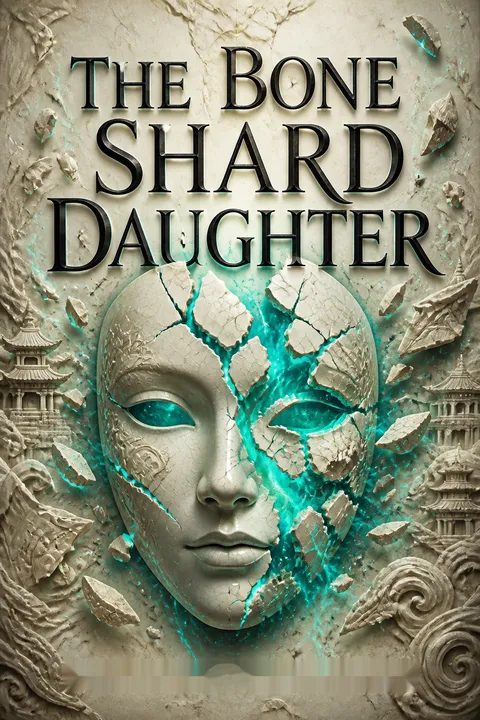

Plot Summary
Broken Daughter, Locked Palace
Lin Sukai, daughter of the Emperor, is haunted by her father's coldness and her own lost memories. Locked in a palace of secrets, she is tested daily by her father, who withholds both affection and the knowledge of bone shard magic that powers the Empire's constructs. Lin's sense of self is fractured; she is desperate to prove her worth, even as she is pitted against her rival, Bayan, the Emperor's foster son. The palace is a labyrinth of locked doors and hidden knowledge, and Lin's every move is watched by constructs and spies. Her longing for connection and identity is palpable, setting the stage for a journey of self-discovery and rebellion.
Sinking Island, Stolen Children
Jovis, a smuggler haunted by the loss of his wife Emahla, is drawn to Deerhead Island by rumors of disappearances. As the annual Tithing Festival approaches, the island is rocked by catastrophic earthquakes and sinks into the sea. Amidst the chaos, Jovis rescues a boy, Alon, from the ritual that steals children's bone shards for the Emperor's magic. Fleeing with the child and a mysterious animal he saves from the waves, Jovis is forced to abandon his cargo and his past, setting sail into a world upended by disaster and imperial cruelty.
Smuggler's Oath, Shifting Tides
Jovis's rescue of Alon draws him into a web of obligations and danger. He delivers the boy to safety, but his actions spark rumors and songs, making him a folk hero and a target for both the Empire and the criminal Ioph Carn. As he is pursued for his debts and his defiance, Jovis discovers that the animal he saved, Mephi, is no ordinary creature—its presence awakens strange powers within him. The world is changing, and Jovis's choices begin to shape the fate of many beyond himself.
Rival Heirs, Secret Keys
Lin's quest for her father's approval becomes a dangerous game as she steals keys and knowledge, racing against Bayan for the right to inherit the Empire. Their rivalry is laced with envy, resentment, and a strange kinship. Lin's thefts bring her into contact with the suffering of the Empire's people, and she is forced to confront the cost of her ambition. The palace's secrets are many, and each key Lin acquires brings her closer to truths that will shatter her understanding of herself and her family.
Lovers Divided, Rebellion Ignites
On Nephilanu Island, Phalue, the governor's daughter, and Ranami, her commoner lover, are torn between personal happiness and political conscience. Ranami's involvement with the Shardless Few, a rebel group fighting imperial oppression, forces Phalue to confront the injustices of her own privilege. Their relationship becomes a microcosm of the Empire's fractures, as love, loyalty, and revolution collide. The seeds of rebellion are sown, and the cost of change becomes heartbreakingly personal.
Forgotten Names, Island Prison
On the remote island of Maila, a woman called Sand lives in a fog of forgotten identity, compelled to perform meaningless tasks. As she begins to question her reality, fragments of memory surface—visions of palaces, power, and loss. Sand's awakening is mirrored by others on the island, and together they begin to unravel the mystery of their imprisonment. The island is both a sanctuary and a cage, and the truth of who they are—and who made them—will have consequences for the entire Empire.
Beast in the Waves
Mephi, the strange animal rescued by Jovis, grows rapidly and displays intelligence and powers beyond any ordinary beast. As Jovis and Mephi bond, their connection deepens, granting Jovis superhuman strength and abilities. Mephi's presence is both a blessing and a burden, drawing the attention of those who would use or destroy them. The bond between man and beast becomes a symbol of hope, change, and the unknown magic stirring in the world.
Bone Shards and Betrayal
Lin's relentless pursuit of keys and bone shard knowledge brings her into dangerous territory. She forges alliances with commoners, makes promises she cannot keep, and risks the lives of those who help her. The cost of her ambition becomes clear when her actions lead to the deaths of innocents, and she is forced to confront the moral weight of her choices. The palace's secrets are deadly, and betrayal lurks in every shadow.
The Emperor's Test
The Emperor's tests grow harsher as Lin's knowledge and power increase. He pits her against Bayan, manipulates her emotions, and withholds the final secrets of bone shard magic. Lin's desperation to prove herself leads her to dangerous experiments and the edge of madness. The Emperor's love is conditional, and Lin must decide whether to become the heir he demands or forge her own path.
The Shardless Few's Gambit
The Shardless Few, led by Gio and aided by Ranami and Phalue, launch a daring coup against the governor of Nephilanu. Jovis, drawn in by promises and guilt, becomes an unwilling hero in their cause. The rebellion is messy, violent, and fraught with betrayal. As the old order falls, new leaders must decide what kind of world they will build—and what they are willing to sacrifice for freedom.
Fog of Memory, Edge of Truth
On Maila, Sand and her companions discover they are constructs—artificial beings created by the Emperor, their memories and wills suppressed by bone shard magic. As the Emperor's death reverberates through the magic that binds them, the fog lifts, and they seize control of their fate. Led by Sand—now Nisong—they plan to escape the island and seek vengeance on their creator, forming the beginnings of a new, unpredictable force in the world.
The Price of Power
Lin's mastery of bone shard magic allows her to seize control of the Emperor's constructs and challenge her father. But each victory is tainted by loss—of friends, of innocence, of self. The truth of her origins is revealed: she is not the Emperor's daughter, but a construct herself, made in the image of his dead wife. The price of power is the loss of everything she thought she was.
Unraveling the Past
As Lin explores the palace's deepest secrets, she uncovers the Emperor's experiments, the memory machine, and the suffering of countless innocents. The constructs that powered the Empire are revealed to be built on stolen lives and broken promises. Lin must decide whether to perpetuate her father's legacy or break the cycle of cruelty and secrecy.
The Memory Machine
The Emperor's memory machine, designed to implant memories and create perfect heirs, is both a tool of hope and a weapon of control. Lin and Bayan's true natures are laid bare—they are constructs, their memories and personalities shaped by the Emperor's will. The line between human and construct blurs, and the question of what makes a person real becomes central to the struggle for the Empire's future.
The Emperor's Greatest Creation
In a final confrontation, Lin faces the Emperor, her creator and tormentor. With the help of Bayan and the constructs she has freed, she challenges his power and his vision for the Empire. The battle is brutal and costly, claiming the lives of allies and leaving Lin wounded but victorious. The old Emperor is dead, but the scars of his rule remain.
The Fall of the Old Order
With the Emperor dead and the constructs freed, the Empire teeters on the brink of chaos. Lin claims the throne, but her legitimacy is uncertain, and the threats from within and without are many. The Shardless Few, the escaped constructs, and the mysterious beasts like Mephi and Thrana all represent new forces in a world no longer bound by the old rules. The future is uncertain, but hope flickers in the darkness.
The New Emperor Rises
Lin, wounded but unbroken, takes the throne as Emperor, determined to build a better world. Jovis, now Captain of the Imperial Guard, stands at her side, his own grief transformed into purpose. Together, with their extraordinary companions, they face the daunting task of remaking the Empire—ending the Tithing, healing old wounds, and confronting the return of ancient powers. The story ends with the promise of change, the weight of memory, and the hope that even those made from broken shards can become whole.
Analysis
Andrea Stewart's The Bone Shard Daughter is a masterful exploration of power, identity, and the cost of empire, set in a world where magic is both wondrous and horrifying. At its heart, the novel interrogates what it means to be real—whether personhood is defined by memory, will, or the capacity for love and change. The bone shard magic, with its literal extraction of life for the sake of control, is a potent metaphor for the ways in which systems of power consume and discard the vulnerable. The novel's multiple perspectives allow for a nuanced portrayal of rebellion, complicity, and the longing for connection. Lin's journey—from broken daughter to self-made Emperor, from pawn to agent—mirrors the larger transformation of the Empire itself. The story refuses easy answers: every victory is tainted by loss, every act of creation shadowed by the possibility of destruction. In a modern context, the book resonates as a meditation on the dangers of authoritarianism, the necessity of questioning inherited narratives, and the hope that even those made from broken shards can become whole. The ending, with its promise of change and the awakening of new powers, invites readers to imagine a world where the cycle of oppression can finally be broken—not by perfect heroes, but by those who dare to choose their own story.
Review Summary
The Bone Shard Daughter received mostly positive reviews, praised for its unique magic system, intriguing world-building, and complex characters. Readers appreciated the multiple POV storytelling, engaging plot twists, and the exploration of themes like power, identity, and revolution. The book's pacing was noted as slow at first but building to an exciting climax. Some critics found certain storylines less compelling or predictable. Overall, it was considered a strong debut that left readers eager for the sequel.
People Also Read
Characters
Lin Sukai
Lin is the Emperor's daughter—or so she believes. Haunted by lost memories and her father's coldness, Lin is driven by a desperate need for approval and belonging. Her intelligence and determination push her to steal keys, learn forbidden magic, and challenge the Empire's cruel traditions. As she unravels the palace's secrets, Lin discovers she is not truly her father's daughter, but a construct made in the image of his dead wife. This revelation shatters her sense of self, but also frees her to choose her own path. Lin's journey is one of self-discovery, moral awakening, and the painful forging of a new identity from the shards of the past.
Jovis
Jovis is a man running from grief, guilt, and the Empire's reach. His search for his missing wife, Emahla, drives him into the heart of imperial cruelty and rebellion. Jovis's compassion and sense of justice are at odds with his desire for self-preservation, leading him to rescue children from the Tithing and become a folk hero. His bond with Mephi, a magical beast, awakens powers within him and forces him to confront his own capacity for change. Jovis's arc is one of reluctant transformation—from fugitive to leader, from broken lover to a man with purpose beyond himself.
Mephi
Mephi is an enigmatic creature rescued by Jovis from the sinking of Deerhead Island. Intelligent, playful, and rapidly growing, Mephi forms a deep bond with Jovis, granting him superhuman abilities. Mephi's origins are tied to ancient, possibly Alanga magic, and his presence signals the return of powers long thought lost. As both companion and symbol, Mephi represents hope, transformation, and the unpredictable forces reshaping the world.
Bayan
Bayan is the Emperor's foster son and Lin's chief rival for the throne. Ambitious, clever, and deeply insecure, Bayan is both competitor and mirror to Lin. His own journey is marked by the revelation that he, too, is a construct—an earlier experiment in the Emperor's quest for immortality and control. Bayan's fate is tragic, as he is destroyed by the very system that created him, but his brief alliance with Lin offers a glimpse of what might have been.
Phalue
Phalue is the daughter of Nephilanu's governor, raised in luxury but drawn to justice by her love for Ranami. Her journey is one of awakening—confronting her own complicity in oppression, learning to listen, and ultimately choosing to side with the people against her own father. Phalue's struggle to reconcile love, duty, and conscience is both personal and political, making her a key figure in the Empire's transformation.
Ranami
Ranami is a commoner, bookseller, and member of the Shardless Few. Her love for Phalue is tested by their differing backgrounds and beliefs, but her commitment to justice never wavers. Ranami is a catalyst for change, pushing Phalue and others to see the world's injustices and to act. Her arc is one of sacrifice, resilience, and the hope that love and revolution can coexist.
Gio
Gio is the enigmatic leader of the Shardless Few, a man marked by loss and driven by a vision of a freer world. His charisma and ruthlessness make him both inspiring and dangerous. Gio's past is shrouded in mystery, and his willingness to use any means necessary—including assassination and manipulation—raises questions about the cost of revolution. He embodies the complexities of leadership and the moral ambiguities of rebellion.
Sand / Nisong
Sand, later revealed as Nisong, is a woman trapped on Maila with no memory of her past. As she and others awaken to the truth that they are constructs, Nisong emerges as a leader, determined to escape and seek vengeance on their creator. Her arc is one of self-discovery, rage, and the forging of a new identity from the fragments of memory and magic. Nisong's journey is a dark mirror to Lin's, raising questions about agency, personhood, and the consequences of creation.
The Emperor (Shiyen Sukai)
The Emperor is a man consumed by fear, grief, and the desire for control. His mastery of bone shard magic has built an empire, but at the cost of countless lives and his own humanity. Shiyen's experiments—creating constructs, seeking immortality, and trying to resurrect his wife—are acts of both love and monstrous hubris. His relationship with Lin is a study in manipulation, disappointment, and the tragic limits of power. His death marks the end of an era and the beginning of a new, uncertain world.
Thrana
Thrana is a magical creature like Mephi, discovered by Lin in the Emperor's laboratory. Wounded and abused, Thrana's rescue and healing become a metaphor for the possibility of redemption and change. As Lin's companion, Thrana represents the new bonds and new magic that will shape the Empire's future.
Plot Devices
Bone Shard Magic
The Empire's unique magic system is built on the extraction of bone shards from its citizens, which are then inscribed with commands and used to animate constructs. This system is both a literal and metaphorical foundation for the Empire's power—every construct, every act of control, is paid for with the life force of the people. The magic is intricate, requiring knowledge, precision, and a willingness to sacrifice others. It is also inherently unstable, as the commands can be subverted, overwritten, or cause constructs to break down. The bone shard magic is a powerful symbol of the costs of empire, the dangers of unchecked authority, and the possibility of rebellion from within.
Multiple Interwoven Narratives
The novel employs a multi-POV structure, following Lin, Jovis, Phalue, Ranami, Sand/Nisong, and others. Each narrative thread explores a different facet of the Empire—its ruling class, its rebels, its victims, and its forgotten creations. The interweaving of these stories allows for rich thematic exploration and foreshadowing, as events in one thread echo and influence those in another. The structure also builds suspense, as the reader pieces together the true nature of the Empire and the connections between characters.
Memory, Identity, and the Self
The manipulation of memory—through trauma, magic, and the Emperor's memory machine—is a recurring motif. Characters struggle to define themselves in the absence of true memories, or in the face of implanted ones. The question of what makes a person real—memory, will, love, suffering—drives the arcs of Lin, Bayan, and Sand/Nisong. The fog of memory is both a prison and, when lifted, a source of liberation and rage.
Foreshadowing and Symbolism
The novel is rich in foreshadowing: the open and closed eyes of the Alanga mural, the recurring presence of keys and locked doors, the motif of broken and mended things. The beasts Mephi and Thrana symbolize the return of ancient magic and the possibility of change. The sinking of Deerhead Island foreshadows the collapse of the old order and the unleashing of forces beyond the Emperor's control.
Revolution and the Cycle of Power
The rise of the Shardless Few, the awakening of the constructs, and the fall of the Emperor all serve to question the nature of power and the possibility of true change. The novel explores the dangers of replacing one tyranny with another, the seductions of authority, and the need for new stories and new ways of being. The ending is both triumphant and uncertain, as the characters step into a world remade but still haunted by the past.
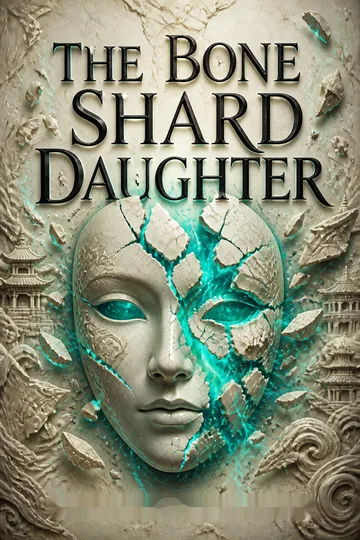
The Drowning Empire Series
About the Author
Other books by Andrea Stewart
Download PDF
Download EPUB
.epub digital book format is ideal for reading ebooks on phones, tablets, and e-readers.








































