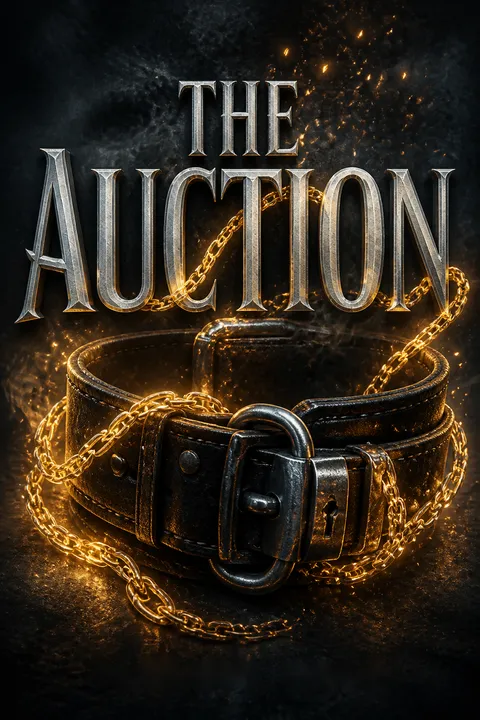

Plot Summary
Forbidden Glances, Unspoken Desires
Riggs Madden, a self-made billionaire with a dark past, is captivated by Blakely, the much younger daughter of his business partner, Hugh. At a party, their mutual attraction is undeniable, but Riggs's loyalty to Hugh and his own rules about age and control keep him distant. Blakely, newly twenty-one and yearning for more than her privileged but suffocating life, senses the tension but is equally aware of the boundaries. Their brief, charged encounter is interrupted, leaving both haunted by what could be. Riggs flees to his secret world at Club Indulgence, determined to suppress his desire, while Blakely's longing for freedom and meaning grows, setting the stage for a collision between desire, loyalty, and the need to break free.
Breaking Free, New Identity
Seven years later, Blakely has reinvented herself as Blakely Fox, singing in dive bars and working at a strip club to survive. Her relationship with her parents is severed after she refuses to become the obedient socialite they demand. When her father's men try to drag her home, she escapes, living under a new name and forging a life on her own terms. Despite the hardships, she finds authenticity and a sense of belonging among the outcasts of L.A. But the past is never far behind—her father's reach is long, and the city is full of eyes. Blakely's resilience is tested as she balances dreams of music with the constant threat of being found, her independence hard-won but always precarious.
Shadows in the Boardroom
Riggs's business empire, built with Hugh, is threatened when he discovers massive embezzlement. The betrayal cuts deep, not just financially but personally—Hugh, his mentor and partner, has been siphoning millions. Riggs's streetwise instincts kick in; he hires a hacker from his old neighborhood to trace the money and vows to destroy Hugh, not through the law, but by taking everything he loves. The lines between business and vengeance blur as Riggs's need for control and retribution grows. His plan is ruthless: dismantle Hugh's life piece by piece, using every tool at his disposal, even if it means crossing moral lines and risking everything he's built.
Hunted by the Past
Blakely's fragile safety shatters when two men—her father's enforcers—track her down at work. Their presence is a chilling reminder that she can never truly escape her family's shadow. After a harrowing attempted abduction, Blakely flees blindly into the night, desperate for sanctuary. Her flight leads her to Club Indulgence, a secretive world of dominance and submission, where she stumbles into an auction she doesn't understand. With nowhere else to turn, she allows herself to be swept up in the club's rituals, hoping anonymity and the club's rules will shield her from her father's reach, unaware that fate is about to reunite her with the man she's never forgotten.
The Auction's Unintended Prize
At Club Indulgence's charity auction, Blakely, desperate and unprepared, is mistaken for a willing participant. Riggs, seeking distraction from his vendetta, is stunned to see her on stage. The years have changed her, but the pull between them is stronger than ever. He outbids all others, securing a year-long contract for her submission, under the guise of charity. For Blakely, it's a calculated risk—better the devil she knows than the dangers outside. For Riggs, it's the perfect storm: a chance to possess the woman he's always wanted and a weapon to use against Hugh. Neither realizes how deeply this arrangement will entangle their hearts and fates.
A Dangerous Contract Signed
Blakely, still ignorant of the club's true nature, signs Riggs's contract, agreeing to a year of absolute submission in exchange for safety and the freedom to pursue her music. Riggs lays out the rules: obedience, trust, and total control. The contract is explicit, covering everything from sexual acts to daily routines, with punishments for defiance and rewards for submission. Blakely is both terrified and exhilarated, drawn to Riggs's dominance but wary of losing herself. Their first nights together are a battle of wills—her independence clashing with his need for control. Yet, beneath the surface, vulnerability and longing simmer, hinting at a connection neither can deny.
Submission and Defiance
Riggs begins Blakely's training, enforcing the rules with a mix of discipline and care. Blakely resists, her spirit unbroken, but finds herself aroused by the very control she claims to hate. Their dynamic is electric—each punishment and reward deepening their bond. Riggs is surprised by his own feelings; Blakely is unlike any sub he's had, her defiance both a challenge and a temptation. As she learns the rituals of submission, Blakely discovers unexpected pleasure in surrender, but also demands exclusivity—no other women, no divided attention. Riggs, for the first time, contemplates true monogamy, even as he struggles to keep his emotions in check.
Lessons in Control
Both haunted by childhood trauma—Riggs by poverty and violence, Blakely by neglect and manipulation—their relationship becomes a crucible for healing and pain. Riggs's need for dominance is rooted in a lifetime of chaos, while Blakely's resistance is fueled by years of being controlled. Through rituals of restraint, punishment, and reward, they confront their deepest fears and desires. The club's rules force honesty and vulnerability, but also expose old wounds. As Riggs pushes Blakely to her limits, he's forced to confront his own: the fear of losing control, the terror of intimacy, and the possibility that love might demand surrender from them both.
The Edge of Trust
When Riggs brings in Aria, a former sub, to help train Blakely for the club's public test, jealousy and insecurity flare. Blakely's possessiveness is matched only by her fear of being replaced. The club's demands are relentless: Blakely must prove her submission before an audience, or be taken from Riggs and placed with another Dom. The pressure exposes cracks in their relationship, as old patterns of mistrust and self-sabotage resurface. Yet, through pain and confrontation, they begin to articulate what they truly want—not just power or safety, but acceptance and belonging. The looming test becomes a crucible for their love and loyalty.
Collars, Chains, and Confessions
In the club's most private room, Riggs pushes Blakely to her breaking point, demanding total honesty. Through tears and pain, she confesses her deepest truth: she wants his love, not just his dominance. Riggs, shaken, realizes he's been using control to shield himself from vulnerability. Their physical union becomes a moment of emotional nakedness, as both admit the wounds that drive them. The club's test, once a threat, becomes a rite of passage—Blakely's submission is no longer just obedience, but a choice to trust and be seen. Riggs, in turn, begins to understand that true power lies in mutual surrender.
The Price of Revenge
As Riggs's hacker drains Hugh's accounts and orchestrates public humiliation, the cost of revenge becomes clear. Hugh's world collapses—his fortune gone, his reputation in ruins, his family shattered. But Riggs's triumph is hollow; the satisfaction of vengeance is tainted by the pain it causes Blakely. When she learns the truth—that Riggs used her as a weapon against her father, sending intimate footage to torment Hugh—her trust is shattered. The line between protector and manipulator blurs, and the love they've built teeters on the edge of destruction. Riggs must confront the darkness within himself and decide what matters more: victory or redemption.
Secrets, Lies, and Leverage
Blakely's discovery of Riggs's betrayal is devastating. The man she trusted with her body and heart has weaponized her vulnerability. Their confrontation is raw and painful—Blakely demands answers, Riggs pleads for understanding, but the damage is done. She leaves, seeking refuge with her agent, while Riggs spirals into guilt and desperation. The web of secrets—financial, emotional, sexual—ensnares them both. As Hugh's downfall becomes public, Blakely must reckon with her own complicity and the cost of loving a man who lives by his own ruthless code. Both are forced to ask: can love survive betrayal, or is some damage irreparable?
The Club's Ultimate Test
Separated and broken, Riggs and Blakely are haunted by what they've lost. The club, once a place of danger and excitement, now represents the crossroads of their relationship. Blakely, torn between anger and longing, revisits the rituals of submission, seeking clarity. Riggs, stripped of his power and certainty, confronts his own need for forgiveness and change. Their reunion, if it comes, will demand more than obedience or dominance—it will require humility, honesty, and the willingness to build something new from the ashes of their old selves. The test is no longer about the club's approval, but about their own capacity for growth and grace.
Love or Obedience
As they navigate the aftermath, Riggs and Blakely must decide what kind of partnership they want. The old contract—based on power, secrecy, and control—no longer suffices. Through painful conversations and tentative steps, they begin to negotiate new terms: mutual respect, transparency, and the freedom to choose each other every day. The journey is fraught with setbacks and doubts, but also moments of tenderness and hope. Blakely's music becomes a vehicle for healing, her songs chronicling their journey from pain to possibility. Riggs, for the first time, allows himself to be vulnerable, risking everything for the chance at real intimacy.
The Taste of Power
Blakely's career takes off, her single climbing the charts and her name becoming known. The spotlight brings new challenges: temptation, scrutiny, and the risk of losing herself in fame. Riggs, too, is tested—his instincts for control and dominance are both a source of strength and a potential downfall. As they navigate the demands of public life, the lessons of the club and their contract are put to the test. Can they maintain their connection amid external pressures? Or will the taste of power—sexual, professional, emotional—pull them back into old patterns of secrecy and self-destruction?
Betrayal in the Blood
Hugh's final collapse is both a victory and a tragedy. Blakely, witnessing her father's ruin, is forced to confront the legacy of betrayal that runs through her family. Her mother's addiction, her father's manipulation, and her own choices all come to a head. Riggs, having achieved his revenge, must reckon with the emptiness it brings. Together, they face the question of what it means to build a family—not one based on blood or obligation, but on trust, forgiveness, and shared purpose. The past cannot be erased, but it can be transformed, if they are willing to let go and begin anew.
The Unraveling
The aftermath of betrayal leaves both Riggs and Blakely adrift. Their marriage, once a source of strength, is now a battleground of pain and regret. Blakely's music becomes a lifeline, her songs capturing the ache of loss and the flicker of hope. Riggs, haunted by nightmares and guilt, struggles to find his way back to her. The world they built together is fragile, threatened by old wounds and new fears. Yet, in the darkness, the possibility of reconciliation glimmers—a reminder that even the most broken hearts can heal, if given time and care.
A Marriage of Shadows
Slowly, Riggs and Blakely begin to rebuild. Their reunion is tentative, marked by apologies, boundaries, and the willingness to start over. The rituals of dominance and submission remain, but are now infused with mutual respect and choice. Their marriage, once a contract of power, becomes a partnership of equals—each learning to give and receive, to lead and follow. The scars of the past remain, but no longer define them. Together, they create a new narrative: one of resilience, passion, and the courage to love without reservation.
The Final Play
Riggs's final move against Hugh is both ruthless and redemptive. He takes everything—money, reputation, power—but finds that true satisfaction lies not in destruction, but in the life he's built with Blakely. The need for revenge fades, replaced by a deeper desire for peace and connection. Blakely, too, lets go of old grievances, choosing to focus on the future rather than the wounds of the past. Their journey is not without pain, but it is marked by growth, forgiveness, and the willingness to risk everything for love.
Broken, Yet Unbreakable
In the end, Riggs and Blakely emerge stronger for all they've endured. Their love, tested by betrayal, loss, and the shadows of their histories, proves unbreakable. They embrace a future built on honesty, vulnerability, and the freedom to choose each other anew. Blakely's music flourishes, Riggs finds peace in letting go of control, and together they create a life that honors both their darkness and their light. The past is not forgotten, but it no longer holds them captive. Their story is one of transformation—a testament to the power of love to heal, redeem, and set them free.
Analysis
Maggie Cole's The Auction is a dark, emotionally charged exploration of power, trauma, and the redemptive potential of love. At its core, the novel interrogates the boundaries between control and care, dominance and vulnerability, revenge and forgiveness. Through the lens of a high-stakes BDSM relationship, Cole examines how past wounds shape present desires, and how true intimacy requires both surrender and strength. The story's use of contracts, rituals, and public tests reflects the universal human need for structure and meaning, even—or especially—in the face of chaos. The characters' journeys are marked by pain, betrayal, and loss, but also by resilience, growth, and the courage to choose love over fear. Ultimately, The Auction suggests that healing is possible, not through the erasure of the past, but through the willingness to confront it, learn from it, and build something new. The novel's blend of eroticism, suspense, and psychological depth makes it both a gripping romance and a meditation on the complexities of trust, agency, and transformation in the modern world.
Review Summary
The Auction by Maggie Cole receives mixed reviews (4/5 stars overall). Readers praise the intense chemistry, fast pacing, and steamy BDSM content, with many calling it addictive and compelling. However, criticisms include problematic body-shaming language, poor BDSM representation with an unsafe Dom who disregards boundaries, excessive time jumps that skip character development, and the hero's inconsistent behavior. Several reviewers DNF'd due to fatphobic phrases or inappropriate portrayal of consent and dominance. The cliffhanger ending left many eager for book two despite frustrations with the characters' emotional whiplash.
People Also Read



Characters
Riggs Madden
Riggs is a self-made billionaire who clawed his way out of poverty and violence, carrying deep scars from a childhood marked by neglect and abuse. His need for control, both in business and relationships, is a shield against chaos and vulnerability. As a Dom at Club Indulgence, he thrives on power dynamics, but beneath the surface lies a longing for connection and acceptance. Riggs's loyalty to Hugh, his mentor-turned-partner, is both a strength and a weakness, blinding him to betrayal until it's too late. His relationship with Blakely is transformative—she challenges his rules, awakens his capacity for love, and forces him to confront the darkness within. Over the course of the story, Riggs evolves from a man driven by vengeance and fear to one capable of humility, forgiveness, and genuine intimacy.
Blakely Fox (Blakely Gallow)
Blakely is the daughter of privilege, but her life is anything but easy. Stifled by her parents' expectations and haunted by emotional neglect, she escapes to forge her own path as a singer and survivor in L.A.'s underbelly. Her independence is hard-won, but she remains vulnerable—yearning for love, validation, and a sense of home. Blakely's journey is one of self-discovery: from defiant runaway to willing submissive, from victim to empowered partner. Her relationship with Riggs is both a crucible and a sanctuary, forcing her to confront her fears and desires. Through pain, pleasure, and betrayal, Blakely learns to trust herself, demand respect, and ultimately choose love on her own terms.
Hugh Gallow
Hugh is the archetype of the charming patriarch—wealthy, influential, and obsessed with appearances. His mentorship of Riggs is genuine, but always transactional; loyalty is a currency, not a virtue. Hugh's need for control extends to his daughter, whom he sees as an asset rather than a person. His embezzlement and betrayal of Riggs are driven by greed and entitlement, but also by a deep-seated insecurity. As his world unravels, Hugh's true nature is revealed: petty, vindictive, and incapable of genuine love. His downfall is both tragic and deserved, a cautionary tale about the corrosive power of unchecked ambition.
Madelyn Gallow
Madelyn is Blakely's mother, a woman trapped by her own demons and the expectations of high society. Her addiction to alcohol and pills is both a symptom and a cause of her emotional absence. Madelyn's relationship with Blakely is fraught—she oscillates between superficial concern and outright neglect, unable to offer the support her daughter craves. Her marriage to Hugh is toxic, marked by mutual resentment and betrayal. Madelyn's decline mirrors the family's collapse, serving as a stark reminder of the cost of denial and avoidance.
Aria
Aria is a former sub of Riggs, brought in to help train Blakely for the club's test. Her presence stirs jealousy and insecurity, but also offers a glimpse of what submission can mean when rooted in trust and self-awareness. Aria's own struggles—with love, identity, and the need for dominance—reflect Blakely's journey. She serves as both a guide and a warning, demonstrating the importance of knowing one's limits and desires. Aria's vulnerability and honesty help Blakely navigate the complexities of the lifestyle and her relationship with Riggs.
Jones
Jones is Riggs's childhood friend and hacker, instrumental in the takedown of Hugh. His skills are matched by his pragmatism—he operates in the gray areas of legality, motivated by loyalty and a shared history with Riggs. Jones's presence is a reminder of Riggs's roots and the importance of trust in a world full of deception. He is both a fixer and a confidant, helping Riggs navigate the treacherous waters of revenge and redemption.
Noah Kingsley
Noah is Blakely's agent, chosen for his youth and connections. While outwardly supportive, there are hints of ulterior motives and boundary issues, prompting Riggs to add strict clauses to Blakely's contract. Noah represents the dangers of the entertainment industry—temptation, exploitation, and the challenge of maintaining autonomy amid external pressures. His dynamic with Blakely is a test of her ability to assert herself and trust her instincts.
Ears
Ears is a music producer from Riggs's past, instrumental in launching Blakely's career. His no-nonsense approach and industry savvy provide a counterbalance to the chaos of Blakely's personal life. Ears's belief in Blakely's talent is unwavering, and his mentorship is crucial in helping her navigate the complexities of fame and artistic integrity.
Chainsaw
Chainsaw is an enforcer from Riggs's old neighborhood, called upon to deal with threats and loose ends. His presence underscores the lengths Riggs is willing to go for revenge and protection. Chainsaw operates without sentiment, embodying the ruthlessness that Riggs must ultimately transcend if he is to build a life with Blakely based on love rather than fear.
Rachel
Rachel is Riggs's personal accountant, whose discovery of Hugh's embezzlement sets the plot in motion. Her professionalism is matched by a subtle attraction to Riggs, creating minor friction but ultimately reinforcing the theme of boundaries and trust. Rachel's role is pivotal in exposing the truth and enabling Riggs's quest for justice.
Plot Devices
Power Dynamics and Contracts
The central plot device is the BDSM contract between Riggs and Blakely, which serves as both a literal and metaphorical framework for their relationship. The rules, punishments, and rituals of dominance and submission force both characters to confront their fears, desires, and boundaries. The contract is a living document—initially a tool for control and revenge, it evolves into a symbol of trust, choice, and mutual respect. The club's public tests and the threat of separation add stakes and urgency, while the rituals of collars, leashes, and positions provide structure and meaning.
Revenge and Betrayal
Riggs's quest for vengeance against Hugh drives much of the plot, intertwining personal and professional stakes. The use of hacking, financial sabotage, and public humiliation creates a web of secrets and lies that ensnares all the characters. The revelation of Riggs's betrayal—using Blakely as a weapon—serves as the story's emotional climax, forcing both protagonists to reckon with the cost of revenge and the possibility of forgiveness.
Dual Narration and Psychological Depth
The story alternates between Riggs's and Blakely's points of view, providing insight into their motivations, fears, and desires. This dual narration allows for deep psychological exploration, highlighting the ways in which past trauma shapes present behavior. The use of internal monologue, flashbacks, and confessional dialogue creates intimacy and tension, drawing readers into the characters' emotional landscapes.
Foreshadowing and Symbolism
Recurring images—mirrors, the ocean's "calm chaos," and Blakely's music—serve as symbols of transformation, reflection, and the search for harmony amid disorder. The ocean represents both danger and serenity, mirroring Riggs's internal state. Music is Blakely's lifeline, a means of processing pain and expressing hope. The use of foreshadowing—through dreams, warnings, and repeated phrases—builds suspense and emotional resonance.
Public and Private Tests
The club's requirement that Blakely prove her submission before an audience externalizes the couple's internal struggles with trust and vulnerability. The threat of separation, the presence of rivals and former lovers, and the scrutiny of the public eye all serve to heighten the stakes and force the characters to make definitive choices about their relationship.
Club Indulgence Series

Download PDF
Download EPUB
.epub digital book format is ideal for reading ebooks on phones, tablets, and e-readers.








































