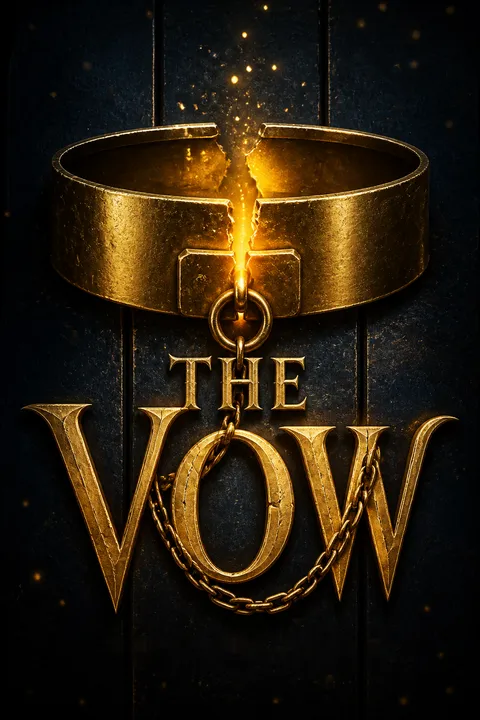

Plot Summary
Shattered Trust, Broken Vows
Blakely's world collapses when she discovers her husband Riggs used her as a pawn in his vendetta against her father. The revelation comes through humiliating messages and photos sent to her father, shattering her trust and sense of self. She flees their Malibu home, seeking refuge with her friend Noah, but finds no solace—only more questions about her marriage, her independence, and her future. Riggs's attempts to reach her are met with heartbreak and anger, as Blakely struggles to reconcile the man she loves with the man who hurt her so deeply. The emotional devastation is raw, and the vows they once exchanged now feel like chains binding them to pain.
Exile and Unanswered Questions
In the aftermath, Blakely is adrift, cut off from her finances and her sense of agency. She's forced to rely on others, a bitter irony after escaping her controlling father. Noah offers support, but his motives are suspect, and Blakely's pride keeps her from accepting help easily. The possibility of pregnancy adds another layer of anxiety, as she contemplates raising a child alone. Riggs, meanwhile, is tormented by guilt and desperation, watching from afar as his wife slips further away. Both are haunted by what was lost, and neither knows how to bridge the growing chasm between them.
Apartment Thirteen's Ghosts
Choosing to stay at Apartment Thirteen—a place filled with memories of submission and jealousy—Blakely is haunted by the ghosts of Riggs's former lovers and her own insecurities. The apartment becomes a crucible for her pain, forcing her to relive moments of both pleasure and betrayal. Riggs's note, left on her pillow, is a plea for connection and forgiveness, but also a reminder of the power he still holds over her. As she cycles through anger, longing, and confusion, Blakely questions whether love can survive such deep wounds, or if she must finally break free.
The Distance Between Us
Riggs is consumed by regret, his need for control clashing with his desire to respect Blakely's wishes. He arranges for her safety and comfort, but every gesture is tinged with possessiveness and fear of losing her. Blakely, meanwhile, is torn between her enduring love and the impossibility of forgetting Riggs's betrayal. Their communication is fraught—text messages that oscillate between accusation and yearning, threats of divorce and desperate apologies. The emotional distance is as vast as the physical one, and both are left wondering if forgiveness is possible, or if their marriage is truly over.
Family Ties and Fractures
Blakely's fractured relationship with her parents comes to the fore, as her mother's addiction and her father's manipulations resurface in her life. A phone call from her mother, pleading for connection, reopens old wounds and forces Blakely to confront the legacy of neglect and abuse she carries. The encounter is a painful reminder that blood ties can be as toxic as any romantic betrayal. Meanwhile, Riggs's own history of poverty and abandonment colors his actions, as he grapples with the fear of repeating the mistakes of the past. Both are trapped by family legacies they long to escape.
On Stage, Under Threat
As Blakely's music career takes off, she faces new dangers—both from the public eye and from those closest to her. Riggs's obsession with her security leads to clashes with Noah, whose professional ambitions may not be as selfless as they seem. The tension comes to a head during a high-profile concert, where security lapses and backstage intrigue threaten Blakely's safety. Riggs's need to protect her becomes both a comfort and a source of conflict, as Blakely asserts her independence and questions who truly has her best interests at heart.
Submission and Defiance
The push and pull of dominance and submission, once the foundation of Riggs and Blakely's relationship, now becomes a battleground for trust and control. Their encounters are charged with longing and resentment, as Blakely both craves and resists Riggs's authority. The rituals of their past—kneeling, safe words, punishments—take on new meaning in the context of betrayal. Each seeks reassurance in the familiar patterns of their intimacy, but the wounds between them make true surrender impossible. The question lingers: can they reclaim the pleasure and safety they once found in each other, or has the balance of power shifted forever?
The Club's Reckoning
A pivotal night at Club Indulgence forces Riggs and Blakely to confront the deepest fissures in their marriage. When Blakely, seeking solace and clarity, enters the club without Riggs, she is thrust into a public scene that tests the boundaries of their trust. Riggs's arrival escalates the tension, as club rules and personal pain collide. The spectacle becomes a crucible for their relationship, exposing vulnerabilities and desires neither can fully articulate. In the end, the safe word becomes both a shield and a surrender, marking the limits of what each is willing to endure for love.
The Edge of Forgiveness
After the harrowing events at the club, Riggs and Blakely are forced to confront the raw truth of their feelings. Apologies are offered, but the path to forgiveness is fraught with doubt and fear. Blakely grapples with the meaning of her vows—can she truly accept Riggs, faults and all? Riggs, for his part, is haunted by the possibility that he has lost the only person who ever mattered. Their reconciliation is tentative, marked by promises to do better and the acknowledgment that trust, once broken, is not easily restored. Yet, amidst the pain, a fragile hope emerges.
The Puppy and the Pact
In an effort to rebuild their life together, Riggs and Blakely adopt a puppy—King Madden—whose presence brings both joy and new challenges. The dog becomes a symbol of their attempt to create a family and move forward, even as old patterns of control and independence resurface. Through playful negotiations and shared responsibility, they begin to rediscover the partnership that once defined their marriage. The puppy's antics force them to communicate and compromise, laying the groundwork for a more equal and loving relationship.
Power, Equality, and Fear
As they settle into a new rhythm, Riggs and Blakely confront the deeper issues of power and equality in their marriage. Blakely insists on maintaining her independence, refusing to cede all control to Riggs. He, in turn, struggles to balance his protective instincts with respect for her autonomy. Their conversations are honest and sometimes painful, as they navigate the complexities of love, trust, and partnership. The specter of past betrayals lingers, but both are determined to forge a new path—one that honors their individual strengths and shared desires.
The Kidnapping
Just as healing seems possible, Blakely is kidnapped by Noah and her father, who conspire to exploit her for their own gain. The ordeal is harrowing—her mother is killed, and Blakely is drugged and held captive, her life and career hanging in the balance. King Madden, fiercely protective, becomes both comfort and witness to her suffering. Riggs, frantic with fear and rage, mobilizes all his resources to find and rescue her. The crisis brings into sharp relief the depth of his love and the lengths he will go to keep her safe.
Blood, Rescue, and Reckoning
The rescue is brutal and cathartic. Riggs, with the help of Kalim and Colton, confronts Noah and Blakely's father in a deadly showdown. Both men are killed, and Blakely is saved, but not before enduring trauma that will leave lasting scars. The aftermath is a reckoning—not just with the violence of the past, but with the choices that led them there. Riggs and Blakely must face the reality of what they have survived, and what it will take to truly move forward. The cost of freedom is high, but it brings with it the possibility of a new beginning.
A New Beginning
In the wake of tragedy, Riggs and Blakely recommit to each other, vowing to build a life founded on honesty, equality, and love. The discovery of Blakely's pregnancy is both a shock and a blessing, symbolizing the hope that can emerge from even the darkest moments. Together, they navigate the challenges of healing and forgiveness, supported by friends and the new family they are creating. The epilogue, set years later, shows them surrounded by children and laughter—a testament to the resilience of love and the power of second chances.
Analysis
Maggie Cole's The Vow is a dark, emotionally charged exploration of love, power, and the arduous path to forgiveness. At its core, the novel interrogates the meaning of commitment—what it means to vow oneself to another, "faults and all," and the price of breaking that trust. Through the lens of a BDSM relationship, Cole examines the interplay between dominance and submission, not as a simple binary, but as a dynamic negotiation of agency, vulnerability, and respect. The story's emotional arc is driven by the protagonists' struggle to reconcile autonomy with intimacy, and to heal the wounds inflicted by both family and lover. The use of dual perspectives, safe words, and public reckonings at Club Indulgence foregrounds the necessity of communication and consent, while the external threats of violence and betrayal force the characters to confront what truly matters. Ultimately, The Vow is a testament to the resilience of love—the possibility of rebuilding after devastation, the courage to forgive, and the hope that, even in the aftermath of trauma, new beginnings are possible. The novel's lessons are clear: love is not the absence of pain, but the willingness to face it together, to choose each other again and again, and to build a partnership founded on honesty, equality, and unwavering support.
Review Summary
The Vow by Maggie Cole concludes the Club Indulgence Duet with mixed reactions. Readers praise the intense emotion, chemistry, and Riggs' groveling, but many criticize the repetitive nature and excessive length. Blakely's indecisiveness frustrates several reviewers, with some finding her character growth lacking. The controversial club scene divides opinions—some appreciate its narrative purpose while others found it triggering. Multiple reviews note the story could have been condensed into one book rather than a duet. Overall ratings range from 1-5 stars, with appreciation for the angst and steam but criticism of pacing issues.
People Also Read



Characters
Blakely Fox Madden
Blakely is the emotional heart of the story—a talented musician whose journey is marked by trauma, betrayal, and the search for self-worth. Raised in a toxic family, she longs for love and safety, but finds herself repeatedly used as a pawn by those she trusts most. Her marriage to Riggs is both a sanctuary and a battleground, as she struggles to reconcile her need for independence with her desire for submission and connection. Blakely's psychological arc is one of reclaiming agency—learning to set boundaries, demand respect, and ultimately forgive without losing herself. Her resilience and vulnerability make her a deeply relatable and compelling protagonist.
Riggs Madden
Riggs is a complex figure—wealthy, powerful, and deeply scarred by his past. His need for control is both a strength and a flaw, driving him to protect those he loves but also to manipulate and hurt them. Riggs's love for Blakely is genuine, but his inability to trust or relinquish power leads to devastating consequences. Throughout the story, he is forced to confront the limits of dominance and the necessity of vulnerability. His journey is one of atonement—learning to accept his faults, seek forgiveness, and embrace a more equal partnership. Riggs's psychological depth lies in his struggle between love and fear, control and surrender.
Noah Kingsley
Noah begins as Blakely's agent and supposed friend, but his true nature is gradually revealed. Driven by greed and resentment, he exploits Blakely's vulnerability for his own gain, ultimately conspiring in her kidnapping and attempted murder. Noah's charm masks a deep-seated insecurity and a willingness to destroy others to achieve his goals. His relationship with Blakely is transactional, and his rivalry with Riggs is fueled by envy and a desire for power. Noah's arc is a cautionary tale of ambition unchecked by conscience, culminating in his violent downfall.
Hugh Fox
Blakely's father, Hugh, is a study in toxic masculinity and entitlement. His relationship with Blakely is defined by control, manipulation, and emotional abuse. When Riggs destroys his career, Hugh's desperation leads him to collaborate with Noah in a final, deadly bid for power. His inability to see Blakely as anything but a means to an end is his undoing. Hugh's psychological profile is marked by narcissism, denial, and a profound lack of empathy—a legacy Blakely must fight to escape.
Madelyn Fox
Blakely's mother, Madelyn, is a tragic figure—an addict whose love is always conditional and whose presence brings more pain than comfort. Her inability to protect or support Blakely is a source of deep trauma, and her eventual murder is both shocking and sadly inevitable. Madelyn's character embodies the generational cycles of neglect and self-destruction that Blakely must overcome.
Kalim Voght
Kalim is Riggs's trusted security expert, a former military and Interpol operative whose calm competence is a stabilizing force in the chaos. He is unwavering in his loyalty and unflinching in the face of danger, providing both physical and emotional support to Riggs and Blakely. Kalim's presence is a reminder that true strength lies in service and integrity, not domination.
Colton Linwood
Colton is a pop star whose friendship with Blakely offers both camaraderie and a mirror for her struggles. As a fellow survivor of Noah's manipulations, Colton's vulnerability and resilience provide a counterpoint to Riggs's dominance. His openness about his sexuality and his own trauma adds depth to the narrative, highlighting the importance of chosen family and solidarity.
Ears
Ears is the music producer who helps launch Blakely's career, serving as both a mentor and a mediator in her conflicts with Riggs and Noah. His pragmatic approach and genuine care for Blakely's well-being make him a stabilizing influence, though he is not immune to the pressures and compromises of the industry.
King Madden
The puppy adopted by Riggs and Blakely becomes a living symbol of their attempt to rebuild and nurture a family. King Madden's loyalty, playfulness, and protective instincts mirror the qualities both protagonists must cultivate in themselves. His presence brings joy and healing, reminding them of the possibility of innocence and unconditional love.
Princess (Club Indulgence Sub)
Princess is a submissive at Club Indulgence whose role in a pivotal scene forces Blakely and Riggs to confront the boundaries of their relationship. Her willingness to submit and her own struggles with obedience and desire serve as a foil for Blakely's journey, highlighting the complexities of consent, agency, and trust.
Plot Devices
Dual Perspectives and Alternating Narration
The novel employs a dual narrative structure, alternating between Blakely and Riggs's perspectives. This device allows readers to experience the emotional landscape of both characters, deepening empathy and understanding. The shifting viewpoints highlight the misunderstandings and missed connections that drive the plot, while also providing insight into each character's motivations and fears. The structure mirrors the push and pull of their relationship, emphasizing the importance of communication and perspective-taking in healing and reconciliation.
Safe Words and Contracts
The use of safe words and formal contracts in Riggs and Blakely's relationship serves as both a literal and metaphorical device. These elements represent the negotiation of power, consent, and autonomy within their dynamic. The invocation of the safe word marks moments of crisis and boundary-crossing, forcing both characters to confront the limits of their desires and the necessity of respect. The contracts, initially a source of security, become a battleground for control and equality, reflecting the evolving nature of their partnership.
Club Indulgence as a Microcosm
Club Indulgence functions as more than a backdrop for erotic encounters—it is a crucible where private pain becomes public spectacle. The club's rules, rituals, and hierarchies mirror the power dynamics at play in Riggs and Blakely's marriage. Scenes set in the club force characters to confront their deepest fears and desires, exposing the fragility of trust and the consequences of betrayal. The public nature of their reckoning underscores the stakes of their private struggles.
Foreshadowing and Repetition
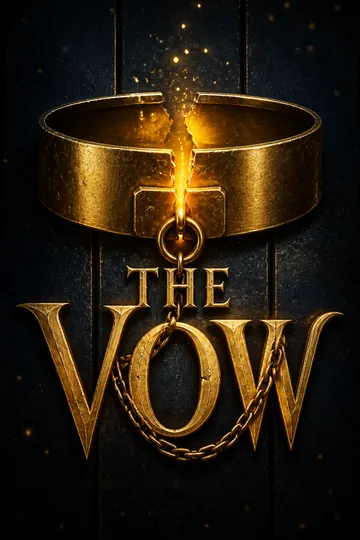
The novel employs foreshadowing through repeated images and phrases—collars, vows, the phrase "calm chaos," and the motif of kneeling. These elements serve as emotional touchstones, reminding characters and readers alike of what is at stake. The repetition of vows and the invocation of "faults and all" become a refrain that both haunts and heals, marking the journey from pain to forgiveness.
External Threats as Catalysts
The kidnapping and violence orchestrated by Noah and Hugh serve as external catalysts that force Riggs and Blakely to confront their deepest fears and recommit to each other. The threat to Blakely's life crystallizes what truly matters, stripping away the distractions of pride and resentment. The rescue sequence is both a literal and symbolic reclaiming of agency and love.
Club Indulgence Series


Download PDF
Download EPUB
.epub digital book format is ideal for reading ebooks on phones, tablets, and e-readers.








































