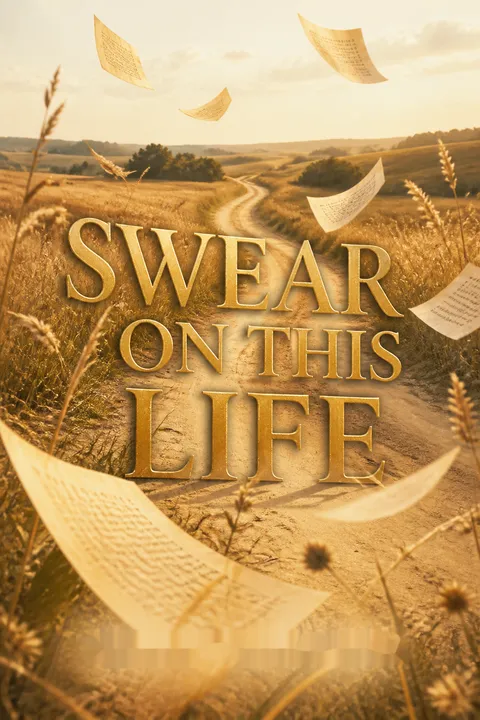

Plot Summary
Dirt Road Beginnings
Emiline and Jase grow up as neighbors on a rural Ohio dirt road, both suffering from neglect and poverty. Their parents are absent or abusive, and the two children find solace in each other's company. They walk to the bus stop together, share food, and escape into books and imagination. Their friendship is forged in hardship, and they become each other's only source of comfort and stability. The dirt road, the shed where they hide, and the creek behind their homes become the backdrop for their formative years. Despite the bleakness of their environment, their bond is pure and sustaining, hinting at a love that will shape their lives.
Childhood Bonds, Broken Homes
As Emiline and Jase grow, their friendship is tested by the instability of their families. Emiline's mother abandons her, leaving her with an alcoholic, sometimes violent father. Jase's father also disappears, and his mother struggles with addiction. The two children become inseparable, supporting each other through hunger, bullying, and emotional neglect. Their relationship evolves from simple companionship to a profound emotional reliance. They create a world of their own, inventing stories and dreaming of escape. The pain of their home lives is ever-present, but together, they find moments of joy and hope, clinging to each other as the only constant in a world that keeps letting them down.
First Love, First Loss
The transition to adolescence brings new challenges and heartbreak. Emiline and Jase's friendship blossoms into first love, but their innocence is shattered when Jase's older brother dies in a tragic accident. The loss devastates both families and marks the end of their childhood. Grief, guilt, and the increasing chaos at home force Emiline and Jase to grow up quickly. Their love becomes a lifeline, but the pressures of their environment and the trauma they endure threaten to pull them apart. The pain of loss and the fear of abandonment haunt them, setting the stage for the choices they will make as they move toward adulthood.
Writing Our Pain
As teenagers, Emiline and Jase turn to writing as a way to process their pain and imagine a better future. They share journals, write stories together, and dream of leaving Ohio behind. Writing becomes both a refuge and a means of connection, allowing them to express feelings they can't say aloud. Their creative partnership is intimate and healing, but also fraught with the tension of unspoken desires and the fear of losing each other. The act of storytelling binds them, but it also foreshadows the way their lives will diverge—one will use writing to escape, the other will be left behind.
The Book That Finds Her
Years later, Emiline is a struggling writer and adjunct professor in California, stuck in a stagnant relationship with Trevor. Her life is upended when her roommate gives her a bestselling novel, "All the Roads Between," by J. Colby. From the first page, Emiline realizes the book is her own life story, told from her perspective, with Jase as the author. The shock is overwhelming—her most private memories, traumas, and love are laid bare for the world. The book's existence forces her to confront the past she's tried to bury, reigniting old feelings of betrayal, longing, and unresolved love for Jase.
Past and Present Collide
Emiline's discovery of the book leads her to search for Jase, now a successful author living in Los Angeles. She is torn between anger at his appropriation of her story and the undeniable pull of their shared past. As she reads, she relives their childhood, their love, and the pain of their separation. The novel becomes a mirror, reflecting not only her history but also the parts of herself she has denied. Emiline's current relationship with Trevor suffers as she becomes consumed by the book and her memories, unable to reconcile her present with the unresolved emotions of her past.
Reading Between the Lines
Emiline attends Jase's book signing, leading to a tense and emotional reunion. Their conversation is fraught with accusation, longing, and unfinished business. Jase reveals that he wrote the book for her, hoping she would find it and understand his perspective. The lines between fiction and reality blur as they debate what really happened in their past—who left whom, who betrayed whom, and why. Emiline is forced to confront not only Jase's version of events but also her own choices and the ways she has avoided healing. The book becomes a catalyst for both confrontation and potential reconciliation.
Reunion and Reckoning
Emiline and Jase spend time together, revisiting old haunts and memories. Their chemistry is undeniable, and the depth of their connection resurfaces. Yet, the pain of their separation and the scars of their childhoods linger. Emiline is still entangled with Trevor, who proposes marriage in a desperate attempt to hold onto her. Jase, for his part, is vulnerable and open, but also wounded by the years apart. Their reunion is bittersweet, filled with longing, regret, and the possibility of a second chance—if Emiline can find the courage to choose herself and the love she truly wants.
Facing Old Wounds
Determined to heal, Emiline embarks on a journey to confront her past. She visits her estranged father, now sober and remorseful, and seeks out her absent mother, who remains cold and unrepentant. These encounters are painful but necessary, allowing Emiline to release the anger and shame she has carried for years. She also reconnects with people from her foster care days, finding that some wounds can be healed with time and understanding. Through these acts of courage, Emiline begins to reclaim her story, no longer defined by the pain others inflicted on her.
Choosing Between Loves
Emiline faces a pivotal choice between the safe, familiar relationship with Trevor and the passionate, complicated love she shares with Jase. Trevor's struggles with addiction mirror the cycles of pain from Emiline's past, and she realizes she cannot save him or herself by staying. With compassion, she ends their relationship, choosing honesty and self-respect over comfort. This act of letting go is both heartbreaking and liberating, opening the door for Emiline to pursue the life and love she truly desires—with Jase, and with herself as a whole, healed person.
Healing and Letting Go
Freed from the burdens of her past and the expectations of others, Emiline begins to write her own story. She pours her experiences, pain, and hope into her work, finding purpose and fulfillment in her creativity. Her relationship with Jase deepens, built on honesty, vulnerability, and mutual respect. Together, they create a new life, one not defined by trauma but by the love and resilience they have cultivated. Emiline learns that healing is an ongoing process, and that true happiness comes from embracing both the darkness and the light of her journey.
The Truth in Fiction
Emiline comes to see that Jase's novel, while not a perfect retelling, was an act of love—a way for him to reach her when words failed. She recognizes the importance of owning her narrative, of transforming pain into art, and of forgiving both herself and those who hurt her. The boundaries between fiction and reality become less important than the healing that comes from telling the truth, however imperfectly. Emiline and Jase's story is not just about romantic love, but about the redemptive power of storytelling and the courage to face one's own truth.
Coming Home to Yourself
Emiline and Jase build a life together, grounded in the lessons of their past and the hope of their future. They create a home filled with love, creativity, and acceptance, finally free from the ghosts that haunted them. Emiline's journey comes full circle as she learns to trust herself, to love without fear, and to believe in the possibility of happiness. The dirt road that once symbolized isolation and pain becomes a place of belonging and new beginnings. In choosing herself, Emiline finds her way home.
The Ending We Write
The story concludes with Emiline and Jase living together by the ocean, writing, loving, and embracing the life they once only dreamed of. Their journey is not without scars, but they have learned to carry them with grace. The past is not forgotten, but it no longer defines them. Through forgiveness, vulnerability, and the courage to choose love, they create a new story—one that is theirs alone. The ending is not perfect, but it is true, and it is enough.
Analysis
"Swear on This Life" is a powerful meditation on the enduring impact of childhood trauma, the redemptive potential of love, and the transformative power of storytelling. Through its meta-fictional structure, the novel explores how we use stories to make sense of our pain, to connect with others, and to heal. Emiline's journey is both deeply personal and universally resonant—her struggle to confront her past, to forgive herself and others, and to choose vulnerability over fear mirrors the challenges faced by anyone seeking wholeness after loss. The book interrogates the ethics of using real lives in fiction, the complexities of memory and perspective, and the courage required to write one's own ending. Ultimately, "Swear on This Life" is a testament to resilience, the necessity of facing our wounds, and the possibility of new beginnings. It reminds us that while we cannot change the past, we can choose how we carry it—and that love, when chosen bravely, can be both a homecoming and a new start.
Review Summary
Swear on This Life received overwhelmingly positive reviews, with readers praising its unique storytelling approach and emotional depth. Many found the book captivating and impossible to put down, appreciating the well-developed characters and their complex relationships. The novel's exploration of childhood trauma, forgiveness, and second chances resonated strongly with readers. While some critics found certain aspects of the plot predictable or rushed, the majority of reviewers considered it a beautiful, heartfelt romance that left a lasting impact.
Characters
Emiline (Emi)
Emiline is the heart of the story—a woman shaped by childhood neglect, abandonment, and trauma, yet fiercely intelligent and creative. Her relationship with Jase is both her greatest comfort and her deepest wound. As an adult, she is guarded, struggling to write authentically and to connect with others, especially her boyfriend Trevor. Psychoanalytically, Emiline is driven by a fear of abandonment and a longing for safety, which leads her to avoid confronting her past. Her journey is one of self-discovery, as she learns to face her pain, forgive herself and others, and reclaim her narrative. Her development is marked by increasing vulnerability, courage, and the willingness to choose love and healing over fear.
Jase (Jackson/J. Colby)
Jase is Emiline's childhood best friend and first love, a boy who endures his own share of loss and neglect. Gifted and sensitive, he turns to writing as a means of survival and expression. As an adult, he becomes a successful author, using fiction to reach Emiline and to process his own pain. Jase is both strong and vulnerable, carrying the scars of his upbringing but refusing to let them define him. His love for Emiline is unwavering, though complicated by years of separation and misunderstanding. Psychologically, Jase is driven by a need for connection and redemption, seeking to heal both himself and Emiline through the power of story.
Trevor
Trevor is Emiline's long-term boyfriend, a former athlete whose life was derailed by injury. He is loyal and caring but also insecure and emotionally distant, unable to fully connect with Emiline or support her creative ambitions. His struggles with addiction mirror the cycles of pain in Emiline's past, and their relationship becomes a safe but stagnant refuge for both. Trevor's development is marked by his eventual willingness to seek help and to let Emiline go, recognizing that love sometimes means stepping aside.
Cara
Cara is Emiline's roommate and fellow writer, offering support, honesty, and a touch of comic relief. She encourages Emiline to confront her past and to pursue her writing, serving as both a mirror and a catalyst for change. Cara's own journey as a writer parallels Emiline's, highlighting the importance of friendship, creativity, and self-acceptance. She represents the possibility of healthy connection and the value of chosen family.
Emiline's Father
Emiline's father is a complex figure—an alcoholic whose neglect and occasional violence leave deep scars on his daughter. Yet, in sobriety, he seeks forgiveness and attempts to make amends, offering Emiline both closure and a sense of belonging. His journey reflects the possibility of change and the importance of facing one's mistakes, even late in life.
Emiline's Mother
Emiline's mother is a shadowy presence, defined more by her absence than her actions. Her abandonment leaves Emiline with deep wounds and questions about her own worth. When Emiline finally confronts her, she finds a woman incapable of remorse or connection, forcing Emiline to accept that some wounds cannot be healed by others, only by oneself.
Jase's Mother (Leila/Lisa)
Jase's mother struggles with addiction and instability, providing little support or guidance. Her failures force Jase to grow up quickly and to rely on Emiline for emotional sustenance. Despite her flaws, she is a survivor, and her presence in the story highlights the generational cycles of pain and the possibility of forgiveness.
Sophia/Jessie
Sophia (later Jessie) is a foster child who becomes Emiline's surrogate little sister during her time in foster care. Her innocence and longing for love mirror Emiline's own childhood, and their bond offers both characters a sense of family and belonging. Jessie's eventual adoption and success represent the possibility of healing and new beginnings.
Professor James
Professor James is Emiline's writing mentor, offering both criticism and encouragement. He pushes her to write authentically and to confront her past, serving as a catalyst for her creative and personal growth. His role underscores the importance of guidance, honesty, and the willingness to challenge oneself.
Andrea
Andrea is Jase's literary agent and occasional lover, representing the world of publishing and the complexities of adult relationships. She is supportive but clear-eyed, recognizing the depth of Jase's feelings for Emiline and stepping aside when necessary. Her presence highlights the difference between passion and true connection.
Plot Devices
Dual Narrative and Meta-Fiction
The central plot device is Jase's novel, "All the Roads Between," which mirrors and reframes the shared past of the protagonists. This meta-fictional structure allows the story to explore memory, perspective, and the healing power of storytelling. The dual narrative—Emiline's present and the novel's retelling of her past—creates dramatic irony, tension, and emotional resonance. The device also raises questions about ownership of stories, the ethics of using real lives in fiction, and the ways we rewrite our own histories to survive.
Letters, Emails, and Unsent Messages
Throughout the story, Emiline writes and deletes messages to Jase, symbolizing her struggle to communicate and to confront her feelings. These unsent letters serve as windows into her psyche, exposing vulnerability, anger, and longing. The motif of written but unspoken words underscores the theme of communication—what is said, what is withheld, and what is finally revealed.
Foreshadowing and Symbolism
Recurring symbols—the dirt road, the shed, the creek, the books they share—anchor the narrative and foreshadow key events. The physical journey back to Ohio mirrors Emiline's emotional journey, and the act of returning to the places of her childhood becomes a metaphor for facing and healing old wounds. The motif of "swearing on this life" encapsulates the gravity of promises and the longing for something enduring.
Nonlinear Structure and Flashbacks
The narrative moves fluidly between Emiline's present and her memories, often triggered by reading Jase's novel. This nonlinear structure allows the reader to experience the emotional immediacy of the past while understanding its impact on the present. The interplay of timelines heightens suspense, deepens character development, and illustrates the persistence of trauma and love.
The Book as Catalyst
Jase's novel is not just a plot device but a character in its own right—a catalyst that forces Emiline to confront her past, her pain, and her desires. The act of reading becomes an act of self-discovery, and the book's existence challenges Emiline to reclaim her story, to forgive, and to choose her own ending.
About the Author
Other books by Renee Carlino






Download PDF
Download EPUB
.epub digital book format is ideal for reading ebooks on phones, tablets, and e-readers.








































