

Plot Summary
Beneath the Bones' Shadow
Simidele, a Mami Wata mermaid, toils in the cold, dark depths of Olokun's underwater realm, haunted by the bones of the drowned and the weight of her sacrifice. She endures Olokun's bitterness and endless demands for tributes, her days marked by the burial of the dead and prayers for their souls. Simi's longing for sunlight and the world above is sharpened by memories of Kola, the human boy she once saved and loved. Her isolation is both penance and protection for those she cares about, but the cost is a growing ache of loneliness and regret. The chapter sets the tone of sorrow, duty, and the heavy price of choices made for love and survival.
Bargains in the Deep
Simi's relationship with Olokun is fraught with tension and resentment. She confronts him about his endless dissatisfaction and the injustice of her servitude, but Olokun reminds her that she chose this fate to save others. Together, they bury the drowned, sharing a rare moment of mutual respect and sorrow. Simi's anger and empathy for the lost souls are palpable, as is her struggle to find meaning in her suffering. The chapter explores the complexity of divine bargains and broken promises struck with gods, the burden of guilt, and the search for redemption in a world shaped by ancient wounds and divine politics.
Folasade's Warning
Folasade, another Mami Wata, braves the forbidden depths to check on Simi, bringing news of unrest above and Yemoja's enduring love. Their reunion is bittersweet, as Simi's pain and defensiveness clash with Folasade's concern. Folasade reveals that Yemoja mourns Simi's absence but understands her sacrifice. The conversation exposes Simi's internal conflict—her longing for belonging and her resentment at being judged for choices made under duress. Folasade's warning about growing violence and the possible involvement of the ajogun (anti-gods) foreshadows greater threats, while Simi's yearning for the surface and Kola remains unresolved.
Surface Longings, Sunlit Pain
Driven by longing, Simi risks Olokun's wrath to briefly surface, where she witnesses a shipwreck and the dead marked by the ajogun. She sees Kola alive on another ship, their connection as strong as ever despite the distance. The sight of him reignites her hope and pain, underscoring the impossibility of their love. Folasade urges her to return, but the encounter leaves Simi torn between duty and desire. The chapter captures the ache of separation, the lure of forbidden love, and the ever-present threat of supernatural forces encroaching on the human world.
Ajogun's Marked Dead
The appearance of the dead marked with the ajogun's symbols signals a breach between worlds. Simi recalls her mother's stories of the ajogun—warlords of ruin who, if unleashed, would bring devastation to gods and mortals alike. The narrative weaves myth and memory, building a sense of impending doom as the boundaries between realms weaken. Simi's fear is mirrored by Folasade's, and the urgency to act grows. The chapter deepens the mythological stakes, linking personal loss to cosmic danger through mythic foreshadowing and prophecy.
Kola's Distant Gaze
Simi's brief, painful reunion with Kola at sea is marked by longing and restraint. She chooses not to reveal herself, believing it best for both of them, but the encounter leaves her raw and unresolved. Kola's presence is a reminder of what she has lost and what she still hopes for, even as the world teeters on the brink of disaster. The emotional tension between love and duty intensifies, setting the stage for future sacrifices.
The Trickster's Prison
Simi discovers that Olokun has broken his promise and kept Esu, the trickster god, imprisoned instead of returning him to the Supreme Creator. This betrayal undermines the foundation of Simi's sacrifice and reveals Olokun's willingness to risk the world for his own freedom. Esu, weakened but cunning, explains that only he can keep the ajogun at bay, and his absence has allowed their influence to spread. Simi is forced to confront the consequences of misplaced trust and the complexity of divine bargains and broken promises.
Esu's Bargain, Simi's Choice
Realizing the world's peril, Simi reluctantly agrees to free Esu, who offers her his ruby as a token binding him to his word. The urgency is heightened by visions of the ajogun's devastation and the knowledge that the full moon will bring their release unless Esu can perform the necessary rituals. Simi's decision is fraught with risk, as she must trust a god known for trickery, but the alternative is unthinkable. The chapter is a crucible of trust, fear, and the necessity of imperfect choices, embodying the power of choice and agency.
Escape and Reunion
With the help of her sisters and Yemoja, Simi orchestrates Esu's escape from Olokun's realm. The rescue is chaotic and costly, involving battles with Olokun and the monstrous Omniran. Simi's loyalty to Yemoja and her sisters is reaffirmed, but the cost of breaking ancient accords is high. The escape marks a turning point, as Simi reclaims agency and recommits to fighting for the world above, even as Olokun's rage and the ajogun's threat loom.
The Ajogun's Rising
Back on land, Simi, Esu, and Folasade join Kola and his allies in Oko, where the threat of the ajogun is manifesting as war, disease, and supernatural horrors. The group learns that the Nupe kingdom, led by the ruthless Idera, is harnessing the ajogun's power to wage war on the Oyo. The only hope is to retrieve the soul song of the Mokele-mbembe, a legendary river monster, which can be used to bind the ajogun. The chapter is a gathering of heroes, a reckoning with past losses, and a call to action.
Oko Under Siege
Oko is besieged by Tapa warriors and supernatural creatures—adzes and obambo—unleashed by Idera's dark magic. Simi, Kola, and their friends fight desperately to defend the village, suffering losses and witnessing the horrors of war and the ajogun's influence. The battle is both physical and spiritual, testing the limits of courage, loyalty, and hope. The aftermath is marked by grief, but also by the forging of unbreakable bonds among the survivors. This chapter showcases supernatural warfare and transformation.
The Soul Song's Hunt
Simi and Folasade embark on a perilous journey to the chasm where the Mokele-mbembe dwells, accompanied by Kola, Yinka, and Ara. The hunt is fraught with danger, culminating in a deadly confrontation with the monster. With Olokun's unexpected help, they succeed in killing the creature and capturing its soul song, but the victory is bittersweet. The quest tests their resolve, deepens their losses, and sets the stage for the final confrontation with the ajogun. The soul song serves as the soul song as MacGuffin.
Betrayal in the Forest
As the group returns, they are ambushed by Idera's forces and supernatural minions. In the chaos, Ara betrays Simi, revealing her allegiance to Idera and her belief that the ajogun's power can be harnessed for protection. Folasade is killed, and the soul song is stolen. The betrayal is devastating, shattering Simi's trust and leaving her reeling with grief and guilt. The chapter is a crucible of loss, forcing Simi to confront the limits of love, loyalty, and the cost of hope.
The Battle for Rabah
The Oyo and their allies march on Rabah, the Nupe capital, in a desperate bid to reclaim the soul song and prevent the ajogun's release. The battle is epic and brutal, with supernatural horrors unleashed on both sides. Simi, Kola, and Esu fight their way to the temple, where Idera prepares to open the gateway for the ajogun. The chapter is a crescendo of violence, sacrifice, and the struggle for the world's soul, featuring supernatural warfare and transformation.
Ara's Fatal Choice
In the temple, Ara, corrupted by pain and ambition, uses the soul song to open the gateway, believing she can command the ajogun. Instead, she is consumed by Arun, the warlord of disease, and transformed into a vessel of suffering. Simi's attempt to save her fails, and Ara dies in her arms, a victim of her own choices and the world's cruelties. The tragedy is both personal and cosmic, a warning about the dangers of seeking power at any cost.
Binding the Ajogun
With the soul song reclaimed, Esu performs the binding ritual, using his ruby and the essence of the Mokele-mbembe to seal the gateway and pacify the ajogun. The process is harrowing, demanding all of Simi's courage and faith. The temple is destroyed, the ajogun are banished, and the world is saved—at least for now. The victory is hard-won, marked by loss, exhaustion, and the knowledge that peace is always fragile.
Freedom and Farewell
In the aftermath, Simi returns Folasade's body to the sea, honoring her friend's sacrifice and finding solace in ritual. Oko celebrates its survival, but the scars of war and betrayal linger. Simi is offered freedom by Yemoja, who releases her from her duties and gives her the choice to shape her own destiny. Kola, now revealed as an orisa, offers her love and a place by his side, but Simi is torn between love, duty, and the need to reclaim her own life.
Choosing Home, Choosing Love
Empowered by Yemoja's gift of freedom and the memory of those she has lost, Simi chooses to return home to Oyo-Ile, to see her parents and reclaim her humanity. She offers Kola the chance to join her, gifting him Folasade's sapphire and the possibility of a shared future. Their love, once forbidden, is now a source of hope and possibility, but Simi insists on choosing herself first. The story ends with Simi swimming toward home, her heart full of grief, hope, and the promise of new beginnings. This final chapter embodies the power of choice and agency.
Analysis
Soul of the Deep is a powerful exploration of sacrifice, agency, and the enduring struggle between light and darkness—both within the world and within ourselves. Natasha Bowen weaves West African mythology and fifteenth-century history into a narrative that is both epic and intimate, grounding cosmic stakes in the emotional lives of her characters. The novel interrogates the costs of survival, the dangers of unchecked power, and the necessity of community and love in the face of overwhelming odds. Through Simi's journey, the story challenges the notion that duty and desire must always be at odds, offering instead a vision of freedom rooted in self-knowledge and compassion. The recurring motif of the power of choice and agency—who we save, who we trust, who we become—serves as both a warning and a promise. In a world scarred by violence and betrayal, Soul of the Deep insists that healing and hope are possible, but only if we dare to claim them for ourselves.
Review Summary
Soul of the Deep received mixed reviews, with an average rating of 3.90 out of 5. Many readers praised the rich African mythology, engaging plot, and character development. Some found the pacing inconsistent and felt the romance lacked chemistry. Several reviewers appreciated the representation and empowering themes. Critics noted that some plot points from the first book were undone, which disappointed some fans. Overall, readers enjoyed the continuation of Simidele's story but had varying opinions on its execution and resolution.
People Also Read



Characters
Simidele (Simi)
Simi is a Mami Wata, a mermaid created by Yemoja to gather the souls of the drowned. Once human, she is defined by her compassion, guilt, and longing for connection. Her love for Kola and her sense of responsibility drive her to make impossible sacrifices, including binding herself to Olokun's realm. Simi's journey is one of self-discovery, as she navigates grief, betrayal, and the burden of choices made for others. She is fiercely loyal, often to her own detriment, and struggles to balance duty with desire. By the end, Simi claims her agency, choosing her own path and embracing the complexity of love, loss, and freedom.
Kola
Kola is Simi's beloved, a human boy marked by courage, loyalty, and a deep sense of justice. Scarred by trauma and loss, he rises to become a leader of Oko and, ultimately, an orisa—an immortal with undefined powers. Kola's love for Simi is unwavering, but he is also committed to his people and the greater good. His transformation into orisa complicates his identity, forcing him to reconcile human vulnerability with divine responsibility. Kola's journey is one of growth, sacrifice, and the search for a place where love and duty can coexist.
Olokun
Olokun is the orisa of the deep sea, bound by chains for his past attempt to destroy humanity. He is both jailer and victim, his bitterness fueling manipulations and broken promises. Olokun's relationship with Simi is complex—part captor, part mentor, part fellow sufferer. His actions are driven by a desperate desire for freedom and redemption, but his methods are often cruel and self-serving. Olokun embodies the dangers of unchecked power and the corrosive effects of isolation and resentment.
Esu
Esu is the orisa of crossroads, trickery, and balance. Imprisoned by Olokun, his absence allows the ajogun's influence to spread. Esu is cunning, unpredictable, and self-interested, but his role as mediator between gods and anti-gods is essential. His alliance with Simi is uneasy, built on mutual necessity rather than trust. Esu's psychological complexity lies in his acceptance of his own nature—he is both destroyer and savior, a reminder that balance often requires embracing ambiguity and imperfection.
Folasade
Folasade is Simi's closest sister among the Mami Wata, defined by her piety, strength, and unwavering sense of duty. She serves as Simi's conscience and confidante, often challenging her to accept her role and responsibilities. Folasade's death is a profound loss, symbolizing the cost of sacrifice and the fragility of hope. Her memory becomes a guiding force for Simi, a reminder of what is at stake and what must be honored.
Ara
Ara is Simi's oldest friend, whose experiences of enslavement and trauma in the Nupe kingdom twist her longing for safety into a fatal ambition. Believing that the ajogun's power can be harnessed for protection, she betrays Simi and becomes the instrument of the ajogun's release. Ara's arc is a study in the psychological toll of powerlessness, the seduction of control, and the tragedy of choices made from pain. Her death is both a warning and a lament for lost innocence.
Yemoja
Yemoja is the orisa who remade Simi and the other Mami Wata, embodying maternal love, wisdom, and sacrifice. She is both nurturing and stern, guiding Simi through loss and granting her the freedom to choose her own path. Yemoja's presence is a source of comfort and strength, her forgiveness and understanding a counterpoint to the harshness of the world. She represents the possibility of healing and the power of unconditional love.
Idera
Idera is the spiritual leader of the Nupe kingdom, driven by a desire for power and a belief that the ajogun can be controlled. Her manipulation of Ara and her unleashing of supernatural horrors make her a formidable foe. Idera's psychology is shaped by trauma, ambition, and a willingness to sacrifice others for her vision of security. Her downfall is a cautionary tale about the dangers of hubris and the costs of seeking power at any price.
Yinka
Yinka is a shapeshifter and fierce fighter, whose journey from outcast to leader mirrors the story's themes of identity and belonging. Her loyalty to Simi and Kola is unwavering, and her courage in battle is matched by her compassion. Yinka's psychological resilience is rooted in her acceptance of her dual nature and her commitment to protecting those she loves.
Bem
Bem is Kola's closest friend, a warrior whose strength is matched by his kindness and sense of humor. He provides stability and support throughout the group's ordeals, often serving as a voice of reason and comfort. Bem's development is marked by his willingness to face loss and fear without losing hope, embodying the story's belief in the power of community and friendship.
Plot Devices
Divine Bargains and Broken Promises
The narrative is driven by bargains struck between mortals and gods—Simi's pact with Olokun, Olokun's betrayal, Esu's binding, and the alliances forged and broken in desperation. These bargains are fraught with ambiguity, as gods are capricious and self-interested, and mortals are forced to navigate shifting loyalties. The consequences of trust—both misplaced and earned—shape the story's emotional and moral landscape, forcing characters to confront the limits of agency and the cost of survival.
Mythic Foreshadowing and Prophecy
The story is rich with foreshadowing, from Simi's mother's tales of the ajogun to prophetic dreams and the recurring motif of the full moon as a harbinger of catastrophe. These elements create a sense of inevitability and urgency, linking personal choices to cosmic cycles. The use of myth and prophecy deepens the narrative's resonance, situating individual struggles within a larger tapestry of fate and history.
The Soul Song as MacGuffin
The soul song of the Mokele-mbembe functions as the story's central quest object—a magical essence capable of binding or releasing the ajogun. Its pursuit drives the plot, uniting and dividing the characters, and its possession becomes a test of worthiness, trust, and sacrifice. The soul song's dual potential (to save or destroy) mirrors the story's exploration of power and responsibility.
Supernatural Warfare and Transformation
The narrative escalates through a series of supernatural battles—against adzes, obambo, and the ajogun themselves. Characters undergo physical and psychological transformations, from Kola's ascension to orisa to Ara's tragic metamorphosis. These elements heighten the stakes, blur the boundaries between human and divine, and force characters to adapt or perish.
The Power of Choice and Agency
At its core, the story is about the power and burden of choice. Simi's journey is a continual negotiation between duty and desire, sacrifice and selfhood. The narrative structure foregrounds moments of decision—whether to trust, to love, to fight, or to let go. The ultimate resolution is not the restoration of order, but the affirmation of agency: the right to choose one's own path, even in the face of loss and uncertainty.
Skin of the Sea Series
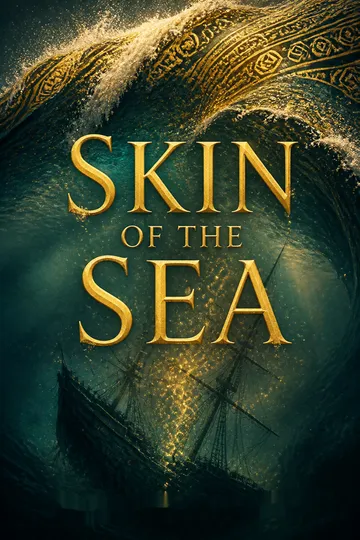

Download PDF
Download EPUB
.epub digital book format is ideal for reading ebooks on phones, tablets, and e-readers.








































