
Plot Summary
Birth in the Nest
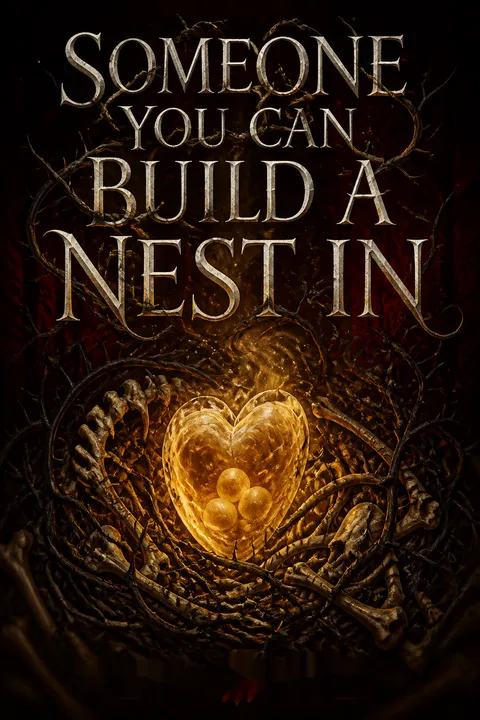
Shesheshen, a shapeshifting, flesh-eating monster, is born in a nest made from her father's body, surrounded by siblings who are both kin and rivals. Her early life is defined by violence and survival, as she devours her siblings and learns to scavenge bones and tools to build herself anew. The warmth and safety of the nest are fleeting, replaced by the cold, predatory world outside. This primal upbringing shapes her instincts and her longing for connection, even as she grows into a creature feared and hunted by humans. The memory of her father's sacrifice and the brutality of her siblings linger, fueling both her hunger and her loneliness as she carves out a solitary existence in the ruins she calls home.
Hunters at the Door
Shesheshen's hibernation is violently interrupted by a trio of human intruders: two professional monster hunters and Catharsis Wulfyre, the arrogant scion of a powerful family. Weakened and unprepared, Shesheshen must rely on cunning rather than strength, disguising herself as a frightened girl to mislead the hunters. The encounter escalates when Catharsis, coated in rosemary oil—her one true poison—attacks her, forcing Shesheshen to defend herself with a hidden bear trap. The resulting chaos leaves Catharsis dead and the hunters fleeing, but not before Shesheshen is wounded by a poisoned bolt. The violence and betrayal reinforce her sense of being prey, even as she consumes her attacker to heal and survive.
A Monster in Disguise
Driven by hunger and the need to recover from her wounds, Shesheshen ventures into the nearby town of Underlook, using her shapeshifting abilities to pass as human. She navigates the town's festival, where the locals celebrate her supposed death, and encounters Laurent, a privileged merchant who embodies the town's hypocrisy and self-interest. As she seeks a victim to restore her strength, she is recognized by the surviving hunters, forcing her to flee. The experience exposes the town's denial of her existence and the casual cruelty of civilization, deepening her alienation and her understanding of the human world's monstrousness.
The Taste of Civilization
Fleeing Underlook, Shesheshen is hunted through the countryside, eventually falling into a ravine and nearly dying. She is rescued by Homily, a compassionate and awkward human woman who tends to her wounds and offers her genuine kindness. For the first time, Shesheshen experiences care without expectation of violence or betrayal. As she recovers, she is torn between her monstrous instincts and the unfamiliar warmth of Homily's presence. Their tentative bond is tested by Shesheshen's hunger and the ever-present threat of discovery, but Homily's acceptance plants the seed of something new—a longing for connection that transcends predator and prey.
The Curse of Family
Homily reveals her lineage as a Wulfyre, the very family that has hunted Shesheshen for generations. The Wulfyres are haunted by a supposed curse laid by the Wyrm of Underlook, which has claimed the lives of their kin and driven them to obsession. Homily's relationship with her mother, the formidable Baroness, and her siblings is fraught with abuse, manipulation, and impossible expectations. As the family converges on Underlook to hunt the monster and break the curse, Shesheshen is drawn into their web, forced to confront the human side of her enemies and the possibility that the real curse is the cycle of violence and control perpetuated by the Wulfyres themselves.
A Human Kindness
As Shesheshen heals under Homily's care, their relationship deepens into mutual trust and affection. Homily's warmth and awkward humor disarm Shesheshen's defenses, while Shesheshen's honesty and vulnerability offer Homily a rare sense of safety. Together, they navigate the dangers of the Wulfyre family, the suspicions of the townsfolk, and the ever-present threat of Shesheshen's monstrous nature being revealed. Their connection becomes a lifeline for both, challenging the boundaries of what it means to be monstrous or human, and hinting at the possibility of love and acceptance in a world built on fear and exclusion.
The Dance of Deceit
Shesheshen and Homily must maintain a delicate balance of deception and truth as they move through the treacherous politics of Underlook and the Wulfyre family. Shesheshen disguises herself to protect Homily and herself, while Homily navigates the expectations and manipulations of her mother and siblings. Their shared moments—dancing at a town festival, sharing stories, and supporting each other through trauma—are interwoven with the constant threat of exposure. The dance of deceit becomes a metaphor for survival, intimacy, and the longing to be seen for who they truly are.
Becoming Prey
As the Wulfyres and their mercenaries escalate their hunt, Shesheshen finds herself increasingly cornered. The family's obsession with breaking the curse and reclaiming power leads to violence, betrayal, and the use of Homily as bait. Shesheshen's attempts to protect Homily and herself force her to confront her own vulnerability and the limits of her strength. The lines between hunter and hunted blur, revealing the monstrousness at the heart of both human and non-human lives. In the crucible of pursuit and desperation, Shesheshen's longing for connection and safety becomes more urgent than ever.
The Offspring's Awakening
In the aftermath of violence and betrayal, Shesheshen inadvertently creates an offspring from her own flesh—a being as lost and hungry as she once was. The offspring's emergence is both a miracle and a threat, embodying the cycle of violence and the possibility of change. As the offspring rampages through Underlook, hunted by the Wulfyres and their army, Shesheshen is forced to reckon with her own legacy, the meaning of parenthood, and the hope of breaking the cycle that has defined her existence. The offspring's fate becomes entwined with her own, and with Homily's, in a struggle for survival and redemption.
The Baroness Revealed
The Baroness Wulfyre is unmasked as a monster like Shesheshen—a shapeshifter who has worn human faces for generations, manipulating and consuming those around her. Her pursuit of immortality and power is revealed to be rooted in the same hunger and loneliness that drives Shesheshen, but twisted by cruelty and control. The confrontation between Shesheshen and the Baroness is both physical and existential, as they battle for the future of the isthmus, the Wulfyre family, and the possibility of a different kind of life. The revelation shatters the illusions of civilization and exposes the monstrousness at the heart of power.
The Heart is an Egg
As Shesheshen's relationship with Homily deepens, she discovers that the heart she has grown is not a heart at all, but an egg sac—a symbol of her capacity for love, creation, and vulnerability. The realization forces her to confront her own desires, the risks of intimacy, and the legacy she wishes to leave. The egg sac becomes a metaphor for the possibility of change, the pain of growth, and the hope of building something new from the ruins of violence. In choosing to share herself with Homily, Shesheshen embraces both her monstrousness and her humanity.
The Monster's Confession
In a moment of crisis, Shesheshen confesses her true nature to Homily, revealing her role in the violence that has shaped both their lives. The confession is met not with rejection, but with understanding and acceptance. Together, they confront the legacy of the Wulfyres, the pain of the past, and the possibility of forgiveness. Their love becomes an act of resistance against the cycles of abuse and monstrosity that have defined their world, offering a new model of family, care, and belonging.
The Hunt in the Woods
The hunt for the offspring and the final battle with the Baroness bring all the story's threads to a head. Shesheshen, Homily, and their allies must outwit and outfight the Baroness, who seeks to consume Shesheshen's eggs and claim immortality. The struggle is brutal and costly, demanding sacrifice, courage, and the willingness to let go of old identities. In the chaos of battle, the boundaries between monster and human, parent and child, hunter and prey dissolve, leaving only the raw need for survival and connection.
The Offspring's Wrath
The offspring, once a symbol of violence and loss, becomes a force for change and redemption. Through Homily's care and Shesheshen's acceptance, the offspring learns to coexist, to create rather than destroy. The family they build together—monster, human, and child—offers a new vision of what it means to belong, to nurture, and to be loved. The wrath that once threatened to consume them all is transformed into a source of strength and hope.
The End of the Curse
The Baroness is finally defeated, not by violence alone, but by the collective will of those she sought to control. Her death marks the end of the Wulfyre curse, the collapse of old power, and the possibility of a different future for Underlook and its monsters. Shesheshen, Homily, and their offspring emerge from the ruins, scarred but alive, ready to build a new nest in the ashes of the old world. The curse is broken not by blood, but by the refusal to perpetuate harm.
Aftermath and Grief
In the aftermath of violence and loss, Shesheshen and Homily must learn to live with grief, guilt, and the scars of the past. Their journey is one of slow healing, mutual support, and the daily work of building trust and safety. The memory of those they have lost, the pain they have endured, and the love they have found become the foundation of a new life. Together, they face nightmares, setbacks, and the challenges of raising a monstrous child, finding meaning in the act of surviving and caring for one another.
Building a New Nest
Shesheshen, Homily, and Epilogue create a home together, blending the monstrous and the human, the past and the future. Their life is marked by small joys, shared meals, and the ongoing work of understanding and acceptance. The nest they build is not free from pain or danger, but it is a place of belonging, growth, and hope. In choosing each other, they defy the world's expectations and create a new kind of family—one that is strong enough to hold all their differences, wounds, and dreams. The story ends not with a final victory, but with the promise of ongoing love and the courage to face whatever comes next.
Analysis
Someone You Can Build a Nest In is a radical, tender reimagining of the monster narrative, blending body horror, dark humor, and queer romance into a story about survival, healing, and the courage to love. At its core, the novel interrogates what it means to be monstrous—not as a matter of appearance or appetite, but as a legacy of harm, exclusion, and the desperate longing for safety. Through Shesheshen's journey from isolated predator to loving partner and parent, the book explores the possibility of breaking cycles of violence and building new forms of family and belonging. The story's emotional power lies in its refusal to offer easy redemption or simple binaries; instead, it insists that healing is messy, ongoing, and rooted in the daily work of care, honesty, and mutual recognition. The lessons are clear: monstrosity is not a curse, but a condition of being alive in a world that fears difference; love is not the erasure of wounds, but the willingness to hold them together; and the future belongs to those brave enough to build a nest in the ruins of the past.
Review Summary
People Also Read
Characters
Shesheshen
Shesheshen is a flesh-eating, shapeshifting monster whose life is defined by hunger, violence, and the longing for safety. Born in a nest of familial cannibalism, she survives by scavenging bones and tools, constantly rebuilding herself in both body and identity. Her encounters with humans are fraught with danger and misunderstanding, reinforcing her sense of alienation. Yet beneath her monstrous exterior lies a deep yearning for connection, tenderness, and acceptance. Her relationship with Homily awakens her capacity for love and vulnerability, challenging her to confront her own legacy of violence and to imagine a different kind of life. Shesheshen's journey is one of self-discovery, transformation, and the courage to build a nest not from bones, but from trust and care.
Homily Wulfyre
Homily is the awkward, compassionate daughter of the Wulfyre family, marked by trauma, abuse, and the impossible expectations of her mother. Her kindness is both a survival strategy and a genuine gift, offering warmth and care to those around her—even monsters. Homily's relationship with Shesheshen becomes a lifeline, allowing her to reclaim agency, confront her family's legacy, and imagine a future beyond pain. She is haunted by guilt, grief, and the fear of never being enough, but her resilience and humor shine through. Homily's journey is one of healing, self-acceptance, and the radical act of choosing love in a world that has taught her to fear it.
The Baroness Wulfyre
The Baroness is both the literal and figurative monster at the heart of the Wulfyre family—a shapeshifter who has worn human faces for generations, manipulating, consuming, and controlling those around her. Her pursuit of immortality and power is driven by a deep hunger and loneliness, twisted into cruelty and domination. She is both mother and nemesis to Shesheshen and Homily, embodying the cycle of violence and the seductive allure of civilization's masks. The Baroness's downfall is both a personal and societal reckoning, exposing the monstrousness at the heart of power and the cost of refusing to change.
Epigram Wulfyre
Epigram is Homily's younger sister, raised in the shadow of abuse and impossible standards. Her relationship with Homily is fraught with rivalry, resentment, and the scars of childhood violence. Epigram's need for approval and her capacity for cruelty mirror the Baroness's influence, making her both victim and perpetrator. Her eventual death at Homily's hands is a moment of tragic catharsis, forcing both sisters to confront the legacy of their family and the possibility of breaking the cycle.
Catharsis Wulfyre
Catharsis is the eldest Wulfyre sibling, a monster hunter whose bravado and entitlement mask deep insecurity and fear. His pursuit of the wyrm is driven by the need to prove himself and to fulfill his mother's expectations. Catharsis's death at Shesheshen's hands is both a turning point and a symbol of the futility of violence as a path to redemption. His legacy haunts the family, fueling the cycle of vengeance and the myth of the curse.
Laurent
Laurent is a privileged, self-serving merchant who embodies the hypocrisy and self-interest of Underlook's elite. His interactions with Shesheshen reveal the town's denial, fear, and willingness to profit from monstrosity. Laurent's adaptability and survival instincts make him both a useful ally and a symbol of the town's moral ambiguity. He is a minor but memorable figure, providing comic relief and a mirror to the story's deeper themes.
Rourke and Malik
Rourke and Malik are professional hunters hired by the Wulfyres, representing the human side of the cycle of violence. Rourke is grizzled and pragmatic, while Malik is younger and more idealistic. Their encounters with Shesheshen and Homily force them to question their assumptions about monstrosity, justice, and loyalty. They are both complicit in and critical of the systems that perpetuate harm, offering a nuanced perspective on the costs of survival.
Blueberry
Blueberry is Shesheshen's massive, blue-furred bear companion, a survivor of human cruelty and a symbol of the possibility of interspecies care. Her presence provides comfort, protection, and a reminder of the wildness that persists beyond civilization's reach. Blueberry's relationship with Shesheshen and Homily is one of mutual respect and affection, embodying the story's themes of chosen family and the healing power of companionship.
Epilogue (the Offspring)
Epilogue is the offspring created from Shesheshen's own flesh, a being as lost and hungry as its parent once was. Initially a source of chaos and fear, Epilogue becomes a symbol of hope, change, and the possibility of breaking the cycle of violence. Through Homily's care and Shesheshen's acceptance, Epilogue learns to coexist, to create, and to love. The family they form together is a testament to the power of nurture over nature.
Underlook (the Town)
Underlook is more than a setting—it is a living, breathing character, embodying the contradictions, fears, and desires of human society. The town's denial, celebration, and eventual reckoning with monstrosity mirror the personal journeys of the main characters. Underlook's transformation from a place of violence and exclusion to one of possibility and change is both a backdrop and a catalyst for the story's emotional arc.
Plot Devices
Shapeshifting and Disguise
The central plot device is Shesheshen's ability to shapeshift, which serves as both a literal survival mechanism and a metaphor for the fluidity of identity. Disguise allows her to navigate human society, evade hunters, and explore the boundaries between self and other. The motif of masks and performance recurs throughout the story, highlighting the ways in which all characters—monster and human alike—must adapt, conceal, and reveal themselves to survive and connect.
The Cycle of Violence and Inheritance
The story is structured around cycles: of violence, abuse, and the inheritance of pain. The Wulfyre family's curse is both literal and symbolic, representing the ways in which harm is passed down and perpetuated. The creation of offspring—whether through eggs, violence, or care—becomes a central plot device, forcing characters to confront what they will pass on and what they will choose to break.
The Heart as Egg Sac
The revelation that Shesheshen's heart is actually an egg sac is a powerful plot device, transforming the traditional symbol of love and vulnerability into one of creation, risk, and monstrous inheritance. This device reframes the story's central romance, making the act of loving and being loved both dangerous and redemptive. The egg sac becomes a site of conflict, desire, and ultimately, hope.
Foreshadowing and Narrative Structure
The narrative is structured to gradually reveal the true nature of the characters, the curse, and the cycles that bind them. Early hints about the Baroness's monstrosity, the true meaning of the curse, and the possibility of change are woven throughout, creating a sense of inevitability and suspense. The story's emotional arc is carefully paced, moving from horror and alienation to intimacy and healing, with each revelation deepening the reader's understanding of the characters' struggles and desires.
The Monster as Mirror
The use of the monster as both literal and metaphorical mirror is a key plot device. Shesheshen's journey forces the reader to question the boundaries between human and monster, victim and perpetrator, love and violence. The story's climactic confrontations—between Shesheshen and the Baroness, between parent and offspring, between past and future—are structured to expose the ways in which monstrosity is both inherited and chosen, both curse and possibility.
Download PDF
Download EPUB
.epub digital book format is ideal for reading ebooks on phones, tablets, and e-readers.








































