
Plot Summary
Homecoming and Old Wounds
Leah returns to her childhood farm in Yorkshire for her parents' joint birthday and retirement party, bringing her husband Theo and their toddler, Emilie. The farm, once a haven for foster children, is alive with old faces and memories. Leah feels both comforted and alienated, especially as she navigates her parents' pride in her foster brother Jamie, who has become a pillar of the family. The night is tinged with nostalgia and guilt, as Leah's absence from the party and her struggles as a mother highlight her sense of displacement. The appearance of a card from George, a foster brother who vanished years ago, reopens wounds Leah thought had healed, and the past begins to press in on her present.
The Foster Family Tree
Leah's parents dedicated their lives to fostering, creating a home that was both sanctuary and crucible for dozens of children. The farm is filled with reminders of those who passed through—each child planted a tree, a living testament to their time there. Leah, the biological daughter, often felt overshadowed by the needs of her foster siblings, especially Jamie, who became the son her parents never had. The family's love is unconditional, but the emotional toll is high, and Leah's sense of belonging is complicated by the constant arrivals and departures. The tree-planting ritual becomes a symbol of both inclusion and the pain of letting go.
Ghosts at the Funeral
The sudden death of Leah's father brings the family and former foster children together for his funeral. Grief is raw and communal, but Leah is haunted by the reappearance of George, whose absence had left a scar on her heart. The funeral is a collision of past and present, as old wounds resurface and unresolved feelings threaten to overwhelm her. Leah's marriage to Theo, already strained by distance and loss, feels fragile in the face of these ghosts. The gathering is both a celebration of her father's legacy and a reckoning with the unfinished business of love, regret, and forgiveness.
New Boys, Old Scars
Flashbacks reveal the arrival of George and Theo as teenagers at the farm. Both boys carry heavy burdens: George, traumatized by family tragedy and separation from his sister; Theo, the privileged but emotionally neglected son of a local aristocrat. Their presence upends the household, stirring jealousy, rivalry, and unexpected bonds. Leah, caught between her role as daughter and surrogate sibling, is drawn to both boys in different ways. The farm becomes a crucible for their pain and healing, but also a stage for misunderstandings and the seeds of future heartbreak.
Bonds Forged in Chaos
The chaos of daily life—school bus dramas, bullying, and the relentless demands of fostering—forces Leah, George, and Theo into reluctant camaraderie. They defend each other against bullies, share secrets, and find solace in music, art, and the wild beauty of the Yorkshire landscape. Leah's friendship with Becky, her childhood best friend, is tested by these new dynamics. The trio's bond is intense but fragile, shaped by trauma and the ever-present threat of separation. Moments of laughter and tenderness are shadowed by the knowledge that nothing in their world is permanent.
The Tree Ceremony
The tradition of planting a tree for each foster child becomes a focal point for George's struggle with identity and acceptance. Initially resistant, he is moved by the gesture, especially when Leah chooses a silver birch for him. The ceremony is both a welcome and a reminder of impermanence—roots are planted, but children often leave. Leah's own lack of a tree underscores her ambiguous place in the family. The ritual is a bittersweet affirmation of connection, even as it foreshadows the inevitable goodbyes.
Fractures and First Loves
As adolescence deepens, so do the emotional entanglements. Leah develops feelings for George, but their connection is fraught with the taboo of foster sibling relationships and the risk of discovery. Theo, meanwhile, becomes both confidant and rival, his own feelings for Leah simmering beneath the surface. A single kiss, witnessed and misunderstood, sets off a chain reaction of jealousy, heartbreak, and self-destruction. The fragile equilibrium of the household shatters, and the pain of first love is compounded by the trauma of abandonment and loss.
The Unraveling
The pressures of fostering, the impending adoption of younger children, and the unresolved tensions between Leah, George, and Theo reach a breaking point. George, desperate to see his sister before she is adopted, runs away, leaving Leah devastated and guilt-ridden. Theo is sent away to Italy by his father, and Leah is left to pick up the pieces of her fractured family and heart. The farm, once a place of safety, becomes a landscape of absence and longing.
Goodbyes and Runaways
In the wake of George's disappearance and Theo's exile, Leah struggles to find her footing. Letters are written but never sent, and the rituals of daily life—school, chores, the care of animals—become acts of survival. The departure of foster siblings, especially the adoption of Ashlee and Nia, leaves the family diminished and grieving. Leah's relationship with her parents is strained by mutual incomprehension and the weight of unspoken pain. The sense of home is irrevocably altered.
Letters Never Sent
Time passes, and Leah's life moves forward—university, marriage to Theo, motherhood—but the past is never far away. Letters to Theo, written after his death, become a lifeline, a way to process grief and keep his memory alive for Emilie. The unsent letters to George, the unresolved feelings, and the questions left hanging shape Leah's sense of self and her ability to love again. The act of writing becomes both a comfort and a burden, a way to hold on and to let go.
The Weight of Grief
The loss of Theo in a tragic accident leaves Leah unmoored. She returns to the farm, seeking solace in the familiar rhythms of rural life and the support of her mother and Jamie. The presence of Emilie is both a blessing and a reminder of all that has been lost. Leah's grief is compounded by guilt, regret, and the fear of moving on. The farm, with its memories and ghosts, becomes a place of both healing and stasis.
Rebuilding and Return
As Leah rebuilds her life, George reenters her world, first as a helper on the farm and then as a friend and confidant. Their renewed connection is tentative, shadowed by the past but fueled by mutual understanding and shared loss. George's own journey—his work as a forester, his search for his sister, his failed relationships—mirrors Leah's struggles. Together, they begin to imagine a future that honors the past without being trapped by it.
Second Chances, Second Losses
Leah and George's relationship deepens, but both are haunted by the fear of repeating old mistakes. The discovery that George's sister, Sophie, has found him through social media is a moment of joy and anxiety, forcing him to confront the possibility of leaving Yorkshire for Devon. Leah, too, must decide whether she can open her heart to love again without betraying Theo's memory or her own sense of self. The farm, once again, becomes a crucible for transformation.
The Past Comes Calling
Leah and George travel to Devon to meet Sophie, forging new family ties and finding closure for years of longing and regret. The journey is both literal and emotional, as they confront the ghosts of their past and the realities of their present. The experience strengthens their bond and clarifies their commitment to each other and to Emilie. The possibility of fostering and creating a new kind of family emerges as a shared dream.
Forgiveness and Moving Forward
Leah finally scatters Theo's ashes at Hare Heads, the place that held so many memories of love and loss. The act is both an ending and a beginning, freeing her to embrace a future with George. Letters to Theo become a way to honor the past while making room for new happiness. The family expands, not just through blood but through choice, as Leah and George open their home to new foster children and create a legacy of care and compassion.
Full Circle at the Farm
Years pass, and the farm thrives as a haven for children in need. Leah and George, now partners in life and fostering, raise Emilie and a new generation of children, supported by Jamie, Dani, and the extended family. The rituals of cake days, tree plantings, and shared meals endure, grounding the family in love and resilience. The memory of Leah's parents, especially her father, is honored through the creation of Ivan Wood, a living testament to their legacy.
Love, Loss, and Legacy
In the epilogue, Leah reflects on the journey from pain to healing, from loss to abundance. The farm is alive with children, laughter, and the enduring presence of those who came before. Leah's letters to Theo become a gift for Emilie, a record of love that transcends death. The story ends with hope, as the family continues to grow, adapt, and offer sanctuary to those in need. The lesson is clear: love is not diminished by loss, but made deeper and more enduring by the willingness to begin again.
Analysis
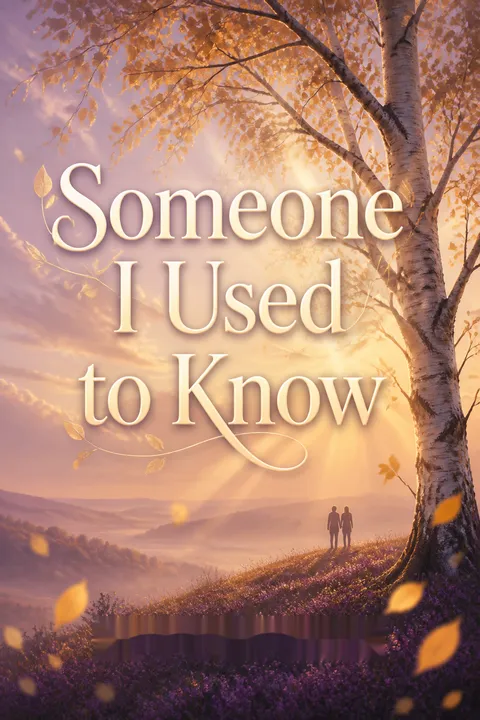
Someone I Used to Know is a deeply moving exploration of family, loss, and the enduring power of love. Paige Toon uses the framework of a foster family to interrogate what it means to belong, to care, and to let go. The novel's dual timeline structure allows for a nuanced portrayal of how childhood wounds shape adult choices, and how healing is possible but never simple. The story is unflinching in its depiction of trauma—abandonment, grief, the failures of the care system—but it is equally committed to hope, resilience, and the possibility of redemption. The rituals of the farm—tree plantings, shared meals, letters, and cake days—become acts of resistance against despair, affirming the value of chosen family and the necessity of community. Ultimately, the novel argues that love is not a finite resource, but something that grows through acts of courage, forgiveness, and the willingness to begin again. The legacy of Leah's parents, embodied in the living wood they plant and the children they nurture, is a testament to the quiet heroism of those who choose to care, even when it means risking heartbreak. In a world marked by impermanence and loss, Someone I Used to Know offers a vision of family as an ongoing act of creation—a legacy not of blood, but of love.
Review Summary
Someone I Used to Know is widely praised for its emotional depth, dual timeline structure, and sensitive exploration of the foster care system. Set on a North Yorkshire alpaca farm, readers loved the complex relationships between Leah, Theo, and George, with many highlighting an unexpected plot twist. While most found it moving and unputdownable, a few felt the romance lacked chemistry or the pacing was slow in places. Overall, reviewers celebrated it as far more than a typical romance novel.
People Also Read



Characters
Leah
Leah is the biological daughter of foster parents, raised in a home overflowing with children in need. Her identity is shaped by both privilege and neglect—she is loved, but often sidelined by the demands of fostering. Leah's relationships are marked by longing and loss: her deep connection to George, her complicated love for Theo, and her devotion to her daughter, Emilie. Grief and guilt are constant companions, but Leah's capacity for empathy and her willingness to begin again define her journey. She is both the heart of the family and its most restless spirit, always seeking a place to call home.
George
George enters the family as a traumatized teenager, carrying the scars of loss, abuse, and separation from his sister, Sophie. His initial resistance gives way to deep bonds with Leah and Jamie, but his inability to express his feelings leads to misunderstandings and heartbreak. George's disappearance is both an act of desperation and self-preservation. As an adult, he is shaped by years of searching, failed relationships, and the longing for family. His return to the farm is a chance for healing, forgiveness, and the creation of a new legacy through fostering and love.
Theo
Theo is the son of a wealthy but emotionally distant family, sent to the local school after being expelled from boarding schools. His charm and wit mask deep wounds—his mother's death, his father's neglect, and his own sense of not belonging. Theo's relationship with Leah is both a refuge and a battleground, marked by passion, rivalry, and the fear of abandonment. His tragic death leaves a void that shapes Leah's grief and her struggle to move forward. Theo's memory is kept alive through Leah's letters and Emilie's existence.
Jamie
Jamie is the foster brother who becomes the son Leah's parents always wanted. His loyalty, humor, and resilience make him a linchpin of the family, both as a child and as an adult. Jamie's journey from troubled teen to veterinarian and caretaker of the farm mirrors the family's ethos of healing and second chances. His relationship with Leah is one of mutual support and understanding, and his eventual partnership with Dani brings further stability to the family.
Emilie
Emilie is Leah and Theo's daughter, born into a world shaped by loss and love. She is both a reminder of what has been lost and a reason to keep going. Emilie's presence grounds Leah, offering moments of joy and purpose amid grief. As she grows, Emilie becomes a bridge between past and future, embodying the possibility of healing and new beginnings.
Sophie
Sophie is George's younger sister, separated from him by the care system and adopted by another family. Her absence is a source of enduring pain for George, and his search for her shapes much of his adult life. Their eventual reunion is a moment of catharsis and hope, allowing both siblings to reclaim a sense of family and belonging.
Leah's Parents (Carrie and Ivan)
Carrie and Ivan dedicate their lives to fostering, creating a home that is both sanctuary and crucible. Their love is unconditional, but their attention is often divided, leaving Leah feeling both cherished and overlooked. Ivan's death is a turning point, forcing the family to reckon with his legacy and the meaning of home. Carrie's resilience and adaptability become a model for Leah as she navigates her own journey of loss and renewal.
Becky
Becky is Leah's childhood best friend, a constant presence through the upheavals of adolescence and adulthood. Their friendship is tested by distance, jealousy, and the demands of family, but ultimately endures. Becky's own journey—marriage, motherhood, emigration and return—parallels Leah's, offering a counterpoint to her struggles and a reminder of the enduring power of chosen family.
Dani
Dani is Jamie's partner, herself a product of the care system. Her struggles with addiction and her determination to build a better life mirror the challenges faced by many of the foster children in the story. Dani's relationship with Jamie and her eventual sobriety and motherhood are testaments to the possibility of healing and transformation.
Ashlee and Nia
Ashlee and Nia are young sisters fostered by Leah's family, their eventual adoption by another family a source of both joy and heartbreak. Their story encapsulates the central tension of fostering: the desire to provide love and stability, and the pain of letting go. Their absence leaves a lasting mark on the family, a reminder of both the limits and the necessity of care.
Plot Devices
Dual Timeline Structure
The novel alternates between "Then" and "Now," weaving together Leah's adolescence and her adult life. This structure allows the reader to see the roots of present-day conflicts in past events, building suspense and emotional resonance. The gradual revelation of secrets, misunderstandings, and lost opportunities creates a sense of inevitability and poignancy, as the characters struggle to break free from the patterns of their youth.
Letters and Unsent Messages
Letters—written, unsent, or returned—are a recurring motif, symbolizing the characters' inability to communicate their deepest feelings. Leah's letters to Theo after his death become a form of therapy and a bridge to the future, while the letters George writes to his sister sustain his hope. The act of writing is both a way to hold on and to let go, a testament to the power and limitations of language.
The Tree Planting Ritual
The tradition of planting a tree for each foster child is a powerful symbol of the family's ethos: every child leaves a mark, but not all can stay. The trees are both memorials and promises, living reminders of the impermanence and impact of care. The ritual is a source of comfort and conflict, encapsulating the paradox of fostering—creating roots for those who may not remain.
Foreshadowing and Circularity
The narrative is rich with foreshadowing—moments, objects, and phrases that recur across timelines, creating a sense of fate and interconnectedness. The story's ending mirrors its beginning, with Leah and George offering sanctuary to a new generation of children, completing the circle of care and redemption.
Symbolic Settings
The Yorkshire farm, the tree-filled paddocks, and the wild outcrop of Brimham Rocks are more than backdrops—they are characters in their own right, reflecting the inner lives of Leah and her family. These settings are sites of trauma, healing, and transformation, grounding the story in a vivid sense of place and belonging.
About the Author

Download PDF
Download EPUB
.epub digital book format is ideal for reading ebooks on phones, tablets, and e-readers.








































