
Plot Summary
Underground Chains and Fire
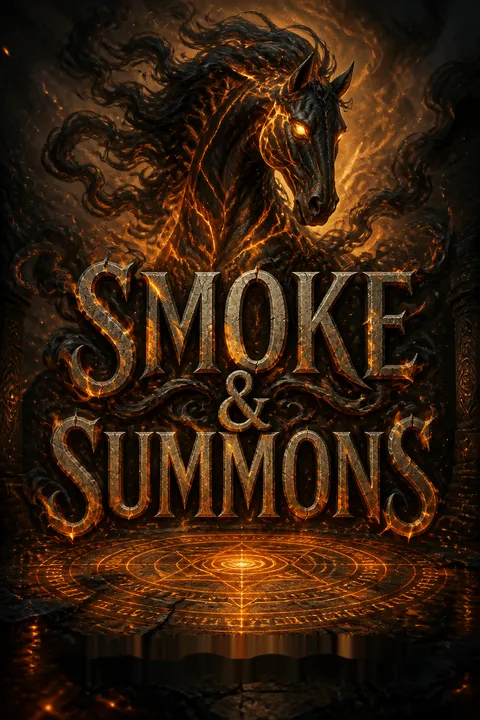
Sandis, a young woman branded as a vessel, endures life as a slave beneath the city of Dresberg, forced to host a powerful numen, Ireth, summoned by her cruel master Kazen. The underground lair is a place of fear, routine, and constant threat, where Sandis clings to small comforts and the hope of finding her lost family. Her unique connection to Ireth—unusual for a vessel—sets her apart and makes her both valuable and vulnerable. The oppressive atmosphere is punctuated by the ever-present threat of Kazen's punishments and the haunting memory of her brother's disappearance. Sandis's longing for freedom and family burns quietly beneath her obedience, even as she is forced to become a weapon for others.
The Thief and the Amarinth
Rone, a skilled thief with a magical artifact called the amarinth, navigates the city's rooftops and shadows, taking dangerous jobs to support himself and his mother. His latest heist brings him into contact with Sandis, who is on the run after witnessing Kazen's horrific experiments. Their paths cross in a tavern, where Rone's bravado and Sandis's desperation collide. When Kazen's men arrive to recapture Sandis, Rone intervenes, using the amarinth's brief immortality to fight them off. In the chaos, Sandis steals the amarinth and flees, setting off a chain of pursuit and uneasy partnership. The city's dangers and the artifact's power draw them together, even as secrets and mistrust simmer between them.
Screams in the Summoning Room
Sandis, haunted by the screams of fellow vessels, witnesses Kazen's attempt to summon the monstrous Kolosos into Heath, resulting in a gruesome death. The horror of the failed summoning and the realization that she could be next galvanize Sandis to escape. She flees the lair, leaving behind the only people who understand her pain, and enters the city above, desperate and alone. The trauma of what she has seen—and the knowledge that Kazen's ambitions are growing—drive her to search for any remaining family, clinging to the hope that the name Gwenwig in a bank ledger might lead to salvation. The city, however, is as unforgiving as the world below.
Escape and Pursuit
Sandis's escape is fraught with hunger, exhaustion, and the constant threat of recapture. She navigates the city's unfamiliar streets, searching for clues to her family and stealing to survive. Rone, determined to recover his amarinth, chases her through crowds and alleys, their fates entwined by necessity. When Sandis is cornered by Kazen's men, Rone intervenes again, and together they narrowly escape. Their alliance is uneasy, built on mutual need rather than trust. As they hide from both grafters and the law, Sandis's visions of Ireth grow more urgent, warning her of the dangers to come. The city's shadows close in, and the line between friend and foe blurs.
A Reluctant Alliance
Forced to rely on each other, Sandis and Rone form a fragile partnership. Rone's motives are complicated by his mother's imprisonment and his own need for money, while Sandis's hope rests on finding Talbur Gwenwig. They navigate the city's underbelly, seeking information and evading Kazen's relentless pursuit. Along the way, they encounter allies like Rone's old teacher Kurtz, who offers shelter and advice. Sandis's unique connection to Ireth deepens, manifesting in visions and warnings about Kolosos. As they share their pasts and vulnerabilities, a tentative trust and affection begin to grow, even as the threat of betrayal and the weight of their secrets loom.
The Amarinth's Bargain
Rone's desperation to save his mother leads him to a fateful bargain: he agrees to deliver Sandis to Kazen's agents in exchange for money and emigration papers. The moral cost of this decision torments him, even as he tries to justify it as the only way to save his family. Sandis, unaware of the deal, continues to search for her uncle, clinging to hope. When the trap is sprung, Sandis is devastated by Rone's betrayal, and Kazen regains his prized vessel. The amarinth, once a symbol of protection, becomes a token of lost trust. Both are left to reckon with the consequences of their choices.
Visions and Betrayals
Imprisoned once more, Sandis is subjected to Kazen's punishments and preparations for the Kolosos summoning. Her connection to Ireth is severed, leaving her empty and alone. Visions of the amarinth and Kolosos haunt her, their meanings elusive but urgent. Rone, wracked with guilt, rescues his mother and prepares to flee the country, but the memory of Sandis's screams and the knowledge of what he has done drive him back. Both are forced to confront the truth of their actions and the depth of their losses. The city's darkness is mirrored in their hearts, and hope seems more distant than ever.
The Search for Family
Sandis, clinging to the last thread of hope, discovers the address of Talbur Gwenwig, only to find that he is not the savior she imagined. The search for family becomes a search for meaning and belonging, as Sandis realizes that blood ties may not offer the rescue she seeks. Rone, meanwhile, learns that the man who hired him to betray Sandis is the same Talbur Gwenwig, deepening the sense of betrayal and futility. The city's labyrinth of secrets and lies offers no easy answers, and both must decide what they are willing to risk for freedom and redemption.
The Angelic's Refusal
Seeking help from the city's spiritual leader, the Angelic—who is revealed to be Rone's estranged father—Sandis and Rone are met with indifference and rejection. The Angelic's refusal to intervene against Kazen or help Rone's mother underscores the impotence of faith and authority in the face of corruption and cruelty. The encounter reopens old wounds for Rone and shatters any remaining illusions Sandis has about rescue from above. They are left to rely on themselves and each other, their trust battered but not entirely broken. The city's institutions offer no sanctuary, and the true battle must be fought in the shadows.
The Price of Freedom
Rone's deal with Talbur Gwenwig—delivering Sandis in exchange for his mother's freedom and a chance to escape Kolingrad—forces him to confront the cost of survival. The weight of his betrayal and the knowledge of what Sandis will endure haunt him, even as he tries to justify his actions. Sandis, broken by captivity and the loss of Ireth, faces the prospect of being used to summon Kolosos. Both are trapped by the consequences of their choices, and the price of freedom becomes unbearably high. The city's darkness is a reflection of their own, and redemption seems out of reach.
The Trap at Magdara
Sandis and Rone, each seeking answers and closure, converge at the address on Magdara, only to discover that Talbur Gwenwig is the architect of their misery. The revelation that he orchestrated Sandis's betrayal and Rone's moral downfall is a final blow to their hopes. The confrontation forces them to reckon with the reality that family and trust can be as dangerous as any enemy. The city's web of secrets tightens, and the only way forward is through the fire. The past cannot be undone, but the future remains unwritten.
Kazen's Experiments
Kazen, obsessed with summoning Kolosos, prepares Sandis as the vessel for his ultimate experiment. The process is brutal and dehumanizing, stripping Sandis of her last defenses and hope. The lair becomes a place of ritual and horror, where blood and sacrifice are the currency of power. Sandis's memories and sense of self are eroded by isolation and pain, and the loss of Ireth leaves her hollow. Kazen's ambition is matched only by his cruelty, and the stage is set for a confrontation that will determine the fate of all.
The Monster Kolosos
The ritual to summon Kolosos is a spectacle of blood and terror, with Sandis chained and forced to the brink of death. Kazen's willingness to sacrifice anyone—including his own followers—reveals the depths of his madness. Sandis, drawing on the last reserves of her will, resists the summoning, even as the monstrous presence of Kolosos presses in. The boundaries between worlds blur, and the cost of power becomes clear. The city's fate hangs in the balance, and the true nature of heroism is revealed in the struggle to resist.
The Breaking of Bonds
In the aftermath of the failed summoning, Sandis is left broken and alone, her connection to Ireth severed. The loss is profound, leaving her without the one being who understood and cared for her. The emptiness is mirrored by the city's indifference and the betrayal of those she trusted. Rone, having rescued his mother but lost his soul, is haunted by regret and the knowledge that some wounds cannot be healed. The breaking of bonds—magical and human—marks the end of innocence and the beginning of a new, uncertain chapter.
The Final Summoning
Rone, unable to live with his choices, returns to rescue Sandis from Kazen's lair. Their reunion is fraught with pain and confusion, but necessity forges a new alliance. Together, they confront Kazen in a final, desperate battle, using all their skills and the last of their strength. The amarinth becomes both weapon and symbol, its power the key to survival. The fight is brutal and costly, with blood and fire marking the end of Kazen's reign. In the chaos, the boundaries between victim and hero blur, and the true cost of freedom is revealed.
Blood and Ashes
Sandis and Rone, bloodied and exhausted, flee the ruins of Kazen's lair. The city is changed, and so are they. The amarinth is lost, and with it, the last vestige of magical protection. Sandis, stripped of Ireth and family, must decide what kind of future she can build from the ashes. Rone, burdened by guilt and loss, seeks redemption in action, even as trust between them is fragile. The city's dawn brings no easy answers, only the promise of more struggle and the faint glimmer of hope.
The Amarinth Lost
The loss of the amarinth—and the possibility that Kazen may have survived by seizing its power—casts a long shadow over Sandis and Rone's escape. Their relationship, already strained by betrayal, is further tested by fear and uncertainty. The city remains dangerous, and the threat of Kazen's return looms. Sandis, determined to find Talbur Gwenwig and reclaim some measure of agency, sets out on her own path. Rone, haunted by his failures, follows, hoping for a chance at redemption. The past cannot be undone, but the future is still theirs to shape.
The Last Hope
Sandis and Rone, battered but unbroken, confront the man at the heart of their suffering—Talbur Gwenwig. The meeting is fraught with tension, betrayal, and the possibility of new beginnings. The city's darkness is matched by the resilience of those who refuse to be broken. The story ends on the cusp of change, with Sandis and Rone facing an uncertain future but determined to reclaim their lives and forge their own destinies. The lessons of pain, trust, and sacrifice linger, offering the hope that even in a world of smoke and summons, light can be found.
Analysis
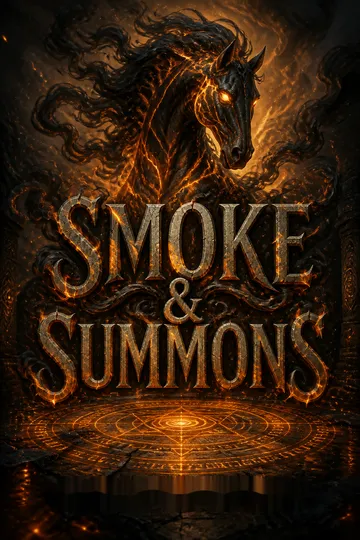
Smoke & Summons is a dark, inventive fantasy that interrogates the nature of power, agency, and the cost of survival in a world built on exploitation. Through the intertwined journeys of Sandis and Rone, the novel explores how trauma, hope, and the longing for connection shape identity and choice. The vessel system is a powerful metaphor for dehumanization, while the amarinth and the summoning rituals literalize the struggle for control over one's body and fate. Betrayal is not merely a plot twist but a crucible for character, forcing both protagonists to confront the limits of trust and the meaning of redemption. The story's refusal to offer easy answers—about family, faith, or freedom—reflects the complexity of real-world oppression and resilience. Ultimately, Smoke & Summons is a meditation on the possibility of light in the darkest places, the necessity of forging one's own destiny, and the enduring power of hope, even when all seems lost.
Review Summary
Smoke & Summons receives mixed reviews, averaging 3.89 stars. Fans praise the unique magic system involving demon vessels, fast-paced action, and worldbuilding. Many appreciate protagonists Sandis and Rone's dynamic, though some find Sandis frustratingly passive and Rone irritating. Critics note repetitive chase sequences, weak characterization, one-dimensional villains, and problematic virginity requirements for vessels. Several reviewers detect the author's religious influence in the characters' wholesomeness. The cliffhanger ending polarizes readers. While some call it engaging YA fantasy with creative demon-summoning mechanics, others find it formulaic with poor character agency and "Twilight-level wish fulfillment."
People Also Read


Characters
Sandis Gwenwig
Sandis is a young woman marked by trauma, loss, and an indomitable will to survive. Branded as a vessel for numina, she is forced to endure pain and possession, her body and spirit used as tools by others. Her unique connection to Ireth sets her apart, granting her visions and a sense of agency rare among vessels. Sandis's longing for family and belonging drives her quest, even as betrayal and disappointment threaten to break her. Her psychological journey is one of resilience in the face of dehumanization, and her capacity for empathy and hope persists despite repeated suffering. Sandis's development is marked by the gradual reclamation of her voice and power, even as she grapples with the cost of trust and the meaning of freedom.
Rone Comf
Rone is a skilled thief whose life is defined by pragmatism, loyalty to his mother, and a deep-seated sense of inadequacy. The amarinth, his magical artifact, is both his shield and his curse, offering brief immortality but never true safety. Rone's relationship with Sandis is fraught with tension, attraction, and the ever-present threat of betrayal. His decision to trade Sandis for his mother's freedom is the story's central moral crisis, and his subsequent guilt and quest for redemption drive his actions. Rone's psychological complexity lies in his struggle to balance self-preservation with conscience, and his journey is one of painful growth, as he learns the true cost of survival and the possibility of forgiveness.
Kazen
Kazen is the architect of Sandis's suffering, a master summoner whose ambition and cruelty know no bounds. His obsession with power and the occult drives him to ever more dangerous experiments, culminating in the attempt to summon Kolosos. Kazen's psychological profile is marked by a chilling detachment, manipulative intelligence, and a capacity for both calculated kindness and sudden violence. He views people as tools, and his ability to inspire both fear and loyalty in his followers is a testament to his charisma. Kazen's downfall is rooted in his hubris and inability to recognize the humanity of those he controls.
Ireth
Ireth is a numen of fire, bound to Sandis and unique in his ability to communicate with her. Though not human, Ireth's presence is a source of comfort, warning, and strength for Sandis. He represents the possibility of connection and agency within a system designed to strip both away. Ireth's fear of Kolosos and his attempts to warn Sandis add a layer of urgency and tragedy to the narrative. His eventual loss is a profound blow, symbolizing the end of innocence and the cost of survival.
Adalia Comf
Rone's mother is a figure of resilience and quiet strength, enduring imprisonment and hardship with dignity. Her relationship with Rone is the emotional anchor of his story, and her suffering is the catalyst for his most difficult choices. Adalia's forgiveness and unwavering love offer a counterpoint to the betrayals and losses that define the narrative. Her presence underscores the theme of family as both burden and blessing.
Talbur Gwenwig
Talbur is the shadowy figure at the heart of Sandis's quest for family. His role as both potential savior and actual betrayer complicates the narrative's exploration of trust and kinship. Talbur's manipulation of Rone and Sandis reveals the dangers of misplaced hope and the complexity of human motivation. His actions force the protagonists to confront the reality that blood ties do not guarantee loyalty or safety.
Galt
Galt is Kazen's right hand, a figure of physical threat and sadistic pleasure. His interactions with Sandis and the other vessels are marked by violence and intimidation. Galt's willingness to harm and his enjoyment of others' suffering make him a symbol of the system's dehumanizing power. His eventual death is both a moment of catharsis and a reminder of the story's pervasive brutality.
Alys
Alys is the youngest and most vulnerable of Kazen's vessels, her innocence a stark contrast to the horrors around her. Sandis's protective feelings toward Alys highlight her own lost innocence and the cost of survival. Alys's fate is a barometer of the lair's cruelty, and her suffering is a constant reminder of what is at stake.
Heath
Heath's anxiety and eventual death at the hands of Kazen's experiment serve as a warning to Sandis and a catalyst for her escape. His vulnerability and terror are emblematic of the vessels' plight, and his fate underscores the story's themes of expendability and the dangers of unchecked ambition.
The Angelic (Adellion Comf)
The Angelic, Rone's estranged father and the city's spiritual leader, represents the failure of institutional power and the limits of faith. His refusal to help Sandis or Rone is a profound betrayal, mirroring the personal betrayals that define the narrative. The Angelic's detachment and self-justification highlight the story's critique of authority and the need for individual action.
Plot Devices
The Vessel System and Summoning
The central device of the novel is the system of vessels—humans branded and prepared to host numina, otherworldly beings summoned by ritual and blood. This system is both a literal and metaphorical engine of the plot, driving the action and exploring themes of agency, exploitation, and identity. The summoning rituals, with their pain and loss of self, serve as both horror and allegory, while the unique bond between Sandis and Ireth introduces the possibility of resistance and communication. The vessel system is a lens through which the story examines power, trauma, and the struggle for autonomy.
The Amarinth
The amarinth, a magical artifact granting one minute of invulnerability per day, is both a tool and a symbol. It enables daring escapes and acts of heroism, but its limitations force characters to make hard choices about when and how to use it. The amarinth's transfer between hands—stolen, lost, and possibly claimed by Kazen—mirrors the shifting dynamics of trust and betrayal. Its connection to the visions of Kolosos and the Noscon past adds a layer of mystery and foreshadowing, tying the personal struggles of the characters to the larger, ancient forces at play.
Betrayal and Moral Dilemmas
The narrative is structured around a series of betrayals—Rone's deal with Kazen, Talbur's manipulation, the Angelic's refusal—that force the characters to confront the limits of trust and the price of survival. These betrayals are not simple acts of villainy, but complex moral dilemmas rooted in love, desperation, and the desire for freedom. The story uses these moments to explore the gray areas of right and wrong, the consequences of compromise, and the possibility of redemption.
Visions and Foreshadowing
Sandis's visions—sent by Ireth and centered on the amarinth and Kolosos—serve as both plot device and psychological window. They foreshadow coming dangers, reveal hidden connections, and heighten the sense of urgency. The ambiguity of the visions mirrors Sandis's uncertainty and the story's refusal to offer easy answers. They also tie the personal stakes of the characters to the larger, cosmic conflict between human ambition and otherworldly power.
Narrative Structure and Pacing
The novel alternates between Sandis's and Rone's perspectives, allowing for a deep exploration of their inner lives and the gradual convergence of their stories. The pacing is driven by a series of escalating threats—Kazen's experiments, the pursuit of the grafters, the looming summoning of Kolosos—that keep the tension high and the stakes ever-increasing. The structure allows for moments of intimacy and reflection amid the action, grounding the fantastical elements in emotional reality.
Numina Trilogy Series
About the Author




Download PDF
Download EPUB
.epub digital book format is ideal for reading ebooks on phones, tablets, and e-readers.








































