
Plot Summary
Betrayals in Smoke and Blood
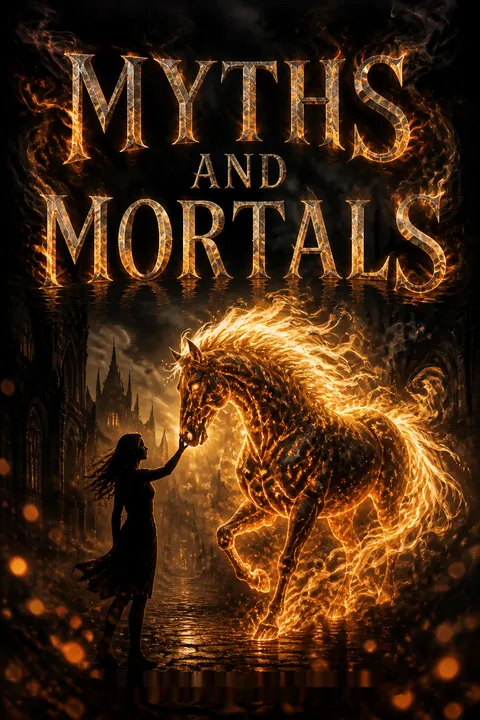
In a smoke-filled room, Sandis stands between her great-uncle Talbur and Rone, both of whom have betrayed her—Talbur by selling her to Kazen, and Rone by delivering her for his own desperate reasons. Sandis, marked as a vessel for summoning numina, is haunted by trauma and loss, especially the severing of her bond with Ireth, the fire horse numen. She is adrift, unable to trust anyone, and the city's corruption and violence press in on her. The emotional weight of betrayal and the scars of her past set the stage for her struggle to reclaim agency and find a place of safety.
Family Ties, Fractured Trust
Living in Talbur's home, Sandis tries to adapt to a life of comfort, but the security is conditional. Talbur's affection is transactional; he expects her to act as his enforcer, even asking her to poison a man. When she refuses, he casts her out, revealing his love is only as deep as her usefulness. Homeless and desperate, Sandis turns to Rone, the man who betrayed her but also the only one who might understand her pain. The chapter explores the ache for family and the devastation when that hope is weaponized.
Nightmares and New Refuge
Sandis's nightmares—visions of Kolosos and her past as a vessel—grow worse, leading her to sleepwalk and relive her terror. Rone, wracked with guilt, tries to help, but their relationship is strained by the memory of his betrayal. Sandis's only solace is routine and the faint hope of safety, but even in moments of peace, the city's dangers and her own memories threaten to overwhelm her. The emotional distance between Sandis and Rone is palpable, and the need for healing is urgent.
The Price of Survival
Sandis is forced to deliver brain dust for Talbur, a reminder of the city's criminal underbelly and her own precarious position. She contemplates her lack of options and the cost of refusing to be a weapon. When she finally leaves Talbur for good, she is overcome by despair and loneliness, realizing she has no one left. Rone finds her in the street, and her breakdown exposes the rawness of her loss and the impossibility of trusting again. The chapter is a meditation on the cost of survival in a world that demands sacrifice of self.
The City's Dark Heart
In the city's underground, Kazen, the summoner who once controlled Sandis, remains a force of terror. He sells the gold brands stripped from vessels—remedial gold—on the dark market, profiting from the suffering of others. His reputation is undiminished, and his machinations continue, even as Sandis and Rone try to build new lives. The city's criminal networks, the commodification of bodies, and the persistence of evil are laid bare.
Seeking Justice, Finding Shadows
Determined to stop Kazen and save other vessels, Sandis and Rone investigate a string of missing children, suspecting Kazen's involvement. Their efforts to alert the authorities and the Angelic are met with indifference or denial. The city's institutions are corrupt or apathetic, and the only help comes from a sympathetic priestess who shares forbidden knowledge about Kolosos. The chapter highlights the futility of seeking justice in a broken system and the need to take matters into their own hands.
The Angelic's Indifference
Sandis and Rone's plea to the Angelic, the city's spiritual leader and Rone's estranged father, is dismissed. The Angelic refuses to believe in the threat of Kolosos or the reality of summoning, preferring prayer and inaction. Only a lower priestess, Marisa, acknowledges the danger and provides cryptic guidance. The failure of faith and authority to protect the vulnerable deepens Sandis's sense of isolation and the urgency of her quest.
Bargains with the Mob
With no help from the authorities, Sandis and Rone turn to the city's mob, led by Sherig, the widow of Grim Rig. They offer information about Kazen's lair and his weakened state in exchange for help. The alliance is uneasy, built on mutual hatred of Kazen and the promise of loot. Sandis must play the role of a weapon once more, and the risk of betrayal is ever-present. The chapter explores the necessity and danger of making deals with the city's underworld.
Assault on Kazen's Lair
The mob's assault on Kazen's lair is chaotic and bloody. Sandis and Rone fight to free the other vessels, but Kazen escapes through a secret passage, taking the amarinth—a magical artifact of protection—with him. The vessels are scattered, and Sandis is left with a new companion, Bastien, who now bears Ireth's name. The aftermath is one of exhaustion, loss, and the realization that Kazen remains a threat.
Fractured Alliances
Sandis, Rone, and Bastien regroup, but trust is fragile. Bastien reveals he is now Ireth's vessel, and Sandis must confront the loss of her unique bond. The group searches for the other freed vessels, hoping to unite against Kazen. Rone's guilt and Sandis's pain simmer beneath the surface, and the threat of Kazen's return looms. The chapter is a study in the difficulty of rebuilding trust and the necessity of forging new alliances.
The Stranger's Attack
A mysterious, deadly stranger attacks Sandis, Rone, and Bastien, nearly killing Rone and revealing himself as a seugrat-trained mercenary. The attack leaves Rone gravely injured and the group on the run once more. The stranger's purpose is unclear, but his skill and ruthlessness mark him as a new kind of threat—one that is not bound by the city's rules or allegiances. The sense of vulnerability and danger is heightened.
The Weight of Guilt
As Rone recovers, Sandis is wracked with guilt over the deaths and suffering around her. The group is fractured by loss—of trust, of friends, of hope. Rone's attempts to atone for his betrayal are met with ambivalence, and Sandis struggles to forgive. The emotional toll of their journey is evident, and the need for healing and reconciliation becomes urgent.
Gathering the Lost
Sandis and Bastien use numina to search for the other vessels, eventually finding Rist and Kaili. The reunion is bittersweet—Kaili is gravely injured, and Rist is angry and traumatized. The group's hope of uniting the vessels against Kazen is complicated by broken scripts and broken spirits. The chapter explores the difficulty of healing after trauma and the challenge of building a found family.
The Cost of Power
Bastien offers to let Sandis become Ireth's vessel again, recognizing her unique bond with the numen. The transfer is painful and risky, but Sandis is once more connected to Ireth, gaining strength and hope. The act is one of friendship and selflessness, but it also underscores the cost of power and the pain of being a vessel. The chapter is a meditation on sacrifice, agency, and the meaning of true strength.
Remedial Gold
The group learns the truth about remedial gold—gold stripped from the backs of vessels and sold on the dark market for its supposed mystical properties. The revelation is horrifying, especially when they discover that Alys, one of the missing vessels, has been killed and her brands sold. The commodification of bodies and the city's complicity in this trade are exposed, deepening the sense of horror and injustice.
The Stranger's Purpose
Rone investigates the stranger, learning his name—Verger—and his reputation as a mercenary who feels no pain and kills without remorse. Verger's purpose is revealed: to harvest vessels for remedial gold, not just to serve Kazen. The threat he poses is existential, and the group realizes that even cutting their scripts may not save them from being hunted for profit. The city's darkness is deeper than they imagined.
Losses and Apologies
The group suffers devastating losses—Kaili is killed and harvested for gold, and Rist, broken by grief, blames Sandis and leaves. The emotional fallout is intense, with Sandis and Rone finally confronting their feelings and offering each other genuine apologies. Their reconciliation is hard-won, built on shared pain and the recognition of each other's humanity. The chapter is a turning point, as love and forgiveness begin to heal old wounds.
The Final Betrayal
Sandis discovers that her great-uncle Talbur is behind the harvesting of vessels, including Kaili. The betrayal is complete—family, the last hope of belonging, is revealed as the architect of her suffering. Sandis confronts Talbur, torn between vengeance and mercy, and ultimately chooses not to become a killer. The chapter is a reckoning with the meaning of family, power, and justice.
The Harvesting Room
In a harrowing confrontation, Sandis, Rone, and Bastien face Talbur and Verger in the harvesting facility. Kaili is already dead, and the group must decide how to respond. Rone kills Verger in a brutal fight, and Talbur is left for the authorities. The group cremates Kaili's body, giving her dignity in death. The chapter is a meditation on the limits of justice and the cost of survival.
The Last Family
The group is shattered by loss—Kaili is gone, Rist has left, and the hope of a found family is in jeopardy. Sandis and Rone find solace in each other, finally expressing their love and commitment. Bastien's friendship and sacrifice are honored, and the group prepares for the final confrontation with Kazen. The chapter is a quiet moment of healing and resolve before the storm.
The Truth of the Celestial
Sandis, now Ireth's vessel again, discovers the truth about the Celestial—the city's god is a numen, just like Kolosos. The revelation shakes the foundations of faith and identity, exposing the hypocrisy of the city's religion and the true nature of power. Kazen's plan is revealed: to summon Kolosos at the Lily Tower and force the world to see the truth. The stakes are existential, and the group races to stop him.
The Tower's Fall
Kazen unleashes chaos at the Lily Tower, summoning Kuracean to attack the city's spiritual heart. Sandis and Rone race to stop him, but Kazen has a new vessel—Sandis's long-lost brother, Anon. The amarinth is in play, and the city is on the brink of destruction. The chapter is a crescendo of action, emotion, and revelation, as all the threads converge in a battle for the soul of the city.
Kolosos Unleashed
In a moment of horror and heartbreak, Kazen uses Anon to summon Kolosos, unleashing the numen's destructive power on the city. Sandis is paralyzed by the recognition of her brother and the enormity of the threat. The story ends on a note of devastation and uncertainty, as the consequences of betrayal, ambition, and the search for truth come crashing down.
Analysis
"Myths and Mortals" is a dark, emotionally charged fantasy that interrogates the nature of power, trauma, and the search for belonging in a world built on exploitation. At its core, the novel is about the struggle to reclaim agency in the face of overwhelming betrayal—by family, lovers, institutions, and faith itself. Sandis's journey from pawn to agent is mirrored in her relationships: with Rone, whose betrayal and eventual apology force both to confront the possibility of forgiveness; with Bastien, whose selfless friendship redefines family; and with the city, whose indifference and violence demand resistance. The motif of remedial gold—bodies commodified and sold—serves as a powerful metaphor for the ways in which systems profit from the suffering of the vulnerable. The revelation that the Celestial is a numen, no different from Kolosos, collapses the binary of good and evil, exposing the hypocrisy of faith and the need for new forms of meaning. The novel's lesson is both sobering and hopeful: healing is possible, but only through the hard work of forgiveness, the courage to love, and the refusal to become what one hates. In a world where monsters are both within and without, the greatest act of resistance is to choose compassion and agency, even when all hope seems lost.
Review Summary
Myths and Mortals, the second book in Charlie N. Holmberg's Numina trilogy, receives mixed reviews averaging 4.11/5 stars. Readers praise the improved writing, character development, and intricate plot involving vessels and numina. Many appreciate the slow-burn romance between Sandis and Rone, though some find Sandis irritating and the relationship angst excessive. The cliffhanger ending frustrates yet compels readers. Common criticisms include predictability, limited worldbuilding expansion, underdeveloped side characters, and "second book syndrome." Despite flaws, most reviewers enjoyed the story enough to continue the series.
People Also Read

Characters
Sandis Gwenwig
Sandis is the protagonist, a young woman marked as a vessel for summoning numina. Her journey is defined by trauma, betrayal, and the search for belonging. She is deeply empathetic, longing for family and connection, but repeatedly betrayed by those she trusts—her great-uncle Talbur, her would-be lover Rone, and the city itself. Sandis's psychological arc is one of reclaiming agency: she moves from being a pawn in others' games to forging her own path, even as she is haunted by nightmares and the threat of Kolosos. Her bond with Ireth, the fire horse numen, is both a source of strength and loss, symbolizing her struggle to find meaning and power in a world that commodifies her body and soul. Sandis's development is marked by resilience, compassion, and the hard-won ability to forgive and love again.
Rone Comf
Rone is Sandis's complex ally and love interest, a man whose initial betrayal—selling Sandis to Kazen to save his mother—casts a long shadow over their relationship. Driven by guilt and a desperate need for redemption, Rone oscillates between self-loathing and fierce protectiveness. His psychological journey is one of atonement: he risks everything to help Sandis, even as he doubts his own worthiness. Rone's relationship with his estranged father, the Angelic, and his struggle to reconcile love, duty, and survival add depth to his character. His eventual apology and willingness to fight for Sandis mark his growth from self-serving survivor to selfless partner.
Bastien
Bastien is a Godobian vessel who becomes Sandis's closest friend and, for a time, the bearer of Ireth. He is marked by anxiety, kindness, and a deep sense of loyalty. Bastien's willingness to endure pain for Sandis's sake—allowing her to reclaim Ireth—demonstrates his selflessness and the power of chosen family. His humor and vulnerability provide moments of levity and warmth, and his outsider status (as a foreigner and a vessel) deepens the story's exploration of belonging and sacrifice.
Talbur Gwenwig
Talbur is Sandis's great-uncle and the last of her blood family. Initially a figure of hope, he is revealed as a cold, transactional manipulator who values Sandis only for her usefulness. His involvement in the harvesting and sale of remedial gold—brands stripped from vessels—marks him as the architect of much of Sandis's suffering. Talbur's psychological profile is that of a narcissist, skilled at feigning affection but ultimately driven by greed and self-preservation. His betrayal is the final blow to Sandis's hope for family, forcing her to redefine kinship and justice.
Kazen
Kazen is the primary antagonist, a summoner obsessed with bringing Kolosos into the world. He is a master manipulator, both terrifying and magnetic, whose cruelty is matched only by his conviction. Kazen's psychological complexity lies in his belief that he is exposing the world's hypocrisy—revealing the Celestial as a numen and forcing the city to confront its own darkness. His willingness to sacrifice anyone, including Sandis and her brother, for his vision makes him both a tragic and monstrous figure.
Ireth
Ireth is the numen most closely bonded to Sandis, representing both her trauma and her strength. Unlike other numina, Ireth communicates with Sandis, offering comfort and guidance. The loss and eventual reclamation of Ireth mirror Sandis's journey toward self-acceptance and agency. Ireth's presence is a reminder of the possibility of connection, even in a world that seeks to exploit and destroy.
Rist
Rist is one of the freed vessels, marked by anger, grief, and a deep sense of betrayal. The deaths of his brother Heath and his lover Kaili shatter him, and he ultimately blames Sandis for their suffering. Rist's psychological arc is one of trauma and the inability to heal, serving as a counterpoint to Sandis's resilience. His decision to sell the amarinth and abandon the group underscores the story's themes of loss and the limits of forgiveness.
Kaili
Kaili is a gentle, caring vessel who becomes a symbol of the group's hope for family. Her death—harvested for remedial gold—devastates the group and exposes the city's complicity in the commodification of bodies. Kaili's kindness and vulnerability make her loss especially poignant, and her memory haunts Sandis and Rist.
The Stranger (Verger)
Verger is a seugrat-trained killer hired to harvest vessels for remedial gold. He is nearly unstoppable, feeling no pain and showing no remorse. Verger's presence escalates the threat to the group, forcing them to confront the reality that even cutting their scripts cannot save them from exploitation. His eventual defeat by Rone is a hard-won victory, but the cost is high.
The Angelic
The Angelic is Rone's estranged father and the city's spiritual leader. He is a figure of authority and faith, but his refusal to act in the face of danger and his emotional distance from Rone make him a symbol of institutional failure. The Angelic's eventual recognition of the threat of Kolosos comes too late, and his inability to protect his flock mirrors the city's broader failures.
Plot Devices
Duality of Power and Powerlessness
The narrative structure is built around the tension between power and powerlessness—Sandis's journey from pawn to agent, the city's institutions' failure to protect, and the commodification of bodies through remedial gold. The use of numina as both weapons and sources of trauma underscores the ambiguity of power. The story employs foreshadowing through nightmares and visions, hinting at the coming of Kolosos and the collapse of faith. The motif of family—both blood and chosen—is used to explore the possibility and limits of healing. The narrative's pacing alternates between moments of intense action and quiet emotional reckoning, mirroring the characters' psychological states.
Betrayal and Forgiveness
Betrayal is a recurring plot device—Rone's initial betrayal, Talbur's ultimate treachery, the city's abandonment of its vulnerable. These betrayals are not merely plot twists but catalysts for character development, forcing Sandis and Rone to confront their own capacity for forgiveness and love. The structure of the story allows for repeated confrontations and reconciliations, deepening the emotional stakes and highlighting the difficulty of healing after trauma.
The Monster Within and Without
Kolosos, the monstrous numen, is both a literal and metaphorical threat. Its approach is foreshadowed through Sandis's nightmares and the city's increasing violence. The revelation that the Celestial is also a numen collapses the boundary between good and evil, faith and heresy, forcing characters and readers alike to question the nature of power and belief. The use of numina as both saviors and destroyers blurs the line between monster and victim.
The City as Character
The city's criminal networks, corrupt authorities, and indifferent faith leaders are not just backdrop but active forces shaping the characters' fates. The labyrinthine structure of the city—its tunnels, lairs, and hidden markets—mirrors the psychological mazes the characters must navigate. The city's complicity in the trade of remedial gold and the exploitation of vessels is a constant reminder of the broader systems of violence at work.
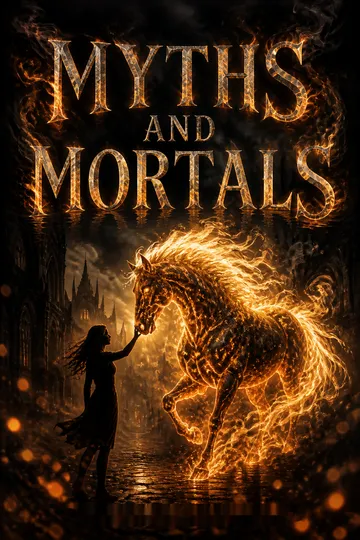
Numina Trilogy Series
About the Author




Download PDF
Download EPUB
.epub digital book format is ideal for reading ebooks on phones, tablets, and e-readers.








































