
Plot Summary
Dawn in Delos Shadows
The story opens with Ceres, a fiercely independent young woman, running through the grimy alleys of Delos with her brothers, Nesos and Sartes. The city is alive with anticipation for the Festival of the Killings, a brutal spectacle that exposes the deep class divide and cruelty of the Empire. Ceres's family is poor, her mother cold and abusive, her father loving but powerless. Despite her hardships, Ceres's spirit is unbroken, and she dreams of a life beyond servitude. Her secret training in combat, forbidden for women, hints at her defiance and longing for agency. The city's oppressive atmosphere and the looming festival set the stage for the collision of personal ambition and societal injustice.
Blood and Bonds Broken
As Ceres and her brothers navigate the festival crowds, they witness the Empire's cruelty firsthand: a starving boy is flogged for stealing an apple, and the crowd's indifference chills Ceres. The event is a microcosm of the Empire's brutality, where the poor are expendable and the rich revel in their suffering. Ceres's compassion and anger deepen, especially as she sees the boy's fate mirrored in her own precarious existence. The bonds with her brothers are tested by the violence around them, and Ceres's resolve to fight for change hardens. The seeds of rebellion are sown in her heart, fueled by the blood and broken bonds she witnesses.
The Festival of Killings
The festival unfolds in the grand Stade, where combatlords fight to the death for the entertainment of the elite. Ceres, her brothers, and her friend Rexus are swept up in the spectacle. The games are both thrilling and horrifying, exposing the callousness of the ruling class and the desperation of the oppressed. When Sartes accidentally falls into the arena, Ceres leaps in to protect him, displaying courage and skill. In a moment of crisis, she discovers a mysterious power within herself, saving Sartes and slaying a deadly beast. The crowd cheers, but Ceres is left shaken, aware that her life has irrevocably changed.
Chains, Betrayal, Escape
Returning home, Ceres faces a new horror: her mother has sold her to a slaver, Lord Blaku, for gold. The betrayal is devastating, shattering any remaining trust Ceres had in her family. She fights back, escaping Blaku's clutches, but is soon recaptured and thrown into a slave wagon with other girls. The journey is brutal, marked by violence and death. Ceres's resilience is tested as she forms a bond with Anka, another captive. Together, they seize a chance to escape, killing their captors and freeing the other slaves. Ceres's transformation from victim to warrior begins, but the scars of betrayal linger.
Royal Games and Rebellion
In the palace, Prince Thanos chafes under the weight of royal expectations and the cruelty of his family. He is drawn to Ceres's courage and skill, hiring her as his weapon-keeper. Their partnership is fraught with tension, attraction, and mutual respect. Meanwhile, the rebellion gains momentum, with Rexus and Ceres's brothers at its heart. The lines between friend and foe blur as Ceres navigates the treacherous world of court politics, secret alliances, and personal ambition. The stakes rise as the king enacts harsher laws, fueling unrest and setting the stage for open conflict.
The Arena's First Blood
Forced to serve as Thanos's weapon-keeper, Ceres is thrust into the heart of the palace's violent games. Her knowledge and intuition help Thanos survive deadly matches, earning her respect and suspicion. The arena becomes a crucible, testing her loyalty, courage, and the mysterious power she wields. The spectacle of blood and survival is both a means of control for the royals and a stage for Ceres's emergence as a symbol of hope. The bond between Ceres and Thanos deepens, complicated by their divided loyalties and the ever-present threat of betrayal.
A Gift and a Goodbye
Ceres's father, facing poverty and the need to provide for the family, leaves to work for another king. Before departing, he gifts Ceres a masterfully crafted sword, a symbol of his love and belief in her potential. The farewell is bittersweet, marking the end of Ceres's childhood and the beginning of her journey as a warrior. The sword becomes both a tool of survival and a link to her past, grounding her as she faces the challenges ahead. The loss of her father's protection forces Ceres to rely on her own strength and the bonds she forges with others.
Sold for Gold
Betrayed by her mother and sold into slavery, Ceres endures humiliation, violence, and the constant threat of death. Her escape with Anka is a testament to her resourcefulness and determination. The experience hardens her, stripping away any illusions about mercy or justice in the Empire. Ceres's identity as a slave is both a source of shame and a crucible for her transformation. The gold that bought her freedom becomes a bitter reminder of her worth in a world that values power over humanity. Her journey from captivity to self-liberation is marked by loss, resilience, and the forging of a new sense of self.
The Price of Defiance
As the rebellion erupts, Ceres is caught between her loyalty to her friends and her growing feelings for Thanos. The revolution is both a beacon of hope and a source of tragedy, as loved ones are lost and betrayals cut deep. Ceres's actions in the arena and her role in the rebellion make her a target for both the royals and the revolutionaries. The cost of defiance is high: friendships are tested, families are torn apart, and the line between hero and villain blurs. Ceres must navigate a world where every choice has consequences, and survival often means sacrificing what she holds most dear.
The Prince's Dilemma
Prince Thanos, raised in privilege but haunted by loss and injustice, finds himself at odds with his family and the expectations of royalty. His growing affection for Ceres challenges his loyalty to the crown and forces him to confront the corruption at the heart of the Empire. Thanos's struggle is both internal and external, as he is manipulated by the king and queen, pressured to marry for political gain, and forced to fight against the rebellion. His relationship with Ceres becomes a battleground for his soul, as he must choose between love, honor, and survival.
The Power Within
In moments of extreme danger, Ceres discovers a mysterious power within herself—a force that allows her to perform feats beyond ordinary human ability. This power is both a blessing and a curse, setting her apart and making her a target. It becomes a symbol of her unique destiny, hinting at a greater purpose beyond personal survival. The power is tied to her emotions, especially her love and rage, and its emergence marks a turning point in her journey from victim to hero. As she learns to harness it, Ceres becomes a beacon of hope for the oppressed and a threat to the established order.
Revolution Ignites
The rebellion, fueled by years of injustice and the courage of individuals like Ceres and Rexus, erupts into open conflict. Battles rage in the streets, alliances are forged and broken, and the cost of freedom becomes painfully clear. The revolution is both a collective movement and a deeply personal struggle for each character. Sacrifices are made, lives are lost, and the dream of a better world is both tantalizingly close and heartbreakingly distant. The flames of revolution consume the old order, but the path to true liberation is fraught with peril and uncertainty.
Shackles and Sacrifice
Ceres is imprisoned, facing execution for defying the royals and striking a noble. In the darkness of the dungeon, she confronts her fears, her regrets, and the limits of her endurance. Visits from Sartes and the kindness of Cosmas, the royal scholar, offer moments of hope and connection. The threat of death hangs over her, but so does the possibility of redemption and escape. The shackles that bind her are both literal and symbolic, representing the constraints of society, family, and fate. Sacrifice becomes the price of freedom, and Ceres must decide what she is willing to lose to gain her life.
The Queen's Pawn
The queen, cunning and ruthless, manipulates Ceres's fate for political gain. Ceres is alternately threatened, imprisoned, and paraded as a symbol of royal benevolence or cruelty. Her identity as a commoner, a woman, and a warrior is exploited to maintain the illusion of control and to placate the restless populace. Ceres's agency is constantly undermined by those who see her as a pawn in their games. Yet, even as she is used, she finds ways to resist, to assert her will, and to inspire others. The struggle for autonomy becomes a central theme, as Ceres fights to define her own destiny.
Love, Loss, and Lies
The tangled relationships between Ceres, Thanos, and Rexus reach a breaking point. Misunderstandings, manipulated by the queen and others, drive wedges between allies and lovers. The revelation of Nesos's death at Thanos's hands devastates Ceres, leading to a rupture in trust and the shattering of dreams. Lies and half-truths poison the bonds that once offered solace and strength. The pain of loss is compounded by the knowledge that love, too, can be a weapon in the hands of the powerful. Ceres must navigate a landscape where nothing is certain, and every heart is vulnerable to betrayal.
The Warrior's Choice
Offered the chance to become a combatlord, Ceres undergoes grueling training under Master Isel. The process is both physically and emotionally demanding, stripping away her vulnerabilities and forging her into a weapon. The choice to embrace her role as a warrior is both an act of defiance and a surrender to necessity. Ceres's identity is reshaped by her experiences, her losses, and her growing sense of purpose. The path she chooses is fraught with danger, but it is also the only way forward. The transformation from slave to warrior is complete, but the cost is high.
Death Sentence at Dawn
Condemned to die, Ceres is paraded before the crowd, her fate a spectacle for the masses. The execution is both a personal ordeal and a public performance, designed to reinforce the power of the royals and the futility of resistance. Yet, even in the face of death, Ceres refuses to be broken. Her courage inspires those around her, and her willingness to sacrifice herself becomes a rallying cry for the oppressed. The moment of execution is interrupted by Thanos's daring rescue, but the reprieve is temporary. The specter of death lingers, shaping every choice and every relationship.
Rescue and Ruin
Thanos's attempt to save Ceres leads to both their imprisonment and the deepening of their bond. The palace becomes a labyrinth of intrigue, betrayal, and shifting alliances. Anka's loyalty and bravery offer moments of hope, but the forces arrayed against Ceres are relentless. The rebellion suffers devastating losses, and the cost of resistance becomes ever more apparent. The cycle of rescue and ruin underscores the precariousness of freedom and the difficulty of trust in a world built on lies. Ceres's journey is marked by both triumph and tragedy, as every victory is shadowed by new threats.
The Princess Combatlord
Forced to fight in the arena as the "princess combatlord," Ceres is transformed into both a celebrity and a tool of the Empire. The spectacle of her battles draws crowds and enriches the royals, but it also exposes the hypocrisy and brutality of the system. Ceres's skill and courage make her a beacon of hope for the oppressed, but also a target for those who fear change. The arena becomes a stage for both personal and political drama, as Ceres's victories and defeats are watched by friend and foe alike. Her identity as a warrior is both empowering and isolating.
From Slave to Warrior
In the climactic battle, Ceres faces a monstrous opponent in the arena, drawing on every ounce of strength, skill, and supernatural power she possesses. The fight is brutal, testing her limits and forcing her to confront her deepest fears. As she stands victorious, bloodied but unbowed, the crowd chants her name, and she realizes that she has become more than a survivor—she is a symbol of resistance, a warrior forged in the fires of oppression. The journey from slave to warrior is complete, but the struggle for freedom and justice is far from over. The story ends with Ceres on the brink of a new chapter, her fate—and the fate of the Empire—hanging in the balance.
Analysis
A modern fable of resistance, identity, and the cost of freedomSlave, Warrior, Queen is a sweeping tale that reimagines the classic hero's journey through the lens of gender, class, and power. At its core, the novel is a meditation on the nature of agency—how individuals, especially those born into oppression, can claim their destinies through courage, resilience, and solidarity. The story's emotional arc is driven by loss, betrayal, and the forging of new bonds, reflecting the real-world complexities of revolution and social change. The use of the arena as both a literal and metaphorical stage highlights the performative aspects of power and the ways in which spectacle can both oppress and liberate. The emergence of Ceres's supernatural abilities serves as a metaphor for the untapped potential within all marginalized people, suggesting that true strength lies in embracing one's uniqueness and refusing to be defined by others. The novel's lessons are clear: freedom is never given, only won; love is both a source of strength and vulnerability; and the journey from victim to warrior is fraught with pain, but also with the possibility of transformation and hope. In a world where the lines between hero and villain are blurred, Slave, Warrior, Queen challenges readers to question authority, fight for justice, and believe in the power of the individual to change the world.
Review Summary
Slave, Warrior, Queen by Morgan Rice receives polarized reviews averaging 3.43/5. Critics cite rushed pacing, excessive tropes, poor characterization, and weak writing with inconsistencies and editing issues. Many compare it unfavorably to Red Queen, noting the plot—featuring a commoner girl with mysterious powers who falls for a prince—lacks originality. However, some readers enjoyed its fast-paced action, strong female protagonist, and addictive quality despite flaws. The story condenses dramatic events into an unrealistic timeframe, ending on a cliffhanger that leaves readers curious about the sequel.
People Also Read

Characters
Ceres
Ceres is the heart of the story—a young woman born into poverty and abuse, yet fiercely independent and unbreakable. Her relationships with her brothers, especially Sartes and Nesos, are marked by loyalty and sacrifice, while her connection to her father is a source of strength and sorrow. Betrayed by her mother and sold into slavery, Ceres's journey is one of survival, transformation, and self-discovery. Her secret training in combat and the emergence of a supernatural power set her apart, making her both a target and a symbol. Psychologically, Ceres is driven by a deep need for agency, justice, and belonging. Her development from victim to warrior is marked by loss, resilience, and the forging of a new identity. Her relationships with Thanos and Rexus are complex, shaped by love, trust, and the ever-present threat of betrayal.
Thanos
Prince Thanos is a study in contrasts: raised in privilege but haunted by loss and a sense of injustice, he is both a product of the royal system and its most vocal critic. His relationship with Ceres challenges his loyalty to his family and forces him to confront the corruption at the heart of the Empire. Thanos is intelligent, skilled in combat, and deeply empathetic, but he is also manipulated by those around him and often paralyzed by indecision. His psychological struggle is rooted in a desire to do what is right, even when it means defying his family and risking everything. Thanos's development is marked by moments of courage, vulnerability, and sacrifice, as he learns to balance duty, love, and personal integrity.
Rexus
Rexus is the embodiment of the rebellion—a passionate, charismatic leader driven by a vision of a better world. His relationship with Ceres is both a source of strength and a source of pain, as love and duty often come into conflict. Rexus is fiercely loyal to his friends and the cause, but his intensity can lead to rash decisions and misunderstandings. Psychologically, he is driven by a need to protect and to fight for justice, but he is also haunted by the fear of loss and betrayal. His development is marked by moments of heroism and heartbreak, as he navigates the shifting tides of revolution and personal sacrifice.
Nesos
Nesos is Ceres's older brother, a figure of strength and loyalty. He shares her desire for a better life and is deeply committed to the rebellion. His relationship with Ceres is marked by mutual respect and support, but also by the pressures of survival in a brutal world. Nesos's idealism is both his greatest strength and his undoing, as he becomes a casualty of the very revolution he fights for. His death is a turning point for Ceres, fueling her resolve and deepening her sense of loss.
Sartes
Sartes, the youngest brother, represents innocence and vulnerability in a world that offers little protection. His dependence on Ceres and Nesos is both endearing and a source of tension, as he struggles to prove himself. Sartes's journey is one of forced maturation, as he is swept up in the violence and chaos of the rebellion. His experiences reflect the broader theme of lost innocence and the cost of survival in a world at war.
The Queen
The queen is the primary antagonist, wielding power with cunning and cruelty. She sees Ceres as a pawn to be used for political gain, orchestrating events to maintain control and suppress dissent. Psychologically, the queen is driven by a need for dominance and a fear of losing her grip on power. Her relationship with Thanos is marked by manipulation and emotional distance, while her interactions with Ceres are laced with threat and condescension. The queen's machinations are central to the story's conflicts, making her a formidable and relentless foe.
The King
The king represents the entrenched power of the Empire, ruling through fear, violence, and spectacle. His decisions drive much of the plot, from the brutal laws to the manipulation of Ceres and Thanos. Psychologically, the king is detached, self-serving, and blind to the suffering of his subjects. His relationship with his family is transactional, and his use of Ceres as a tool of control underscores his lack of empathy. The king's actions set the stage for the rebellion and the personal struggles of the main characters.
Anka
Anka is introduced as a fellow slave, enduring the same hardships as Ceres. Their bond is forged in adversity, and Anka's loyalty and bravery play a crucial role in Ceres's escape and survival. Psychologically, Anka is resilient, resourceful, and driven by a desire for freedom. Her willingness to risk everything for Ceres reflects the power of solidarity and the importance of chosen family. Anka's journey mirrors Ceres's, as she transforms from victim to agent of change.
Cosmas
Cosmas, the royal scholar, serves as a mentor and confidant to both Ceres and Thanos. His wisdom, compassion, and integrity offer a counterpoint to the corruption of the court. Psychologically, Cosmas is driven by a commitment to truth and justice, often risking his own safety to help others. His role as a bridge between the worlds of the commoners and the royals is crucial, providing guidance and support in moments of crisis.
Stephania
Stephania, initially positioned as Thanos's intended bride, becomes a rival and antagonist to Ceres. Her jealousy and sense of entitlement drive her to sabotage Ceres at every turn, culminating in acts of betrayal and cruelty. Psychologically, Stephania is insecure, desperate for validation, and easily manipulated by those in power. Her actions are both a reflection of her own pain and a catalyst for Ceres's suffering. Stephania's development is marked by moments of vulnerability and vindictiveness, making her a complex and ultimately tragic figure.
Plot Devices
Dual Narrative and Shifting Perspectives
The novel employs a dual narrative structure, alternating between Ceres's and Thanos's perspectives. This device allows readers to experience the story from both sides of the social divide, deepening empathy and highlighting the complexity of the characters' choices. The shifting perspectives also create dramatic irony, as readers are privy to information that the characters themselves lack, heightening tension and anticipation.
Arena as Microcosm
The arena serves as both a literal and symbolic battleground, where personal and political conflicts are played out before a captive audience. It is a microcosm of the Empire, reflecting the brutality, spectacle, and power dynamics that define the world. The arena is also a crucible for character development, forcing Ceres and others to confront their fears, test their limits, and claim their destinies.
Foreshadowing and Prophecy
The use of prophecy and foreshadowing, particularly through the mysterious old woman and Ceres's emerging supernatural abilities, creates a sense of inevitability and grandeur. These elements suggest that Ceres's journey is part of a larger, cosmic struggle, and that her choices will have far-reaching consequences. The interplay of fate and free will is a recurring theme, inviting readers to question the nature of destiny.
Betrayal and Miscommunication
The plot is propelled by acts of betrayal, manipulation, and miscommunication, often orchestrated by the queen and other antagonists. These devices create obstacles for the protagonists, test the strength of relationships, and underscore the difficulty of trust in a world rife with deception. The consequences of betrayal are both personal and political, shaping the trajectory of the rebellion and the fate of the characters.
Symbolic Objects and Motifs
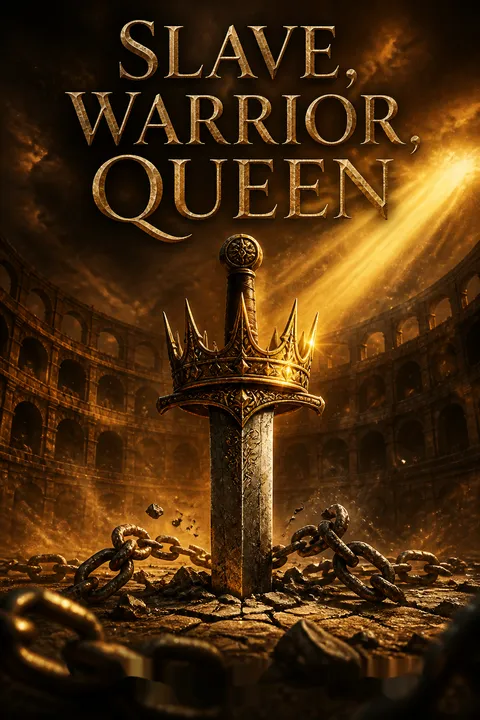
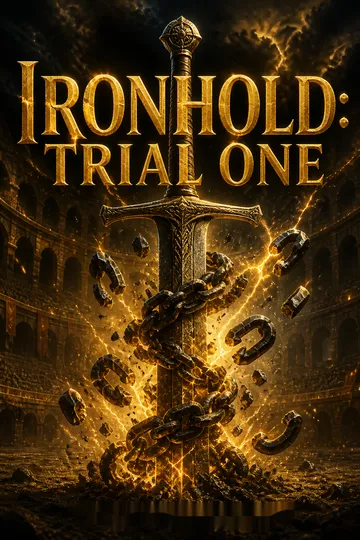
Objects such as Ceres's sword, the chains of captivity, and the gold that buys and betrays are imbued with symbolic meaning. They represent themes of power, agency, sacrifice, and the cost of freedom. The recurring motif of transformation—from slave to warrior, from pawn to player—underscores the central message of the story: that identity is forged in struggle and that true power comes from within.
Of Crowns and Glory Series


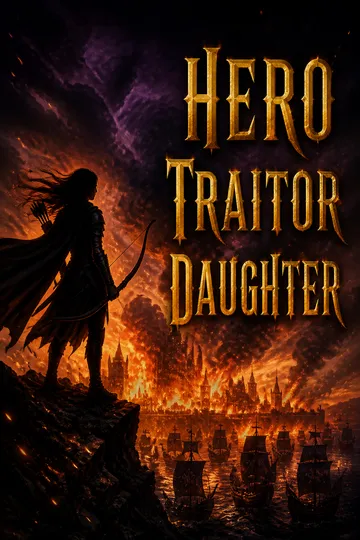

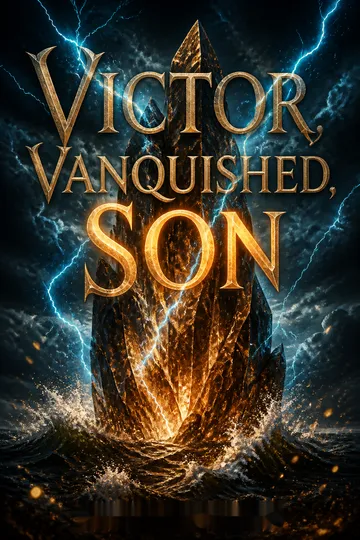
About the Author

Download PDF
Download EPUB
.epub digital book format is ideal for reading ebooks on phones, tablets, and e-readers.








































