
Plot Summary
Asteroid Named Pandora
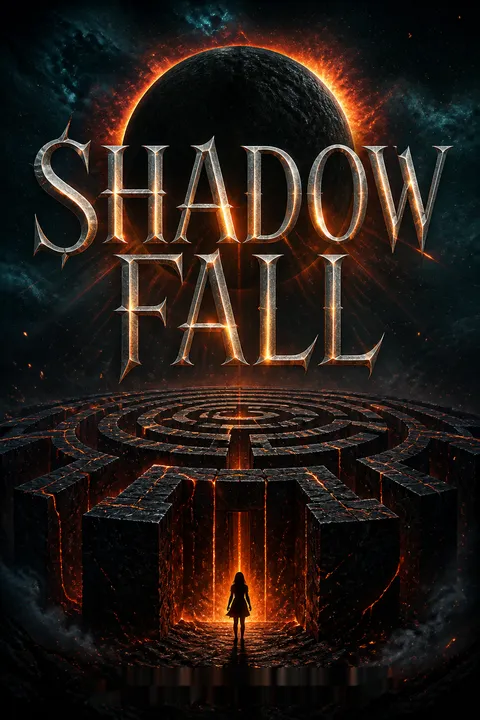
In a future ravaged by war and rigidly divided by color-coded castes, the world faces annihilation by an asteroid named Pandora. Maia Graystone, born to a Gold mother and a Bronze father, is marked as Chosen—genetically engineered to survive and lead. Yet, her life is one of loss and exile, haunted by her mother's coldness and her father's execution for treason. The asteroid's approach is both a literal and symbolic reckoning, as the ruling Emperor manipulates fear to maintain control, promising salvation to the elite while the masses are left to perish. Maia's childhood is shaped by stories of gods and monsters, and the knowledge that her world will end on a precise, predetermined day.
Pit of Shadows
Maia's life collapses after her father's death. She and her younger brother Max are forced into hiding, but hunger and desperation lead to Maia's capture and imprisonment in the infamous pit beneath Rhine Prison. The pit is a lawless, brutal underworld where survival means becoming less than human. Here, Maia is hunted, betrayed, and forced to fight for her life against other prisoners, including the savage Ripper and Rafe. Her only companions are two broken sensors, Bramble and Duchess, and the memory of her lost brother. The pit is a crucible, stripping Maia of innocence and hope, forging her into something harder and more desperate.
The Emperor's Game
Maia is dragged from the pit by the Emperor's agents, led by the sadistic Archduchess Victoria Crowder. She is interrogated, threatened, and offered a devil's bargain: participate in the Shadow Trials—a deadly competition for a seat on the space station Hyperion, humanity's last refuge. The Emperor and his court are revealed as cruel, calculating, and obsessed with control. Maia learns that she and her brother are keys to a secret her father hid—something the Emperor desperately wants. The world outside is collapsing: cities riot, resources dwindle, and the asteroid's shadow grows. Maia is forced to choose between certain death and becoming a pawn in the Emperor's game.
Escape and Alliance
Maia is rescued by a mysterious, disfigured man named Nicolai, who offers her a chance at survival—if she agrees to enter the Shadow Trials and assassinate the Emperor. She is paired with Riser, a one-eyed boy from the pit with a violent past and hidden depths. Together, they escape the prison, braving the deadly sea and the ruined city of Cypher. Their alliance is uneasy, built on necessity and mutual distrust, but also on a shared desire for vengeance and freedom. Nicolai's motives are murky, and the world outside is no less dangerous than the pit, filled with mercenaries, rebels, and the ever-present threat of the Emperor's agents.
The Shadow Trials Begin
Maia and Riser are reconstructed—physically and mentally—by outlawed Fienian biotech, erasing their scars and implanting new memories and skills. Maia becomes Lady Everly March, a fallen Gold, while Riser is remade as Lord Riser Thornbrook. Their new identities allow them to enter the Shadow Trials as exiled courtiers, but the process is traumatic, blurring the line between who they were and who they must pretend to be. The trials are a spectacle, broadcast to the masses, and the contestants are both competitors and avatars for the Sleepers—ordinary people uploading their consciousness in hopes of survival. The Emperor's control is absolute, and every move is watched, judged, and manipulated.
Reconstructed Identities
Maia struggles with the loss of her true self, haunted by memories of the pit and the girl she used to be. The reconstruction is both a blessing and a curse, granting her strength and skills but also erasing her past. Riser, too, is changed, his violence tempered by new emotions and loyalties. Their partnership deepens, complicated by attraction, mistrust, and the knowledge that only one can win the extra seat on Hyperion. The world of the court is a nest of vipers, where alliances shift and betrayal is inevitable. Maia must navigate the treacherous politics of the trials, hiding her true motives and the secret her father entrusted to her.
Court of Monsters
The Shadow Trials bring Maia and Riser to the heart of the Emperor's court, a place of dazzling beauty and unspeakable cruelty. The other contestants are exiled Golds, desperate Bronzes, and dangerous Subversives, each with their own secrets and ambitions. The mentors—Chosen children of the elite—are both judges and tormentors, led by the sadistic Countess Delphine Bloodwood. The trials are designed to break the contestants, forcing them to betray, humiliate, and even kill each other for the amusement of the court and the Emperor. Maia must balance her desire for justice with the need to survive, forging uneasy alliances and making impossible choices.
The Culling
The first major trial, the Culling, is a brutal hazing where contestants are humiliated, intoxicated, and forced to reveal their darkest secrets or perform deadly dares. The Emperor and his court watch with cold amusement as the weak are weeded out. Maia's courage and defiance draw the attention—and ire—of Delphine and the Emperor, but also the admiration of Prince Caspian, her former match. Riser's loyalty is tested, and the line between ally and enemy blurs. The Culling ends in violence and death, and Maia emerges as a leader, but at great personal cost. The survivors are marked, traumatized, and more determined than ever.
Labyrinth of Constellations
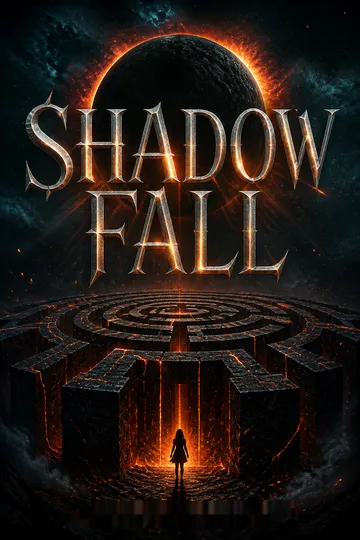
The next trial is a labyrinth, its paths mapped by constellations and filled with lethal traps and predators. Maia, Riser, and their allies must solve riddles, face their fears, and make heartbreaking sacrifices to survive. The walls close in, forcing the contestants to turn on each other. Merida, Maia's friend, is mortally wounded, and Maia must choose between saving her and saving the group. The labyrinth is a crucible, burning away the last vestiges of innocence and forging Maia into a true survivor. The cost is high, and the survivors are fewer, but Maia's resolve is unbroken.
Betrayals and Bombs
As the trials continue, the lines between friend and foe dissolve. Nicolai and the Fienian rebels launch a coup, arming the desperate masses and planting bombs at the Emperor's celebration. Maia is caught between her promise to her father—to find and use the Mercurian, a device that can save the world—and her loyalty to her friends. Caspian, torn between love and duty, is forced to choose sides. The bombs explode, killing hundreds, including Princess Ophelia, and plunging the court into chaos. Maia is captured, betrayed by those she trusted, and the Emperor's trap closes around her.
Love and Loyalty Tested
In the aftermath of the bombing, Maia and Riser's relationship is tested to the breaking point. Caspian, consumed by grief and rage, duels Riser in a brutal fight for vengeance. Maia is forced to choose between the two, her past and her future, love and survival. The cost of loyalty is blood, and the price of betrayal is death. The Emperor manipulates events to his advantage, using fear and hatred to bind his son to his will. Maia's hope for redemption is shattered, and she is left alone, wounded and imprisoned, facing the consequences of her choices.
The Emperor's Trap
Imprisoned in the Tower, Maia learns the full extent of the Emperor's cruelty and cunning. He reveals that he allowed the rebellion to happen, using it to eliminate his enemies and secure his legacy. The deaths of Ophelia and the others were calculated sacrifices, meant to forge Caspian into a ruthless successor. Maia is broken, her friends dead or scattered, her mission failed. The Emperor plans to torture her for the secret of the Mercurian, and Max's fate hangs in the balance. The world outside burns, and Pandora's shadow looms ever closer.
Sacrifice and Survival
Maia is left with nothing but her will to survive. She remembers the promises she made—to her father, to Max, to herself—and vows to fight until her last breath. The monster within her, forged by pain and loss, is all that remains. The story ends with Maia imprisoned, but unbroken, determined to escape and fulfill her father's mission. The world is on the brink of destruction, but as long as Maia lives, there is hope for redemption and change.
The Monster Within
Maia's journey is one of transformation—from a frightened girl to a survivor, from a pawn to a player, from a victim to a monster. The world she inhabits is one where only the ruthless survive, and every act of kindness is a risk. Yet, even as she becomes what the world demands, Maia clings to the hope that she can use her strength to save others. The final image is of a girl forged in fire and blood, ready to set the monster within her free.
Analysis
Shadow Fall is a harrowing exploration of survival, identity, and the cost of hope in a world designed to crush both. Audrey Grey crafts a dystopian landscape where power is maintained through fear, spectacle, and the systematic destruction of empathy. The novel interrogates the nature of monstrosity—how it is created, justified, and, ultimately, resisted. Maia's journey from victim to survivor to potential savior is both deeply personal and universally resonant, reflecting the struggles of those who are forced to become what the world demands in order to change it. The story's use of myth and symbolism elevates its themes, connecting the characters' struggles to timeless questions of fate, choice, and sacrifice. In a modern context, Shadow Fall is a warning against the dangers of authoritarianism, the seduction of purity and control, and the dehumanizing effects of trauma. Yet, it is also a testament to the resilience of the human spirit—the refusal to surrender, the courage to love, and the hope that even in the darkest pit, a spark of light can survive.
People Also Read
Characters
Maia Graystone / Everly March
Maia is the heart of the story—a girl born to privilege but cast into the depths of suffering. Marked as Chosen, she is genetically engineered for greatness, but her life is defined by loss, betrayal, and survival. Her relationship with her mother is cold and distant, while her love for her brother Max is fierce and protective. Maia's time in the pit strips her of innocence, forging her into a survivor willing to do whatever it takes. Her reconstruction as Everly March blurs the line between self and mask, and her journey is one of constant transformation. She is haunted by guilt, driven by love, and ultimately shaped by the monstrous world she inhabits. Her greatest fear is losing herself, but her greatest strength is her refusal to give up.
Riser Thornbrook
Riser is Maia's partner and foil—a boy shaped by violence and loss, missing an eye and covered in scars. Born in the pit, he is both predator and protector, capable of great cruelty and unexpected tenderness. His reconstruction gives him a new face and new emotions, but his past is never far behind. Riser's loyalty to Maia is deep and complicated, rooted in shared suffering and a desire for redemption. He is revealed to be the bastard son of the Emperor, a secret that adds layers to his identity and motivations. Riser's struggle is between the monster he was forced to become and the person he wants to be for Maia.
Prince Caspian Laevus
Caspian is the Emperor's son and Maia's former match, a prince torn between duty and conscience. He is charming, intelligent, and compassionate, but also burdened by the expectations of his lineage. Caspian's relationship with Maia is fraught with longing and regret, and his rivalry with Riser is both personal and political. The death of his sister Ophelia and the betrayal of Maia shatter his idealism, pushing him toward the darkness his father embodies. Caspian is a symbol of what could have been—a world where love and justice prevail—but he is ultimately a victim of the Emperor's manipulations.
Archduchess Victoria Crowder
The Archduchess is the Emperor's right hand, a genetically damaged Malignant whose loyalty is matched only by her capacity for violence. She is obsessed with control, torture, and rooting out rebellion. Her pursuit of Maia is relentless, and her methods are brutal. Victoria is both a symbol of the regime's inhumanity and a personal nemesis for Maia, representing the monstrous extremes of power unchecked by empathy.
Nicolai
Nicolai is a disfigured survivor of the Emperor's wrath, driven by vengeance and a desire to topple the regime. He orchestrates Maia's escape and reconstruction, manipulating her and Riser into his plot to assassinate the Emperor. Nicolai's motives are complex—partly altruistic, partly self-serving—and his methods are ruthless. He is both mentor and exploiter, using Maia's pain for his own ends. Nicolai embodies the moral ambiguity of rebellion, where the line between savior and monster is blurred.
Flame
Flame is a Fienian rebel and biotech expert, responsible for Maia and Riser's reconstruction. She is fierce, sarcastic, and deeply scarred by loss. Flame's hatred of the regime is personal, rooted in the execution of her adoptive parents for possessing banned books. Her relationship with Maia is antagonistic but evolves into a grudging respect. Flame is a symbol of the cost of resistance and the power of knowledge.
Brogue
Brogue is a former Centurion turned mercenary, hired by Nicolai to protect Maia and Riser. He is gruff, resourceful, and loyal, but also addicted to tar, a drug used to control the lower castes. Brogue's past is marked by betrayal and loss, and his relationship with Maia is one of tough love. He is a reminder that survival often requires compromise and that even the strong are vulnerable.
Countess Delphine Bloodwood
Delphine is the chief antagonist among the Chosen, a cruel and cunning mentor who delights in the suffering of others. She is Maia's nemesis in the trials, using her power to humiliate and endanger the other contestants. Delphine's relationship with Caspian is fraught with rivalry and resentment, and her alliance with the Emperor makes her a formidable foe. She represents the worst excesses of the elite, where beauty masks brutality.
Max Graystone
Max is Maia's younger brother, separated from her after their father's death. He is the key to the secret their father hid, and his fate is a constant source of anxiety and motivation for Maia. Max represents innocence, hope, and the possibility of redemption. His survival is Maia's driving force, and his presence haunts her every decision.
Emperor Rand Laevus
The Emperor is the ultimate antagonist—a man who wields fear and violence to maintain his rule. He is brilliant, ruthless, and utterly without empathy, willing to sacrifice anyone, even his own children, for power. The Emperor's obsession with control and purity drives the events of the story, and his manipulation of Maia and the trials is both personal and political. He is the embodiment of the monstrous system Maia must destroy.
Plot Devices
Dystopian Caste System
The rigid hierarchy of Golds, Silvers, and Bronzes shapes every aspect of life, from opportunity to survival. This system is both a source of conflict and a tool of control, used by the Emperor to maintain power and justify cruelty. The caste system is challenged and subverted by the characters' actions, but its legacy is inescapable.
The Asteroid Pandora
Pandora's approach is both a literal threat and a symbol of the world's moral decay. The asteroid's shadow—Shadow Fall—marks the passage of time and the urgency of the characters' actions. It is also a tool of manipulation, used by the Emperor to justify his regime and the trials.
The Shadow Trials
The trials are a blend of reality TV, gladiatorial combat, and social engineering. They serve to distract, entertain, and pacify the populace, while also weeding out potential threats to the regime. The trials are designed to break the contestants, forcing them to betray their values and each other.
Reconstruction and Identity
The use of outlawed biotech to reconstruct Maia and Riser blurs the line between self and mask, raising questions about identity, memory, and agency. The process is both empowering and dehumanizing, a necessary evil in a world that demands conformity and ruthlessness.
Uploading and Avatars
The promise of survival through uploading consciousness into the Chosen is both a hope and a trap. The Sleepers' presence in the trials adds layers of surveillance, performance, and manipulation, making every action both public and performative.
Betrayal and Loyalty
The story is driven by shifting alliances, betrayals, and the constant threat of treachery. Characters must navigate a world where loyalty is dangerous and betrayal is often the only path to survival. The tension between love and self-preservation is a central theme.
Mythology and Symbolism
The use of mythological references—Pandora, Orion, the Sphinx—adds depth and resonance to the characters' journeys. The labyrinth trial, mapped by constellations, is both a literal and symbolic test, forcing the characters to confront their past and their destiny.
Foreshadowing and Narrative Structure
The story is structured around cycles of violence, loss, and transformation. Foreshadowing is used to build tension and highlight the inevitability of certain outcomes, while also allowing for moments of hope and defiance.
Shadow Fall Series
Download PDF
Download EPUB
.epub digital book format is ideal for reading ebooks on phones, tablets, and e-readers.








































