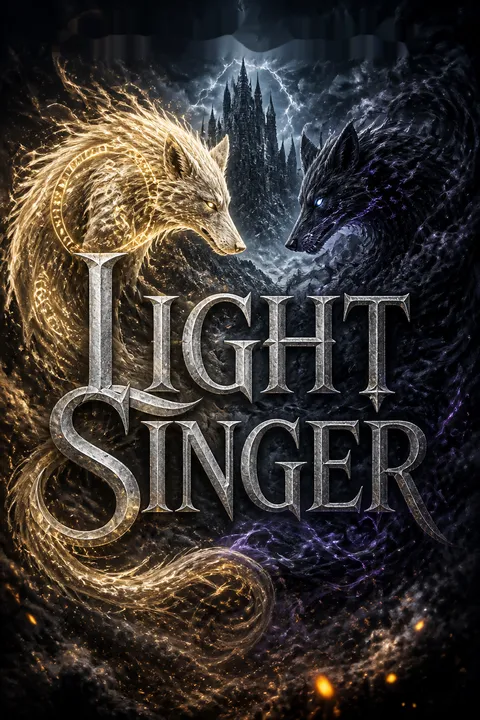

Plot Summary
1. Shadows and Thrones Collide
In the storm-lashed heights of Castle Starpiercer, the Seraphian Empress and her son Stolas negotiate with Demon Lords for prisoners and power. The air is thick with veiled threats and ancient grudges, as the Demon Prince Raziel offers peace in exchange for prisoners—a dangerous request that hints at deeper motives. Stolas, restless and wary, senses the shifting tides of war and the perilous longing for peace in his mother's heart. The scene sets the tone for a world where alliances are fragile, and every gesture is a calculated risk. The Empress's desire for peace is a secret that could destroy her, and Stolas feels the weight of fate tightening around his neck, foreshadowing the personal and political storms to come.
2. Haven's Flight and Fury
Haven Ashwood, marked by prophecy and hunted by assassins, refuses to hide while her people suffer. As attacks breach the wards of Shadoria, she arms herself and slips past her protectors, determined to defend the city. Her journey through the mist-shrouded castle and perilous descent to the city below is driven by guilt and rage—emotions that fuel her magic and her resolve. She witnesses the cost of war firsthand: wounded Seraphians, dying friends, and the terror of her people. When Death Raiders descend, Haven's power and anger surge, culminating in a brutal confrontation that reveals the monstrous potential within her. Her choices are shaped by mercy and vengeance, and the burden of leadership grows heavier with every life lost.
3. Blood, Mercy, and Monsters
After the battle, Haven faces the aftermath: wounded enemies, the hunger of her Seraphian protector Stolas, and the moral cost of mercy. Stolas, both friend and monster, is allowed to feed on a defeated foe—a moment that blurs the line between justice and savagery. Haven's compassion is tested as she weighs the value of fear versus goodness in protecting her people. The scene deepens the psychological complexity of both Haven and Stolas, showing how trauma, hunger, and duty can twist even the noblest intentions. Their bond is forged in shared darkness, and Haven begins to accept the monstrous parts of herself and her allies as necessary for survival.
4. The Weight of Leadership
In the quiet after violence, Haven visits the families of the dead, burdened by guilt and the adoration of those she feels she has failed. The city's resilience is a bittersweet comfort, and the communal rituals of healing—baths, meals, laughter—are tinged with sorrow. Haven's friends, each scarred by loss and betrayal, gather around her, offering support and distraction. Yet, beneath the surface, trauma festers. Haven's inability to move past her pain isolates her, and the memory of Archeron—once a friend, now a tyrant—haunts her dreams. The chapter explores the cost of leadership: the loneliness, the weight of expectation, and the struggle to find hope amid ruin.
5. Training, Trauma, and Trust
Haven's nightly training with Stolas atop the ruined temple is both a crucible and a release. Their sparring is a dance of magic, steel, and emotion, as Stolas pushes Haven to confront her pain and rage. The physicality of their combat mirrors the psychological battles within: Haven's shame, anger, and guilt are drawn out and transformed into power. Stolas's own burdens—his responsibilities, his haunted past—are revealed in his care for her. Their connection deepens, built on mutual recognition of darkness and vulnerability. The chapter is a turning point, as Haven is forced to release her pain and accept that she is not alone in her suffering.
6. Nightmares and New Alliances
The return of the emissaries brings horror: their severed heads, a message from Archeron, and a curse that rips Haven from her world. The trauma of her abduction and the visions of her friends' deaths nearly break her, but Stolas's desperate intervention saves her mind and soul. The aftermath is a shattered Hall of Light, a city on edge, and a group of friends more determined than ever to forge alliances. The arrival of a letter from King Eros offers a glimmer of hope—a chance to unite the mortal kingdoms against the coming darkness. The chapter is a study in resilience, as grief and fear are transformed into resolve.
7. Heads, Letters, and Warnings
The gruesome display of the emissaries' heads is both a warning and a challenge. Archeron's cruelty is escalating, and the need for allies becomes urgent. King Eros's letter offers a meeting, but trust is hard-won. The group debates the risks and rewards of seeking an alliance with the pirate king, weighing the dangers of traps and betrayal against the necessity of unity. Stolas's speech rallies the group, and a plan is set in motion to travel to Veserack. The chapter is a pivot from mourning to action, as the characters choose hope over despair and prepare to risk everything for the future.
8. Archeron's Trap
Haven is ensnared by a curse and dragged into the Nether, where Archeron confronts her with twisted affection and threats. The psychological torment is intense: visions of her friends' deaths, accusations of betrayal, and the promise of suffering if she does not surrender. Archeron's obsession is revealed as both love and control, and Haven's resolve is tested to its limits. The experience leaves her traumatized, but also more determined to resist. The chapter is a harrowing exploration of power, manipulation, and the cost of defiance.
9. Wolves Unleashed
The trauma of Haven's abduction unleashes something ancient and terrible in Stolas: his Shadow Familiar, a monstrous wolf born of rage and grief. The beast's rampage is both a warning and a catharsis, as Stolas channels his pain into destruction rather than harming his friends. The aftermath is a shattered hall, a city shaken, and a group of allies who glimpse the true power—and danger—of the darkness within. The chapter is a meditation on the duality of strength and vulnerability, and the necessity of embracing one's inner monsters to protect what matters.
10. Aftermath and Grief
In the wake of violence, the group tends to Haven's wounds and tries to make sense of what happened. The bonds between friends are tested and strengthened, as secrets are revealed and new fears take root. The reality of Stolas's power—and the danger it poses—forces everyone to confront the limits of trust and the meaning of loyalty. Haven's recovery is slow, but the support of her friends and the rituals of healing offer solace. The chapter is a quiet interlude, a moment of reflection before the next storm.
11. Bonds of Blood and Duty
Stolas and Nasira debate the cost of caring for Haven, the meaning of oaths, and the dangers of love. The conversation is fraught with history and pain, as Nasira warns of the prophecy that threatens Stolas's life. Haven's struggle with self-care and guilt is mirrored by Stolas's struggle to let himself feel. The chapter explores the tension between duty and desire, and the sacrifices required by both. The bonds between characters are deepened, and the stakes of their choices become ever more personal.
12. Mortal Kings and Hidden Truths
The journey to Veserack is fraught with danger and intrigue. The city's new wards, the politics of trade and power, and the complexities of King Eros's rule are revealed. The group navigates suspicion, hospitality, and the ever-present threat of betrayal. The test of alliance is not just political, but personal: Haven must prove herself worthy of trust, and the secrets of lineage and prophecy are teased out. The chapter is a tapestry of diplomacy, suspicion, and the search for belonging.
13. The Pirate King's Test
King Eros's test is not one of strength, but of mercy. Haven is sent to retrieve a treasure guarded by a sea orc, only to discover the creature is a mother protecting her young. Faced with the choice to kill or show compassion, Haven chooses mercy, earning the awe and allegiance of the Broken Three. The chapter is a turning point, as the power of empathy and restraint is shown to be as vital as magic or might. The alliance is sealed not by conquest, but by understanding.
14. Alliances Forged in Mercy
With the alliance secured, the group returns to Shadoria, where the peace is uneasy and the threat of Archeron looms. The search for immortality becomes urgent, as Haven realizes her mortality is a barrier to true unity. The discovery of the prophecy's hidden paintings offers hope, but also new dangers. The chapter is a meditation on the price of power, the meaning of sacrifice, and the necessity of forging bonds across difference.
15. The Price of Power
The search for the prophecy's paintings leads to rumors, secrets, and the realization that immortality may be hidden in plain sight. The Godkiller, a weapon of unimaginable power, begins to unravel its wards, threatening to unleash chaos. The group's efforts to protect Shadoria are complicated by internal divisions, old wounds, and the ever-present lure of power. The chapter is a study in temptation, responsibility, and the dangers of unchecked ambition.
16. The Festival of Fate
The journey to the Morgani Islands for the archery contest is a spectacle of color, danger, and intrigue. Haven must compete not just for a prize, but for the chance to claim her destiny. The festival is a crucible where alliances are tested, enemies revealed, and the true nature of power is laid bare. Archeron's presence turns celebration to chaos, and the festival becomes a battleground for the soul of the realm.
17. Fire and Betrayal
The Shade Queen's attack on the festival is a cataclysm of fire and blood. Netherfire consumes the coliseum, and only the combined magic of Haven and her allies saves the survivors. The cost is high: the palace is destroyed, the painting lost, and the alliance hangs by a thread. Archeron's betrayal is complete, and the group is forced to flee into the unknown. The chapter is a crucible of loss, resilience, and the forging of new resolve.
18. Wolves of Light and Shadow
In the chaos of battle, Haven's Shadow Familiar finally takes form—a golden wolf that joins Stolas's in a dance of light and darkness. Their bond is sealed in blood and magic, and the truth of their connection is revealed. The fight for survival becomes a fight for each other, as love and loyalty are tested in the crucible of war. The chapter is a celebration of unity, the power of chosen family, and the hope that even in darkness, light can be found.
19. Into the Demon Realm
To recover the prophecy's painting, Haven and Stolas descend into the Demon Realm, where danger and temptation lurk at every turn. The journey is a test of trust, as Stolas's hunger and Haven's vulnerability are laid bare. Their love is consummated in the shadow of death, and the price of power becomes ever more personal. The chapter is a descent into the underworld, both literal and metaphorical, where the boundaries between predator and prey, love and need, are blurred.
20. The Keeper's Bargain
The quest for the painting leads to the lair of the Keeper, a monstrous blood augur who weaves fate and demands a price for every secret. Stolas's past bargains come back to haunt him, and the cost of prophecy is revealed to be steep indeed. Haven must risk everything to claim her destiny, and the line between sacrifice and self-destruction grows thin. The chapter is a meditation on fate, agency, and the bargains we make with darkness.
21. Poison, Prophecy, and Love
Stolas is poisoned, dying from wounds inflicted by Archeron and the Keeper. Only Haven's blood—divine and mortal—can save him, sealing their bond in love and magic. The intervention of Demon Lord Raziel reveals old debts and new dangers, and the prophecy's shadow looms ever larger. The chapter is a crucible of vulnerability, as love becomes both salvation and risk, and the future is rewritten by sacrifice.
22. The Painting's Secret
Back in Shadoria, the recovered painting reveals its secret: a hidden world, a memory of love, and the promise of immortality. Haven's journey is both external and internal, as she seeks to understand her mother's message and her own worthiness. The bonds between friends and lovers are tested, and the cost of destiny becomes clear. The chapter is a moment of hope, a glimpse of the future that might be, if only the past can be overcome.
23. Fate's Final Bargain
As Haven and Stolas embrace their love and prepare for the final battle, Nasira makes a desperate bargain with the Godkiller to save her brother. The prophecy's shadow falls over them all, and the choices of the past and present converge. The story ends on the cusp of war, with hope and doom entwined, and the fate of the realm hanging in the balance. The chapter is a meditation on love, sacrifice, and the price of destiny.
Analysis
Light Singer is a sweeping epic of trauma, power, and the search for belonging in a world fractured by war and prophecy. At its heart, the novel interrogates the cost of leadership and the meaning of mercy: Haven's journey from hunted orphan to Goddess-Born savior is marked by sacrifice, self-doubt, and the constant tension between compassion and ruthlessness. The story's emotional core is the relationship between Haven and Stolas, two broken souls who find strength in each other's darkness. Their love is both a risk and a refuge, a challenge to the prophecy that threatens to destroy them. The novel's world is richly imagined, blending political intrigue, magical systems, and psychological depth. Its lessons are timely: true power lies not in domination, but in the willingness to embrace vulnerability, to choose mercy over vengeance, and to forge alliances across difference. The dangers of obsession, the seduction of control, and the necessity of hope are all explored with nuance and empathy. In the end, Light Singer is a meditation on the price of destiny, the possibility of change, and the enduring power of love to transform even the darkest fate.
People Also Read
Characters
Haven Ashwood
Haven is the mortal girl at the heart of the prophecy, believed to be the daughter of the Goddess Freya and the Shadeling Odin. Haunted by trauma, guilt, and the burden of leadership, she is fiercely protective of her people and friends. Her journey is one of self-acceptance: from hiding her power and doubting her worth, to embracing her destiny and the darkness within. Haven's relationships—with Stolas, Bell, Surai, and others—are shaped by loyalty, love, and the constant threat of betrayal. Her compassion is both her strength and her vulnerability, and her choices are driven by a desire to protect, even at great personal cost. Her arc is one of transformation: from prey to predator, from victim to savior.
Stolas Darkshade
Stolas is the last Seraphian prince, a being of immense power, trauma, and complexity. Once Lord of the Netherworld, he is both feared and misunderstood—a monster shaped by centuries of violence and loss. His relationship with Haven is central: he is her protector, mentor, and eventually, her lover. Stolas's struggle is between his monstrous nature and his capacity for love and sacrifice. The prophecy that his mate will kill him haunts every choice, and his willingness to risk everything for Haven is both tragic and heroic. His arc is one of redemption, as he learns to accept love and vulnerability without losing himself to darkness.
Archeron Halfbane
Archeron is the former friend and almost-lover turned tyrant and enemy. Scarred by betrayal and twisted by power, his love for Haven becomes an obsession that drives him to cruelty and manipulation. Archeron's mastery of both light and dark magic makes him a formidable foe, and his psychological warfare is as dangerous as his armies. His arc is a cautionary tale of how love, when corrupted by fear and control, becomes destructive. Archeron is both a mirror and a warning for Haven and Stolas, embodying the dangers of unchecked ambition and wounded pride.
Bellamy (Bell) Boteler
Bell is Haven's childhood friend and steadfast protector, the exiled prince of Penryth. His journey is one of loss and resilience: stripped of his title, haunted by guilt, and forced to redefine his identity. Bell's loyalty is unwavering, and his love for Haven is both platonic and quietly romantic. He is the heart of the group, offering hope, humor, and a moral compass. Bell's arc is about finding purpose beyond power, and learning to lead with compassion rather than ambition.
Surai Nakamura
Surai is a fierce Ashari warrior, Haven's closest friend and confidante. Scarred by loss—her mate and brother-in-arms killed—she channels her pain into loyalty and discipline. Surai's pragmatism and emotional intelligence ground the group, and her willingness to die for Haven is matched only by her insistence on honesty and self-care. Her arc is one of healing, as she learns to trust again and to find hope amid grief.
Nasira Darkshade
Nasira is Stolas's younger sister, a half-feral Seraphian empress with a savage edge. Her loyalty to Stolas is absolute, but her fear of prophecy and loss drives her to desperate measures. Nasira's arc is one of jealousy, love, and sacrifice: she is willing to bargain with darkness to save her brother, even at the cost of her own soul. Her actions are shaped by trauma and the longing for connection, making her both a potential ally and a looming threat.
Xandrian
Xandrian is a Sun Lord with a sharp tongue, a history of espionage, and a complicated relationship with Bell. His arrogance masks deep wounds and a fear of vulnerability. Xandrian's arc is about learning to trust, to let go of the masks he wears, and to find meaning beyond survival. His loyalty is hard-won, but once given, it is fierce. He represents the dangers and possibilities of power, and the necessity of humility.
Ember
Ember is the daughter of the Morgani Queen, stripped of her title and exiled. Her loyalty to Haven and Surai is born of shared loss and the desire for justice. Ember's wit and courage are matched by her pain, and her arc is about reclaiming agency and forging new bonds. She is a symbol of resilience, and her presence is a reminder that family can be chosen as well as born.
King Eros Elhaem
Eros is the self-made king of the Broken Three, a former trader and pirate who rules with pragmatism and charm. His alliance with Haven is hard-won, built on mutual respect and the recognition of shared vulnerability. Eros's arc is about the burdens of leadership, the cost of survival, and the possibility of change. He is both a mirror for Bell and a model of what mortal power can achieve when tempered by mercy.
Raziel
Raziel is the enigmatic Demon Lord who bargains with Stolas and ultimately saves his life. Bound by ancient debts and secrets, Raziel's motives are never entirely clear. He represents the dangers and ambiguities of power, the complexity of bargains, and the possibility of redemption. His arc is one of atonement, as he seeks to balance past wrongs with present aid.
Plot Devices
Prophecy and Destiny
The prophecy of the Goddess-Born is the central engine of the narrative, driving characters to action, shaping alliances, and fueling both hope and dread. It is both a promise and a curse: Haven's destiny is to unite the realms or destroy them, and every choice is haunted by the fear of fulfilling the wrong path. The prophecy's ambiguity allows for agency, but also traps characters in cycles of sacrifice and suspicion. The hidden paintings, the search for immortality, and the bargains with fate are all manifestations of this device, weaving together personal and political stakes.
Shadow Familiars and Magic
The manifestation of Shadow Familiars—monstrous wolves born of magic and emotion—serves as both a literal and symbolic device. They externalize the characters' inner darkness, rage, and longing, making psychological struggles visible and dangerous. Magic in this world is both a tool and a temptation, offering power at the cost of control. The interplay of light and dark magic, the draining of power, and the rituals of healing and blood-letting all reinforce the theme that strength and vulnerability are intertwined.
Betrayal and Loyalty
The narrative is structured around cycles of betrayal and loyalty: friends become enemies, enemies become allies, and every bond is tested by trauma and ambition. Archeron's fall from friend to foe, Stolas's struggle to trust and be trusted, and Nasira's desperate bargains all illustrate the fragility and necessity of loyalty. The plot is driven by the constant threat of betrayal, making every alliance a risk and every act of mercy a potential weakness.
Foreshadowing and Fate
Foreshadowing is woven throughout the narrative: the prophecy's warnings, the Keeper's visions, and the recurring motifs of chains, wolves, and fire all hint at future dangers. The tension between fate and free will is central—characters struggle to change their destinies, only to find themselves caught in the web of prophecy. The use of visions, dreams, and curses creates a sense of inevitability, heightening the stakes of every decision.
Duality and Transformation
The story is structured around dualities: light and dark, mortal and immortal, predator and prey, love and duty. Characters are constantly transforming—Haven from mortal to potential immortal, Stolas from monster to lover, Archeron from hero to villain. The interplay of opposites creates tension and possibility, allowing for growth, redemption, and tragedy. The narrative structure mirrors this duality, alternating between moments of violence and tenderness, despair and hope.
Kingdom of Runes Series
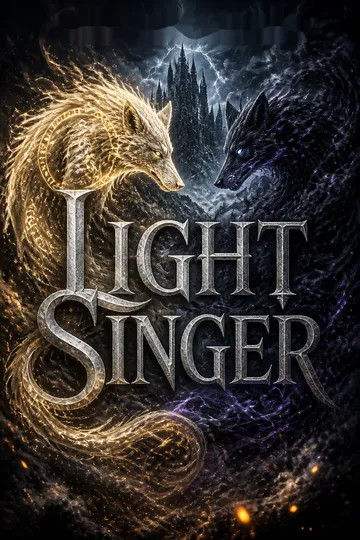


Download PDF
Download EPUB
.epub digital book format is ideal for reading ebooks on phones, tablets, and e-readers.








































