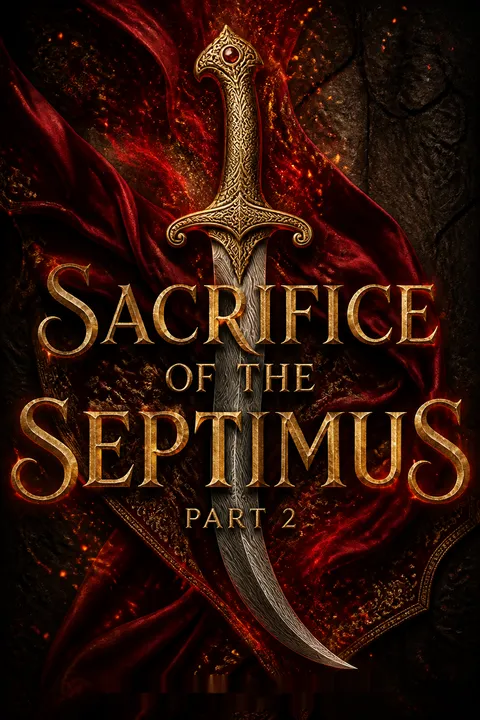

Plot Summary
Awakening in Ancient Silk
Keira regains consciousness in a strange, silk-draped room, her body battered and her mind foggy. She quickly realizes she's not in her own time, but in ancient Persia, stripped of her powers and separated from her friends. The unfamiliar scents, the pain in her ribs, and the absence of Draven—her husband—confirm her worst fears. Alone and vulnerable, she steels herself to find her companions, knowing that survival in this world will require wit, courage, and a willingness to adapt. The emotional weight of her isolation is heavy, but hope flickers as she clings to the memory of love and the promise of reunion.
Palace of Strangers
Disguised in borrowed clothes, Keira slips through the opulent corridors of a Persian palace, overwhelmed by the grandeur and the sea of unfamiliar faces. She is both awed and terrified, acutely aware of her outsider status. The palace is alive with music, color, and danger; every step is a risk. When she glimpses Draven—her husband, but not her husband—on the throne, the shock is visceral. He is regal, powerful, and a stranger to her. A single misstep draws the attention of the court, and Keira's fate hangs in the balance, her heart pounding with fear and longing.
The King's Blade
In a moment of chaos, Keira's attempt to blend in fails, and she finds herself at the mercy of the King—Draven, in a past life, who does not recognize her. The blade at her throat is cold, his eyes colder. She pleads for her life, her love unrecognized, her identity erased by time. The court watches, breathless, as Draven weighs her fate. The emotional agony is acute: to be so close to the man she loves, yet utterly unknown to him. In a twist of mercy, he spares her, but she is left shaken, her sense of self fractured by the encounter.
Memory and Masquerade
To protect herself, Keira claims she cannot remember her name or origins, a lie that becomes her shield. Ranka, a formidable palace warrior, vouches for her, and Keira is swept into a web of intrigue and suspicion. The palace is a labyrinth of secrets, and Keira must play her part as a lost, nameless girl. The emotional toll is immense—she is forced to watch Draven from afar, longing for recognition, while navigating the treacherous politics of the harem. Every interaction is a performance, every word a potential trap.
Harem Rivalries Ignite
Keira is thrust into the world of the King's harem, where beauty is weaponized and alliances are fragile. Stateira, the head concubine, sees Keira as a threat and makes her life hell. The other women are either hostile or pitiable, and Keira's foreignness marks her as a target. The rituals of preparation—bathing, dressing, and beautification—are both humiliating and dehumanizing. Yet, beneath the surface, Keira senses the simmering violence and desperation of women trapped in a gilded cage. The emotional landscape is fraught with envy, fear, and the ache of lost agency.
Chains of Jealousy
Draven's attention to Keira grows, but it is laced with suspicion and possessiveness. He is drawn to her, yet tormented by the mystery of her identity. Keira, meanwhile, is tormented by jealousy and heartbreak as she witnesses Draven's entanglements with other women, especially Stateira. The emotional push and pull between them is electric and agonizing. Keira's longing for recognition and love is met with Draven's confusion and frustration, each trapped by the rules of their time and the secrets they keep.
The King's New Concubine
Against her will, Keira is chosen as the King's new favorite, a position that brings both privilege and peril. The court is abuzz with gossip, and Stateira's hatred intensifies. Keira is forced to perform, to dance, to embody the role of seductress, all while her heart aches for the man she cannot truly reach. Draven's fascination with her deepens, but so does his anger at her secrets. The emotional stakes are raised as Keira is caught between desire and survival, love and deception.
Plots and Poison
The palace becomes a nest of vipers as assassination attempts are made on Keira's life. Poison, betrayal, and political machinations swirl around her. Ranka's loyalty is tested, and Keira must rely on her wits and the few allies she can trust. The emotional strain is relentless—every meal could be her last, every friendship a potential betrayal. The lines between friend and foe blur, and Keira's resilience is pushed to its limits as she fights to stay alive and protect those she loves.
Escape and Betrayal
Keira, aided by a servant girl, attempts a daring escape from the palace, only to be betrayed and recaptured. The sense of hope is crushed as she is dragged back, her punishment looming. Draven's reaction is swift and brutal, but beneath his anger is a flicker of something deeper. The emotional devastation of betrayal is compounded by the realization that escape may be impossible, and that her fate is inextricably tied to the King's will.
The Devil's Army
As the threat of war looms, it becomes clear that the true enemy is not merely human. Pertinax, a demonic force in the guise of a Roman general, marshals an army of supernatural creatures. The palace is thrown into chaos as the boundaries between the mortal and the magical dissolve. Keira, Sophia, Pip, and Ari are swept into a battle that transcends time and space. The emotional stakes are existential—love, loyalty, and destiny are all tested in the crucible of war.
Battle for the King
The city is under siege, and Draven rides out to face Pertinax in single combat. Keira, Lucius, and the others race against time to reach the battlefield, knowing that the outcome will determine the fate of the world. The emotional intensity is at its peak—sacrifice, courage, and the power of love are all called upon as the characters face their greatest fears. The lines between past and present, mortal and immortal, blur as the battle rages.
Sacrifice and Salvation
In the heat of battle, Lucius sacrifices himself to save Keira and Draven, taking a mortal blow meant for them. The emotional impact is shattering—Keira's grief unleashes a hidden power within her, the true force of the Electus. The cost of victory is steep, and the survivors are left to reckon with the scars of war. The theme of sacrifice—of self, of love, of destiny—resonates through every heart.
The Power of Three
The ancient prophecy is revealed to require the combined power of three: Draven, Sophia, and Lucius. Only together can they defeat Pertinax and seal the breach between worlds. Keira's role as the Electus is to unite them, to channel the power of love and sacrifice into a force strong enough to change fate. The emotional climax is one of unity, forgiveness, and the realization that destiny is shaped by choice as much as by fate.
The Electus Unleashed
In a moment of ultimate crisis, Keira's grief and love transform her into a vessel of unimaginable power. She confronts Pertinax, wielding the combined strength of Heaven and Hell, and delivers the final blow. The emotional catharsis is overwhelming—Keira is both destroyer and savior, her identity as the Electus finally realized. The cost is great, but the world is saved—for now.
Love Across Lifetimes
In the aftermath, Draven finally recognizes Keira for who she truly is—his Electus, his soulmate across time. The barriers of memory and fate fall away, and they are reunited in love. The emotional release is profound, as years of longing, pain, and sacrifice are redeemed in a single embrace. The promise of love enduring beyond death, beyond time, is fulfilled.
The Price of Fate
As the dust settles, the survivors must reckon with the consequences of their actions. The timeline has shifted, and the future is uncertain. Keira, Sophia, Pip, and Ari are left to wonder if they can ever return home, or if their sacrifices have forever altered the course of history. The emotional tone is bittersweet—victory is tempered by loss, and the price of fate is never fully known.
Return or Ruin
The story closes with Keira awakening once more, uncertain if she has returned to her own time or is still trapped in the past. Draven stands before her, the weight of destiny in his eyes. The emotional arc comes full circle—love, sacrifice, and the struggle for agency in a world ruled by fate. The future is unwritten, and the journey is not yet over.
Analysis
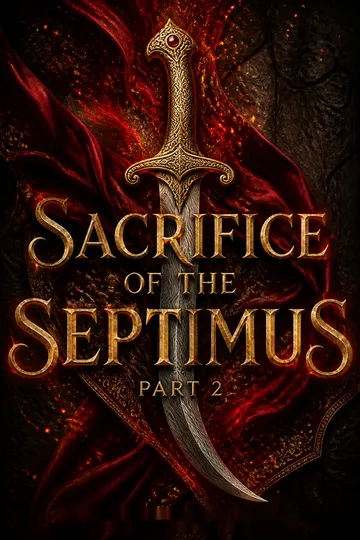
A modern myth of love, agency, and fateSacrifice of the Septimus, Part 2 is a sweeping, emotionally charged tale that reimagines the classic time-travel romance as a meditation on agency, destiny, and the transformative power of love. At its core, the novel interrogates what it means to be "chosen"—by fate, by others, and by oneself. Keira's journey is emblematic of the struggle to assert identity and agency in a world that seeks to define and confine her. The story's use of prophecy and supernatural forces externalizes the internal battles of its characters, making literal the idea that love can change the course of history. The lessons are both timeless and timely: that true power lies not in domination but in sacrifice; that love is both a source of vulnerability and the ultimate weapon against despair; and that the future is shaped not by fate alone, but by the choices we make in the crucible of adversity. The novel's blend of historical detail, fantasy spectacle, and psychological depth invites readers to reflect on their own relationships to destiny, desire, and the stories we tell to survive.
Review Summary
People Also Read



Characters
Keira
Keira is the emotional and narrative center of the story—a modern woman thrust into the perilous world of ancient Persia. Her journey is one of survival, self-discovery, and the relentless pursuit of love across lifetimes. Psychologically, Keira is defined by resilience, vulnerability, and a deep well of empathy. Her relationship with Draven is both her greatest strength and her deepest wound, as she is forced to confront the agony of being unknown to the man she loves. Keira's development is marked by her transformation from a frightened outsider to a powerful Electus, capable of shaping destiny itself. Her connections to Sophia, Pip, Ari, and Lucius are equally vital, forming a found family that anchors her through trauma and triumph.
Draven / Arsaces
Draven, known as Arsaces in this era, is a figure of immense power, authority, and emotional complexity. As King, he is both feared and revered, his decisions shaping the fate of nations. Psychologically, he is tormented by the sense of something missing—a love he cannot name, a destiny he cannot grasp. His relationship with Keira is fraught with longing, jealousy, and confusion, as he is drawn to her but cannot remember their shared past. Draven's arc is one of gradual recognition and acceptance, culminating in the realization that love transcends time and fate. His possessiveness and vulnerability make him both a formidable ruler and a deeply human partner.
Sophia / Saphira
Sophia, or Saphira, is Draven's sister and a warrior in her own right. She is both ally and antagonist, her loyalty to her brother clashing with her suspicion of Keira. Psychologically, Sophia is driven by duty, pride, and a fierce love for her family. Her journey is one of learning to trust, to let go of control, and to embrace the power of love and sacrifice. Sophia's role as one of the prophesied three is crucial, and her relationship with Keira evolves from rivalry to deep sisterhood.
Pip
Pip is the wild card of the group—a supernatural being with a gift for mischief, disguise, and unexpected wisdom. Her irreverence masks a deep loyalty and courage, and her ability to manipulate perception is key to the group's survival. Psychologically, Pip is both childlike and ancient, her humor a shield against the darkness she has witnessed. Her friendship with Keira is a source of strength and levity, and her role as protector and confidante is indispensable.
Ari
Ari is Keira's sister and the most human of the group, at least on the surface. Her journey is one of awakening—both to her own supernatural heritage and to the dangers of the world she has entered. Psychologically, Ari is defined by loyalty, adaptability, and a quiet courage that emerges under pressure. Her relationship with Vincent hints at a deeper destiny, and her presence is a reminder of the stakes for all humanity.
Ranka
Ranka is a formidable palace warrior, fiercely loyal to Draven and secretly in love with him. Her role as Keira's protector is complicated by jealousy and the pain of watching Draven fall for another. Psychologically, Ranka is defined by discipline, honor, and a deep sense of duty. Her development is marked by the struggle to reconcile personal desire with loyalty to her King, and her ultimate choice to protect Keira is an act of selfless love.
Stateira
Stateira is the chief rival in the harem, a woman whose beauty and ambition make her both powerful and dangerous. Psychologically, she is driven by insecurity, jealousy, and a desperate need for validation. Her antagonism toward Keira is both personal and symbolic—a battle for the King's favor and for survival in a world that commodifies women. Stateira's downfall is a cautionary tale about the corrosive power of envy and the limits of beauty as currency.
Lucius / Septimus
Lucius, known as Septimus in this era, is a complex figure—an assassin, a double agent, and a man caught between loyalty and love. His relationship with Keira is fraught with unspoken longing and forbidden connection, a counterpoint to her bond with Draven. Psychologically, Lucius is defined by isolation, cunning, and a capacity for sacrifice. His ultimate act of selflessness in battle cements his role as a tragic hero, and his resurrection by Keira's blood is a testament to the power of love and destiny.
Pertinax / Ahriman
Pertinax, revealed as the Persian Devil Ahriman, is the story's primary antagonist—a being of immense supernatural power and malice. Psychologically, he is driven by pride, vengeance, and a desire for domination. His manipulation of mortal and immortal alike makes him a formidable foe, and his defeat requires the combined strength and sacrifice of the protagonists. Pertinax's role is to test the limits of love, loyalty, and the human spirit.
Farrin
Farrin is a servant girl who initially appears to be an ally, helping Keira in her escape. However, her true allegiance is to her sister, Stateira, and she becomes an instrument of betrayal. Psychologically, Farrin is defined by desperation, loyalty to family, and the corrosive effects of powerlessness. Her actions are a reminder of the collateral damage wrought by the palace's toxic hierarchy.
Plot Devices
Time Travel and Identity
The narrative's central device is time travel, which dislocates Keira and her friends from their own era and plunges them into a world where their identities are erased or transformed. This device allows for exploration of memory, recognition, and the pain of being unknown to those you love. The tension between past and present, fate and free will, is heightened by the constant threat of being discovered or forgotten.
Amnesia and Masquerade
Keira's feigned amnesia is a classic plot device that enables her to navigate the palace's dangers while concealing her true identity. This masquerade is mirrored by Pip's magical disguises and the shifting allegiances of other characters. The device creates suspense, dramatic irony, and emotional complexity, as characters are forced to perform roles that conflict with their desires.
Prophecy and the Power of Three
The ancient prophecy requiring the combined power of three—Draven, Sophia, and Lucius—serves as both a narrative engine and a source of existential anxiety. The device of the "Electus" (the Chosen One) positions Keira as both savior and sacrifice, her role shaped by forces beyond her control. The fulfillment of prophecy is both a triumph and a tragedy, as it demands loss, unity, and the surrender of agency.
Supernatural Intrusion
The incursion of supernatural forces—demons, magic, and prophecy—into the historical setting destabilizes the world and raises the stakes. The device of the supernatural army, the demonic antagonist, and the magical powers of the protagonists create a sense of epic scale and existential threat. The blending of genres (historical, fantasy, romance) allows for exploration of power, otherness, and the limits of human agency.
Sacrifice and Resurrection
The motif of sacrifice—of self, of love, of destiny—is woven throughout the narrative. Characters are repeatedly called upon to give up what they hold most dear, and the resurrection of Lucius by Keira's blood is a literalization of the power of love to transcend death. The device underscores the story's central themes: that true power lies in selflessness, and that love is both the greatest risk and the greatest reward.
Foreshadowing and Narrative Structure
The story is structured around cycles of hope and despair, with frequent foreshadowing of loss, betrayal, and redemption. Dreams, prophecies, and visions are used to signal future events and to create a sense of inevitability. The narrative's pacing is driven by escalating threats, emotional reversals, and the interplay of personal and cosmic stakes.
Afterlife Saga Series

About the Author
Other books by Stephanie Hudson

Download PDF
Download EPUB
.epub digital book format is ideal for reading ebooks on phones, tablets, and e-readers.








































