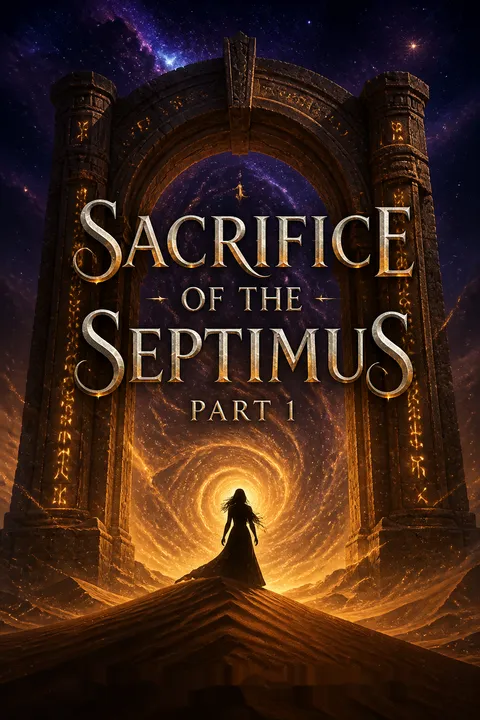

Plot Summary
Prologue: Endings and Sacrifice
Keira, the protagonist, contemplates the nature of endings and sacrifice, questioning whether she would choose a peaceful death or a blaze of glory. But her reality is far more tragic: she faces death at the hands of the man she loves, Draven, who holds a blade to her throat. The prologue sets the emotional tone—Keira's love cannot save her, and her sacrifice is not a happy ending but a lost beginning. She realizes she is not the Chosen One after all, and as she pleads for her life, the story's central question emerges: can fate be changed, or is every story doomed to its end?
Fractured Beginnings
A month before the prologue, Keira is surrounded by friends and family, but the joy is fractured by the pain of lost time and missing loved ones. She struggles with guilt over Jack's disappearance and the trauma of her own absence. The group's banter is a thin veil over deeper wounds. Keira's internal conflict is heightened by the pressure of planning a wedding and the realization that happiness is fleeting. The chapter explores the tension between moving forward and being haunted by the past, setting up the emotional stakes for the journey ahead.
Shadows of Trust
Keira is confronted by a woman who looks like her enemy, Layla, but is revealed to be Ranka, Draven's trusted agent. The encounter tests Keira's trust in Draven and those around her, as she grapples with jealousy, insecurity, and the ever-present threat of betrayal. The couple's passionate reconciliation is shadowed by the knowledge that secrets still linger between them. The chapter delves into the complexities of trust in a world where appearances deceive and loyalty is never certain.
Hen Do Promises
Keira's friends, Pip and Sophia, insist on throwing her a wild Hen Do, despite her initial reluctance. The preparations for the wedding and party become a way for Keira to reconnect with her chosen family, but also highlight the unresolved grief and anxiety beneath the surface. The chapter balances humor and heartache, showing how rituals of joy can coexist with the pain of what's been lost—and what might still be lost.
Ghosts and Guilt
Keira is reunited with her family, who have been given false memories to cover her absence. The joy of seeing them is undercut by the knowledge of deception and the changes time has wrought, especially in her niece, Ella. Keira's longing for a normal life is complicated by the supernatural realities she cannot share. The chapter explores the cost of keeping secrets and the ache of wanting what may never be possible.
Warrior King's Embrace
Keira and Draven's relationship is marked by intense passion and the shadow of Draven's ancient, warrior self. Their lovemaking blurs the line between present and past, as Keira glimpses Draven's earlier incarnation as a brutal king. The experience is both exhilarating and unsettling, foreshadowing the challenges they will face as the past and present collide. The chapter highlights the transformative power of love, but also its dangers.
Friends, Fears, and Farewells
Keira's friends rally around her, offering support and comic relief, but underlying tensions remain. Sophia warns Keira about Ranka's feelings for Draven, and the specter of jealousy looms. The group's camaraderie is a bulwark against the darkness, but Keira is acutely aware of how fragile happiness can be. The chapter underscores the importance of chosen family, even as it hints at the sacrifices to come.
The Oracle's Warning
Keira is visited by the Oracle, who reveals the true nature of the prophecy: Keira's child with Draven is destined to save the world, but at the cost of her own life. The Oracle's inability to lie lends weight to the revelation, and Keira is forced to confront the reality that her happiness and survival are incompatible with the fate of humanity. The chapter is a turning point, as Keira accepts the burden of sacrifice and the impossibility of having it all.
Wedding Plans and Deceptions
As the wedding approaches, Keira and Draven are caught in a web of lies—each hiding the truth to protect the other. Keira's friends conspire to help her fulfill the prophecy, even as Draven tries to shield her from the Oracle's influence. The tension between love and duty is palpable, and the couple's passionate connection is both a source of strength and vulnerability. The chapter explores the limits of love in the face of destiny.
The Prophecy's Price
Keira, Sophia, Pip, and Ari prepare to travel back in time through the Janus Gate, seeking a version of Draven who will give Keira the child needed to fulfill the prophecy. The journey is fraught with uncertainty—will they survive, will they succeed, and what will be the cost? The chapter is a meditation on the price of hope, as Keira faces the reality that saving the world may mean losing everything she loves.
The Devil's Playground
The group's journey takes them to the Devil's Ring, a supernatural club where Keira must perform a seductive dance for Draven as a distraction. The scene is a riot of color, danger, and desire, as alliances are tested and secrets threaten to unravel. The chapter is a microcosm of the larger story—love and loyalty are always at risk, and the line between pleasure and peril is razor-thin.
The Last Gift
On the eve of the wedding, Draven gives Keira a coin—the key to the Janus Gate—unaware of its true significance. The exchange is bittersweet, as both sense the gravity of what is to come but cannot speak the truth. Keira's acceptance of the gift is an acceptance of her fate, and the chapter is suffused with the ache of impending loss.
Into the Janus Gate
Keira and her friends say their goodbyes and enter the Janus Gate, stepping into the unknown. The act is both literal and symbolic—a crossing from one life to another, from hope to sacrifice. The chapter is a study in courage, as each woman faces her fears and commits to the journey, knowing there may be no return.
Sands of the Past
Keira awakens in the ancient desert, separated from her friends and stripped of her powers. Her vulnerability is immediate and visceral, as she is attacked and nearly raped by bandits before being saved by Ranka. The chapter is a stark reminder of the dangers of the past and the limits of agency in a world that is not her own.
The King of Kings
Keira makes her way to the city of Ctesiphon, where she witnesses the splendor and brutality of Draven's earlier incarnation, Arsaces of Parthia. Her attempt to remain unnoticed fails, and she is drawn into the orbit of a man who does not know her, does not love her, and may be her greatest threat. The chapter is a confrontation with the past in all its glory and terror.
Love's Blade
In a moment of high tension, Keira is seized by the ancient Draven, who holds a blade to her throat. The love that once saved her is now a weapon against her, and she is forced to plead for her life. The chapter is the culmination of the story's emotional arc—love, sacrifice, and the inexorable pull of fate.
To Be Continued
The story ends on a cliffhanger, with Keira's fate hanging in the balance. The questions raised in the prologue—about endings, sacrifice, and the possibility of changing fate—remain unresolved. The chapter is a promise that the journey is not over, and that the answers, and the cost, are still to come.
Analysis
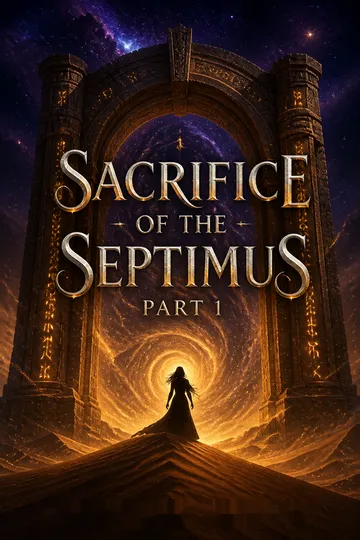
Sacrifice of the Septimus, Part 1 is a sweeping, emotionally charged exploration of love, fate, and the cost of hope. At its core, the novel asks whether it is possible to change destiny, or whether every story is doomed to its end. Through Keira's journey, the narrative delves into the psychological toll of sacrifice—the ways in which love can both save and destroy, and the impossibility of having it all. The use of prophecy as a plot device foregrounds the tension between agency and inevitability, while the time travel elements allow for a nuanced exploration of identity and the echoes of the past. The story's structure—moving from fractured beginnings to a cliffhanger ending—mirrors the emotional arc of its protagonist, who must learn to accept loss in order to give hope to others. The novel's lessons are both timeless and timely: that true love is not about possession, but about the willingness to let go; that sacrifice is the ultimate test of character; and that, in the end, the stories we tell ourselves are both our prison and our salvation.
Review Summary
People Also Read
Characters
Keira
Keira is the heart of the story—a woman caught between love and destiny, haunted by guilt and driven by the need to protect those she loves. Her relationship with Draven is passionate and fraught, marked by both deep connection and the pain of secrets. Keira's psychological journey is one of acceptance: she moves from denial and longing for a normal life to the realization that her sacrifice is necessary for the greater good. Her vulnerability is matched by her courage, and her willingness to face death for love is both her greatest strength and her deepest tragedy.
Dominic Draven
Draven is both a source of strength and a source of pain for Keira. As an ancient, powerful being, he is torn between his desire to shield Keira from harm and his inability to change the fate that binds them. His love is possessive, passionate, and at times overwhelming, but it is also marked by guilt and the fear of losing Keira. Draven's development is shaped by his struggle to reconcile his warrior past with his present vulnerability, and his inability to save Keira is the wound that defines him.
Sophia
Sophia is Draven's sister and one of Keira's closest allies. She is sharp, resourceful, and fiercely protective, often serving as the voice of reason and the architect of plans. Her relationship with Keira is one of sisterhood, marked by both affection and the occasional clash of wills. Sophia's pragmatic approach to the supernatural world is a counterbalance to Keira's emotional turmoil, and her loyalty is unwavering—even when it means lying to her brother for the greater good.
Pip
Pip is the wild card of the group—a mischievous, irreverent imp with a heart of gold. Her humor and creativity provide much-needed levity, but beneath the surface is a deep loyalty and a willingness to risk everything for her friends. Pip's relationship with Keira is one of chosen family, and her role in the story is both to support and to challenge, pushing Keira to embrace the adventure even as she fears the cost.
Ari
Ari is a mirror for Keira—a woman searching for her place in the world, haunted by a past she cannot remember. Her journey is one of self-discovery, as she learns the truth of her origins and finds strength in her new family. Ari's relationship with Vincent is fraught with longing and uncertainty, and her willingness to join Keira on the journey into the past is both an act of courage and a search for belonging.
Ranka
Ranka is a complex figure—Draven's trusted agent, a shapeshifter with a hidden past, and a woman in love with a man she can never have. Her loyalty is divided between duty and desire, and her role in the story is both protector and potential threat. Ranka's psychoanalysis reveals a deep need for purpose and recognition, and her actions are driven by the hope that her sacrifices will be noticed, even if her love is not returned.
The Oracle (Pythia)
The Oracle is the story's catalyst—a woman bound by the Fates, unable to lie, and forced to deliver truths that bring pain. Her relationship with Keira is fraught with guilt and necessity; she is both guide and harbinger of doom. The Oracle's psychological burden is immense, as she must watch the consequences of her revelations unfold, powerless to change the outcome. Her development is marked by sorrow and a desperate hope that the prophecy can be fulfilled without destroying those she cares for.
Lucius
Lucius is Draven's rival and Keira's forbidden confidant—a vampire king whose love for Keira is both a source of strength and a source of pain. His loyalty is absolute, but it is also tinged with regret and longing for what can never be. Lucius's psychological arc is one of acceptance, as he chooses to help Keira even at the cost of his own happiness, and his presence is a reminder of the sacrifices love demands.
Vincent
Vincent is a figure of quiet strength—a powerful angel who waits patiently for Ari to find herself and, by extension, to find him. His role is often supportive, but his internal struggle is one of longing and restraint. Vincent's development is shaped by his willingness to wait, to hope, and to endure the pain of unrequited love in the belief that destiny will eventually bring them together.
Jared
Jared is the pragmatic, sometimes ruthless king of the werewolves, whose loyalty is not to Draven but to Keira herself. His role is that of facilitator and protector, willing to bend the rules for the sake of the greater good. Jared's psychological makeup is defined by a clear sense of hierarchy and the recognition of true leadership, and his willingness to help Keira is both a mark of respect and a calculated risk.
Plot Devices
Prophecy and Sacrifice
The central plot device is the prophecy that Keira's child with Draven will save the world, but only at the cost of her own life. This device drives the narrative, shaping every decision and relationship. The tension between fate and free will is explored through the characters' attempts to change or escape their destinies, and the story's structure is built around the gradual revelation of the prophecy's true meaning. Foreshadowing is used extensively, with dreams, visions, and the Oracle's warnings hinting at the sacrifices to come.
Time Travel and Alternate Selves
The use of the Janus Gate as a means of traveling back in time introduces both narrative complexity and emotional depth. The characters must confront earlier versions of themselves and their loved ones, and the past is both a place of possibility and a source of danger. The device allows for exploration of identity, agency, and the ways in which love and sacrifice echo across time.
Duality and Mirrors
The story is replete with doubles—Keira and her past self, Draven and his ancient incarnation, Ranka as both ally and rival. Mirrors and reflections are recurring motifs, symbolizing the tension between who we are and who we might have been. The device is used to explore the psychological impact of change, loss, and the search for meaning.
Rituals and Performance
Rituals—weddings, parties, performances—are used as both plot devices and metaphors for the roles the characters must play. The Hen Do, the wedding, and the dance at the Devil's Ring all serve as crucibles in which characters reveal their true selves, confront their fears, and make choices that will shape their destinies.
Secrets and Lies
The narrative is driven by secrets—what is hidden to protect, what is revealed to wound, and what is left unsaid. Lies are both shields and weapons, and the tension between honesty and deception is a constant source of conflict. The device is used to explore the limits of love—how much can be forgiven, and what is unforgivable.
Afterlife Saga Series
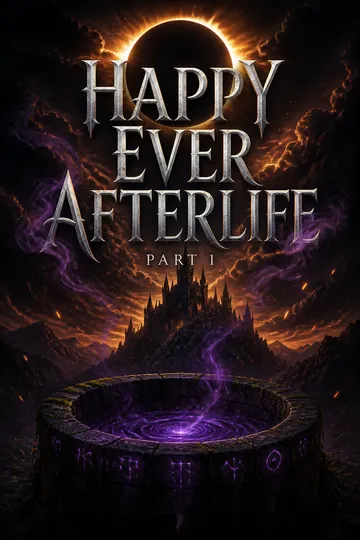
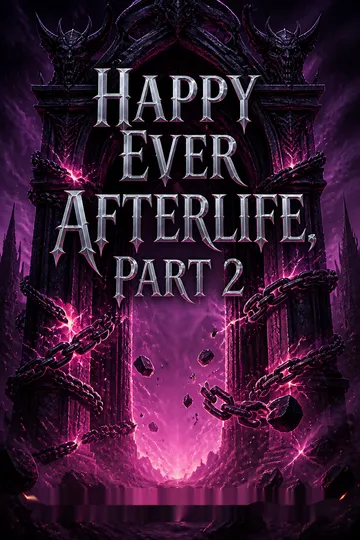
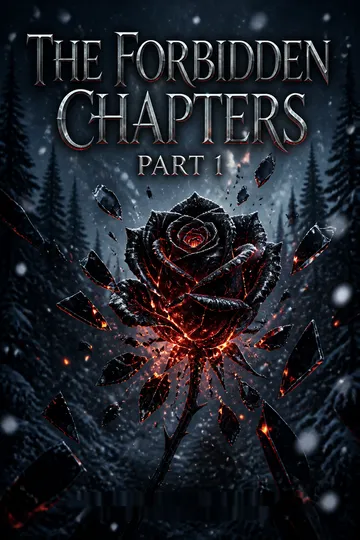
About the Author
Other books by Stephanie Hudson

Download PDF
Download EPUB
.epub digital book format is ideal for reading ebooks on phones, tablets, and e-readers.








































