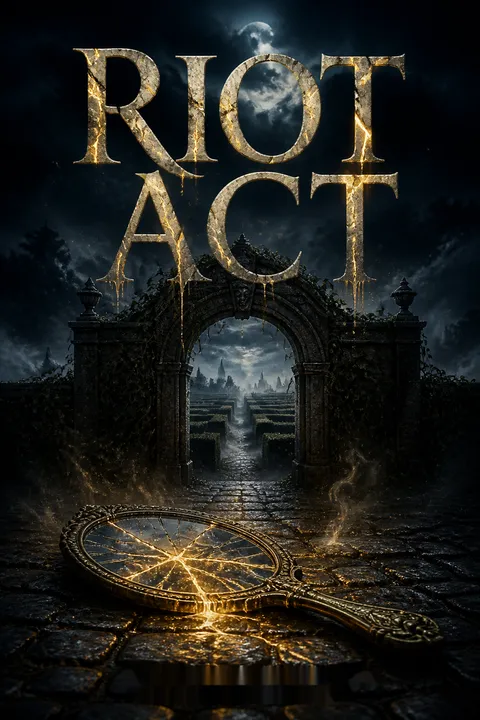

Plot Summary
Nightmares and Near Misses
Presley "Pres" Chase's obsession with Pax Davis, the notorious Riot House boy, is both fantasy and curse. At a drunken party in the woods, her long-held desire nearly becomes reality, but panic and self-preservation win out. She flees, leaving behind humiliation and a tangle of emotions. The next morning, the news of Mara Bancroft's death shatters the fragile world of Wolf Hall Academy, setting off a chain of events that will force Presley and Pax to confront their own darkness and the secrets that bind them.
Riot House Reputations
Pax Davis, all ink and arrogance, is on a European bender, burning bridges and boats. His reputation as a heartbreaker and troublemaker precedes him, but beneath the bravado is a young man haunted by a broken family and a mother's illness. When he learns of his mother's cancer, his world tilts, but he refuses to care—or so he tells himself. The return to Wolf Hall is inevitable, and with it, the collision course with Presley and the ghosts of the past.
The Party in the Woods
Presley's near-encounter with Pax at the party leaves her raw and exposed. The forest becomes a place of both longing and terror, as she grapples with her feelings and the ever-present threat of humiliation. The Riot House boys—Pax, Wren, and Dash—are untouchable, their cruelty legendary. Presley's vulnerability is a secret she guards fiercely, even as her heart aches for the boy who could destroy her.
Aftermath and Accusations
Mara's death becomes a media circus, and Presley is swept up in the storm. Accusations fly, friendships fracture, and the truth becomes harder to find. Pax's return to Wolf Hall is marked by violence and unresolved tension. The lines between victim and perpetrator blur, and Presley finds herself both hunted and haunted by the past.
Family Ties Fray
Presley's family is unraveling. Her father, newly divorced and struggling, tries to rebuild a life in Mountain Lakes, but the return of her half-brother Jonah brings old wounds to the surface. Presley's memories of Jonah are laced with fear and shame, and his presence is a threat she cannot name. The house that should be safe becomes a place of dread, and Presley's isolation deepens.
The Return of Jonah
Jonah's arrival is a catalyst for Presley's unraveling. His charm masks a predatory nature, and the power he holds over her is suffocating. Family dinners become battlegrounds, and Presley's attempts to assert her independence are met with manipulation and gaslighting. The past is never far behind, and Presley's secrets threaten to consume her.
Hospital Confessions
Presley's suicide attempt is a desperate cry for help, but it is Pax who finds her, bleeding and broken. His intervention saves her life, but the act binds them in ways neither can fully understand. In the hospital, Presley faces her father's grief and her own guilt. The truth of her pain is buried beneath layers of shame, and the road to recovery is uncertain.
The Pact and the Kiss
Pax and Presley forge a pact: sex without strings, secrets kept, and emotions off-limits. Their chemistry is undeniable, but the rules they set are a flimsy barrier against the intensity of their connection. A kiss in the hospital is both a test and a promise, and the boundaries between them begin to blur. The past is never truly past, and both are haunted by what they cannot say.
Blood on the Concrete
The aftermath of Presley's suicide attempt lingers. Pax is forced to confront his own capacity for care, even as he tries to maintain his armor. The blood on his hands is both literal and metaphorical, a reminder of the damage he can do and the lives he can save. Presley's recovery is fraught with setbacks, and the specter of Jonah looms ever larger.
Unraveling at Wolf Hall
The return to school is anything but normal. Presley and Pax navigate a minefield of rumors, academic pressures, and the ever-present threat of exposure. Their clandestine arrangement is tested by jealousy, misunderstanding, and the intrusion of friends who want to help but cannot understand. The writing project they are forced to share becomes a battleground for control and intimacy.
The Maze and the Mirror
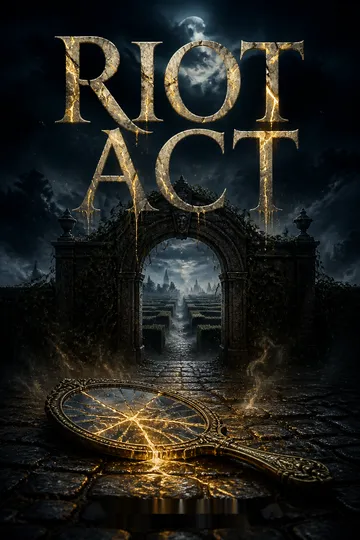
The maze at Wolf Hall is both a physical and psychological labyrinth. For Pax, it is a symbol of his childhood nightmares and the trauma inflicted by his mother. For Presley, it is a place where she must confront the truth about Jonah and the lies she tells herself. Together, they navigate the twists and turns, searching for a way out that does not lead to more pain.
The Truth About Pain
The truth about Presley's past with Jonah comes to light in fragments—through bruises, nightmares, and the terror that grips her in his presence. Pax's own confessions about his family and his time in psychiatric care reveal the depth of his wounds. Their pain is both a barrier and a bridge, drawing them together even as it threatens to tear them apart.
The Rules of Engagement
The rules Pax and Presley set for their relationship are tested at every turn. Jealousy, possessiveness, and the need for control clash with vulnerability and the desire for connection. Friends intervene, misunderstandings multiply, and the line between pleasure and pain becomes increasingly blurred. The writing project becomes a metaphor for their struggle to create something lasting out of chaos.
Friends with Consequences
The physical relationship between Pax and Presley intensifies, but so do the risks. Public encounters, secret rendezvous, and the ever-present threat of discovery heighten the stakes. The boundaries between love and obsession, protection and possession, are tested as both grapple with what they truly want—and what they are willing to risk to get it.
The Writing Challenge
The novella project forces Pax and Presley to confront their own stories. Through their characters, they explore trauma, healing, and the possibility of redemption. The act of creation becomes a form of therapy, but also a source of conflict. Their writing is raw, honest, and sometimes brutal—a mirror held up to their own lives.
Bruises and Boundaries
The physical and emotional bruises Presley carries are matched by the scars Pax tries to hide. Their relationship is a refuge and a crucible, a place where they can be both safe and exposed. The threat of Jonah's return hangs over them, and the need for boundaries becomes more urgent. Trust is hard-won and easily lost.
The Breaking Point
Jonah's violence escalates, culminating in a brutal confrontation in New York. Pax's intervention is both savior and avenger, and the truth about Presley's abuse is finally revealed. The aftermath is a reckoning for all involved—Presley, her father, and Pax himself. The cost of survival is high, but the possibility of healing emerges from the wreckage.
The Rescue and Reckoning
Jonah is brought to justice, and Presley begins the slow process of reclaiming her life. Pax faces his own demons, making amends for the pain he has caused and learning to accept love. Their relationship, once built on secrecy and shame, becomes a source of strength. Graduation looms, and with it, the promise of a new beginning.
Graduation and New Beginnings
The end of Wolf Hall is both an ending and a beginning. Pax's raw, honest graduation speech is a declaration of survival and hope. Presley, finally free from Jonah's shadow, chooses love and the possibility of happiness. Together, they look toward a future that is uncertain but theirs to claim—a future where the path of least resistance leads them home.
Analysis
Riot Act is a raw, unflinching exploration of trauma, survival, and the messy, nonlinear path to healing. At its core, the novel is about two broken people—Presley and Pax—who find in each other both a mirror and a lifeline. The story refuses easy answers: love does not erase pain, and survival is not the same as recovery. Instead, the novel insists on the necessity of vulnerability, the courage required to confront the past, and the power of connection to transform even the most damaged souls. The writing project at the heart of the story is a metaphor for the act of living: messy, collaborative, and always unfinished. The lessons of Riot Act are hard-won—trust must be earned, boundaries must be respected, and healing is a process, not a destination. In a world that often punishes the wounded, the novel offers a radical vision of hope: that even the most shattered among us can find love, forgiveness, and a future worth fighting for.
People Also Read





Characters
Presley "Pres" Chase
Presley is the emotional heart of the story—a girl marked by trauma, longing, and resilience. Her journey is one of survival: from the near-miss with Pax in the woods, through the suffocating presence of her abusive half-brother Jonah, to the depths of despair and a suicide attempt. Presley's relationship with her parents is fractured, her friendships are both solace and source of anxiety, and her self-worth is battered by years of secrets and shame. Yet, she is fiercely intelligent, creative, and ultimately brave—her willingness to confront her pain and seek connection with Pax is both her greatest risk and her salvation. Her arc is one of reclaiming agency, learning to trust, and choosing love over fear.
Pax Davis
Pax is the quintessential antihero: beautiful, cruel, and deeply wounded. His reputation as a Riot House boy is built on arrogance, violence, and a refusal to care. Beneath the ink and bravado, however, is a young man shaped by a cold, neglectful mother, a dead father, and years of emotional abandonment. Pax's journey is one of reluctant vulnerability—his connection with Presley forces him to confront his own capacity for care, his fear of intimacy, and the possibility of redemption. His protective instincts are both a shield and a weapon, and his struggle to balance control with compassion is at the core of his development. Ultimately, Pax's love for Presley is transformative, teaching him to risk, to trust, and to hope.
Jonah Witton
Jonah is the story's most insidious villain—a half-brother whose charm hides a history of sexual abuse and violence. His manipulation of Presley is both psychological and physical, leaving her isolated and terrified. Jonah's presence is a constant threat, his return to Mountain Lakes the catalyst for Presley's unraveling. His eventual exposure and defeat are both a reckoning and a release, forcing Presley and her father to confront the truth and begin the process of healing.
Wren Jacobi
Wren is one of the Riot House boys, known for his intensity, intelligence, and loyalty. His relationship with Elodie softens his edges, but he remains a force to be reckoned with—protective, strategic, and unafraid to get his hands dirty. Wren's friendship with Pax is both a source of strength and a mirror for Pax's own struggles. He is the anchor in the storm, the one who keeps the group together even as everything threatens to fall apart.
Lord Dashiell "Dash" Lovett IV
Dash is the most outwardly playful of the Riot House boys, using humor and bravado to mask his own insecurities. His relationship with Carina reveals a softer side, and his loyalty to his friends is unwavering. Dash is the glue that binds the group, his willingness to challenge and support both Pax and Wren essential to their survival. He is also a keen observer, often seeing more than he lets on.
Carina "Carrie" Mendoza
Carrie is Presley's best friend and Dash's partner. She is sharp, protective, and unafraid to call out bullshit when she sees it. Carrie's loyalty to Presley is unwavering, and her willingness to confront both Pax and Dash is a testament to her strength. She is the voice of reason in a world gone mad, and her presence is a lifeline for Presley.
Elodie Stillwater
Elodie is Wren's girlfriend and a stabilizing force within the group. Her own history of trauma gives her a unique empathy for Presley, and her relationship with Wren is a model of healing and hope. Elodie is quiet but not weak, her strength revealed in moments of crisis and her willingness to stand up for those she loves.
Meredith Davis
Meredith is Pax's mother, a woman whose beauty and ambition mask a profound emotional emptiness. Her neglect and manipulation are the source of much of Pax's pain, and her illness is both a test and an opportunity for reconciliation. Meredith's inability to apologize or connect is a cautionary tale, a reminder of the damage that can be done by those who refuse to love.
Robert Witton
Presley's father is a man undone by divorce, regret, and the realization of his own failures. His attempts to protect Presley are often misguided, but his love is genuine. The revelation of Jonah's abuse is a shattering blow, forcing him to confront his own blindness and begin the long road to forgiveness.
Mara Bancroft
Mara's death is the inciting incident that sets the story in motion. Her disappearance, rumored pregnancy, and eventual murder are the backdrop against which Presley and Pax's story unfolds. Mara is both a symbol of lost innocence and a reminder of the dangers lurking beneath the surface of Wolf Hall.
Plot Devices
Dual Narration and Shifting Perspectives
The novel alternates between Presley and Pax's points of view, allowing readers to inhabit both the victim and the antihero. This structure deepens the emotional resonance, revealing the misunderstandings, secrets, and desires that drive the characters. The dual narration also allows for dramatic irony, as readers are privy to truths the characters cannot or will not share with each other.
Trauma as Catalyst and Obstacle
Trauma is both the engine of the plot and the barrier to intimacy. Presley's abuse and suicide attempt, Pax's neglect and rage, and the violence that permeates Wolf Hall are not just backstory—they are active forces that shape every decision, every relationship, and every moment of vulnerability. The story's emotional arc is one of moving through pain, not around it.
The Maze and the Mirror
The recurring motif of the maze—both literal and metaphorical—serves as a symbol for the characters' internal struggles. The writing project, with its shifting genres and perspectives, becomes a mirror for Presley and Pax's journey toward self-understanding and connection. The maze is a place of danger and revelation, a crucible in which both must confront their demons.
Foreshadowing and Repetition
The novel is rich with foreshadowing—dreams, nightmares, and repeated phrases ("the path of least resistance") hint at the dangers to come and the lessons to be learned. The repetition of certain images (blood, bruises, ink, fire) reinforces the cyclical nature of trauma and the possibility of breaking free.
The Pact and the Breaking of Rules
The rules Pax and Presley set for their relationship are both a shield and a trap. Their attempts to control the uncontrollable—desire, pain, love—are doomed to fail, but the breaking of these rules is also the path to healing. The writing project, the sex, the secrecy—all are ways of testing and ultimately transcending the boundaries that keep them apart.
Crooked Sinners Series






Download PDF
Download EPUB
.epub digital book format is ideal for reading ebooks on phones, tablets, and e-readers.








































