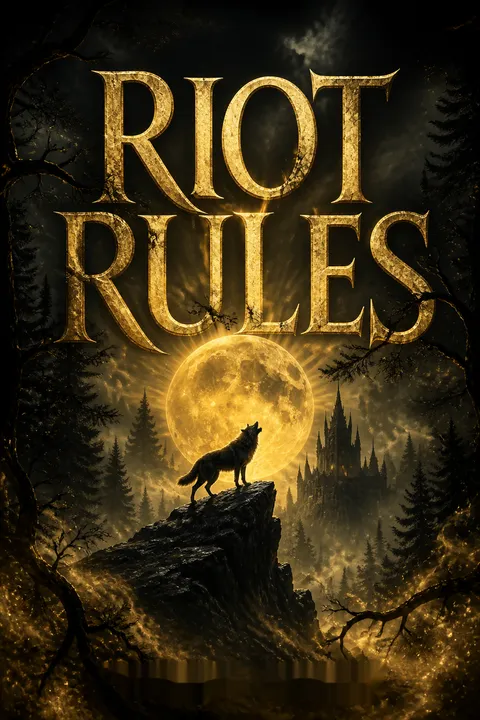

Plot Summary
Rules for Survival
Carina "Carrie" Mendoza arrives at Wolf Hall, a prestigious, isolated boarding school, with a new name and a strict set of rules from her mysterious guardian, Alderman: lie about everything, trust no one, and above all, no boys. For Carrie, Wolf Hall is a sanctuary from a violent past, but it's also a place where secrets are currency and survival means blending in. She crafts a fake life, inventing stories about a brother she doesn't have, and clings to the hope that if she follows the rules, she'll stay safe. But the school's social order is ruled by the infamous Riot House boys, and Carrie's resolve is tested the moment she crosses paths with them.
Wolf Hall's Dark Lords
Dashiell "Dash" Lovett, Wren Jacobi, and Pax Davis are the untouchable kings of Wolf Hall, each with their own darkness. Dash, the English aristocrat, hides pain behind arrogance and music. Wren, the manipulative artist, is both alluring and dangerous. Pax, the volatile model, is always ready for a fight. Together, they live off-campus in the legendary Riot House, breaking rules and hearts. Carrie watches them from afar, especially Dash, whose secret piano playing draws her in. The boys' world is one of privilege, cruelty, and unspoken trauma, and Carrie's careful existence is threatened as she's pulled into their orbit.
Lies and First Kisses
Carrie's rules are tested when she and Dash are thrown together by chance. Their banter is sharp, their chemistry undeniable, but both are experts at hiding pain. Carrie's first real kiss is with Dash, a moment of raw, electric connection that leaves her reeling—and then devastated when he coldly dismisses her. Both are haunted by their pasts: Carrie by abuse and violence, Dash by a loveless family and impossible expectations. Their mutual longing is complicated by secrets, pride, and the ever-present threat of exposure.
Broken Boys, Broken Girls
Carrie's childhood is revealed in harrowing flashbacks: abuse, addiction, and a desperate act of self-defense that forced her to run. Dash's life is equally fractured, shaped by a father who demands perfection and a legacy he never wanted. Both are drawn to each other's brokenness, but their attempts to connect are sabotaged by fear, self-loathing, and the toxic culture of Wolf Hall. The Riot House boys' pact—no girlfriends, no weakness—means any real relationship is forbidden, and Carrie's guardian's rules echo in her mind: no boys, no love, no mistakes.
Riot House Games Begin
The social hierarchy explodes at a wild party where Carrie and Dash's attraction ignites. Their secret rendezvous is passionate but ends in heartbreak when Dash, pressured by his friends and his own demons, pushes her away. The Riot House boys' games escalate, targeting anyone who threatens their dominance. Carrie is caught between wanting Dash and needing to protect herself. The party's aftermath leaves everyone changed, and the first cracks appear in the boys' unbreakable bond.
Secrets in the Shadows
Carrie's past continues to haunt her, and Dash's self-destructive spiral worsens. Both are trapped by secrets: Carrie's real identity and the crime she's running from, Dash's family legacy and his growing feelings for her. The Riot House boys' cruelty intensifies, and Carrie's friends are collateral damage. A forbidden romance blooms in the shadows, but every stolen moment is fraught with risk. The school's gothic halls and the surrounding forest become a labyrinth of lies, watched over by the ever-present wolves.
The Cost of Wanting
Carrie and Dash can't stay away from each other, but every step closer comes at a price. Their secret affair is passionate, healing, and dangerous. When Dash's friends discover the truth, the consequences are brutal. Carrie's carefully constructed life unravels as Wren and Pax close in, and Dash is forced to choose between loyalty to his friends and love for Carrie. The Riot House pact is tested, and the cost of breaking the rules becomes deadly clear.
The Maze and the Wolves
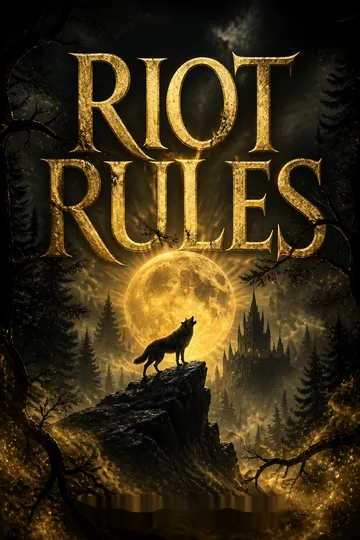
The school's literal and metaphorical maze mirrors Carrie's struggle to escape her history. The wolves that haunt the forest are both threat and symbol—predators, survivors, and the embodiment of the Riot House boys' wildness. Carrie's trauma resurfaces, and Dash's attempts to protect her only push her further away. The maze becomes the setting for confessions, betrayals, and a desperate search for safety. The line between hunter and hunted blurs, and Carrie must decide if she'll keep running or finally fight back.
The Party That Changed Everything
Another Riot House party spirals out of control, culminating in a deadly confrontation. Carrie's friend Mara disappears, and suspicion falls on everyone. A teacher's obsession, a hidden diary, and a web of lies threaten to destroy what's left of Carrie and Dash's fragile happiness. The truth about Mara's fate, the Riot House boys' secrets, and Carrie's own past collide in a night of blood and reckoning. No one escapes unscathed, and the cost of survival is higher than anyone imagined.
Aftermath and Obsessions
The fallout from the party is devastating. Carrie is haunted by guilt over Mara, her own survival, and her inability to trust. Dash is consumed by regret, unable to move on from what he's lost. Both are trapped in cycles of self-destruction, unable to forgive themselves or each other. The Riot House boys' friendship fractures, and the school is gripped by fear and suspicion. Carrie's secret is threatened, and Dash's attempts to make amends only deepen the wounds.
The Diary and the Dead
Mara's hidden diary becomes the key to unraveling the mystery of her disappearance and the darkness at the heart of Wolf Hall. Carrie and Dash are forced to confront the teacher's obsession, the Riot House boys' complicity, and their own roles in the tragedy. The diary's revelations force everyone to choose: protect themselves or seek justice. The dead demand answers, and the living must decide what kind of people they want to be.
Truths, Betrayals, and Blood
The final confrontation is violent and cathartic. Carrie's past is exposed, Dash's sacrifices are revealed, and the Riot House boys must face the consequences of their actions. Blood is spilled, secrets are confessed, and forgiveness seems impossible. But in the aftermath, there is a chance for healing. Carrie survives, but not without scars. Dash's love is tested, and both must decide if they can move forward together or if the past will always keep them apart.
Forgiveness and New Beginnings
In the wake of violence and loss, Carrie and Dash are given a second chance. The truth sets them free, but only if they can forgive themselves and each other. The Riot House boys are changed, their friendship tempered by pain and loyalty. Carrie's family secrets are revealed, and she finds unexpected support. Dash must choose between his legacy and his heart. Together, they decide to stop running from the past and build a future—one defined by honesty, courage, and love.
The End of Running
Carrie and Dash's journey ends where it began: with a choice. No longer defined by fear or shame, they claim their right to happiness. The wolves still roam the mountain, but Carrie is no longer prey. She is a survivor, a fighter, and finally, her own person. Dash stands beside her, not as a savior, but as a partner. Together, they face the unknown, ready to write their own story—one where love is not a weakness, but the ultimate act of rebellion.
Analysis
Riot Rules is a dark, emotionally charged exploration of trauma, power, and the possibility of redemption. At its core, the novel asks whether love can survive the weight of secrets, violence, and betrayal. Through its dual narration and intricate plotting, the story immerses readers in the psychological mazes of its characters, refusing easy answers or simple resolutions. The Riot House boys' world is one of privilege and pain, where rules are both shield and weapon, and survival often means complicity. Carrie's journey—from victim to survivor, from liar to truth-teller—is a powerful meditation on the cost of silence and the courage required to claim one's own story. Dash's arc, from arrogance to vulnerability, challenges the myth of the untouchable hero and reveals the strength found in honesty and connection. The novel's use of parties, games, and rituals as crucibles for transformation underscores the dangers of unchecked power and the necessity of breaking cycles of violence. Ultimately, Riot Rules is a story about the end of running: the moment when, despite fear and pain, we choose to stand, to speak, and to love. Its lessons are hard-won but enduring—reminding us that healing is possible, but only if we are brave enough to face the truth, forgive ourselves, and risk everything for a new beginning.
People Also Read


Characters
Carina "Carrie" Mendoza / Hannah Rose Ashford
Carrie is the heart of the story—a girl running from a violent, traumatic past, living under a new name and a strict set of rules. Her relationship with her guardian, Alderman, is both protective and suffocating, shaped by secrets and survival. Carrie is fiercely intelligent, resourceful, and deeply wounded. Her trauma manifests in hyper-vigilance, self-doubt, and a desperate need for control. She is drawn to Dash's brokenness, seeing in him a reflection of her own pain. Over the course of the novel, Carrie transforms from a girl defined by fear and lies into a woman who claims her own story, confronts her past, and chooses love—not as a weakness, but as an act of courage.
Dashiell "Dash" Lovett
Dash is Wolf Hall's golden boy—aristocratic, talented, and seemingly untouchable. Beneath the surface, he is haunted by a loveless family, impossible expectations, and a legacy he never wanted. His relationship with Carrie is both healing and destructive, as he struggles to reconcile his need for control with his longing for connection. Dash's psychological complexity is rooted in shame, self-loathing, and a desperate desire to be seen. His journey is one of self-discovery, sacrifice, and ultimately, redemption. He learns that true strength lies in vulnerability, and that love is worth fighting for—even when it means breaking the rules.
Wren Jacobi
Wren is the most enigmatic of the Riot House boys—brilliant, cruel, and deeply damaged. His relationship with his twin sister, Mercy, is fraught with rivalry and loyalty. Wren's need for control and his fear of intimacy drive much of the novel's conflict. He is both a protector and a predator, capable of great kindness and terrible harm. Wren's arc is one of reckoning: he must confront the consequences of his actions, the limits of his power, and the possibility of change. His connection to Carrie and Dash is both a source of strength and a catalyst for chaos.
Pax Davis
Pax is the muscle of Riot House—angry, impulsive, and fiercely loyal. His aggression masks deep insecurity and a longing for acceptance. Pax's relationship with the other boys is defined by brotherhood and competition, but he is also capable of surprising tenderness. His unrequited love for Presley adds depth to his character, revealing a vulnerability beneath the bravado. Pax's journey is one of self-acceptance and growth, as he learns to channel his rage into protection rather than destruction.
Alderman (Michael)
Alderman is Carrie's protector, mentor, and jailer. His rules are designed to keep her safe, but they also keep her isolated and afraid. Alderman's own past is shrouded in mystery, and his methods are often harsh. He represents the paradox of love as both shield and prison. His relationship with Carrie is complicated by guilt, duty, and a fierce, paternal love that sometimes crosses into control. Ultimately, Alderman must learn to let Carrie go, trusting her to make her own choices.
Mara Bancroft
Mara is Carrie's closest friend at Wolf Hall—a girl who seems to have it all, but is as lost and desperate as anyone. Her disappearance is the novel's central mystery, and her fate is a devastating reminder of the dangers lurking beneath the school's surface. Mara's diary becomes the key to unraveling the truth, and her absence haunts every character. She represents the cost of silence, the consequences of looking away, and the power of secrets to destroy.
Presley Witton-Chase
Presley is Carrie's anchor—a steadfast, compassionate presence in a world of chaos. Her unrequited love for Pax is a source of pain, but also a testament to her resilience. Presley's loyalty is unwavering, and her quiet courage is a model for Carrie. She represents the possibility of healing, the importance of friendship, and the strength found in vulnerability.
Mercy Jacobi
Mercy is Wren's sister—a force of nature, both ally and adversary. Her relationship with Wren is a study in duality: love and hate, protection and rivalry. Mercy's actions are often reckless, but her motivations are rooted in a desperate need for connection. She is both a warning and a guide for Carrie, showing the dangers of unchecked ambition and the cost of loyalty.
Elodie Stillwater
Elodie's arrival at Wolf Hall disrupts the fragile balance of power. Her relationship with Wren forces him to confront his own capacity for love and change. Elodie is brave, curious, and unwilling to be a victim. She becomes both a friend and a mirror for Carrie, challenging her to reclaim her passion and trust again.
Wesley Fitzpatrick (Fitz)
Fitz is the embodiment of authority gone wrong—a charming, manipulative figure whose obsession with Wren and the Riot House boys turns deadly. His actions are the catalyst for the novel's darkest events, and his downfall is both a reckoning and a warning. Fitz represents the dangers of unchecked power, the consequences of silence, and the necessity of speaking truth to authority.
Plot Devices
Dual Narration and Unreliable Memory
The novel alternates between Carrie and Dash's perspectives, allowing readers to experience the same events through different lenses. This dual narration creates dramatic irony, as each character's secrets and misunderstandings drive the plot. The use of unreliable memory—flashbacks, trauma-induced gaps, and selective retellings—deepens the psychological complexity. The story's structure mirrors the characters' internal mazes, with revelations and reversals that keep the reader off-balance.
The Riot House Pact and Social Hierarchy
The Riot House boys' pact—no girlfriends, no weakness—serves as both a plot engine and a psychological barrier. The social hierarchy of Wolf Hall, enforced through parties, games, and cruelty, is a microcosm of larger systems of power. The pact's eventual breakdown signals the possibility of change, but not without violence and loss.
Foreshadowing and Symbolism
The recurring imagery of wolves, the literal maze on school grounds, and the ever-present threat of exposure foreshadow the novel's central conflicts. Wolves symbolize both danger and kinship, predators and survivors. The maze represents the characters' psychological entrapment and the difficulty of finding a way out. Parties, games, and rituals serve as crucibles for transformation, where secrets are revealed and alliances are tested.
The Hidden Diary and the Power of Secrets
Mara's diary is the novel's central plot device—a physical manifestation of the secrets that haunt every character. Its discovery and destruction force the characters to confront the truth, make impossible choices, and decide what kind of people they want to be. The diary's revelations drive the final act, culminating in violence, confession, and the possibility of forgiveness.
Trauma, Healing, and the Search for Home
The novel's emotional arc is shaped by trauma—abuse, violence, betrayal—and the long, painful process of healing. Carrie and Dash's relationship is both a source of pain and a path to recovery. The search for home—literal and metaphorical—drives every character. The ending's promise of new beginnings is hard-won, a testament to the power of love, honesty, and the refusal to keep running.
Crooked Sinners Series







Download PDF
Download EPUB
.epub digital book format is ideal for reading ebooks on phones, tablets, and e-readers.








































