
Plot Summary
Wolves and Widows Collide
Ocean Munroe's world is a powder keg of violence and loyalty, split between the Black Widows and the West Side Wolves. When her best friend and former protector, Nic, becomes the Widows' ruthless leader, Ocean is forced to navigate a world where trust is a luxury she can't afford. The Wolves, led by the enigmatic Russo, see her as both a threat and a potential asset. Ocean's entry into the Wolf Den is a declaration of war, not just between gangs, but within herself. The tension is palpable, every glance a challenge, every word a test. As Ocean steps deeper into this world, she realizes that survival means making impossible choices, and that love and hate are often two sides of the same coin.
Betrayal in Blood
Nic's transformation from friend to feared leader is complete when he murders Ocean's father, shattering her last illusions of safety. The revelation is a knife to the heart, forcing Ocean to confront the reality that the boy she once loved is now her greatest enemy. The Widows' code of loyalty is exposed as a lie, and Ocean's sense of family is ripped away. Her grief is compounded by the knowledge that her own choices have contributed to the chaos. The lines between victim and perpetrator blur, and Ocean is left to pick up the pieces of a life built on shifting sand. The only certainty is that betrayal begets more betrayal, and that the cost of vengeance is always paid in blood.
Choosing Sides
Torn between her love for Colton and her history with Nic, Ocean is forced to make a decision that will define her future. Nic's ultimatum—choose him or die—pushes her to the brink. The pressure from both gangs is suffocating, and Ocean's pregnancy with her rapist's child adds another layer of complexity. Her friends, once her anchors, are now potential threats. Ocean's choice to align with the Wolves is both an act of self-preservation and a declaration of independence. The fallout is immediate and brutal, as old friends become enemies and new alliances are forged in the crucible of violence. Ocean's journey is no longer about survival; it's about reclaiming her agency in a world determined to strip it away.
The Wolf Den's Price
Ocean's entry into the Wolves is marked by brutality and suspicion. The jump-in is a test of strength and resolve, a ritual that leaves her battered but unbroken. The Wolves are a family forged in fire, and Ocean must prove herself worthy of their respect. The price of admission is high—her body, her secrets, her soul. As she navigates the treacherous politics of the Den, Ocean discovers unexpected allies in Christian and Jaren, men who see her as more than a pawn. But the threat of violence is ever-present, and Ocean learns that in this world, mercy is a weakness and trust is a weapon.
Lovers and Enemies
Colton's unwavering devotion to Ocean is both her salvation and her curse. Their love is a sanctuary in a world gone mad, but it is also a target. The gangs see their relationship as a vulnerability to exploit, and Ocean's pregnancy becomes a battleground for control. Colton's willingness to risk everything for her is both inspiring and terrifying. Together, they dream of a future free from violence, but the past refuses to let them go. Every stolen moment is shadowed by the threat of betrayal, and Ocean is forced to confront the reality that love alone may not be enough to save them.
Pregnant with Secrets
Ocean's pregnancy is a constant reminder of her trauma, a secret she carries like a stone. The question of whether to keep the baby is a source of endless torment. Friends and enemies alike offer advice, but the decision is hers alone. The baby is both a symbol of hope and a reminder of everything she has lost. As Ocean grapples with her future, she is forced to confront the limits of forgiveness and the meaning of family. The choices she makes will reverberate through the lives of everyone she loves.
The Jump-In
The Wolves' initiation is a crucible, a test of Ocean's strength and resolve. The violence is both physical and psychological, a gauntlet she must run to earn her place. The experience leaves her scarred but stronger, her sense of self forged in the fires of adversity. The Wolves, once her enemies, become her brothers-in-arms, and Ocean discovers a new kind of family—one built on respect and shared suffering. The jump-in is both an end and a beginning, a rite of passage that marks Ocean's transformation from victim to survivor.
War on the Horizon
The fragile peace between the Wolves and Widows shatters as both sides prepare for war. Ocean, now a leader in her own right, must navigate the treacherous waters of gang politics. Every decision is a gamble, every alliance a potential betrayal. The threat of violence hangs over everything, and Ocean is forced to confront the reality that victory may come at the cost of her soul. The lines between right and wrong blur, and Ocean learns that in war, there are no heroes—only survivors.
Fire and Ashes
Nic's final act of vengeance is an inferno that consumes everything in its path. The Wolf Den is set ablaze, and Ocean is forced to choose between saving herself and saving her brothers. The fire is both literal and metaphorical, a cleansing that leaves nothing untouched. Thirteen men die, including Jaren and Russo, and Ocean is left to pick up the pieces. The cost of revenge is higher than she ever imagined, and the scars will last a lifetime. In the ashes of her old life, Ocean must find the strength to rebuild.
The Cost of Revenge
With the Wolves in ruins and Nic on the run, Ocean is forced to confront the consequences of her actions. The line between justice and vengeance blurs, and Ocean is haunted by the lives lost in her name. The burden of leadership is heavy, and the guilt threatens to consume her. As she struggles to find meaning in the chaos, Ocean learns that true strength lies not in violence, but in the ability to forgive herself. The cost of revenge is steep, but the price of inaction is even higher.
The End of Nic
The final showdown between Ocean and Nic is a reckoning years in the making. Surrounded by friends and enemies, Ocean is forced to choose between mercy and justice. The gun in her hand is both a symbol of her power and a reminder of her vulnerability. In the end, it is love—not hate—that prevails. Nic surrenders, choosing to face the consequences of his actions rather than perpetuate the cycle of violence. The era of the Widows ends not with a bang, but with a surrender, and Ocean is left to pick up the pieces of a world forever changed.
Picking Up Pieces
In the aftermath of war, Ocean and her friends are left to mourn their losses and rebuild their lives. The scars of violence run deep, but the bonds of friendship are stronger. Ocean's decision to give her baby up for adoption is both heartbreaking and hopeful, a testament to her strength and selflessness. The future is uncertain, but for the first time, Ocean dares to dream of happiness. The journey from victim to survivor is complete, and Ocean is finally free to choose her own path.
A New Queen Rises
With Nic gone and the Wolves in disarray, Ocean steps into the role of leader. Her reign is marked by compassion and strength, a new kind of power that values loyalty over fear. The Wolves, once a symbol of violence, become a force for change. Ocean's vision of a better world is realized, not through violence, but through the bonds of family and friendship. The legacy of the past is honored, but the future belongs to those brave enough to seize it.
Letting Go
Ocean's decision to give her baby to a loving family is both an act of love and a leap of faith. The process is fraught with emotion, but Ocean knows it is the right choice. The new parents are everything she hoped for, and the knowledge that her child will be loved gives her peace. The act of letting go is both an ending and a beginning, a testament to Ocean's growth and resilience. In giving her child a better life, Ocean finds the strength to embrace her own.
Family, Found and Lost
The wounds of the past begin to heal as Ocean reconciles with her friends and family. The pain of betrayal is tempered by the joy of forgiveness, and the bonds of love prove stronger than the scars of violence. Ocean's relationship with Colton deepens, and together they build a future founded on trust and mutual respect. The family they create is not defined by blood, but by the choices they make and the love they share.
The Last Goodbye
Nic's imprisonment is both a punishment and a chance for redemption. Ocean's final visit is a moment of closure, a chance to say goodbye to the boy she once loved and the man he became. The pain of the past is acknowledged, but the future is embraced with hope. The cycle of violence is broken, and the promise of a better tomorrow is within reach. Ocean's journey is complete, and the world she helped create is one worth fighting for.
A Future Promised
With the past behind her, Ocean steps into a future filled with possibility. The foundation she creates with Colton is a testament to their shared vision of a better world. The scars of violence remain, but they are a reminder of how far she has come. Surrounded by friends and family, Ocean is finally free to live the life she deserves. The story ends not with an ending, but with a promise—a promise that love, in all its forms, is the greatest power of all.
Analysis
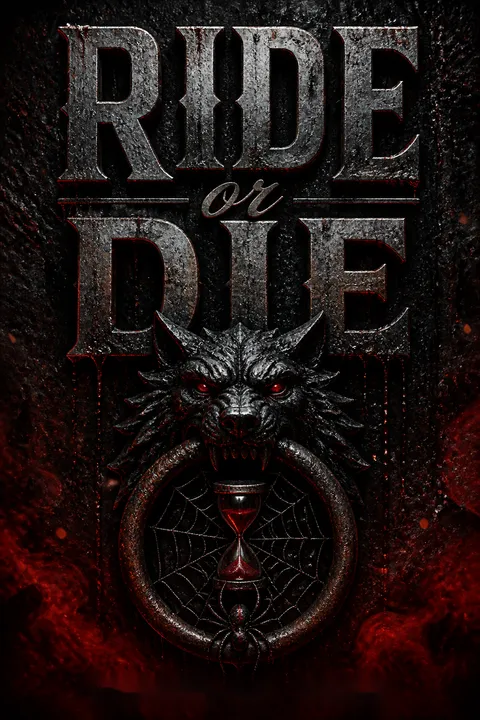
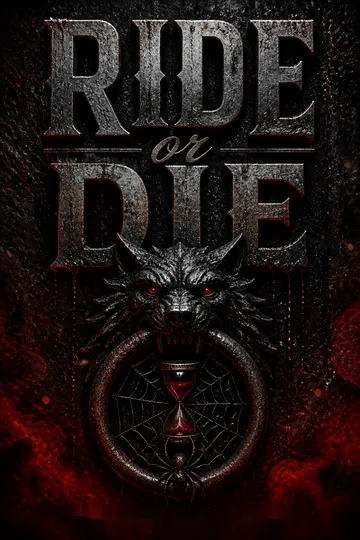
Ride or Die is a raw, unflinching exploration of trauma, loyalty, and the search for identity in a world defined by violence. Sheridan Anne crafts a narrative that is both brutal and deeply human, refusing to shy away from the complexities of love, betrayal, and forgiveness. At its core, the novel is a coming-of-age story set against the backdrop of gang warfare, but it is also a meditation on the power of choice. Ocean's journey—from victim to leader, from lost girl to found family—is a testament to the resilience of the human spirit. The novel challenges readers to question the meaning of loyalty, the cost of revenge, and the possibility of redemption. In a world where violence is both a weapon and a shield, Ride or Die dares to imagine a future where healing is possible, and where love—messy, complicated, and hard-won—is the greatest act of all.
People Also Read
Characters
Ocean Munroe
Ocean is the emotional and moral center of the novel, a young woman forged in the fires of trauma and betrayal. Her journey from victim to leader is marked by resilience, compassion, and a fierce determination to protect those she loves. Ocean's relationships—with Nic, Colton, her friends, and her unborn child—are complex and deeply human, reflecting her struggle to reconcile love and loyalty in a world defined by violence. Her pregnancy is both a source of pain and a catalyst for growth, forcing her to confront the limits of forgiveness and the meaning of family. Ocean's greatest strength is her ability to choose her own path, even when the world conspires to take that choice away.
Dominic "Nic" Garcia
Nic is a study in contradictions—a ruthless gang leader haunted by the boy he once was. His love for Ocean is both his salvation and his undoing, driving him to acts of both tenderness and brutality. Nic's descent into violence is fueled by grief, guilt, and a desperate need for control. His betrayal of Ocean is the story's central wound, and his eventual surrender is both a moment of redemption and a recognition of his own limitations. Nic's journey is a cautionary tale about the corrosive power of violence and the possibility of forgiveness, even for those who seem beyond saving.
Colton Carrington
Colton is Ocean's rock, a source of unwavering support and unconditional love. His willingness to risk everything for her is both inspiring and terrifying, reflecting his deep sense of responsibility and his own scars. Colton's relationship with Ocean is a sanctuary in a world gone mad, but it is also a crucible that tests the limits of trust and forgiveness. His struggle to accept Ocean's pregnancy and her ties to the Wolves is a testament to his humanity, and his ultimate acceptance is an act of profound love.
Christian Russo
Christian is Ocean's unexpected ally in the Wolves, a man who sees her as more than a pawn. His loyalty is hard-won but unshakeable, and his willingness to challenge the status quo makes him a force for change. Christian's relationship with Ocean is marked by mutual respect and a shared sense of purpose. As the Wolves' new leader, he embodies a new kind of power—one that values compassion over fear and loyalty over violence.
Jaren
Jaren is a rare source of kindness in the Wolf Den, offering Ocean advice and support when she needs it most. His story of adoption provides Ocean with a model for her own decision, and his death in the fire is a devastating loss. Jaren's presence is a reminder that even in the darkest places, there are people worth saving.
Kairo
Kairo is Nic's right hand, a man torn between loyalty to his friend and his own moral compass. His struggle to reconcile his love for Ocean with his duty to the Widows is a microcosm of the novel's central conflict. Kairo's eventual decision to support Ocean is an act of courage, and his leadership in Nic's absence is a testament to his strength.
Sebastian
Sebastian is the heart of the Widows, a source of humor and warmth in a world defined by violence. His relationship with Ocean is brotherly, and his willingness to stand by her even when it means betraying Nic is a mark of true friendship. Sebastian's presence is a reminder that family is not defined by blood, but by the choices we make.
Elijah (Eli)
Eli is Ocean's confidant, the one she turns to when she can't trust anyone else. His struggle to balance his loyalty to Nic with his love for Ocean is a source of constant tension. Eli's willingness to break the rules for Ocean is both a strength and a weakness, reflecting the novel's central theme of the costs of loyalty.
Snake
Snake is the Wolves' would-be usurper, a man whose ambition is matched only by his ruthlessness. His betrayal and eventual murder of Russo is a catalyst for the novel's final act, and his presence is a constant reminder of the dangers of unchecked power. Snake's downfall is both inevitable and necessary, a warning to those who would put ambition above loyalty.
Maria Munroe
Maria is Ocean's anchor, a source of unconditional love and support. Her own journey—from grief to new love with Roman—is a parallel to Ocean's, reflecting the novel's themes of resilience and the possibility of new beginnings. Maria's wisdom and strength are a guiding light for Ocean, and her happiness is a testament to the power of hope.
Plot Devices
Duality of Loyalty and Betrayal
The novel's central plot device is the tension between loyalty and betrayal, both within and between the gangs and within Ocean herself. Every major event is shaped by shifting allegiances, broken promises, and the search for belonging. The narrative structure alternates between moments of intense violence and quiet introspection, mirroring Ocean's internal struggle. Foreshadowing is used to heighten tension, with early betrayals hinting at later acts of violence. The use of first-person perspective immerses the reader in Ocean's emotional journey, making every choice feel immediate and consequential.
Cycles of Violence and Redemption
The story is structured around cycles of violence—murders, betrayals, and acts of revenge—that threaten to consume everyone involved. Each act of violence is both a response to past wrongs and a catalyst for future pain. Redemption is possible, but only through acts of courage and self-sacrifice. The narrative uses repetition and escalation to build tension, culminating in the final confrontation between Ocean and Nic. The resolution is both cathartic and bittersweet, offering hope without denying the cost of survival.
Symbolism of Fire and Water
Fire is a recurring symbol of destruction and renewal, most notably in the burning of the Wolf Den. Water, in contrast, is associated with healing and rebirth—whether in the pool scenes, the rain, or the act of giving birth. These elements are used to underscore the novel's themes of transformation and the possibility of new beginnings. The juxtaposition of fire and water reflects the duality at the heart of the story: love and hate, violence and forgiveness, death and life.
Pregnancy as Catalyst and Metaphor
Ocean's pregnancy is both a literal and metaphorical catalyst for the novel's events. It is the reason for her betrayal, the source of her greatest pain, and ultimately the impetus for her growth. The pregnancy is a constant reminder of the past, but also a symbol of hope for the future. The decision to give the baby up for adoption is both an act of love and a testament to Ocean's strength. The narrative uses the pregnancy to explore themes of agency, trauma, and the meaning of family.
Found Family and Chosen Bonds
The novel subverts traditional notions of family, emphasizing the importance of chosen bonds over blood ties. Ocean's relationships with her friends, her mother, and Colton are the true sources of her strength. The gangs, for all their talk of brotherhood, are revealed to be families built on violence and fear. The narrative structure uses parallel storylines—Ocean's journey, her mother's new love, the friendships among the Widows—to underscore the idea that family is something we create, not something we inherit.
Rejects Paradise Series






Download PDF
Download EPUB
.epub digital book format is ideal for reading ebooks on phones, tablets, and e-readers.








































