
Plot Summary
Exodus Fleet's Fragile Harmony
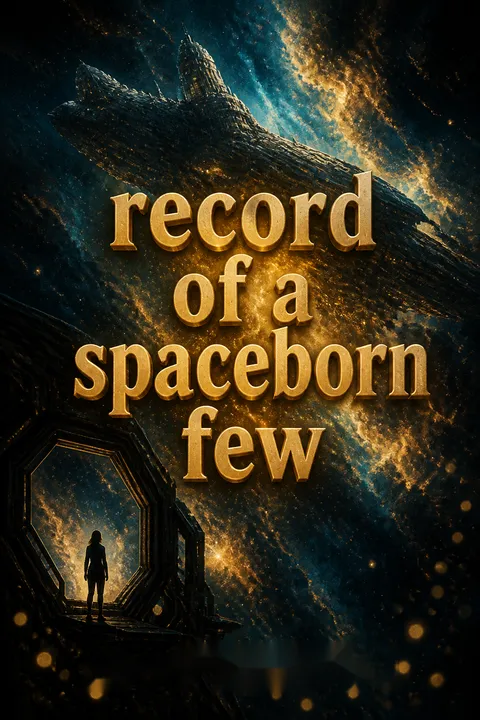
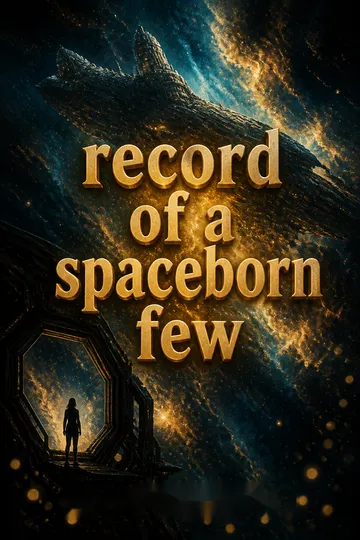
The Exodus Fleet, a collection of aging generation ships, orbits a distant sun, sheltering the last remnants of Earth's people. Life is communal, structured, and defined by tradition. Every citizen is guaranteed food, air, and shelter, and the community's survival depends on careful resource management and mutual reliance. The story opens with Tessa, a mother and cargo worker, teaching her daughter Aya the importance of self-reliance and safety in a world where the void is always a breath away. The Fleet's elders, like Isabel the archivist, and Eyas the caretaker, maintain the rituals and records that bind the community together. Yet, beneath the surface, there is a sense of fragility—of a society always one accident away from disaster, and of traditions that must be constantly renewed to keep meaning alive.
Catastrophe and Collective Grief
When a catastrophic accident destroys the homesteader ship Oxomoco, tens of thousands die in an instant. The Fleet is plunged into collective mourning. Isabel records the chaos for posterity, Eyas and her fellow caretakers are overwhelmed by the impossible task of tending to so many dead, and the entire community dons mourning bands. Even those untouched by personal loss, like young Kip, feel the weight of shared grief. The disaster exposes the vulnerability of the Fleet's way of life and the deep interdependence of its people. The tragedy is not just a loss of life, but a rupture in the social and spiritual fabric that holds the Fleet together.
Rituals of Death and Renewal
Eyas and the caretakers perform the ancient Exodan ritual of composting the dead, returning bodies to the soil that sustains the Fleet's gardens and, by extension, its people. This practice is both practical and sacred, a way of ensuring nothing is wasted and that the dead remain part of the living community. The process is strained to its limits by the scale of the Oxomoco tragedy, forcing Eyas and her colleagues to improvise and confront the limits of tradition. The rituals offer comfort, but also raise questions about what it means to honor the dead when the system is overwhelmed. Through these acts, the Fleet reaffirms its identity, even as it is tested.
Children of the Void
The Fleet's children, like Kip and Aya, navigate a world defined by communal living, job trials, and the ever-present risk of the void. Kip struggles with restlessness and a sense of being trapped, unsure of his place in a society that values contribution above all. Aya, traumatized by the Oxomoco disaster, develops a deep fear of the outside and the fragility of the ship's walls. Their experiences reflect the generational tensions within the Fleet—between those who remember Earth, those who have only known the ships, and those who dream of life elsewhere. The children's journeys are marked by both rebellion and longing for belonging.
Outsiders Seeking Belonging
Sawyer, a young man from a planetary colony, arrives in the Fleet seeking connection to his ancestral roots. He is both welcomed and regarded with suspicion, struggling to find work and acceptance in a society wary of outsiders. His outsider's perspective highlights the insularity and unspoken rules of Exodan life. Meanwhile, the arrival of Ghuh'loloan, a Harmagian ethnographer, prompts the Fleet to reflect on itself through alien eyes. Both Sawyer and Ghuh'loloan's experiences reveal the Fleet's strengths—its hospitality, its rituals—as well as its blind spots and prejudices.
Traditions Under Pressure
The Fleet's traditions—barter, communal labor, ritual—are increasingly challenged by the pressures of modernity and contact with the wider Galactic Commons. The introduction of galactic currency (creds), advanced technology, and new ideas creates tension between those who wish to preserve the old ways and those eager for change. Tessa and her colleagues face the threat of automation in the cargo bays, while Eyas questions the continued relevance of composting in a world where resources are less scarce. The community debates what is essential to its identity and what can be adapted or left behind.
The Price of Progress
The Fleet's integration into the Galactic Commons brings material benefits—better technology, new foods, medical advances—but also disrupts the delicate balance of its economy and culture. The influx of creds creates inequality and undermines the barter system. The promise of sentient AIs threatens to make human labor obsolete. Some, like Tessa, fear losing not just their jobs but their sense of purpose. Others, like Isabel, see opportunity in change but worry about forgetting the lessons of the past. The community must grapple with the costs and benefits of progress, and the risk of losing itself in the process.
Breaking and Remaking Home
The question of what makes a home—ship, planet, family, tradition—runs through every character's story. Tessa contemplates leaving the Fleet for a planetary colony, torn between the comfort of the familiar and the hope of a better life for her children. Kip dreams of escape but is haunted by the fear of losing his roots. Sawyer, seeking belonging, is ultimately betrayed by those he hoped to join. The Fleet itself is a home constantly being rebuilt—physically, after disaster; socially, as people come and go; spiritually, through rituals and memory. The act of making and remaking home is both painful and necessary.
The Weight of Memory
Isabel, as archivist, embodies the Fleet's commitment to memory. She records not just facts, but the emotional truth of events, ensuring that both triumph and tragedy are preserved. The Archives are the Fleet's most precious cargo, containing the stories, rituals, and lessons that define Exodan identity. Yet memory is not static; it is shaped by who tells the story and what is chosen to be remembered. The tension between honoring the past and adapting to the present is ever-present, as is the danger of forgetting the reasons behind tradition.
Generations in Orbit
The narrative spans multiple generations, showing the continuity and change within the Fleet. Naming ceremonies for newborns, funerals for the dead, and the daily rhythms of work and family life all reinforce the sense of an ongoing journey. The older generation, like Isabel and Pop, carry the weight of history and responsibility. The younger, like Kip and Aya, must decide what to carry forward and what to leave behind. The Fleet is both a literal and metaphorical vessel, carrying its people through space and time, always in motion, never truly at rest.
Loss, Guilt, and Justice
When Sawyer is killed in an illegal salvage operation, his death becomes a catalyst for reckoning. Eyas, tasked with preparing his body, is haunted by the indignity of his end and the community's indifference. Kip, who overhears the truth, is wracked with guilt and ultimately comes forward, ensuring justice is done. The investigation and funeral force the Fleet to confront its own capacity for exclusion and violence, as well as the limits of its compassion. The event becomes a test of the community's values and its willingness to change.
Choosing to Stay or Go
The question of whether to remain in the Fleet or seek a new life elsewhere is central to many characters. Tessa and her family ultimately choose to leave for a planetary colony, seeking opportunity and safety for their children. Kip, after much searching, leaves to study on another world, only to return with a renewed sense of purpose. The emigrant resource centers, workshops, and rituals all reflect the reality that movement—both physical and social—is part of the Exodan story. The Fleet endures not by holding everyone in, but by letting go and welcoming back.
Seeds of Change
The aftermath of loss and upheaval is not stasis, but growth. Eyas and Sunny found a program to help outsiders adapt to Fleet life, recognizing the need for openness and renewal. The community begins to accept that change is not a threat, but a continuation of the journey. The rituals of birth, death, and naming continue, but are infused with new meaning as the Fleet adapts to its changing circumstances. The seeds of change are both literal and metaphorical, promising a future that honors the past while embracing the unknown.
The Living and the Dead
The Exodan practice of composting the dead is both a symbol and a reality: the dead nourish the living, and the living carry the memory of the dead. Eyas's work as a caretaker is a constant reminder that every ending is also a beginning. The community's rituals—funerals, namings, remembrances—are acts of both mourning and hope. The story insists that to be Exodan is to accept the cycle of loss and renewal, to find meaning in connection, and to honor those who came before by caring for those who come after.
Lessons for the Future
Isabel's role as archivist is to ensure that the Fleet's story is not lost, but also not frozen. The Archives are a living record, open to reinterpretation and growth. The lessons of Earth's destruction, the value of community, and the dangers of forgetting are passed down, but each generation must find its own way. The Fleet's survival depends not on rigid adherence to tradition, but on the ability to learn, adapt, and remember why the old ways mattered in the first place.
Cycles Unbroken
The story ends with ceremonies both old and new: funerals for the lost, naming days for the newborn, and the ongoing work of teaching, learning, and adapting. Kip returns to the Fleet, now an apprentice archivist, ready to carry the story forward. Tessa's family finds a new home on a planet, but remains connected to their roots. The Fleet endures, not as a relic, but as a living, evolving community. The cycles of life, death, and renewal remain unbroken, even as the details change.
Becoming Exodan
To be Exodan is not just a matter of birth, but of participation—of choosing to belong, to contribute, to remember. Outsiders can become insiders, and the children of the Fleet must decide for themselves what it means to carry the name. The rituals, the work, the stories—all are ways of becoming, not just being. The Fleet's greatest strength is its ability to make a home for those who choose it, and to let go of those who must find their own way.
Hope Among the Stars
The final image is one of hope: a new generation welcomed into the Fleet, the rituals of belonging renewed, and the stars still shining beneath their feet. The Exodans are not lost, nor are they alone. Their story is one of endurance, adaptation, and the unbreakable bonds of community. In the face of uncertainty and change, they choose to hope, to remember, and to keep moving forward—together, among the stars.
Analysis
A meditation on community, change, and the meaning of homeRecord of a Spaceborn Few is a quiet, deeply human science fiction novel that explores what it means to belong, to remember, and to adapt. Through its multi-perspective structure, Chambers crafts a portrait of a society at a crossroads—one that must balance the preservation of tradition with the necessity of change. The novel's focus on ritual, memory, and the cycles of life and death grounds its speculative setting in universal human concerns. It asks what is lost and what is gained as communities evolve, and insists that identity is not static but chosen, earned, and continually remade. The story's emotional power lies in its attention to the small moments of connection, loss, and hope that define everyday life. In a world where the future is uncertain and the past is both a guide and a warning, the Fleet's greatest strength is its willingness to remember, to adapt, and to keep moving forward—together, among the stars. The lesson is clear: survival is not just about systems and resources, but about the stories we tell, the rituals we keep, and the courage to choose our own path.
People Also Read




Characters
Tessa Santoso
Tessa is a cargo bay manager and mother of two, embodying the everyday resilience and anxieties of Exodan life. She is practical, loving, and fiercely protective of her children, Aya and Ky. Tessa's relationship with her extended family, especially her father and her brother Ashby (from another Chambers novel), grounds her in tradition, but she is also open to change. Her journey is one of balancing duty to family and community with the desire for a better life, ultimately leading her to consider—and embrace—leaving the Fleet for a planetary colony. Tessa's arc is marked by her struggle with uncertainty, her fear for her children's safety, and her gradual acceptance that home is something that can be remade.
Isabel Itoh
Isabel is the senior archivist of the Asteria, responsible for recording the Fleet's history and rituals. Wise, compassionate, and quietly authoritative, she serves as a bridge between generations and between the Fleet and outsiders. Isabel's psychoanalytic depth lies in her awareness of the power of stories and the necessity of both remembering and adapting. Her relationship with her wife Tamsin and her mentorship of Kip reveal her nurturing side, while her interactions with Ghuh'loloan show her openness to new perspectives. Isabel's development is a journey from passive record-keeper to active shaper of the Fleet's evolving identity.
Eyas Parata
Eyas is a funerary caretaker, responsible for the ritual composting of the dead. She is revered and respected, but also isolated by the symbolic weight of her role. Eyas is introspective, sensitive, and quietly burdened by the expectations placed upon her. Her psychoanalytic complexity emerges in her struggle to reconcile the comfort of tradition with the realities of change and her own sense of stagnation. Through her relationship with Sunny and her efforts to help outsiders adapt, Eyas finds renewed purpose and connection, moving from loneliness to a sense of belonging and agency.
Kip Madaki
Kip is a sixteen-year-old struggling with the constraints of Fleet life and the pressure to find a meaningful role. He is intelligent but insecure, torn between loyalty to his family and the allure of the wider galaxy. Kip's psychological journey is one of alienation, guilt, and eventual growth. His involvement in uncovering the truth about Sawyer's death forces him to confront the consequences of action and inaction. Ultimately, Kip's experiences outside the Fleet and his return as an apprentice archivist reflect the central theme of choosing one's identity and the importance of perspective.
Sawyer Gursky
Sawyer is a young man from a planetary colony who comes to the Fleet seeking roots and belonging. He is earnest, hopeful, and naïve, quickly discovering the unspoken barriers to acceptance. Sawyer's outsider status exposes the Fleet's insularity and the challenges of integration. His tragic death in an illegal salvage operation becomes a catalyst for communal reckoning, forcing the Fleet to confront its own capacity for exclusion and violence. Sawyer's arc is a poignant exploration of the costs of longing and the dangers of being unmoored.
Aya Santoso
Aya is Tessa's daughter, a bright and energetic child whose life is shaped by the ever-present dangers of Fleet existence. The Oxomoco disaster leaves her with deep-seated fears and anxieties about safety and the outside. Aya's struggles reflect the psychological impact of living in a fragile, enclosed world, and her journey is one of learning to trust, adapt, and find her own sense of security. Her relationship with her mother and grandfather highlights the intergenerational transmission of both trauma and resilience.
Ghuh'loloan Mok Chutp
Ghuh'loloan is a Harmagian ethnographer who comes to the Fleet to study its people and customs. She is enthusiastic, respectful, and deeply reflective, serving as both a mirror and a catalyst for change. Her outsider's perspective prompts the Fleet to examine itself, and her efforts to facilitate technological and cultural exchange have far-reaching consequences. Ghuh'loloan's psychoanalytic role is that of the observer who cannot help but influence what she observes, raising questions about the ethics and impact of cultural contact.
Sunny
Sunny is a professional sex worker who becomes Eyas's confidant and lover. He is warm, open, and emotionally intelligent, providing Eyas with the acceptance and understanding she craves. Sunny's role is to model healthy intimacy and the value of vulnerability, helping Eyas move beyond the isolation of her symbolic role. His willingness to support Eyas's efforts to help outsiders adapt reflects his own commitment to community and connection.
Pop (Tessa's father)
Pop is Tessa's aging father, a figure of both wisdom and obstinacy. He represents the older generation's attachment to tradition and the fear of change, but also the capacity for adaptation and letting go. His relationship with Tessa is marked by both conflict and deep love, and his eventual acceptance of her decision to leave the Fleet is a testament to the enduring bonds of family.
Ras
Ras is Kip's best friend, a source of both camaraderie and trouble. He is confident, impulsive, and sometimes reckless, pushing Kip to take risks and challenge boundaries. Ras's refusal to confront uncomfortable truths and his eventual estrangement from Kip highlight the difficulties of growing up and the necessity of making one's own choices. His character serves as a foil to Kip, embodying the tension between belonging and self-determination.
Plot Devices
Multi-perspective Narrative Structure
The novel employs a rotating, close-third-person perspective, following Tessa, Isabel, Eyas, Kip, Sawyer, and others. This structure allows the reader to experience the Fleet from multiple angles—across age, profession, and social status—revealing the interconnectedness and diversity of experience within a closed society. The shifting viewpoints create a tapestry of voices, each with their own emotional arc, and allow for subtle foreshadowing as events in one character's life ripple into another's.
Ritual and Ceremony
Naming ceremonies, funerals, and communal meals are recurring plot devices that both reinforce tradition and mark moments of transition. These rituals serve as emotional touchstones, providing comfort and continuity, but also become sites of tension as the community debates what to preserve and what to adapt. The repetition of ritual language and the careful description of process foreshadow both the endurance and evolution of Exodan culture.
Outsider's Gaze
The arrival of Sawyer and Ghuh'loloan introduces the device of the outsider's gaze, allowing the Fleet to be seen anew. Their questions, misunderstandings, and observations highlight both the strengths and blind spots of Exodan society. This device is used to foreshadow the impact of change and to catalyze self-examination among the Fleet's inhabitants.
Intergenerational Tension
The novel repeatedly contrasts the perspectives of elders, adults, and youth, using family dynamics and mentorships to explore the transmission of values and the inevitability of change. The tension between staying and leaving, between tradition and innovation, is embodied in these relationships, and is used to foreshadow the choices each character must make.
The Cycle of Life and Death
The Exodan practice of composting the dead is both a literal plot device and a central metaphor. It grounds the story in the realities of closed-system survival, while also symbolizing the ongoing cycle of loss and renewal. The process is described in detail, and its disruption during the Oxomoco disaster and Sawyer's death foreshadows the community's struggle to maintain meaning in the face of change.
Letters, Feeds, and Archives
The use of letters, news feeds, and archival records as narrative devices provides both exposition and emotional resonance. These documents allow characters to communicate across distance and time, and serve as reminders of the importance of memory and storytelling. The Archives, in particular, are a plot device that ties together the novel's themes of continuity, adaptation, and the construction of identity.
Wayfarers Series



Download PDF
Download EPUB
.epub digital book format is ideal for reading ebooks on phones, tablets, and e-readers.








































