
Plot Summary
Shattered Bonds, New Beginnings
After the devastating betrayal and death of her former Protector, Misha, Trinity is forced to accept Zayne as her new bonded Protector. The transition is fraught with pain, guilt, and uncertainty, as Trinity struggles to process her grief while adapting to a new life in Washington, DC. The bond with Zayne is both a lifeline and a chain, offering her strength but also reminding her of all she's lost. As she moves into Zayne's apartment, the two must navigate the awkwardness of their new relationship, haunted by the past and the looming threat of the Harbinger—a mysterious entity killing both Wardens and demons. Trinity's journey begins with shattered trust, but also the faintest glimmer of hope for healing.
Ghosts, Grief, and Guilt
Trinity is not only plagued by the literal ghosts she can see, like her spectral friend Peanut, but also by the emotional ghosts of her past. The wounds left by Misha's betrayal and her mother's death are raw, and she struggles to compartmentalize her pain. Zayne, too, is haunted—by his own losses, by the soul Layla once took, and by the weight of his new role. Their shared grief creates a fragile intimacy, but also a barrier. As they begin to patrol the city together, searching for signs of the Harbinger, both are forced to confront the guilt and anger that threaten to consume them. The ghosts in their lives—real and metaphorical—demand to be acknowledged before they can move forward.
Forbidden Desires Ignite
The bond between Trinity and Zayne deepens, complicated by a growing, forbidden attraction. Their connection is electric, but the rules are clear: relationships between Trueborns and Protectors are strictly forbidden. Despite this, moments of vulnerability and longing slip through—shared meals, training sessions, and the comfort of each other's presence. The tension is palpable, and both struggle to suppress their desires, fearing the consequences. Yet, as they face danger together, the line between duty and desire blurs, and the risk of giving in becomes ever more tempting. Their hearts and bodies yearn for more, but the cost of crossing that line could be catastrophic.
Demons in the Shadows
As Trinity and Zayne patrol the city, they encounter not only demons but also unexpected allies—like Roth, the Crown Prince of Hell, and his circle. The lines between good and evil are not as clear as Trinity was taught; some demons show compassion, while some Wardens harbor darkness. The search for the Harbinger leads them into dangerous territory, including a harrowing rooftop confrontation and a deadly encounter with a demon who would rather die than betray secrets. The city is a battleground, and the true enemy remains hidden in the shadows, manipulating events from afar. Trust becomes a rare commodity, and every alliance is fraught with risk.
Training, Trust, and Tension
Trinity's failing vision is both a vulnerability and a source of determination. She pushes herself to train harder, learning to fight without relying on sight, with Zayne as her relentless partner. Their sessions are intense, blending physical challenge with emotional undercurrents. Trust is tested—not just in battle, but in the willingness to be honest and vulnerable with each other. As they spar, they also dance around their feelings, each afraid to admit how much the other means. The tension between them is a constant hum, threatening to break at any moment, even as they prepare for the greater battles ahead.
Allies and Old Wounds
The arrival of Roth, Layla, and Stacey brings old wounds and new complications. Layla's history with Zayne is a source of pain and jealousy for Trinity, while Stacey's close friendship with Zayne raises questions about where Trinity stands. The group must work together to unravel the mystery of the Harbinger, but personal histories and unresolved feelings threaten to derail their efforts. Secrets are revealed, alliances are tested, and Trinity is forced to confront not only external threats but also the insecurities and doubts that linger from her past. The path to trust is littered with old scars.
Rage Unleashed
When a demon threatens an innocent, Trinity's rage explodes, unleashing a violence that frightens even her. The line between righteous fury and dangerous loss of control blurs, and Zayne must pull her back from the brink. Their bond allows them to feel each other's emotions, making it impossible to hide the depth of their pain and desire. The aftermath leaves Trinity questioning her own nature—whether her anger is a strength or a sign of something darker. The world demands warriors, but at what cost to the soul? Rage, if unchecked, may be the ruin of them all.
Lines We Cannot Cross
The forbidden nature of Trinity and Zayne's relationship comes to a head. They give in to their desires, only to be confronted by the harsh reality of the rules that bind them. The consequences are immediate and devastating—Zayne's Warden skin loses its invulnerability, making him as fragile as a human. The price of love is steep, and both are forced to reckon with what they are willing to risk for each other. Guilt, fear, and longing swirl together, threatening to tear them apart even as they cling to the hope that love might be worth any cost.
Secrets, Lies, and Loyalties
As the investigation into the Harbinger deepens, secrets come to light—about the school, the senator, and the true nature of the threat. Trinity's ability to see ghosts leads her to a message from the spirit of Sam, warning of a gathering darkness at the school. The group uncovers angelic wards, trapped souls, and a portal of unimaginable power. Loyalties are tested as old friends become suspects and new alliances are forged. The truth is more complex and dangerous than anyone imagined, and every lie or omission threatens to unravel the fragile unity of their team.
The Harbinger Revealed
The Harbinger is unmasked—not just another Trueborn, but the archangel Gabriel himself, corrupted by pride and resentment. His plan is apocalyptic: to open a rift between Earth and Heaven, trapping souls and unleashing evil upon the world. Gabriel's twisted logic is both chilling and seductive, blaming humanity for its flaws and seeking to erase the gift of the soul. The revelation shakes Trinity and her allies to their core, forcing them to confront the limits of their power and the depth of the threat they face. The final battle is no longer just for survival, but for the fate of all creation.
Tunnels of the Damned
The search for answers leads Trinity, Zayne, and their allies into the labyrinthine tunnels beneath the school—a place of angelic wards, trapped spirits, and lurking horrors. The air is thick with fear and corruption, and every step brings them closer to the heart of the Harbinger's plan. The group faces Shadow People, Nightcrawlers, and the overwhelming presence of evil. The tunnels are a crucible, testing their courage, their unity, and their very humanity. Not all will emerge unscathed, and the cost of knowledge may be more than they can bear.
Angelic Wards and Human Weakness
The discovery of angelic wards and weapons forces Trinity to confront the limits of her own strength. The rules that once protected her now threaten to destroy everything she loves. Zayne's newfound vulnerability is a constant reminder of the price they pay for love, and every decision is fraught with risk. The group must choose between saving the trapped souls and stopping the Harbinger, knowing that either path could lead to ruin. The line between power and weakness blurs, and the true test becomes not just defeating evil, but holding on to hope in the face of despair.
Love's Consequence
The final confrontation with Gabriel is brutal and unforgiving. Trinity is broken—body, heart, and spirit—while Zayne sacrifices everything to save her. The bond that once gave them strength is severed by death, leaving Trinity adrift in a world without her Protector, her love, or her purpose. Grief becomes her only companion, and the promise of forever seems lost. Yet, even in the depths of despair, the memory of love endures, a fragile light in the darkness. The price of loving is steep, but the cost of not loving is unthinkable.
The Price of Forever
Trinity is consumed by grief, her body healing even as her heart shatters. The world mourns Zayne, but Trinity cannot accept his loss. Desperate, she turns to Roth and the possibility of bargaining with Death itself. The rules of Heaven and Hell are unforgiving, but Trinity's love is relentless. She is willing to risk everything, even her own soul, to bring Zayne back. The line between selfishness and devotion blurs, and the true meaning of forever is tested. In the end, love demands the ultimate sacrifice—and the courage to hope against all odds.
The Messenger's Wrath
Gabriel's true intentions are revealed: to destroy the soul, end Heaven, and remake the world in his own image. His wrath is absolute, and his power seemingly unstoppable. Trinity and her allies are outmatched, their every effort thwarted by the archangel's might. The world teeters on the brink of annihilation, and the promise of salvation grows ever more distant. Yet, even as hope fades, the memory of love and the strength of the human soul endure. The final battle is not just against Gabriel, but against despair itself.
Broken Bodies, Broken Hearts
Trinity is left broken in body and spirit, her allies defeated, and Zayne dead. The world seems lost, and the weight of failure is crushing. Yet, in the depths of her pain, Trinity finds a new resolve. She will not let Gabriel win. She will not let Zayne's sacrifice be in vain. The will to fight is rekindled, fueled by love, rage, and the unbreakable human spirit. The path ahead is uncertain, but Trinity rises—scarred, but unbowed—ready to face whatever comes next.
Bargaining with Death
Refusing to accept Zayne's death, Trinity seeks out the only being who can return him: the Angel of Death, Grim. The cost is unknown, the risks incalculable, but Trinity's love is unwavering. She is willing to defy Heaven, Hell, and fate itself to reclaim her forever. The act of bargaining with Death is both an act of desperation and of hope—a testament to the power of love to transcend even the boundaries of life and death. The outcome is uncertain, but the choice is clear: love is worth any price.
Stars in the Darkness
In the aftermath of loss and despair, a miracle occurs. Zayne returns—not as a Warden, but as an angel, reborn and transformed. The stars that once seemed lost shine again, a symbol of hope and the enduring power of love. Trinity and Zayne are reunited, forever changed by all they have endured. The world is still threatened, the battle not yet won, but together they face the darkness with renewed strength. The story ends not with ruin, but with the promise of light—a love that endures, even in the darkest night.
Analysis
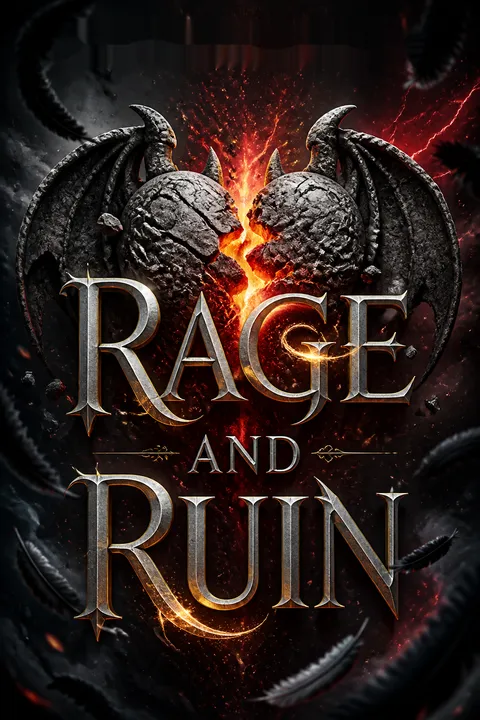
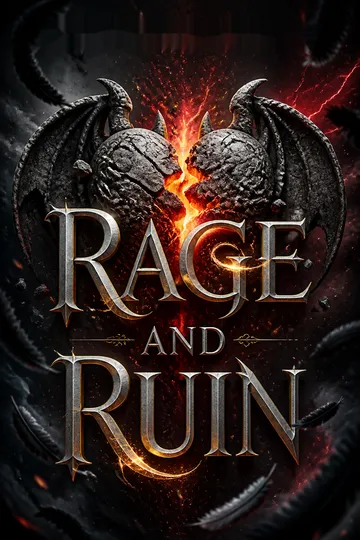
Rage and Ruin is a story about the cost of love, the burden of destiny, and the power of choice in the face of overwhelming darkness. At its heart, the novel explores what it means to be human—flawed, passionate, and capable of both great good and terrible harm. The forbidden romance between Trinity and Zayne is not just a source of tension, but a lens through which the narrative interrogates the rules that govern society, faith, and the heart. The consequences of breaking those rules are severe, yet the story suggests that true strength lies in the willingness to risk everything for love and hope. The novel also grapples with the nature of evil—not as an external force, but as something that can grow from pride, resentment, and the refusal to forgive. Gabriel's fall is a warning about the dangers of unchecked power and the loss of empathy, while Trinity's journey is a testament to resilience, compassion, and the refusal to surrender to despair. Ultimately, Rage and Ruin is a call to embrace both the light and the darkness within, to fight for what matters, and to believe that even in the face of ruin, love can be the spark that reignites the stars.
Review Summary
Rage and Ruin received mostly positive reviews, with readers praising the character development, romantic tension, and plot twists. Many found the relationship between Trinity and Zayne compelling, though some felt their arguments were frustrating. Readers enjoyed the world-building, pop culture references, and appearances of characters from previous series. The cliffhanger ending left many eagerly anticipating the next book. Some criticism was directed at pacing issues and unnecessary drama, but overall, fans of Armentrout's writing style found the book engaging and emotionally impactful.
People Also Read


Characters
Trinity Marrow
Trinity is a half-angel Trueborn, the last of her kind—until she discovers she is not. Gifted with the ability to see ghosts and wield heavenly grace, she is both a weapon and a young woman struggling with loss, guilt, and the burden of destiny. Her failing vision is a constant vulnerability, but also a source of resilience. Trinity's journey is one of self-discovery, as she learns to balance rage and compassion, duty and desire. Her relationship with Zayne is the heart of her transformation, forcing her to confront the rules that bind her and the risks of loving deeply. Trinity's greatest strength is her refusal to give up, even when broken—her will to fight for love, for hope, and for the world.
Zayne
Zayne is a Warden—part-gargoyle, part-angel—who becomes Trinity's bonded Protector after Misha's betrayal. Haunted by his past with Layla and the loss of his soul, Zayne is both strong and deeply wounded. His kindness, humor, and unwavering loyalty set him apart, but it is his love for Trinity that defines his arc. The forbidden nature of their relationship tests his resolve, and the consequences of loving her strip him of his invulnerability, making him painfully human. Zayne's ultimate sacrifice—giving his life to save Trinity—reveals the depth of his devotion. His resurrection as an angel is both a reward and a new beginning, a testament to the transformative power of love.
Misha
Misha is Trinity's childhood friend and original Protector, whose bond with her is twisted by jealousy and manipulation. His betrayal is a wound that shapes Trinity's journey, forcing her to confront the darkness within herself and others. Misha's actions are driven by a desperate need to be special, to matter, and he is ultimately seduced by the Harbinger's promises. His death at Trinity's hands is both a tragedy and a catalyst, setting the stage for everything that follows. Misha embodies the dangers of envy and the consequences of losing oneself to bitterness.
Roth
Roth, the Crown Prince of Hell, is a complex figure—dangerous, charming, and surprisingly loyal. His love for Layla humanizes him, and his willingness to help Trinity and Zayne blurs the lines between good and evil. Roth's demonic abilities and connections are invaluable, but his true strength lies in his understanding of the cost of love and the necessity of breaking rules. He is both a tempter and a savior, a reminder that redemption can come from the most unexpected places.
Layla
Layla is Zayne's former love and Roth's partner, caught between Heaven and Hell. Her history with Zayne is a source of pain and growth for both, and her friendship with Trinity is marked by empathy and shared struggle. Layla's unique abilities and perspective make her a vital ally, and her journey is one of acceptance—of herself, her past, and her place in the world. She is a symbol of the possibility of change and the power of forgiveness.
Gabriel (The Harbinger)
Gabriel is the true antagonist—a being of immense power, twisted by pride, resentment, and a sense of betrayal. His plan to destroy the soul and remake the world is both chilling and tragically human, rooted in the desire for what he can never have. Gabriel's manipulation of others, including his own son Sulien, reveals the dangers of unchecked power and the consequences of losing faith. He is both a warning and a mirror, reflecting the darkness that can grow from even the purest origins.
Sulien
Sulien is the other Trueborn, raised by Gabriel to embrace his power and reject his humanity. Cold, calculating, and devoid of empathy, he is the perfect tool for Gabriel's plan. His interactions with Trinity are marked by a cruel mirroring—what she could become if she surrendered to rage and despair. Sulien's fate is a cautionary tale, a reminder of the importance of choice and the dangers of losing oneself to darkness.
Peanut
Peanut is the ghostly companion who provides levity, wisdom, and emotional support to Trinity. His presence is a reminder of the thin line between life and death, and his over-the-top personality masks a deep loyalty and understanding. Peanut's ability to see what others miss makes him an invaluable friend, and his journey is one of finding purpose even after death.
Stacey
Stacey is Zayne's close friend and former lover, whose presence forces Trinity to confront her own insecurities and the complexities of love and friendship. Stacey's grief over Sam's death and her willingness to face the supernatural make her a bridge between worlds. She is a reminder of what is at stake—the ordinary lives threatened by extraordinary evil.
Sam
Sam is the ghost whose warning about the school sets the final events in motion. His love for Stacey and his struggle to communicate from beyond the grave highlight the enduring power of connection. Sam's message is both a catalyst and a comfort, a reminder that love transcends even death.
Plot Devices
Bonded Protector and Trueborn
The central device is the mystical bond between Trinity and her Protector, which grants them shared strength, emotions, and vulnerability. This bond is both a source of power and a source of pain, especially as it becomes the very thing that makes them targets. The forbidden nature of romantic love between Trueborn and Protector is a rule that shapes the entire narrative, with devastating consequences when broken. The bond is a metaphor for the risks and rewards of intimacy, and its severing is both literal and symbolic.
Foreshadowing and Prophecy
The narrative is laced with prophecies, warnings, and omens—the coming of the Harbinger, the meaning of rage and ruin, the significance of the Transfiguration. These elements create a sense of inevitability and tension, as characters struggle to interpret and defy their fates. Foreshadowing is used to build suspense and to highlight the costs of ignoring or misreading the signs.
Duality and Mirrors
The story is structured around dualities—Trinity and Sulien, Zayne and Gabriel, Heaven and Hell, human and angelic. Characters are often confronted with their own reflections, forced to choose between opposing paths. The use of mirrors and doubles emphasizes the theme of choice and the danger of losing oneself to darkness. The narrative structure itself mirrors this, with parallel arcs of love and loss, hope and despair.
Angelic and Demonic Politics
The interplay between Wardens, demons, angels, and humans creates a web of alliances and betrayals. The rules of Heaven and Hell are both rigid and arbitrary, forcing characters to navigate a landscape where trust is rare and every choice has consequences. The politics of power—who can wield it, who is allowed to love, who is worthy of salvation—are central to the plot, driving both the external conflict and the internal struggles of the characters.
Sacrifice and Resurrection
The motif of sacrifice runs throughout the story—Trinity's willingness to risk everything for Zayne, Zayne's ultimate sacrifice for her, and the possibility of resurrection through bargaining with Death. The narrative structure uses death not as a finality, but as a crucible for transformation. The return of Zayne as an angel is both a reward and a new challenge, setting the stage for the final confrontation with Gabriel.
The Harbinger Series Series
About the Author
Other books by Jennifer L. Armentrout




Download PDF
Download EPUB
.epub digital book format is ideal for reading ebooks on phones, tablets, and e-readers.








































