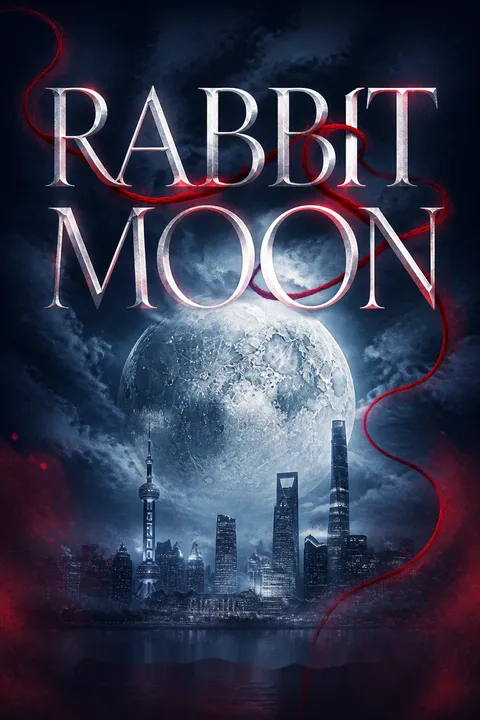

Plot Summary
Shanghai Dawn, Fateful Collision
In the pre-dawn hush of Shanghai's financial district, Lindsey, a red-haired American expat, stands alone, lost in music and texting her sister Grace in New Hampshire. Simultaneously, a young, intoxicated driver speeds through the empty streets, feeling invincible. Their worlds collide in a moment of chance and violence—Lindsey is struck, thrown, and left bleeding on the pavement. The city's indifference is palpable as a street sweeper finds her, calls the police, and pockets her phone. This single, senseless act sets off a chain of events that will ripple through families and continents, exposing the fragility of connection and the randomness of fate.
Johnny's Double Life
Johnny Du, a Shanghai hairstylist, navigates a life of careful deception. To his parents, he's a dutiful son with a respectable job and a fictional girlfriend; in reality, he's a creative, openly queer man, drawn to Westerners and hiding his true self. His closest friend is Lindsey, with whom he shares a unique, bilingual bond. Their friendship is rooted in mutual understanding and the shared experience of being outsiders—Johnny, for his sexuality and Lindsey, for her foreignness. Johnny's family history is marked by secrets, including a lost sister given up for adoption, a fact that haunts him and deepens his connection to Lindsey and her adopted Chinese sister, Grace.
Family Secrets and Lies
The Litvak family is fractured by distance, divorce, and unspoken pain. Claire, Lindsey's mother, is a writer who never writes, haunted by her failures and the choices that shaped her daughters' lives. Aaron, her ex-husband, is pragmatic and emotionally distant, struggling to connect with his children. Their marriage, once full of promise, unraveled under the weight of unmet expectations and the trauma of Lindsey's adolescence, particularly her relationship with Dean Farrell, a trusted family friend who betrayed them all. The family's attempts to protect, control, and understand one another are marked by love, resentment, and the persistent ache of things left unsaid.
Grace at Camp Friendship
Grace, Lindsey's much younger adopted sister, endures a sweltering summer at a Quaker camp in New Hampshire, cut off from her phone and her sister's daily messages. The camp's enforced simplicity and social dynamics leave her feeling alienated and self-conscious about her size and heritage. Letters replace texts, but the distance from Lindsey grows unbearable. When the phone ban is lifted, Grace is alarmed by Lindsey's silence, sensing that something is deeply wrong. Her anxiety and longing for connection underscore the invisible threads that bind sisters across continents, even as communication falters.
The Litvaks Receive the Call
Claire and Aaron's lives are upended by a late-night call from the US Consulate in Shanghai: Lindsey has been gravely injured in a hit-and-run. The news is surreal, the distance insurmountable. Both parents scramble to reach China, their old wounds and mutual blame resurfacing as they confront the possibility of losing their daughter. The journey is disorienting, filled with bureaucratic obstacles, cultural confusion, and the overwhelming sense that their family's fate has been wrenched out of their hands. The call marks the end of ordinary life and the beginning of a desperate vigil.
Searching for Lindsey
In Shanghai, Claire and Aaron navigate a labyrinth of hospitals, police stations, and Lindsey's eerily impersonal apartment, searching for clues to her life and the accident. They are joined, unknowingly, by Johnny, who is also desperate for news. The investigation is hampered by language barriers, missing paperwork, and the opacity of Lindsey's recent choices. The parents' search is as much for understanding as for practical answers—why was Lindsey in Shanghai, what was she doing, and who was she becoming? The city's vastness and indifference mirror their own helplessness.
The Past Unraveled
As the Litvaks wait by Lindsey's bedside, memories and regrets flood in. Claire recalls her failed ambitions, her complicated love for both daughters, and the trauma of Lindsey's adolescence—especially the affair with Dean Farrell, which shattered trust and precipitated the family's collapse. Aaron, too, is forced to confront his own failures as a father and husband, his inability to protect Lindsey, and the ways in which his pragmatism became a shield against intimacy. The past is inescapable, its consequences playing out in the present crisis.
The Escort's World
Lindsey's life in Shanghai is gradually revealed through her own memories and the discoveries of those searching for her. After a failed romance and financial desperation, she is drawn into the world of high-end escorting, managed by the enigmatic Mei. The work is transactional but also oddly empowering, allowing Lindsey to reinvent herself as "Lily." Her closest confidant is Johnny, who helps her navigate the emotional and practical complexities of her double life. The boundaries between self and performance blur, and Lindsey's longing for love and belonging remains unfulfilled.
Love and Loss in Shanghai
Lindsey's relationships in Shanghai are marked by both genuine connection and profound loneliness. Her affair with Shen, a married Chinese businessman, offers a fleeting sense of intimacy and hope, but ends in heartbreak and abandonment. The loss of this relationship, compounded by her estrangement from Mei and the dangers of her work, leaves Lindsey adrift. Her attempts to reconnect—with her family, with Johnny, with her own sense of purpose—are thwarted by shame, fear, and the inexorable pull of the past. The city's relentless pace and anonymity amplify her isolation.
The Year of the Monkey
The narrative unfolds against the backdrop of the Year of the Monkey, a time traditionally associated with chaos and unpredictability. For Lindsey, Johnny, and their circle, the year brings a series of misfortunes—lost jobs, broken relationships, and, ultimately, tragedy. The symbolism of the monkey, clever but capricious, underscores the sense that life is governed by forces beyond individual control. The red thread of fate, an ancient Chinese motif, weaves through their stories, connecting and severing lives in ways that are both mysterious and cruel.
The Red Thread Sisters
The bond between Lindsey and Grace is central, shaped by adoption, cultural difference, and the myth of the red thread that connects those destined to love each other. Grace's perspective, both as a child and later as an adult, frames the story's emotional core. Her search for belonging, her struggles with identity, and her enduring love for Lindsey highlight the complexities of family—chosen and biological, present and absent. The sisters' connection endures even as distance, silence, and death threaten to sever it.
The Sound of Water
As Lindsey lies comatose, her family and friends keep vigil, each grappling with hope, guilt, and the limits of their power to save her. Johnny visits daily, tending to her with tenderness and regret. Claire and Aaron, united in grief, confront the reality that some wounds cannot be healed, some losses cannot be prevented. The hospital's relentless routines, the city's noise, and the passage of time create a sense of suspended animation, as if everyone is waiting for a miracle that will not come.
The Limits of Rescue
When Lindsey dies, the survivors are forced to reckon with the finality of loss. The rituals of mourning—cremation, packing up her apartment, scattering her ashes—are both inadequate and necessary. Each character must find a way to say goodbye, to honor Lindsey's memory, and to continue living. The city, indifferent and ever-changing, offers no solace. The red thread, once a symbol of connection, now marks the boundary between presence and absence, love and grief.
The Unforgiving City
Shanghai itself is a character—modern, merciless, and constantly reinventing itself. The city's rapid development, its erasure of history, and its relentless pace mirror the characters' struggles with memory, identity, and change. For Johnny, the city is both home and exile; for the Litvaks, it is a place of loss and bewilderment. The city's refusal to yield answers or comfort underscores the novel's meditation on the limits of understanding and the inevitability of change.
The End of the Thread
In the aftermath of Lindsey's death, her family and friends seek meaning and closure. Grace, now an adult, reflects on the enduring impact of her sister's life and loss. The red thread, though frayed, continues to bind those who loved Lindsey, shaping their choices and their sense of self. The act of remembering becomes an act of love, a way to keep the lost alive in memory and story. The novel ends with a sense of acceptance, if not resolution—a recognition that some threads, once broken, can never be fully mended.
Aftermath and Memory
Years later, Grace narrates the long shadow cast by Lindsey's death. The family has changed—Claire finds solace in writing and remarriage, Aaron retreats to a quieter life, and Grace herself becomes a scientist, seeking answers in genetics and the mysteries of inheritance. The search for identity, belonging, and meaning continues, shaped by the losses and loves of the past. The red thread endures, not as a guarantee of happiness, but as a testament to the power of connection and the persistence of memory.
Red Thread Endures
The story closes with Grace's reflections on the enduring legacy of her sister and the ways in which love, loss, and identity are woven together. The red thread, both myth and metaphor, becomes a symbol of resilience—the capacity to find meaning in suffering, to honor the dead by living fully, and to recognize the beauty and pain of being bound to others. The novel's final note is one of hope, tempered by realism: the thread may fray, but it does not break.
Analysis
"Rabbit Moon" is a profound meditation on the fragility of connection, the unpredictability of fate, and the enduring power of love and memory. Through its interwoven narratives and richly drawn characters, the novel explores the ways in which trauma, loss, and longing shape individual lives and family histories. The red thread motif, drawn from Chinese legend, serves as both a promise and a warning: we are bound to others in ways we cannot always see or control, and those bonds can be both sustaining and devastating. The novel interrogates the limits of rescue—what parents, lovers, and friends can and cannot do to save one another—and the necessity of acceptance in the face of irreparable loss. In its depiction of Shanghai, the complexities of adoption, and the search for identity across cultures and generations, "Rabbit Moon" offers a nuanced, compassionate, and ultimately hopeful vision of what it means to be human: to love, to grieve, and to carry forward the threads of those we have lost.
Review Summary
Rabbit Moon follows Lindsey Litvak, a 22-year-old American living secretly in Shanghai, who is critically injured in a hit-and-run accident. Her divorced parents rush to her bedside, discovering the life she'd hidden from them. The novel explores family dysfunction, secrets, and the bond between Lindsey and her adopted Chinese sister, Grace. Reviews praise Haigh's beautiful, evocative writing and vivid portrayal of Shanghai, though some found characters unlikable or underdeveloped. The book addresses adoption, identity, sexual abuse, and cultural displacement, with Grace's perspective particularly moving readers.
People Also Read









Characters
Lindsey Litvak
Lindsey is the novel's tragic center—a brilliant, beautiful young woman whose life is marked by longing, trauma, and the search for belonging. Her early promise is derailed by a predatory relationship with a family friend, leading to estrangement, self-doubt, and a series of impulsive choices. In Shanghai, she reinvents herself as "Lily," navigating the world of high-end escorting with a mix of agency and vulnerability. Her relationships—with Johnny, Shen, Mei, and especially her sister Grace—reveal her capacity for love and her deep-seated fear of abandonment. Lindsey's journey is one of self-discovery and self-destruction, her fate a testament to the dangers and possibilities of reinvention.
Johnny Du
Johnny is Lindsey's closest friend in Shanghai, a queer hairstylist who lives a double life—dutiful son to his parents, flamboyant and free among friends. His own family history is marked by loss and secrecy, including a sister given up for adoption. Johnny's relationship with Lindsey is intimate and platonic, rooted in shared outsider status and mutual understanding. He is both protector and witness, offering Lindsey comfort and companionship while struggling with his own fears and desires. Johnny's resilience and adaptability are both his strength and his burden, as he navigates a society that demands conformity and punishes difference.
Grace Litvak
Grace, Lindsey's much younger adopted sister, provides the novel's emotional anchor and, ultimately, its voice of reflection. Her childhood is shaped by the complexities of transracial adoption, the expectations of her white American family, and her own quest for identity. Grace's bond with Lindsey is profound, marked by love, admiration, and the ache of separation. As an adult, Grace becomes a scientist, seeking answers in genetics and the mysteries of inheritance. Her journey is one of self-acceptance, resilience, and the ongoing search for connection—both to her lost sister and to her own place in the world.
Claire Litvak
Claire is a woman defined by longing—for creative fulfillment, for her daughters' happiness, for a sense of control over life's chaos. Her marriage to Aaron is undone by unmet expectations and the trauma of Lindsey's adolescence. Claire's love for her daughters is fierce but complicated, especially in the wake of Lindsey's choices and ultimate loss. Her journey through grief is marked by self-recrimination, the struggle to let go, and the eventual discovery of solace in writing and new love. Claire's evolution from paralyzed regret to creative renewal is one of the novel's quiet triumphs.
Aaron Litvak
Aaron is Lindsey and Grace's father, a successful businessman whose emotional reserve masks deep wounds and regrets. His relationship with Claire is marked by mutual disappointment and the inability to bridge the gap between principle and compassion. Aaron's attempts to protect and provide for his family are often undermined by his rigidity and avoidance of vulnerability. The loss of Lindsey forces him to confront his own limitations and the consequences of his choices. In the aftermath, Aaron seeks a quieter, more authentic life, learning—belatedly—the value of tenderness and connection.
Mei
Mei is the manager of the escort service that employs Lindsey, a figure of both power and ambiguity. She is shrewd, pragmatic, and emotionally guarded, offering her girls both opportunity and discipline. Mei's own history is hinted at but never fully revealed, adding to her mystique. Her relationship with Lindsey is complex—part mentor, part employer, part adversary. Mei embodies the contradictions of modern China: tradition and modernity, exploitation and care, survival and sacrifice.
Shen
Shen, also known as Sean, is a married Chinese businessman who becomes Lindsey's lover. Their relationship is marked by cultural misunderstanding, longing, and the impossibility of fulfillment. Shen is both drawn to and unsettled by Lindsey's foreignness, her independence, and her pain. His own sense of duty and identity is challenged by their affair, which ultimately ends in heartbreak for both. Shen's presence in Lindsey's life is brief but transformative, forcing her to confront her desires and her limits.
Dean Farrell
Dean Farrell is the family friend whose relationship with teenage Lindsey precipitates the novel's central trauma. Charismatic and trusted, he betrays the Litvaks' trust, setting off a chain of events that leads to Lindsey's estrangement, the family's collapse, and the enduring wounds that shape the narrative. Dean's actions are both personal and emblematic, representing the dangers of misplaced trust and the long shadow of abuse. His presence lingers as a ghost in the lives of those he harmed.
Hester/Heather
Hester, an Australian escort working for Mei, becomes a brief friend and confidant to Lindsey. Her experience and pragmatism offer Lindsey both warning and camaraderie. Hester's own survival strategies and eventual escape from the world of escorting serve as a mirror to Lindsey's trajectory, highlighting the dangers and fleeting solidarities of their shared profession.
Sun
Sun is the property manager of Lindsey's apartment building, a minor but poignant character whose own history of loss and endurance echoes the novel's themes. His interactions with Lindsey, her parents, and Mei reveal the quiet, often invisible labor of care and the ways in which ordinary people are swept up in the tragedies of others. Sun's grief and resilience offer a counterpoint to the more dramatic losses at the novel's center.
Plot Devices
Interwoven Timelines and Perspectives
The novel employs a non-linear structure, moving between 2016 and 2031, and shifting perspectives among Lindsey, Grace, Johnny, Claire, Aaron, and others. This mosaic approach allows the reader to inhabit each character's inner world, to see events from multiple angles, and to understand the complex interplay of past and present. The use of letters, journal entries, and digital artifacts (texts, emails, photos) further blurs the boundaries between memory and immediacy, creating a sense of intimacy and fragmentation that mirrors the characters' experiences.
The Red Thread Motif
The ancient Chinese legend of the red thread—an invisible cord connecting those destined to meet—serves as both a literal and metaphorical device. It links the adopted sisters, the lost and found children, and the web of relationships that span continents and generations. The motif is invoked, questioned, and ultimately complicated by the novel's events, suggesting that fate is both binding and fragile, subject to chance and choice.
Symbolism of the City
Shanghai is more than a setting; it is a living, changing force that shapes and reflects the characters' journeys. Its relentless modernization, erasure of history, and cultural hybridity mirror the characters' struggles with identity, memory, and transformation. The city's indifference and beauty, its capacity for both connection and alienation, are woven throughout the narrative, grounding the personal in the political and the universal.
Foreshadowing and Recurrence
The novel is rich in foreshadowing—songs, dreams, and repeated phrases hint at coming tragedy. The motif of the rabbit moon, the recurring references to chance and causality, and the cyclical structure of the narrative all reinforce the sense that lives are shaped by both random events and deep patterns. The recurrence of certain images and themes—water, music, the sound of footsteps—creates a sense of inevitability and resonance.
The Limits of Language and Translation
Language—its power and its limits—is a central concern. Characters struggle to communicate across linguistic and cultural divides, to translate their experiences for others and for themselves. The act of writing, whether in journals, letters, or fiction, becomes both a means of survival and a source of frustration. The novel's multilingualism and attention to the nuances of translation underscore the difficulty of truly understanding another's experience.
Download PDF
Download EPUB
.epub digital book format is ideal for reading ebooks on phones, tablets, and e-readers.








































